Japan
Aichi-ken, Japan — Towns & Travel Guide
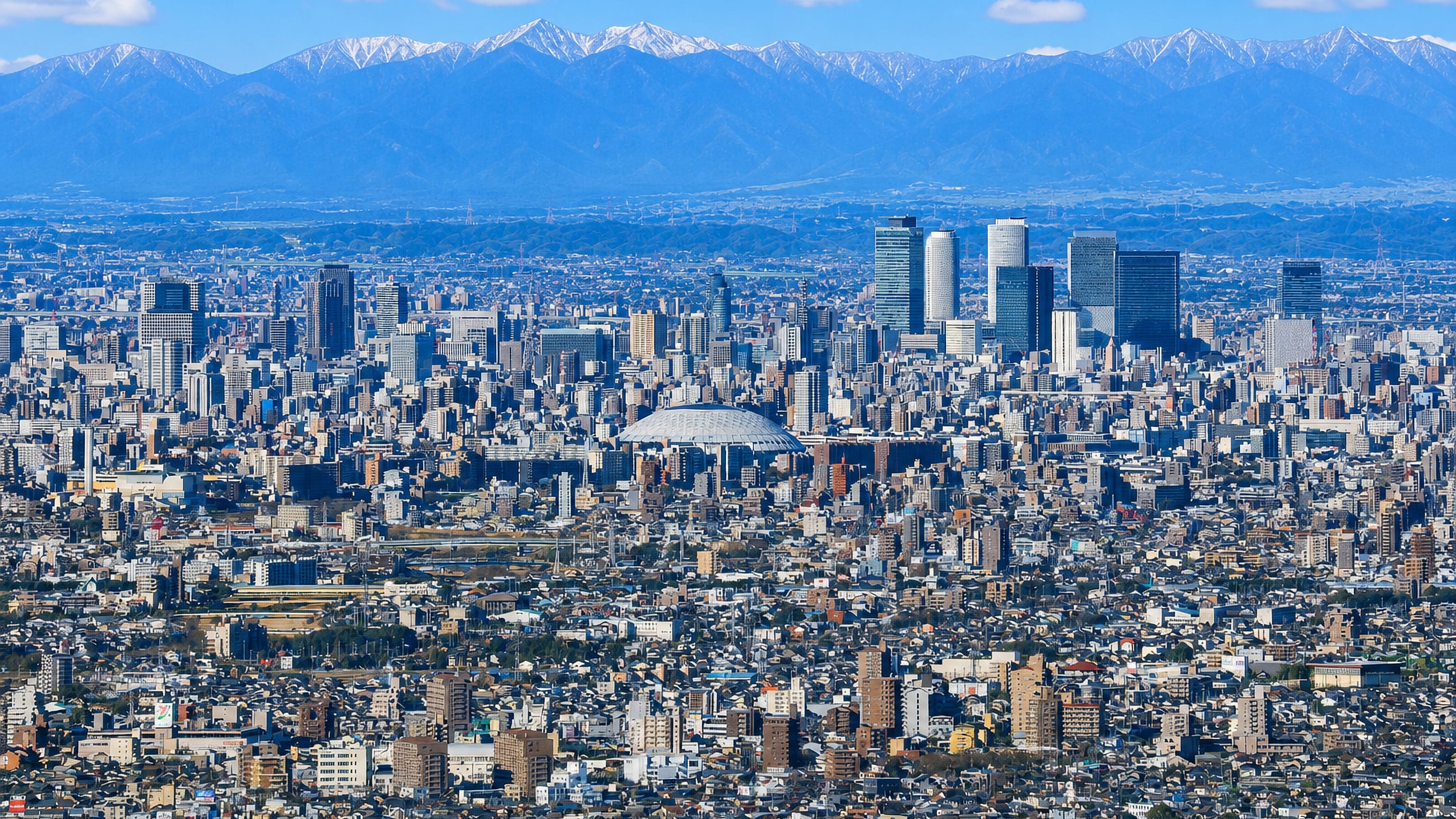
Aichi is a prefecture on the Pacific coast of central Japan, centred on Nagoya and the Nōbi Plain, cradle of the warlords who unified the country.
Hotel links are affiliate links: booking through them may earn us a commission, at no extra cost to you. It never affects how places are ranked. How this works


Towns & cities in Aichi-ken
Pick a town or city — each links to where to stay.
 Japan
Japan
Nagoya
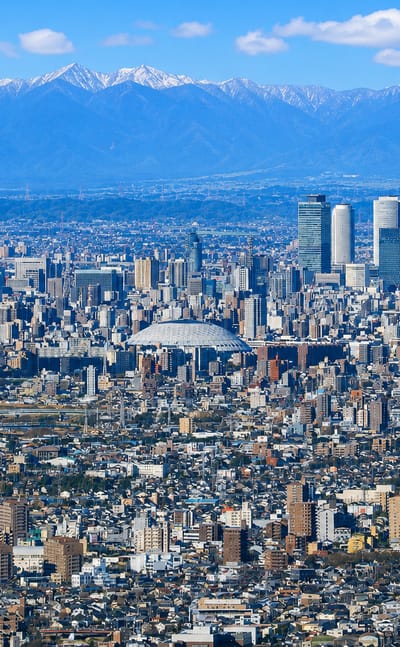
Cranes work the harbour at Nagoya, capital of Aichi Prefecture on the Pacific coast of central Honshu, known for Nagoya Castle and the Port of Nagoya.Where to stay →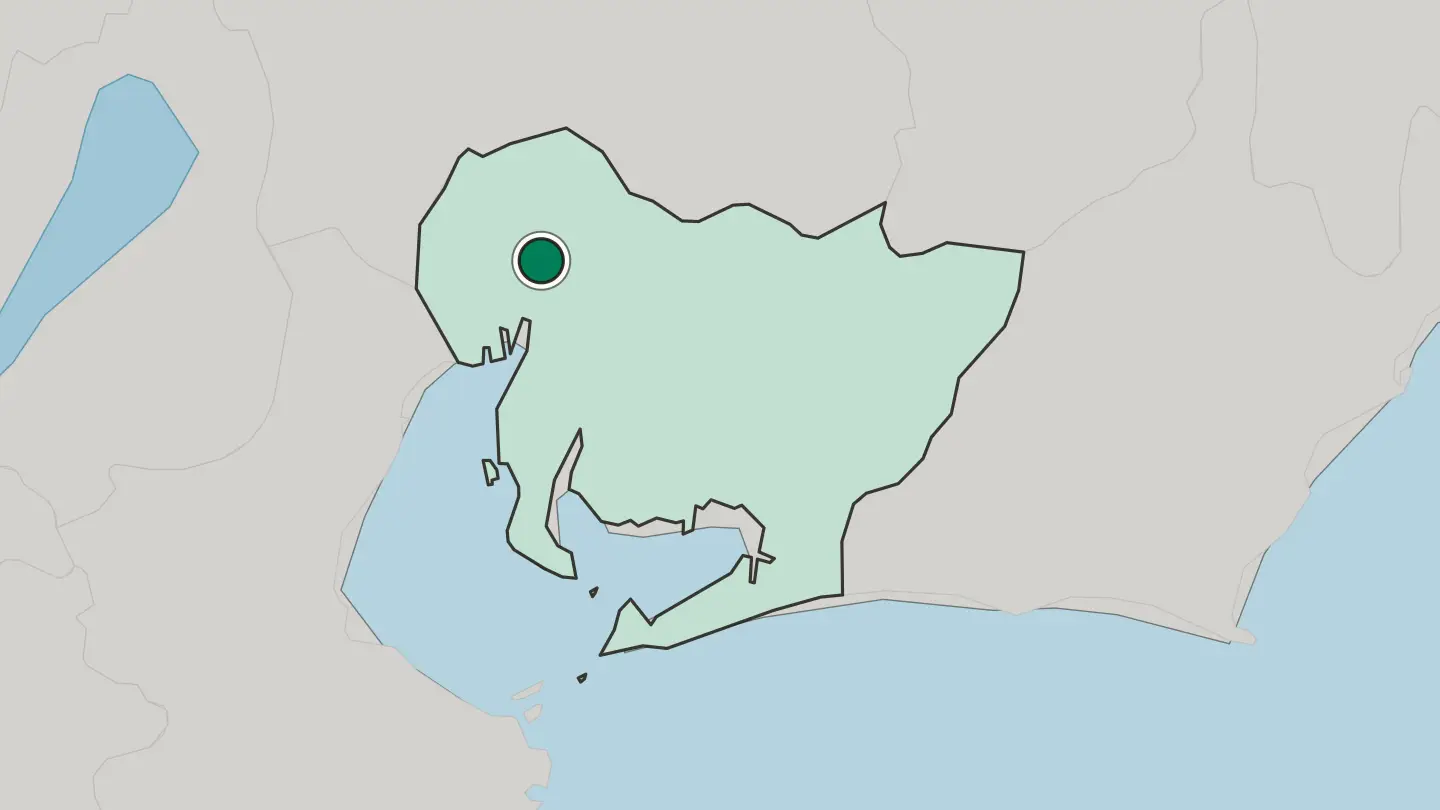
 Japan
Japan
Toyota
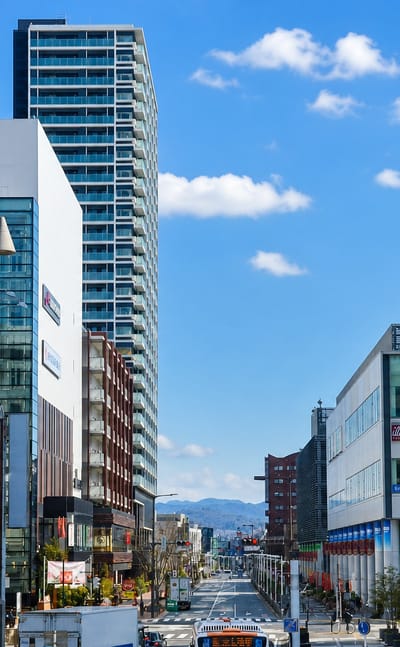
Factory town and river valley meet at Toyota, a city in Aichi Prefecture southeast of Nagoya, known as the home of the Toyota Motor Corporation.Where to stay →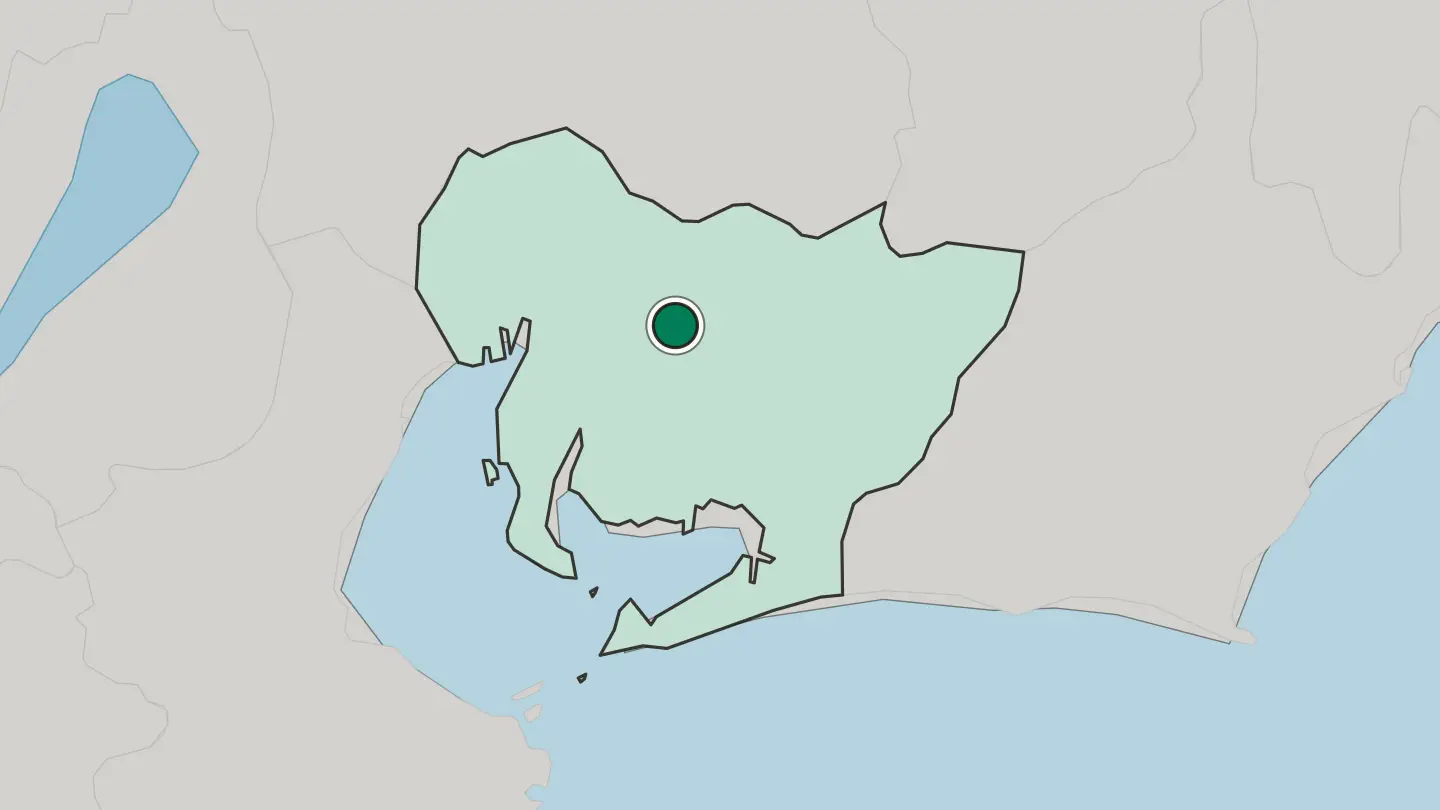
 Japan
Japan
Okazaki
Okazaki is a castle city of Aichi in central Japan, the birthplace of the shogun Tokugawa Ieyasu, an old town famous for its aged miso.Where to stay →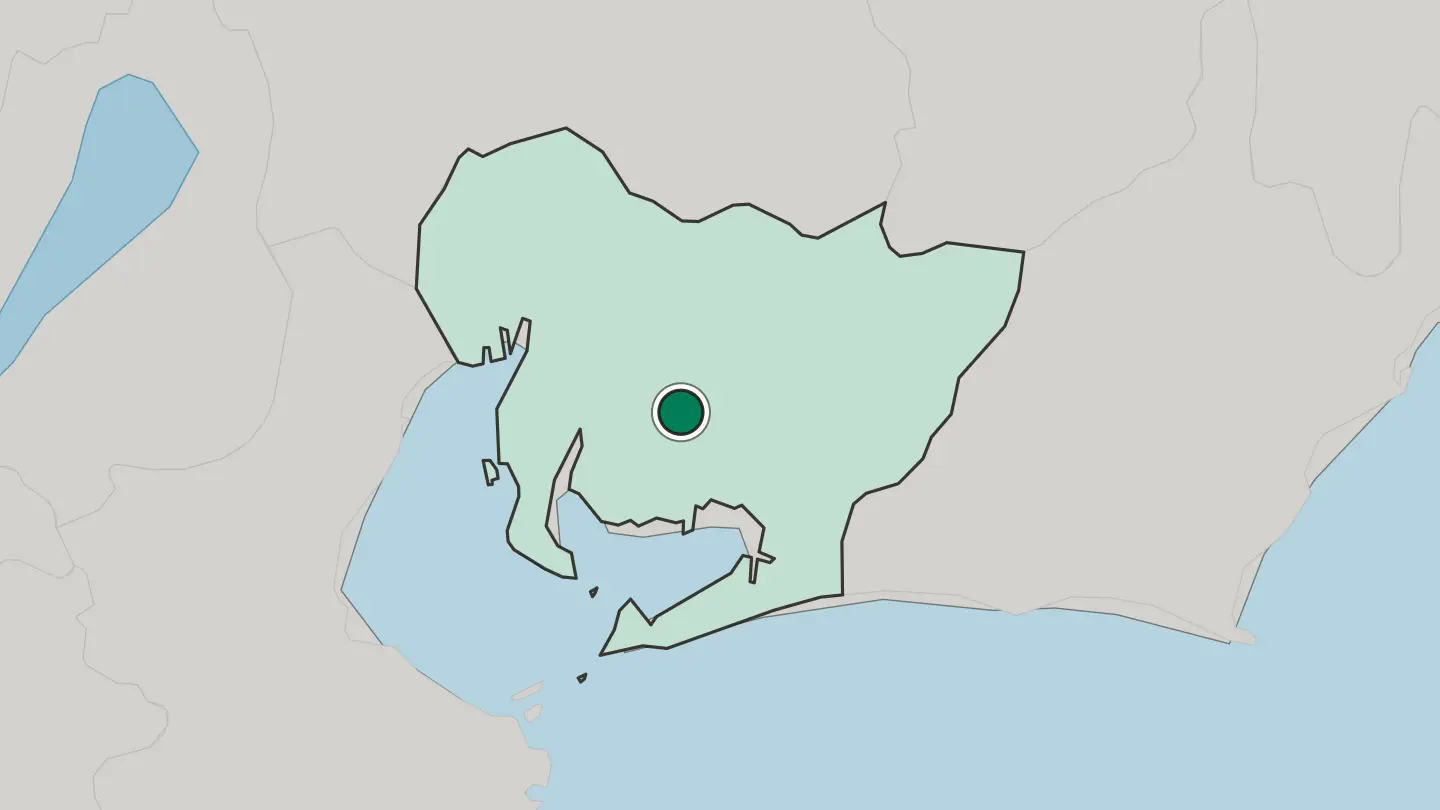
 Japan
Japan
Ichinomiya
Ichinomiya, in Aichi Prefecture, Japan, holds Masumida Shrine, the Nekojima Site and five museums of local history and art.Where to stay →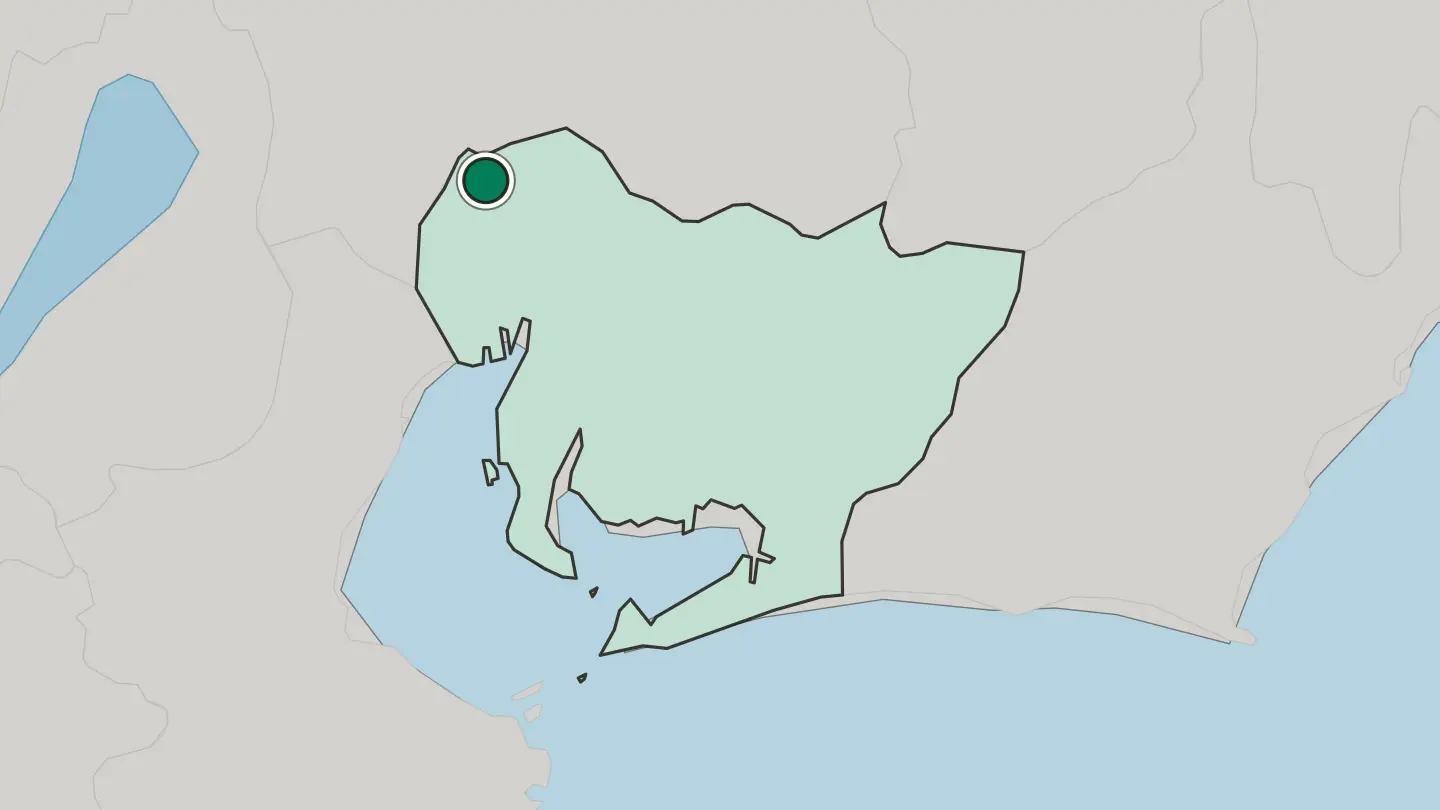
 Japan
Japan
Toyohashi
Toyohashi is a city of Aichi in central Japan, an old castle town and post town on the Toyokawa river, a busy port near the head of Mikawa Bay.Where to stay →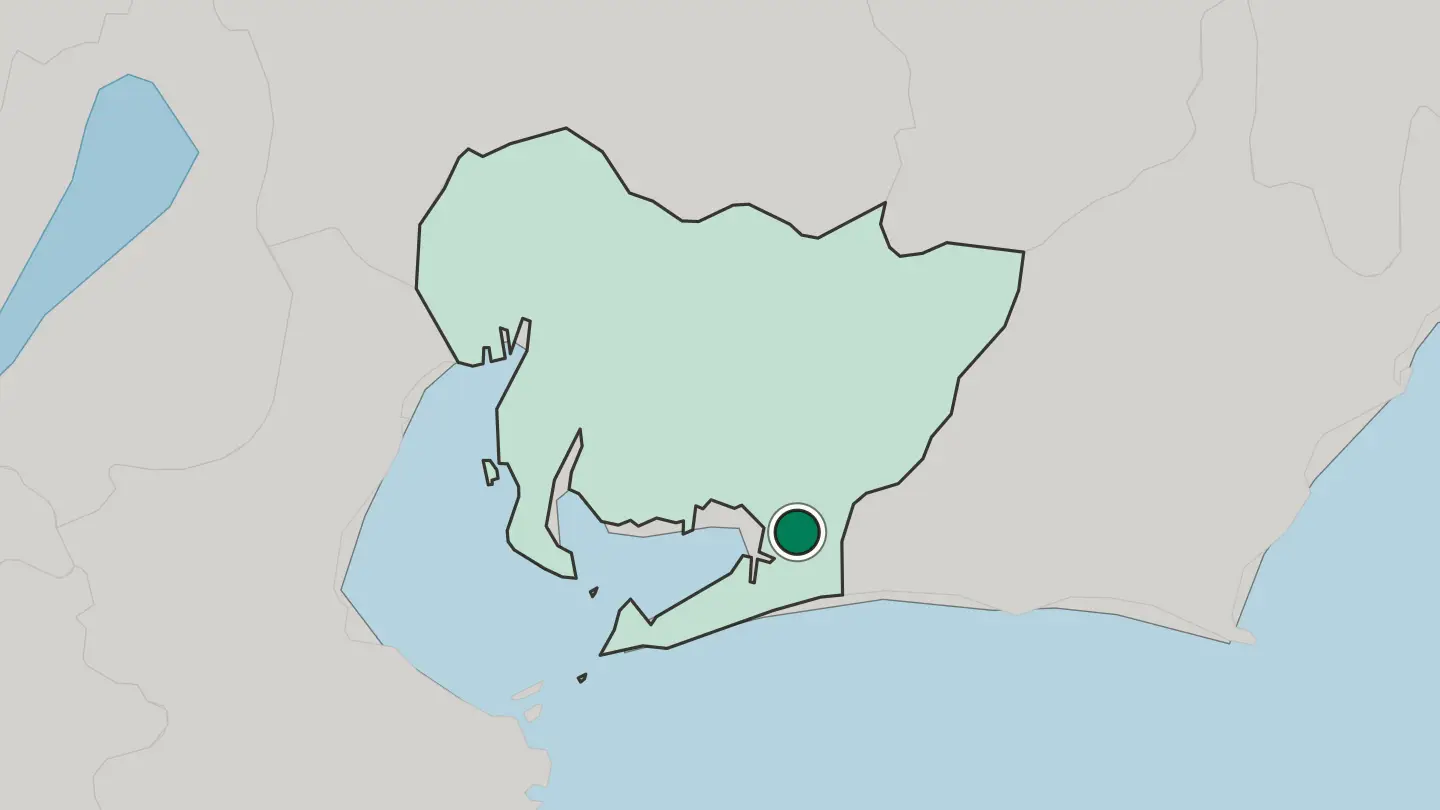
 Japan
Japan
Kasugai
Kasugai has been a city of Aichi Prefecture since 1943, and its museum list runs largely on Nagoya names, from the Tokugawa Art Museum outwards.Where to stay →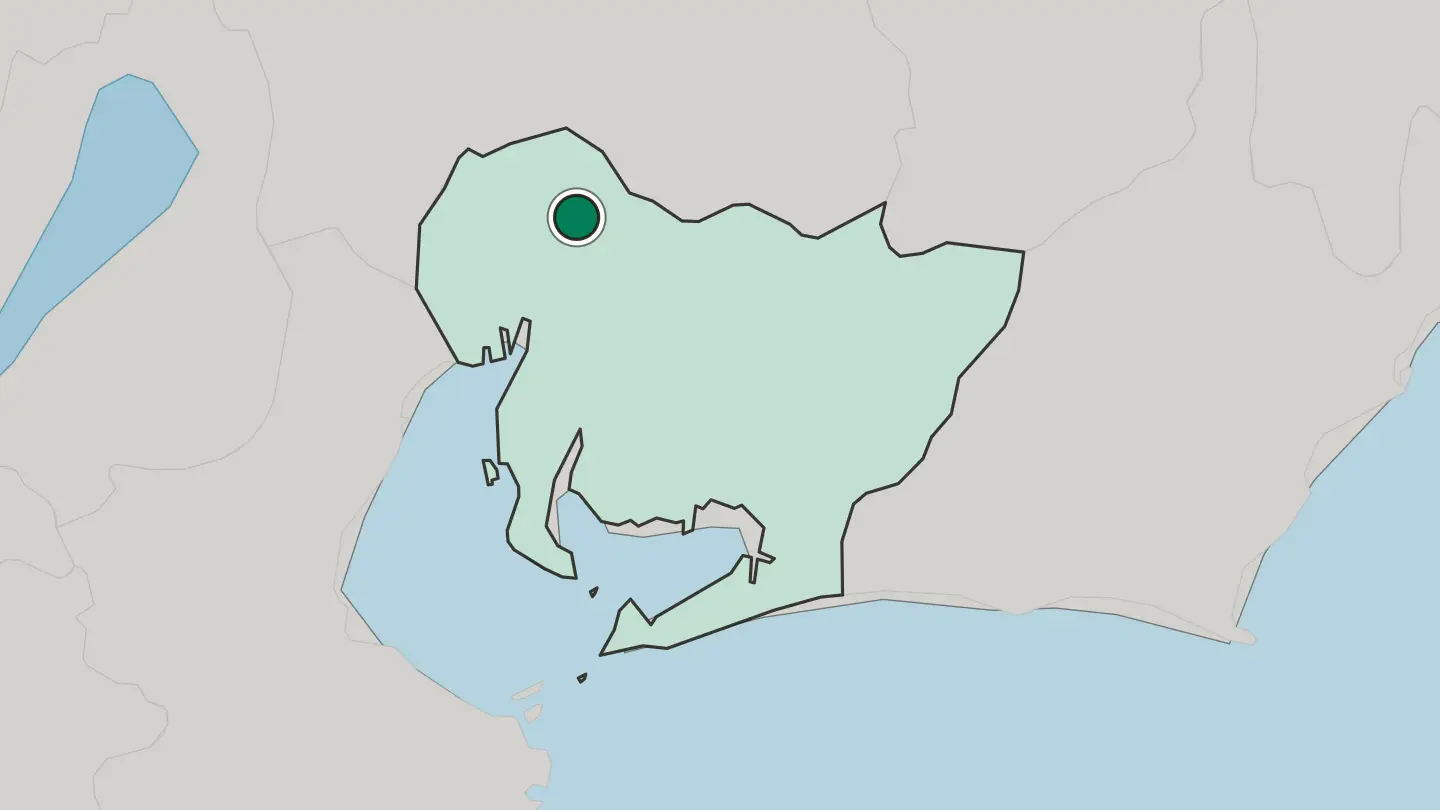
 Japan
Japan
Anjō
Anjō is a compact city of Aichi Prefecture, grown out of the village named Anjo Village and still holding the Futago Kofun and Honshō-ji Temple.Where to stay →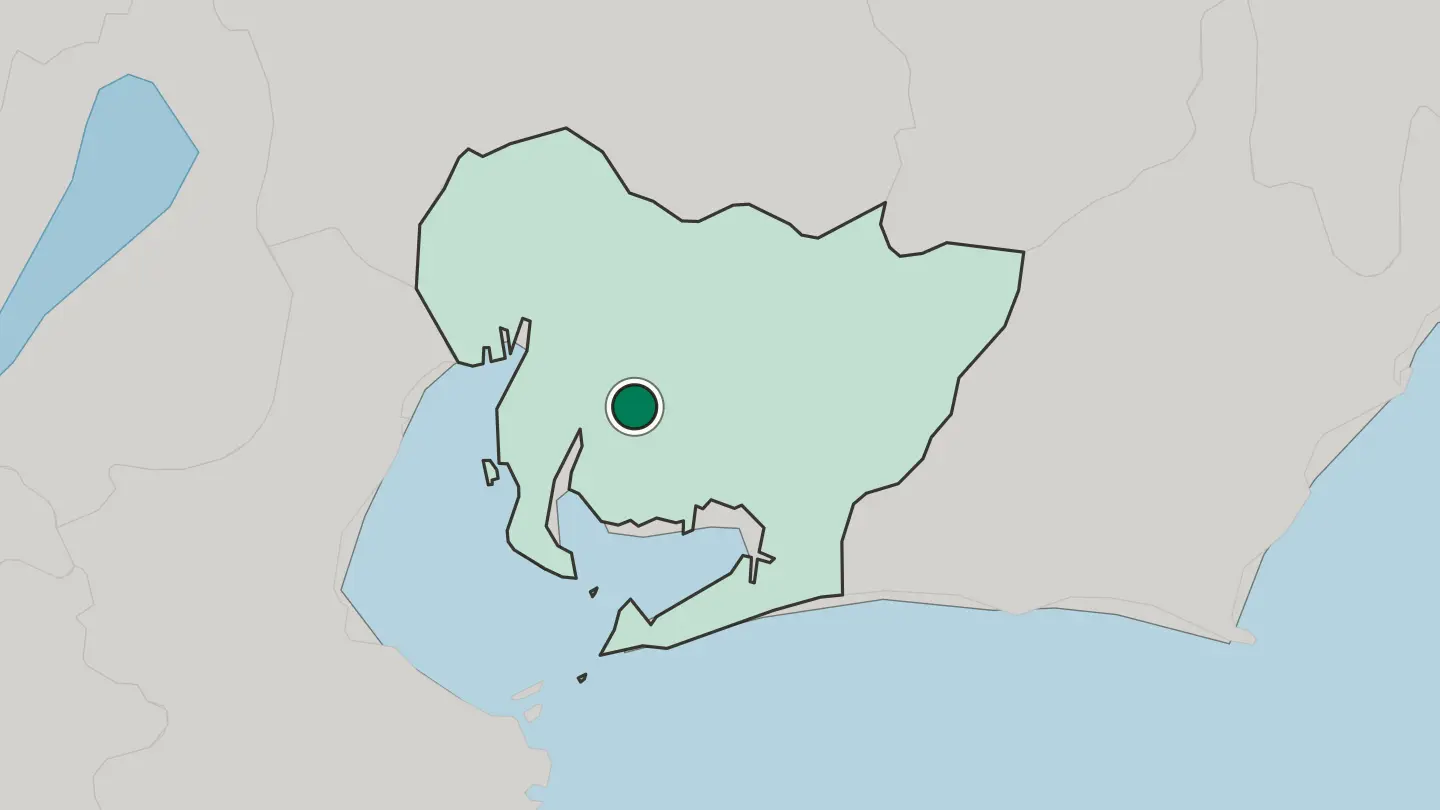
 Japan
Japan
Toyokawa
Toyokawa is known for Toyokawa Inari. The Aichi city also keeps the Toyokawa City Museum of Folklore and the Goyu Museum.Where to stay →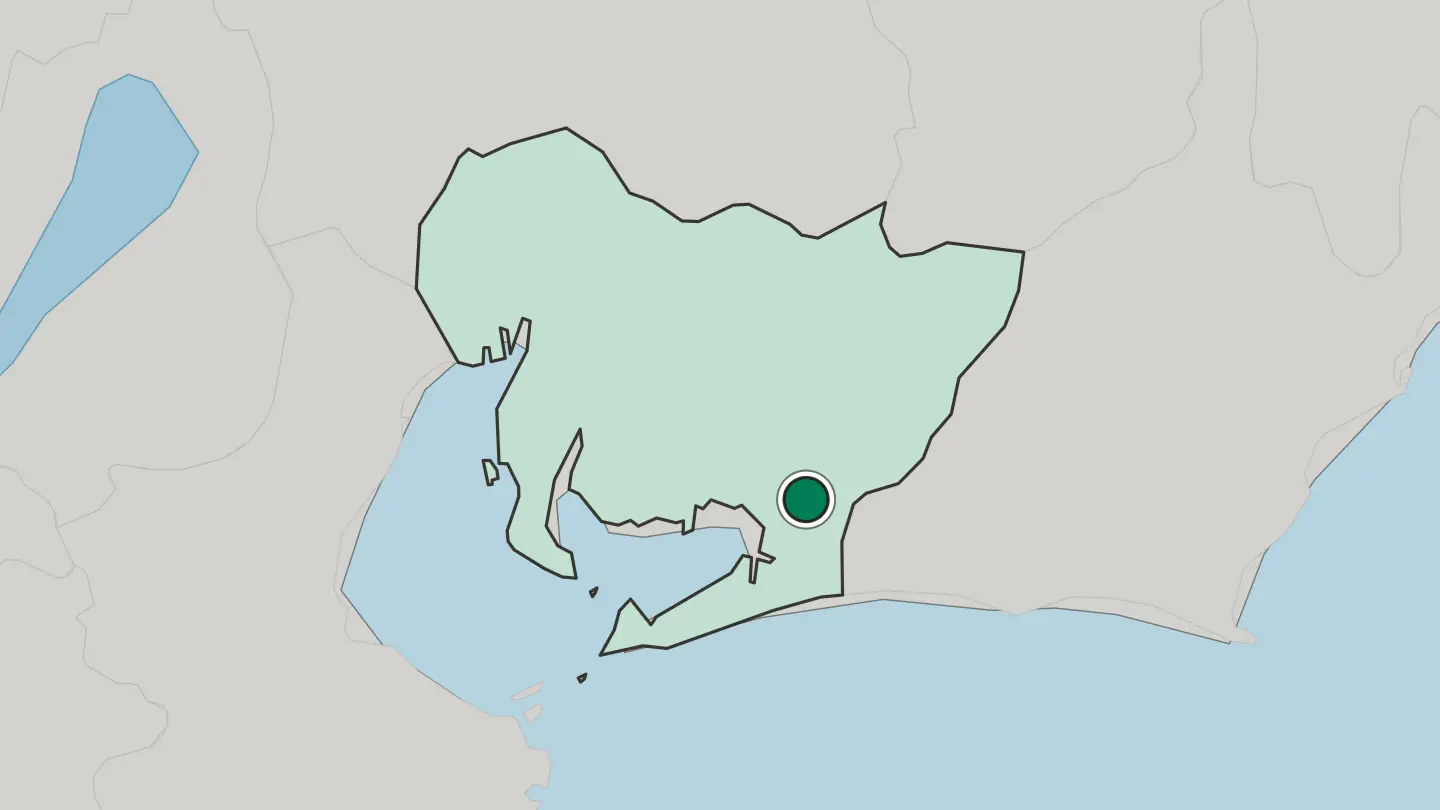
All towns & cities (25)
 Japan
Japan
Nishio
Nishio is a city of Aichi Prefecture in the Chūbu region of Japan, known for powdered green tea, the Iwase Bunko Library and Konren-ji Temple.Where to stay →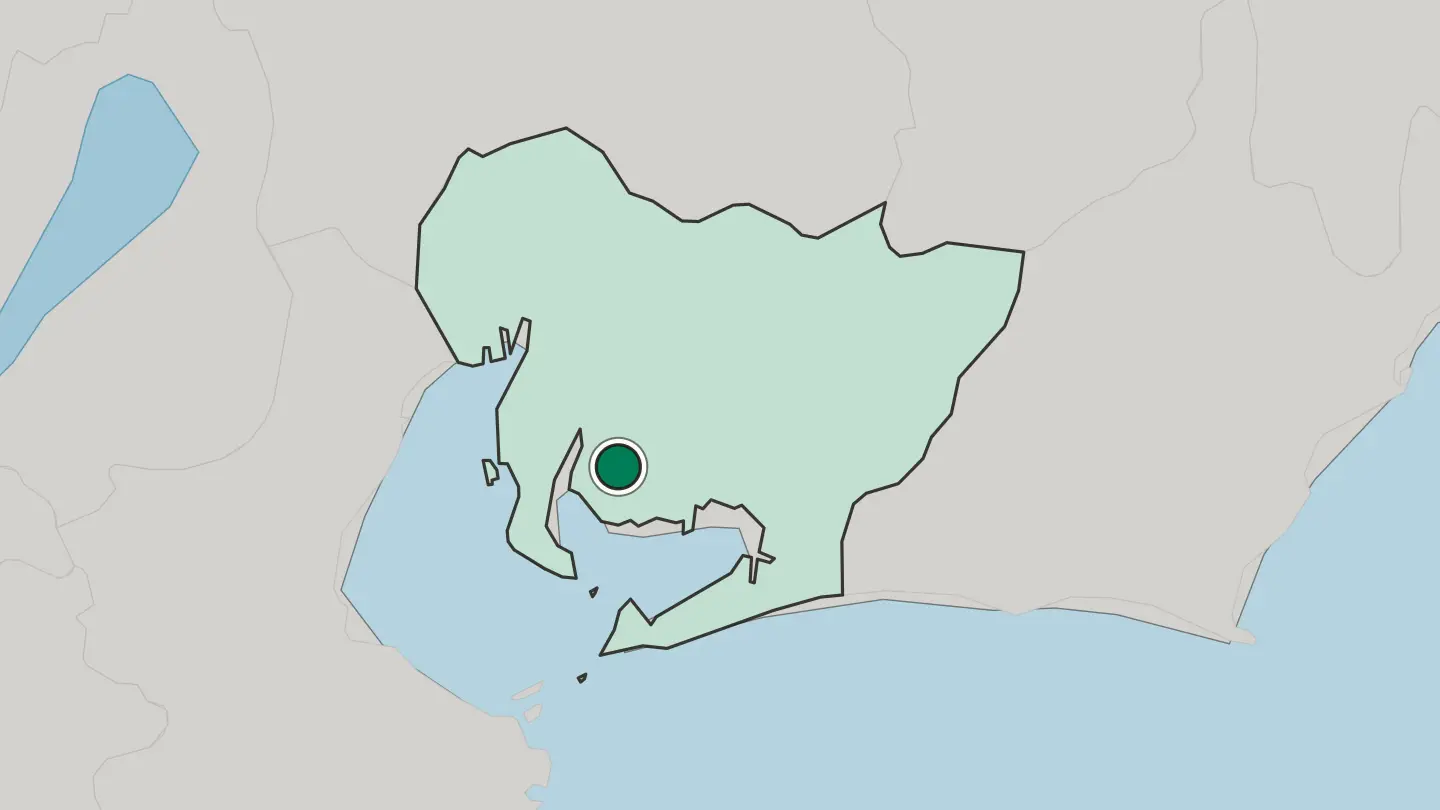
 Japan
Japan
Kariya
Kariya packs three city museums, the Aisin Com-Center and a hands-on science hall into 50 square kilometres of Aichi Prefecture, Japan.Where to stay →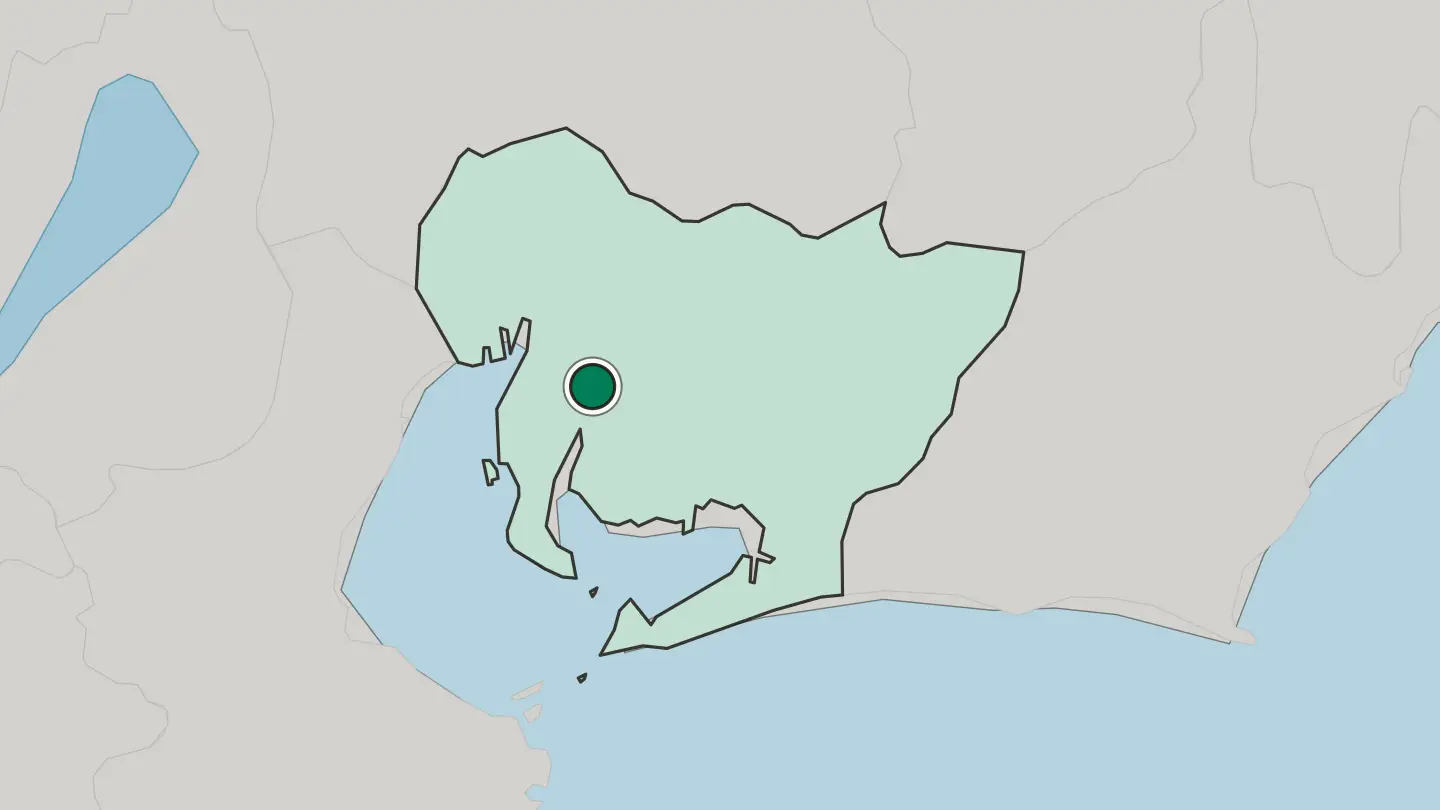
 Japan
Japan
Komaki
Komaki is a city in Aichi Prefecture, Japan, associated with the former Komaki Airport on its border with neighbouring Kasugai.Where to stay →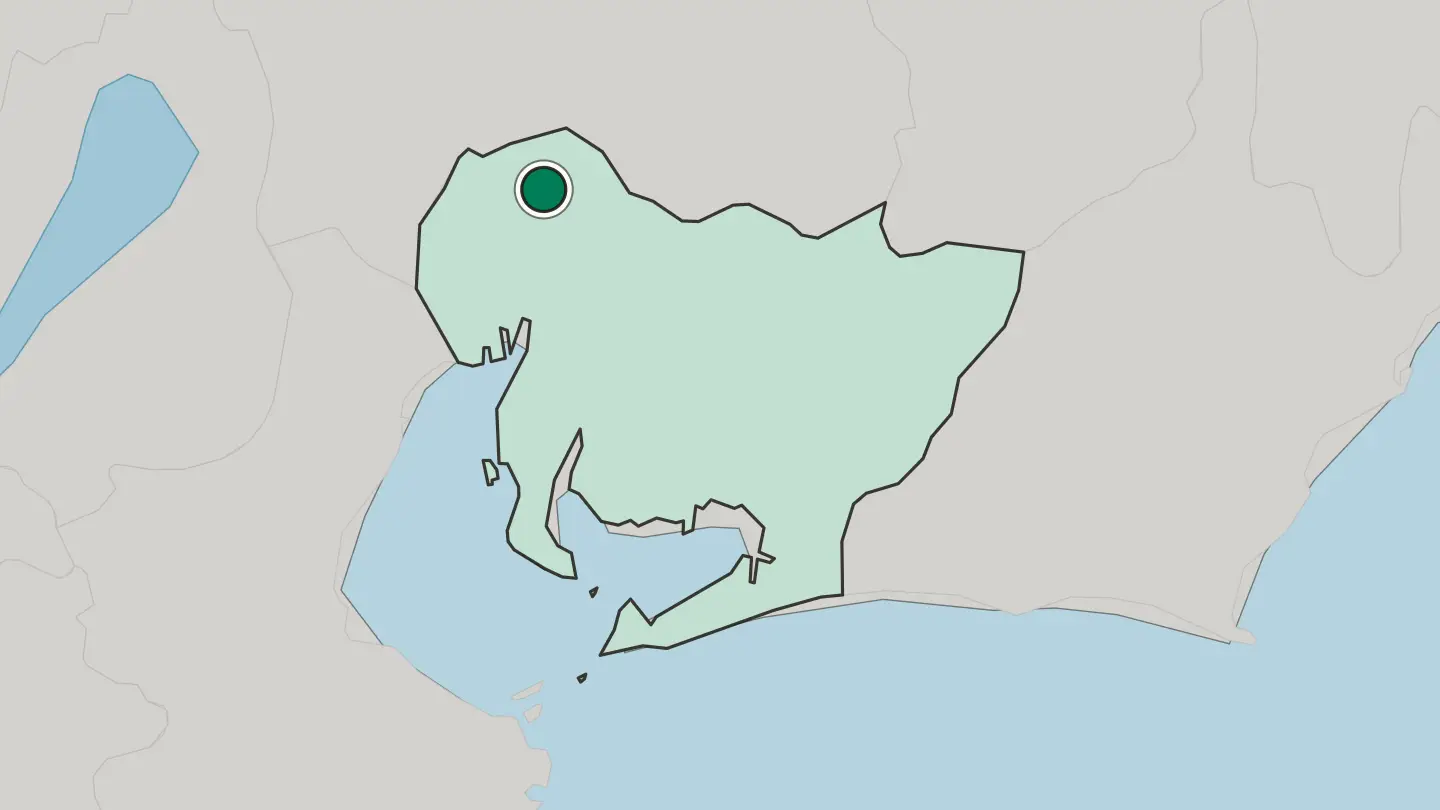
 Japan
Japan
Inazawa
Inazawa is a city of Aichi Prefecture in Japan, keeping the Inazawa City Oguiss Memorial Art Museum and Sobuenomori inside 79 square kilometres.Where to stay →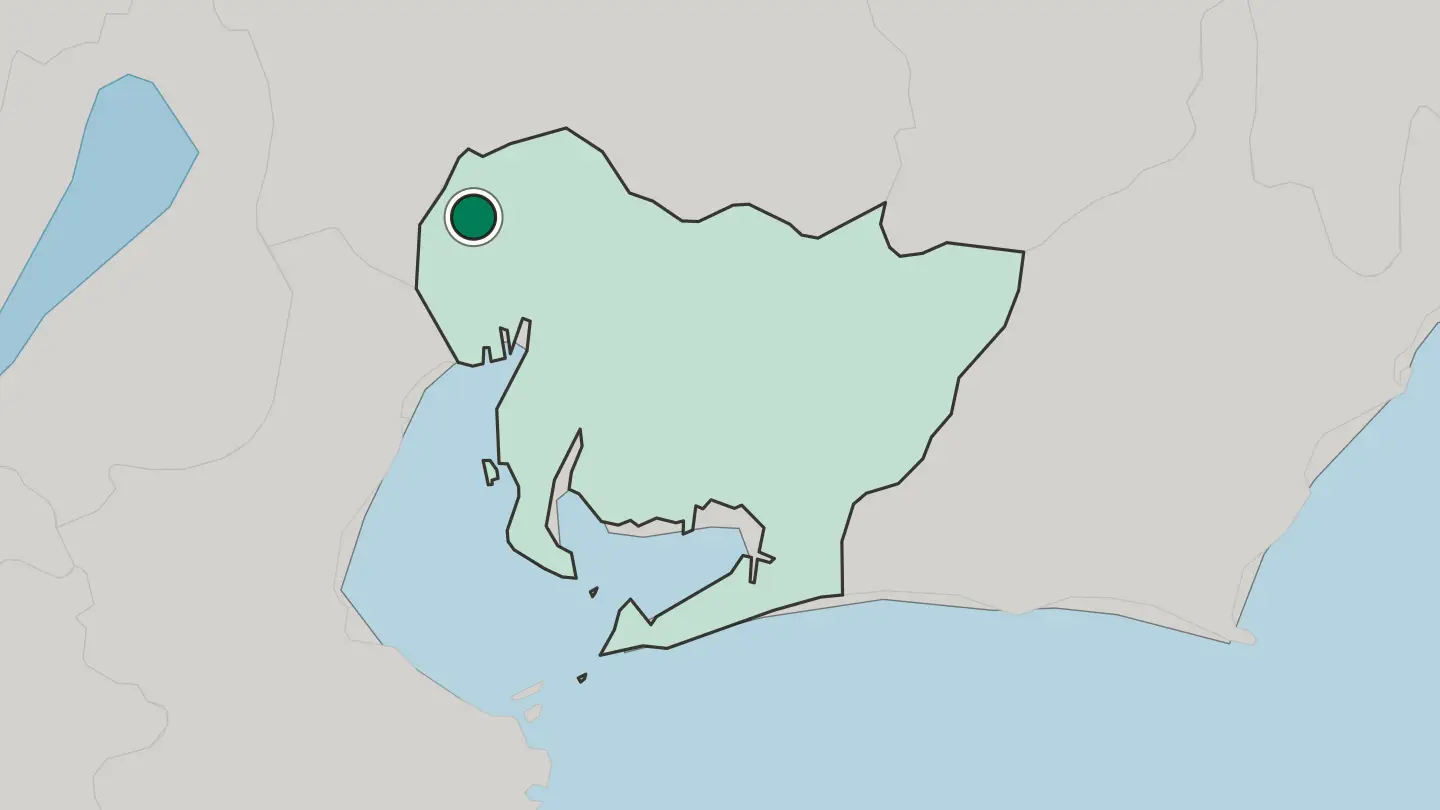
 Japan
Japan
Seto
Ceramics name this Aichi city. Seto keeps Setogura Museum, the Seto Blue and White Ceramics Center and The Maneki-Neko Museum.Where to stay →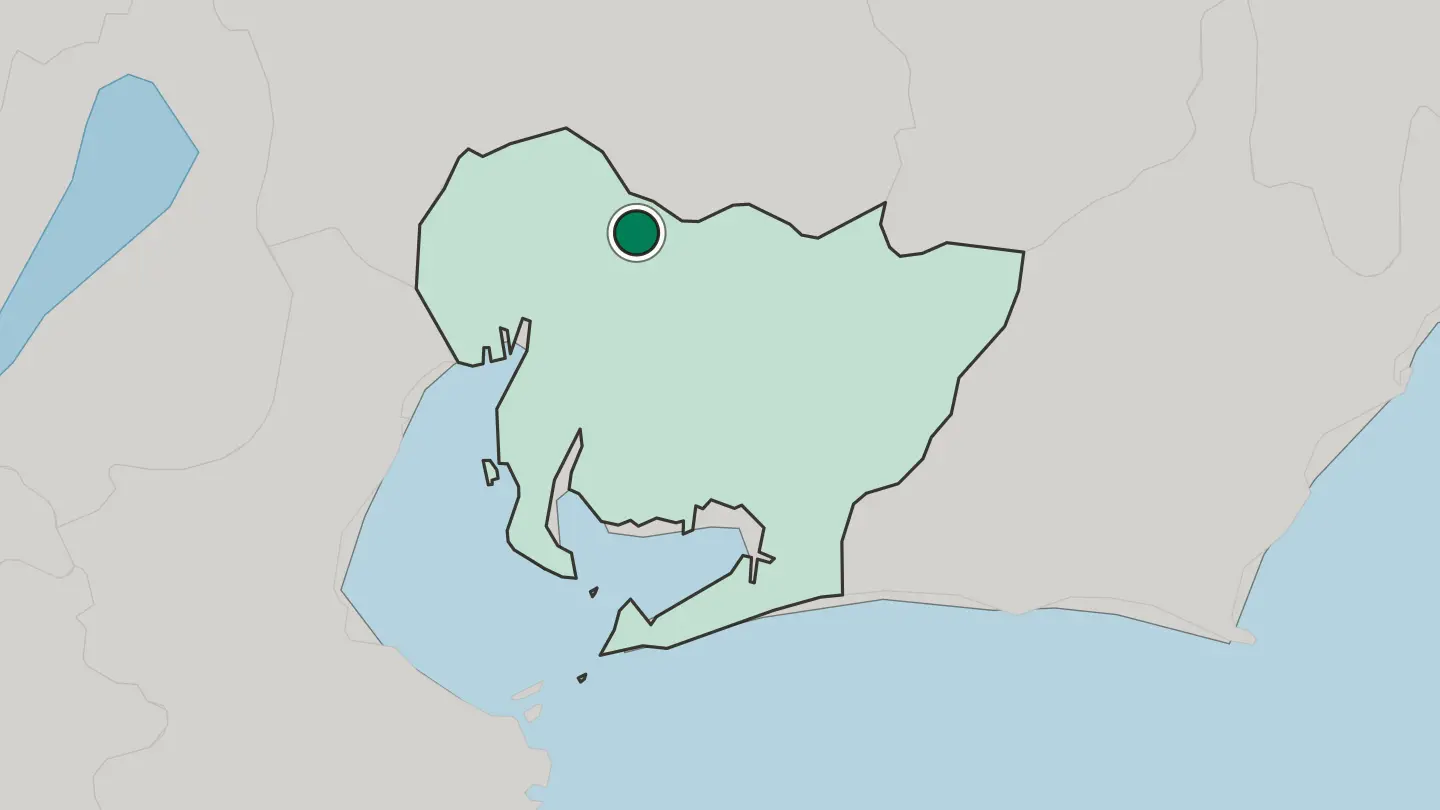
 Japan
Japan
Handa
Handa is a compact city in Aichi Prefecture, Japan, holding preserved brick industry, brewing collections and two family houses inside one municipality.Where to stay →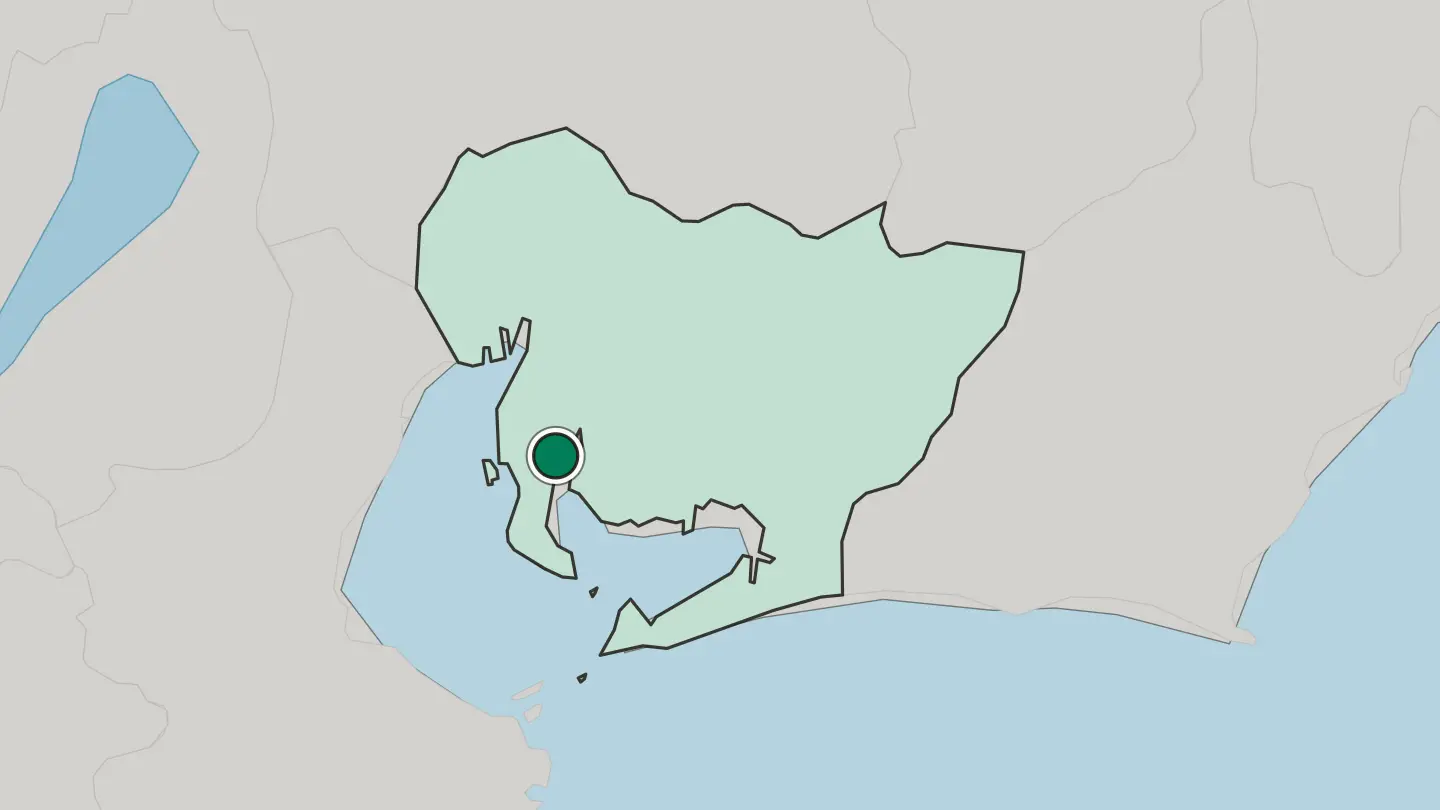
 Japan
Japan
Kōnan
Kōnan is a city in Aichi Prefecture, Japan, ringed by an unusually dense spread of museums, from Museum Meiji-mura to the Japan Monkey Centre.Where to stay →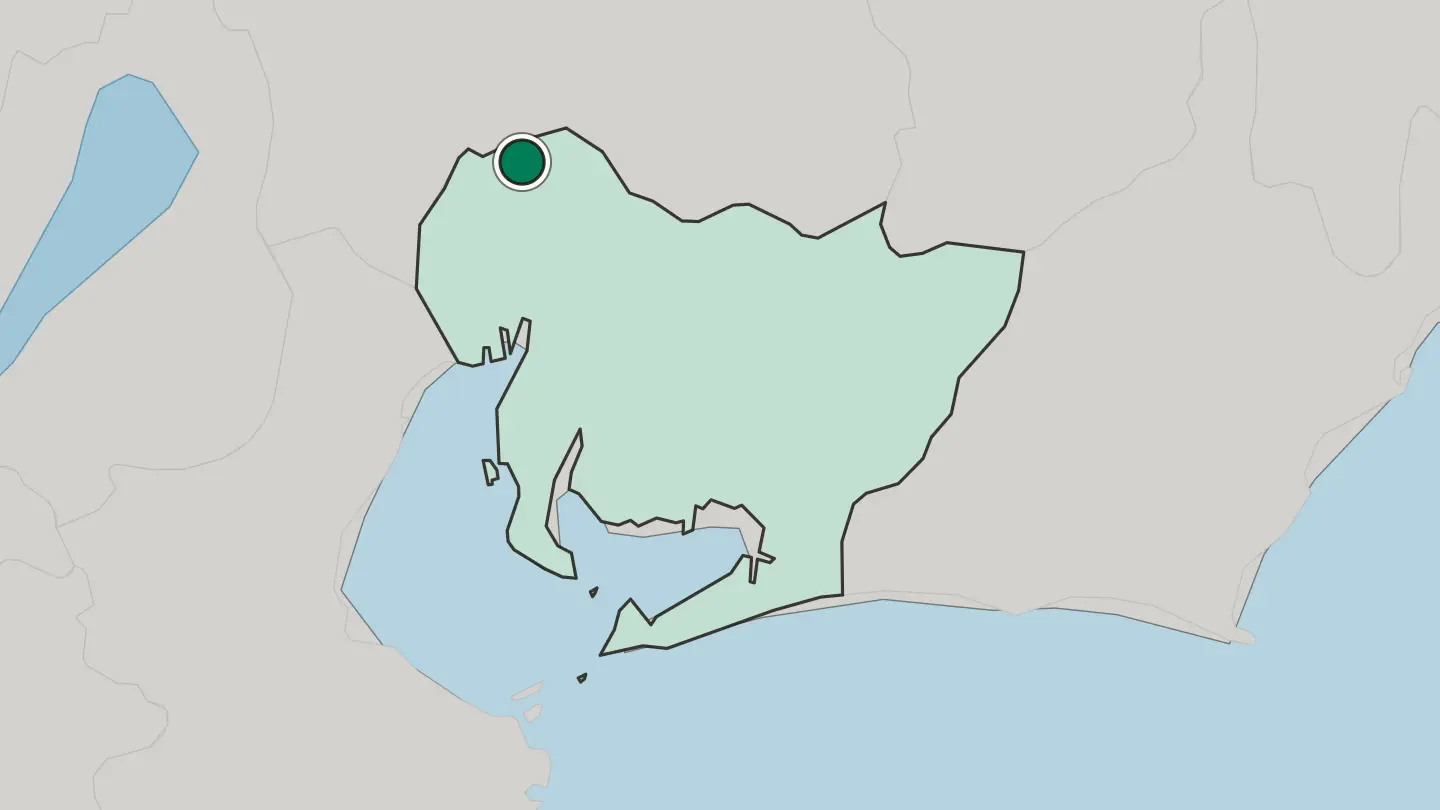
 Japan
Japan
Ōbu
Ōbu is a city in Aichi Prefecture, constituted in 1889 and a member of the World Health Organization's Alliance for Healthy Cities since 2000.Where to stay →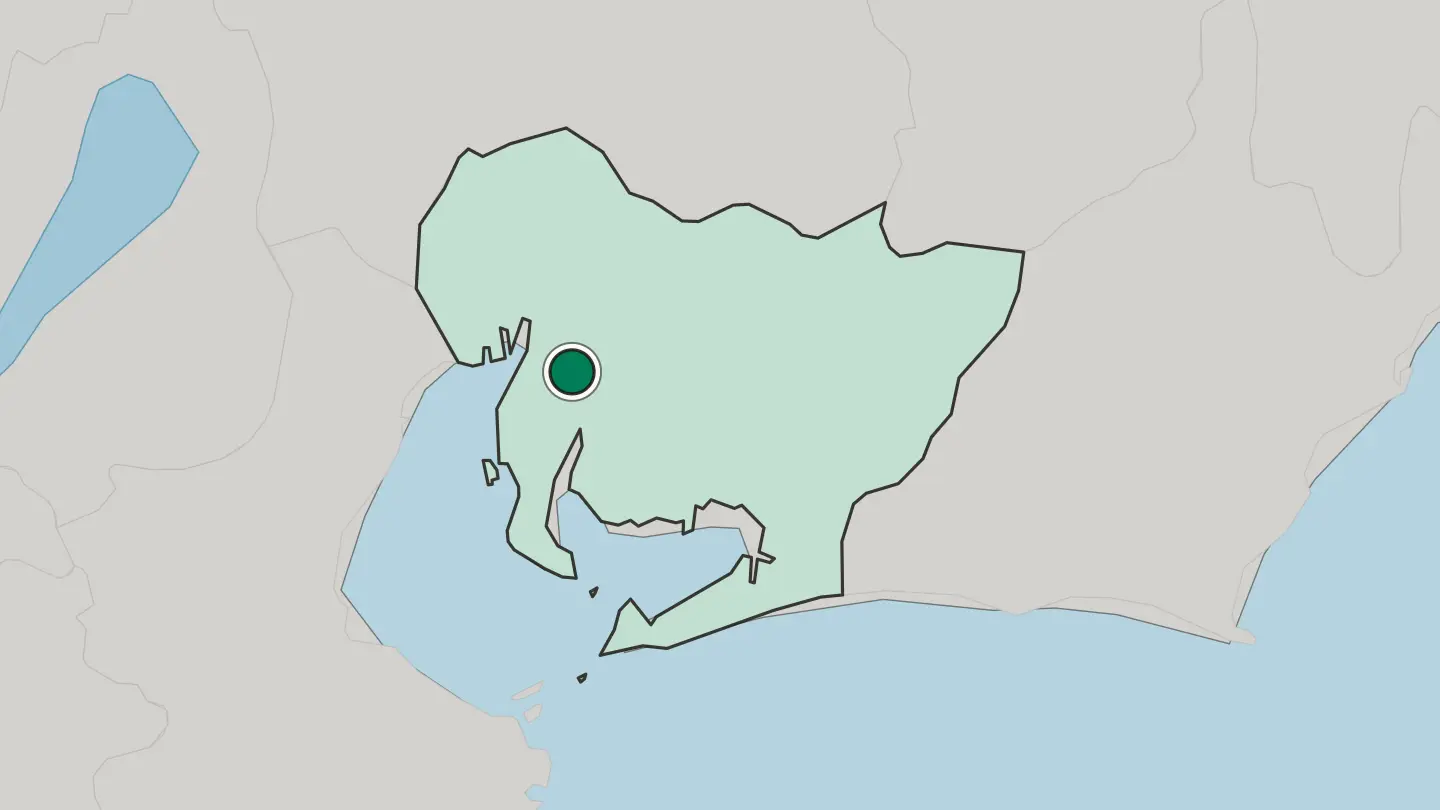
 Japan
Japan
Kitanagoya
Kitanagoya is a city in Aichi Prefecture, Japan, holding an excavated archaeological site and a museum of Showa-era daily life.Where to stay →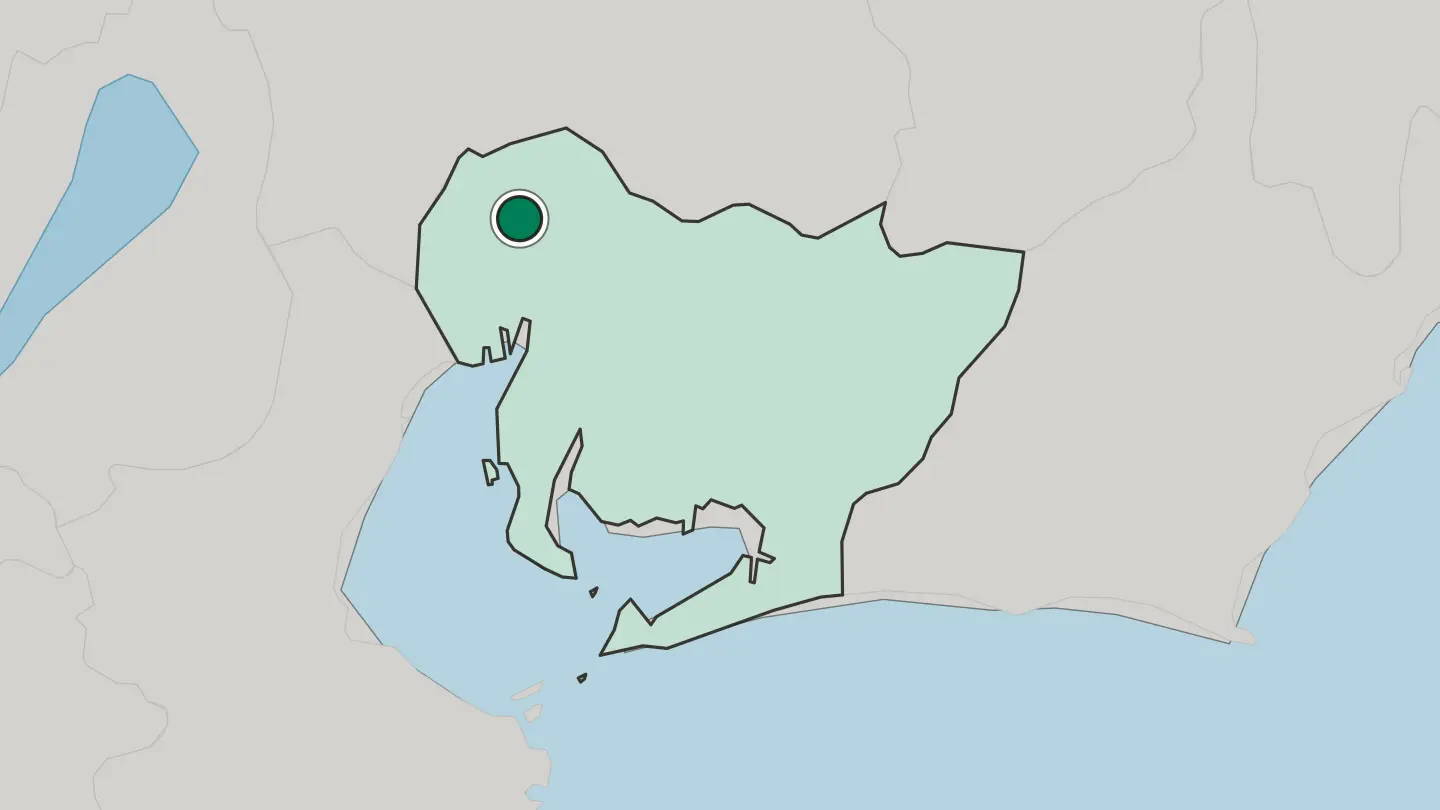
 Japan
Japan
Ama
Ama is an Aichi Prefecture city in Japan dating from 2010, with the Miwa, Jimokuji and Shippō names still on its museums.Where to stay →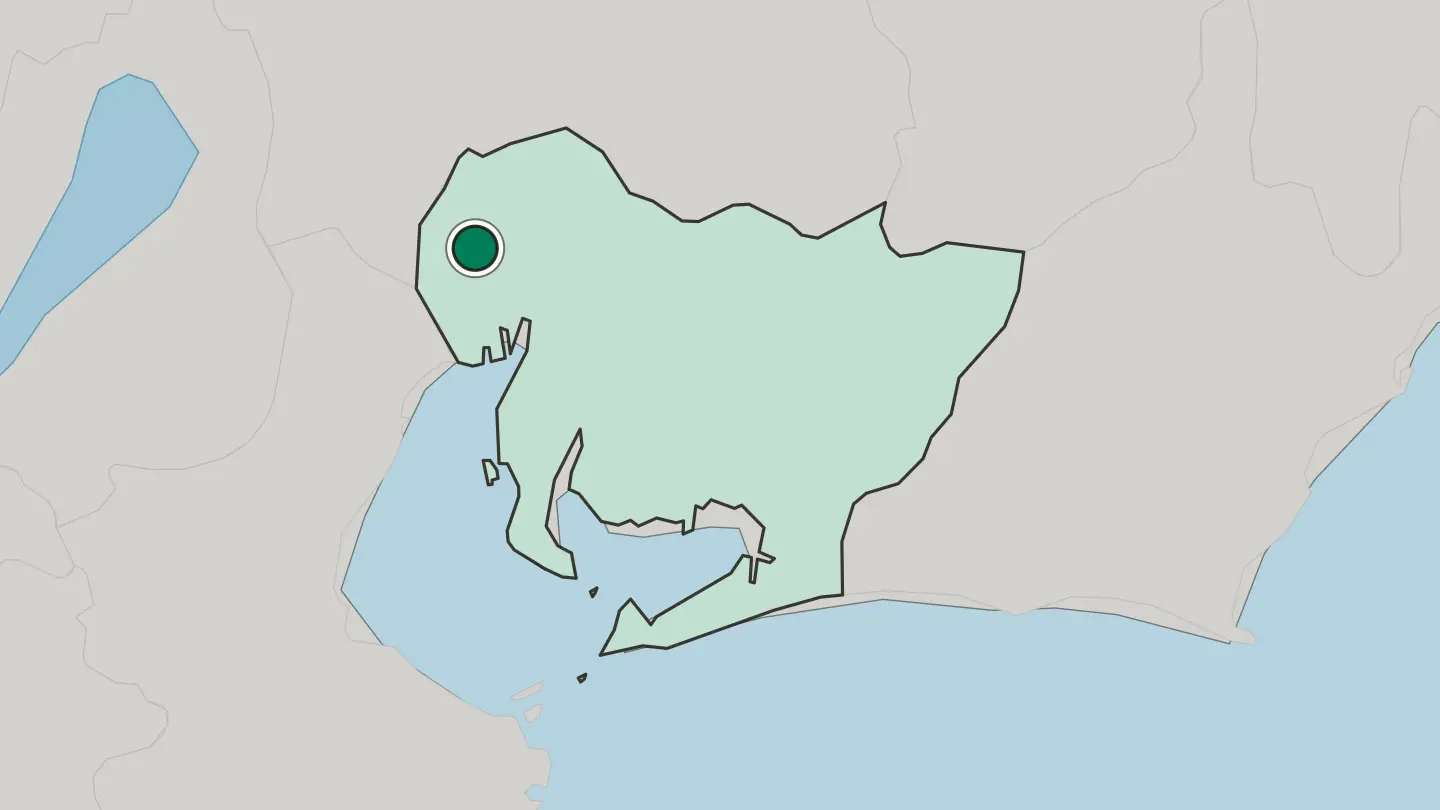
 Japan
Japan
Gamagōri
Gamagōri is a seaside city of Aichi Prefecture, where Takeshima carries an aquarium and a fantasy museum at the water's edge.Where to stay →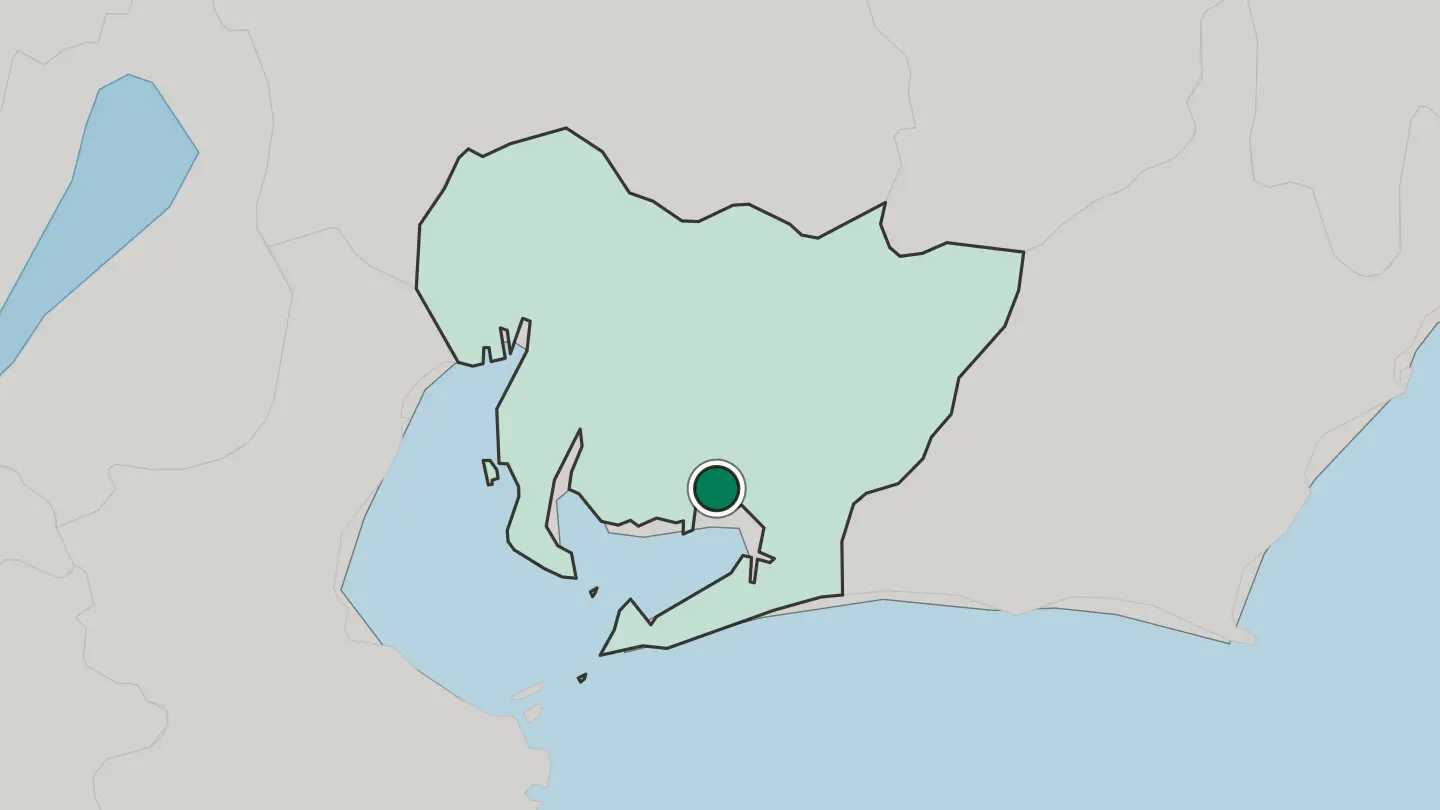 Japan
Japan
Hekinan
Hekinan is a coastal city in Aichi Prefecture, Japan, whose named sights run from a seaside aquarium to a contemporary art museum and a mirin house.Where to stay →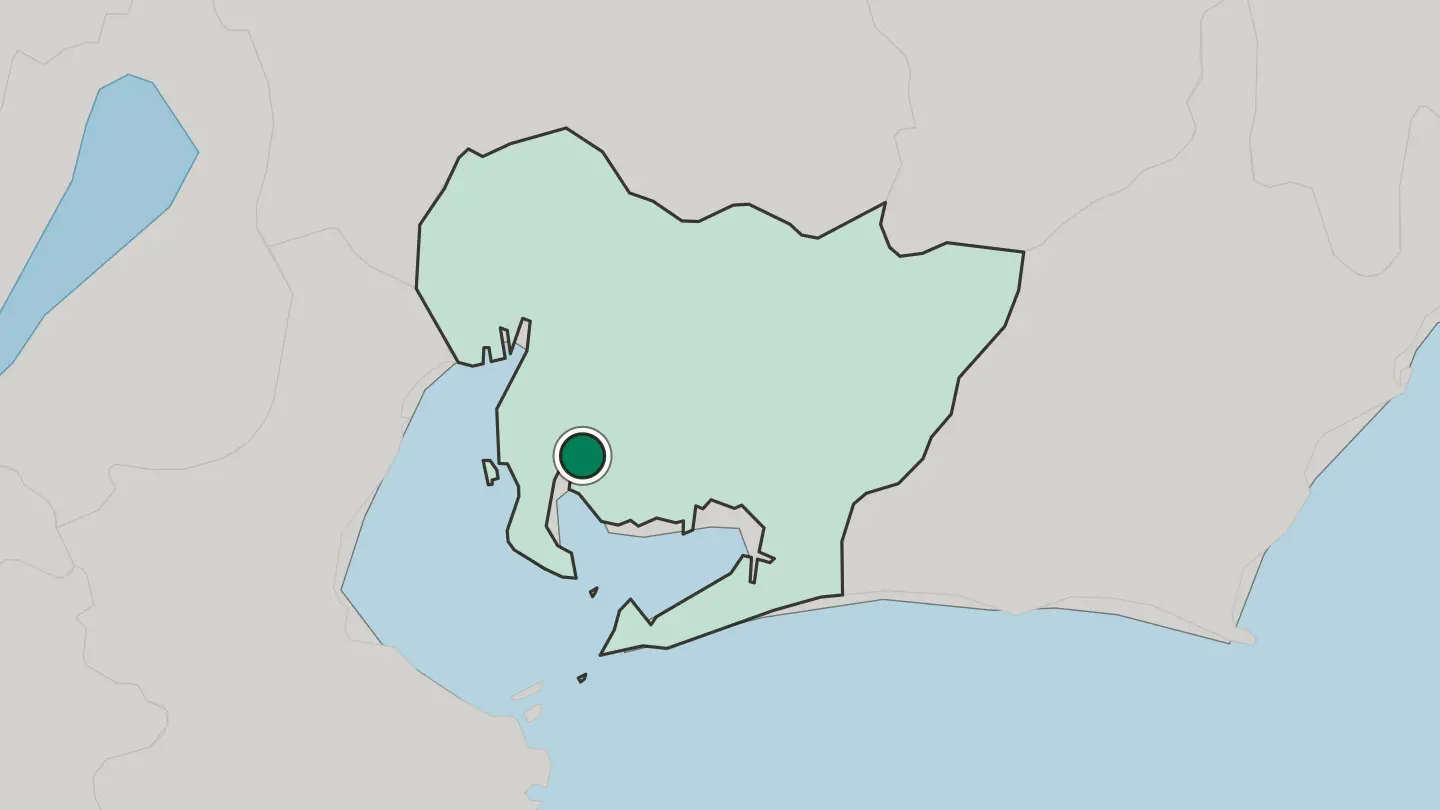 Japan
Japan
Chiryū
Chiryū Shrine anchors a compact Aichi Prefecture city in Japan, set inside the Nishimikawa region and its ring of museums.Where to stay →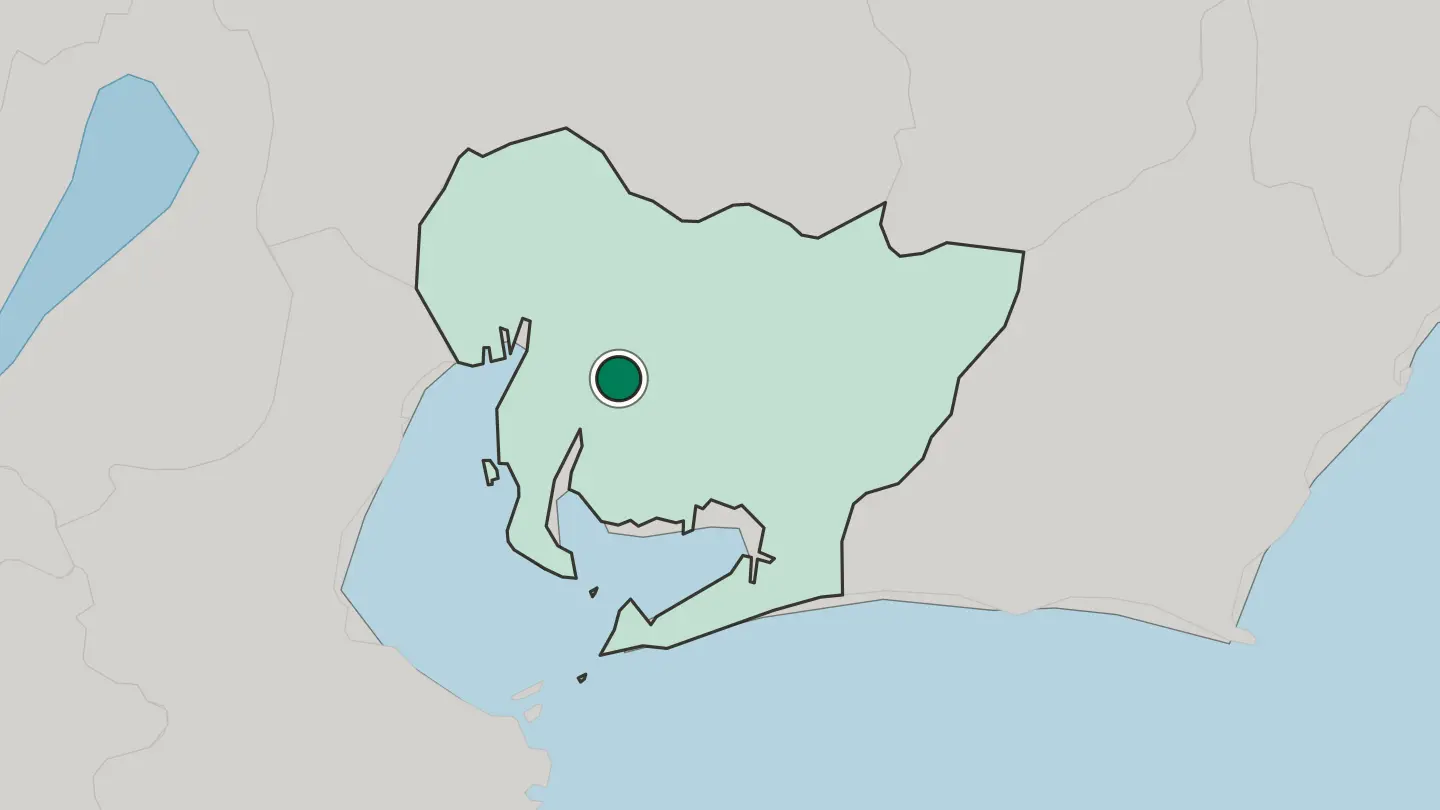
 Japan
Japan
Kiyosu
Kiyosu is a small city in Aichi Prefecture, Japan, with Nagoya's industrial museum and Noritake Garden inside its reach.Where to stay →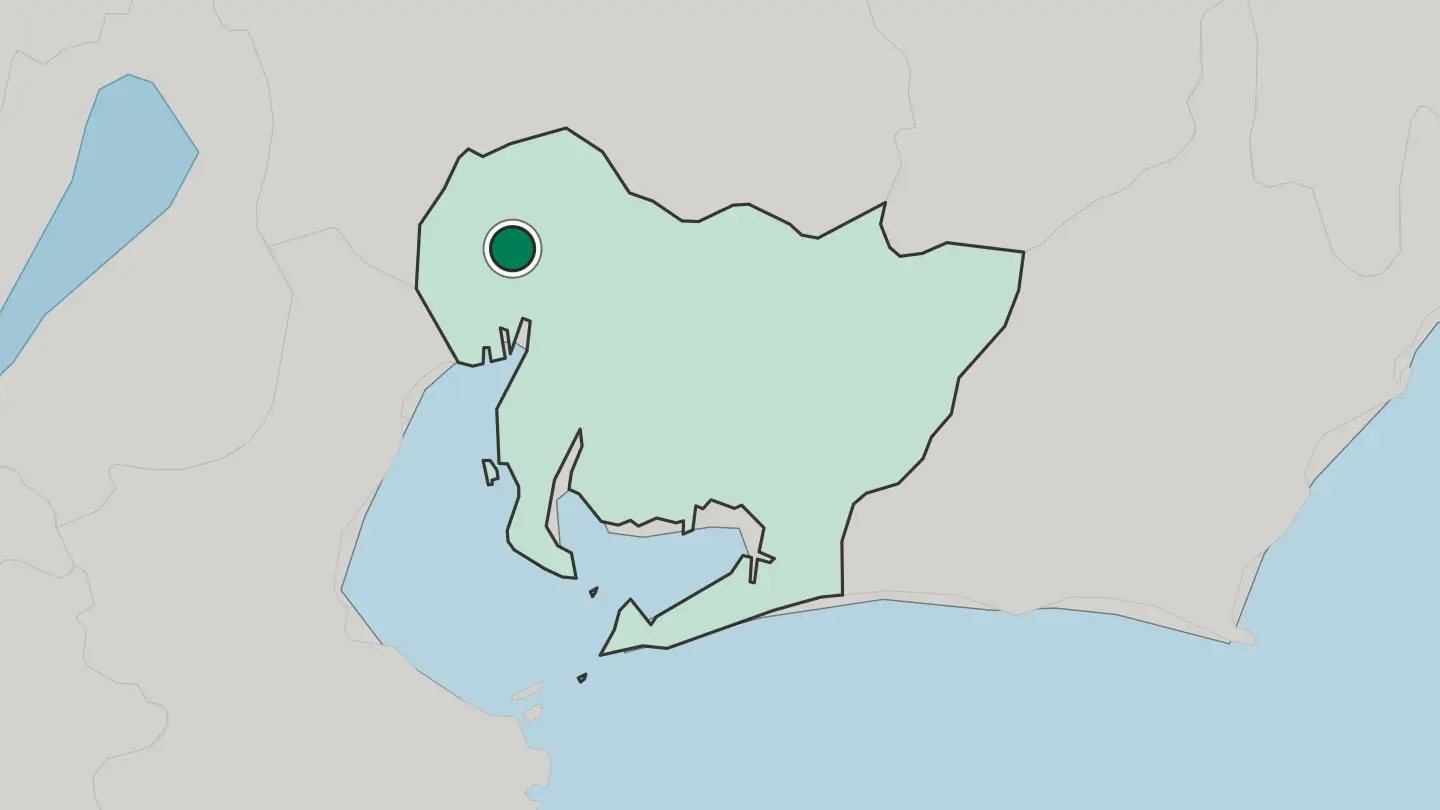
 Japan
Japan
Tahara
Tahara looks a long way back. The Aichi city holds the Yoshigo Shell Mound, Atsumi Kiln and the Ōarako Old Kiln ruins.Where to stay →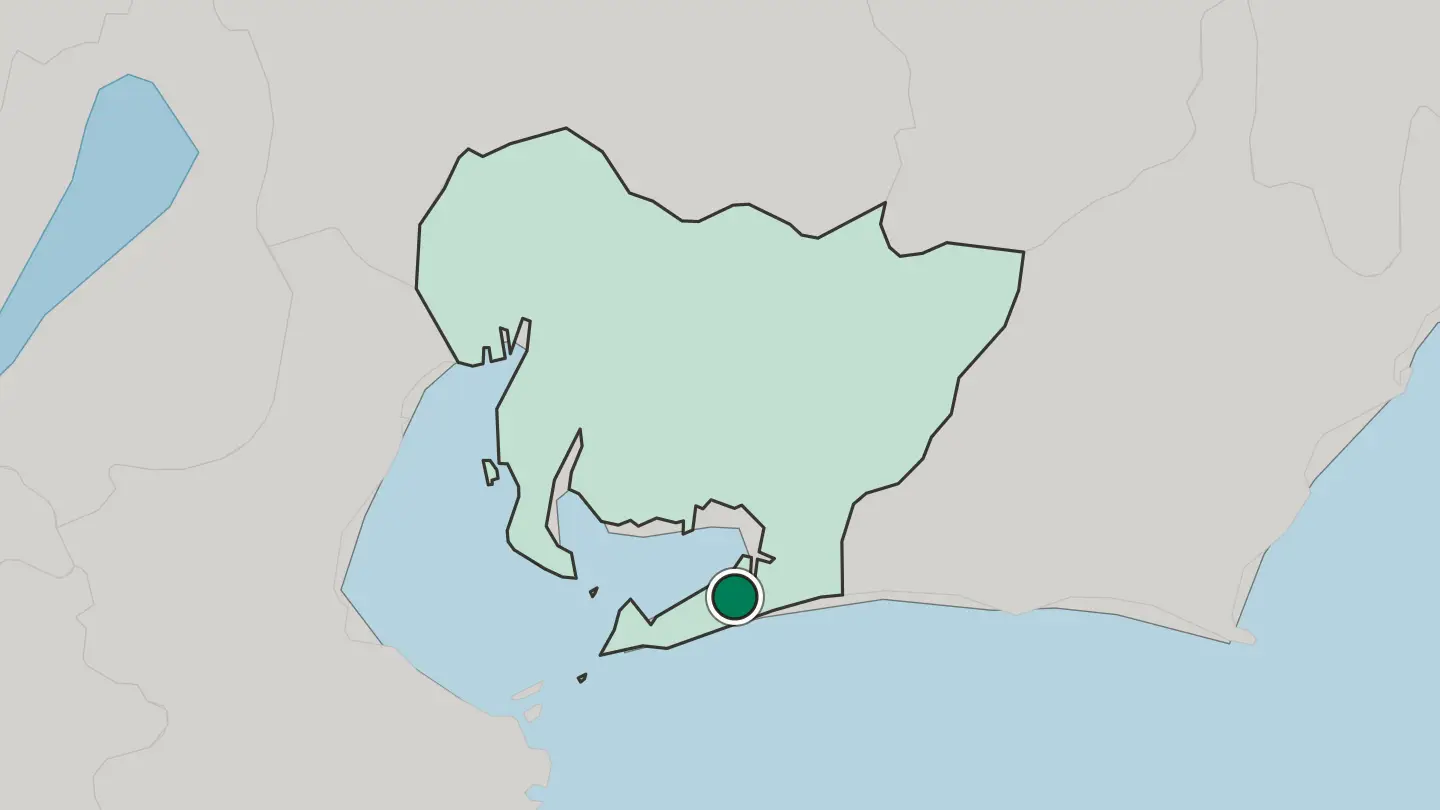
 Japan
Japan
Nagakute
Nagakute is a compact city of Aichi Prefecture holding Ghibli Park, the Toyota Automobile Museum and the Nagakute Historical Museum.Where to stay →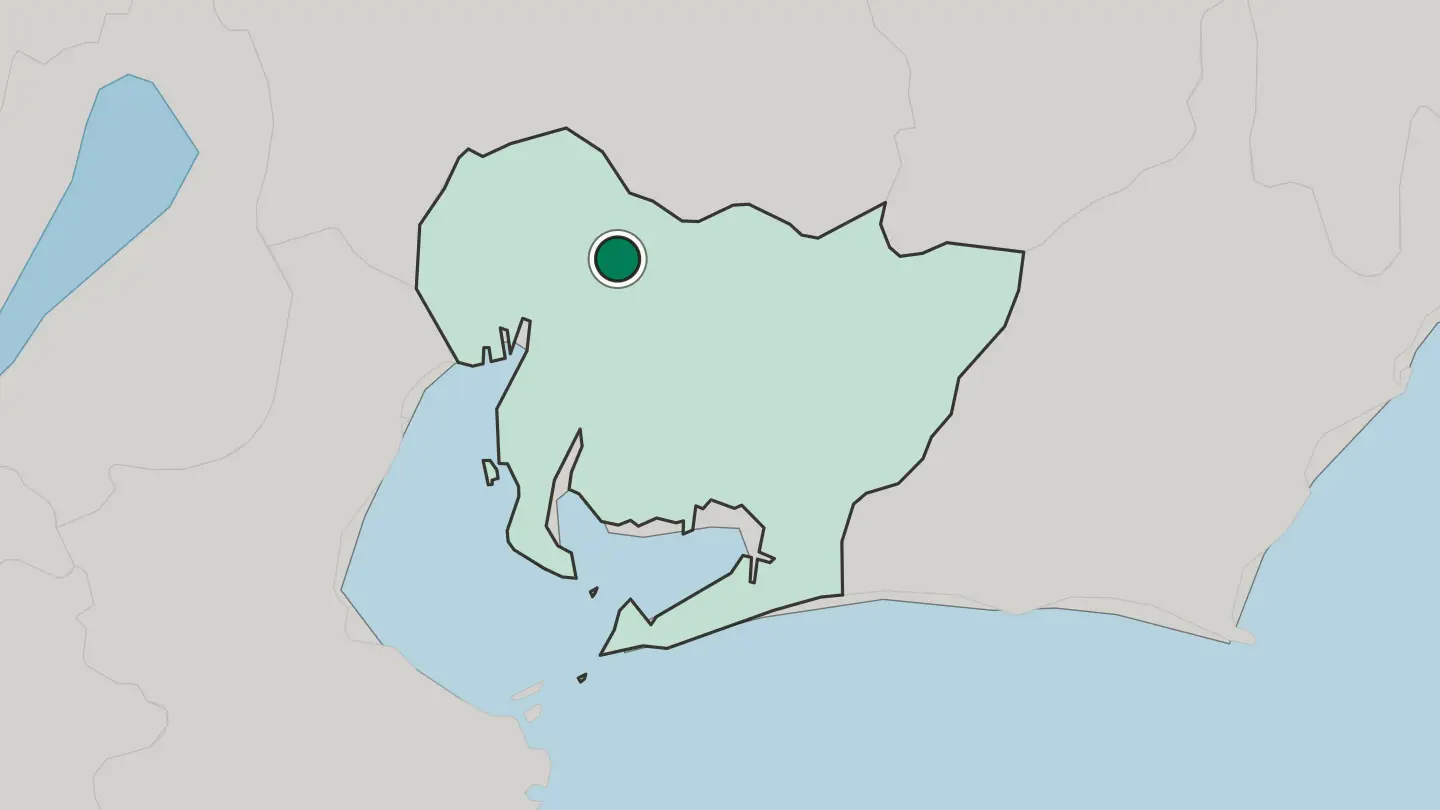
 Japan
Japan
Tokoname
Tokoname is a city in southern Aichi Prefecture, one of the Six Ancient Kilns of Japan and the site of Chubu Centrair International Airport.Where to stay →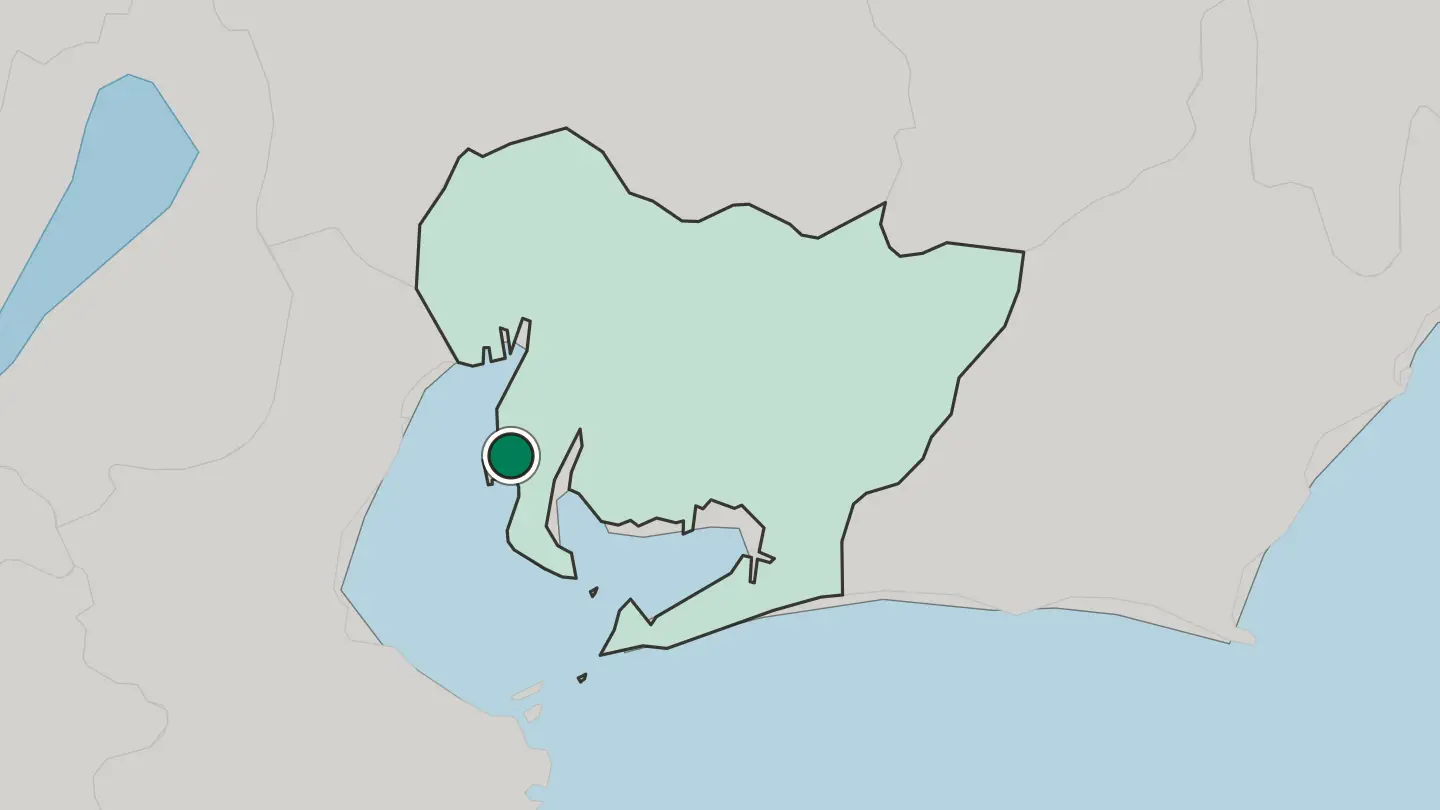
Hotel links are affiliate links: booking through them may earn us a commission, at no extra cost to you. It never affects how places are ranked. How this works
About Aichi-ken
What is Aichi-ken known for?
Aichi is known as Japan's manufacturing engine and its samurai cradle. Nagoya anchors it. The prefecture fills the Nōbi Plain on the Pacific coast of central Honshu, in the Chūbu region, and its factories around the city of Toyota turned a family loom business into one of the world's great car industries.
Three warlords who unified Japan, Oda Nobunaga, Toyotomi Hideyoshi and Tokugawa Ieyasu, were all born on this ground. Castles and car plants share the same plain.
Where is Aichi-ken?
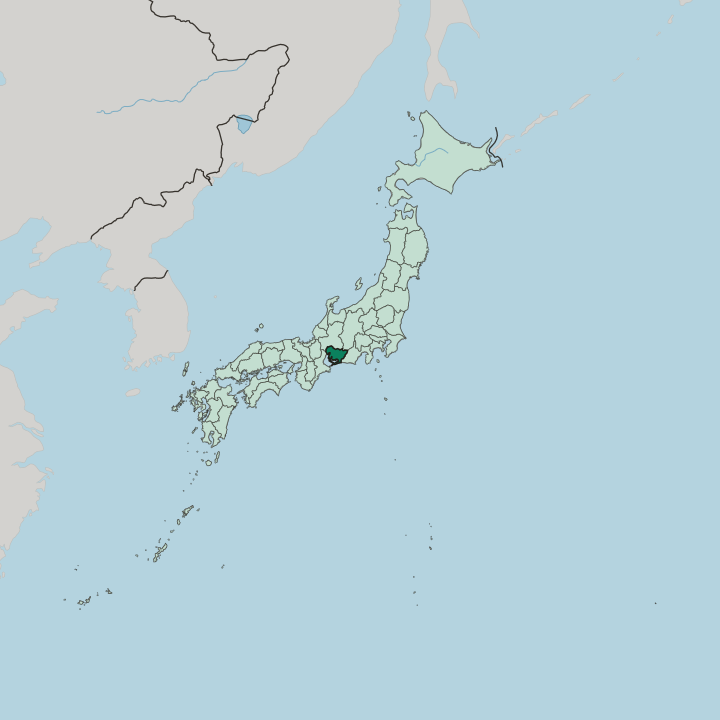
Aichi sits in the middle of Honshu, on the Pacific side of the Chūbu region, wrapped around two bays. Ise Bay opens to the west and Mikawa Bay to the east. The prefecture fills much of the Nōbi Plain, the second-largest lowland in Japan, laid down by the Kiso River and its neighbours as they spill toward the sea.
Nagoya stands at the head of Ise Bay, where the flat delta gives way to salt water. Two peninsulas frame the coast. The Chita Peninsula reaches south on the western side, closing off Ise Bay, and the Atsumi Peninsula curls around Mikawa Bay to the east, so the shoreline folds into sheltered water rather than facing the open Pacific head-on.
Inland the ground changes. Gifu Prefecture and Nagano Prefecture rise to the north, Shizuoka Prefecture lies east across the hills, and Mie Prefecture sits west beyond the bay. Western Aichi, the old province of Owari, is flat farmland and dense city on the plain. Eastern Aichi, the old Mikawa, climbs into wooded hills that stiffen toward the mountains.
The split is old and physical. Rivers, plain and two bays fix the shape of the prefecture far more than any drawn border does.
What is Aichi-ken like?
Aichi wears two faces, the warlord's and the engineer's. Its samurai past is the older one. The three men who pulled a fractured Japan back into one state, Oda Nobunaga, Toyotomi Hideyoshi and Tokugawa Ieyasu, were all born on this soil, and their castles still stand at Nagoya and Okazaki.
Nagoya Castle carries a pair of golden shachihoko, tiger-headed carp, along its main keep. Atsuta Shrine, in the south of Nagoya, guards the Kusanagi sword, one of the three sacred regalia of the imperial house. Faith and swordcraft run deep here.
The other face is industrial. This is the workshop of Japan, the plain where a loom maker in the town of Toyota became a carmaker, and where the kilns of Seto and Tokoname have fired pottery for centuries. The table shows the same practical streak.
Nagoya cooks its own dishes, hitsumabushi of grilled eel over rice and pork cutlet under the dark red Hatchō miso brewed at Okazaki, plain food built to fill working people. Japanese is the language throughout. Castle, shrine, kiln and factory sit within an hour of one another, and the prefecture holds them without treating any as a museum piece.
What is the history of Aichi-ken?
Aichi was assembled in 1872 from two old provinces, Owari in the west and Mikawa in the east. Both had outsized histories. In 1560 Oda Nobunaga broke a far larger invading army at the Battle of Okehazama near present-day Nagoya, the victory that launched the wars of unification.
Tokugawa Ieyasu, born at Okazaki, finished them and took the country. He ordered Nagoya Castle raised in 1610 as the seat of a branch of his house, the Owari Tokugawa, and the castle town grew into the city that anchors the prefecture.
What is the climate of Aichi-ken?
Aichi has a humid subtropical climate, and its summers are the defining season. They are hot and close. Warm, wet air pools over the Nōbi Plain and the two bays through July and August, and the rainy front of early summer, the tsuyu, soaks the prefecture before the heat sets in hard.
Typhoons can track up the Pacific coast in late summer. Winters run cool and much drier, with dry days blowing down off the mountains toward Gifu Prefecture, and snow staying mostly on the eastern hills of Mikawa rather than the plain.
How do you get to Aichi-ken?
Most visitors reach Aichi through Nagoya. Two doors open onto it. Chubu Centrair International Airport sits on a man-made island in Ise Bay off Tokoname, handling the flights, while the Tōkaidō Shinkansen runs east-west through Nagoya Station and links the prefecture to Tokyo and Osaka in a couple of hours.
A fast Meitetsu train, the μ-Sky, ties the airport to Nagoya Station in under half an hour. From there the local Meitetsu and subway lines fan out across the Nōbi Plain to Okazaki, Toyota and the Chita and Atsumi peninsulas.
Common questions
What is the best area to stay in Aichi-ken?
Nagoya: a first base in Aichi. Sakae: Nagoya's nightlife and shopping. The Chita Peninsula: the airport and the pottery towns. The Mikawa country: castles and car towns.
Good for
More regions in Japan
Updated September 2026