Japan · Aichi-ken
Where to Stay in Nagoya, Aichi-ken
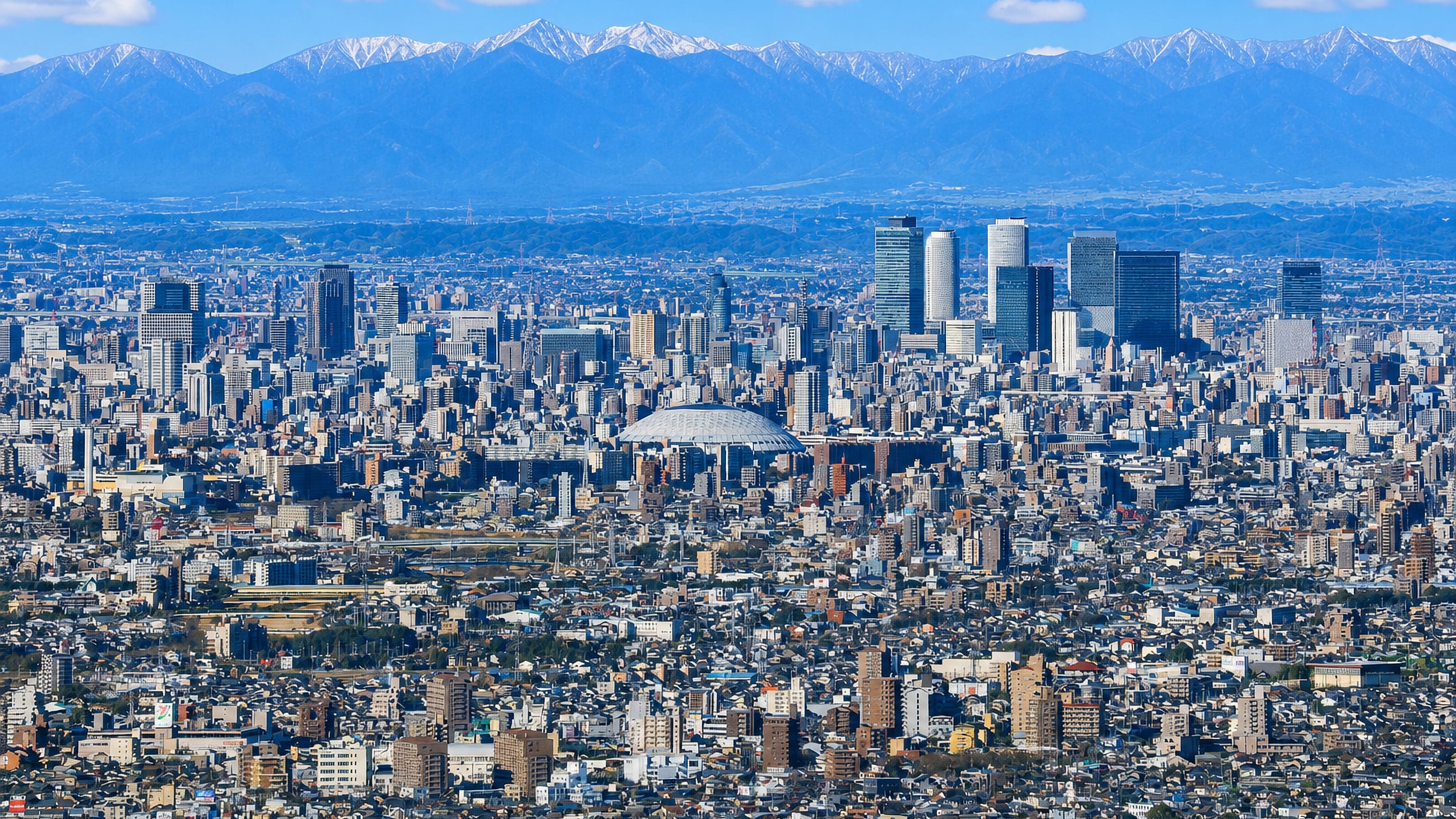
Cranes work the harbour at Nagoya, capital of Aichi Prefecture on the Pacific coast of central Honshu, known for Nagoya Castle and the Port of Nagoya.
Hotel links are affiliate links: booking through them may earn us a commission, at no extra cost to you. It never affects how places are ranked. How this works


Where to stay in Nagoya
One neighbourhood here has its own guide — here's what it is best for.
 NagoyaJapan
Haruta
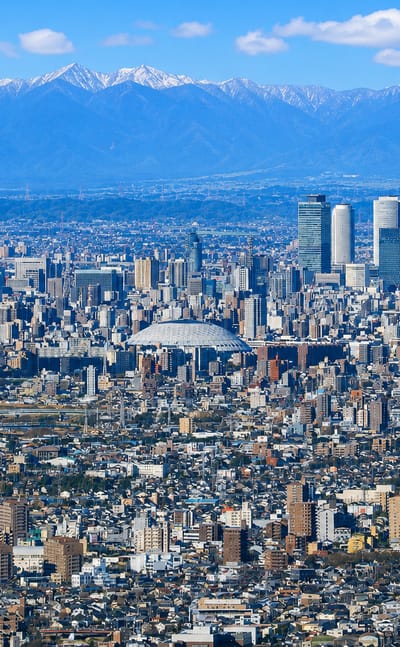
Haruta is a district of Nakagawa-ku in western Nagoya, Aichi Prefecture, lying between the Shinkawa and the Toda River. Haruta Station opened in 2001.Where to stay →Hotel links are affiliate links: booking through them may earn us a commission, at no extra cost to you. It never affects how places are ranked. How this works
Find hotels in Nagoya
Direct booking searches for these neighbourhoods.
Castle centre
The moat and grounds of Nagoya Castle set the pace of the central quarter, with museums a short reach away.Find hotels in Castle centreShrine visits and the harbour roadAtsuta and the southern approach
The cedar grounds of Atsuta Shrine and the road down to the Port of Nagoya define the southern stay.Find hotels in Atsuta and the southern approachArt and science days on footMuseum belt
The Tokugawa Art Museum and Nagoya City Science Museum bracket a walkable belt of galleries and halls.Find hotels in Museum beltHotel links are affiliate links: booking through them may earn us a commission, at no extra cost to you. It never affects how places are ranked. How this works
Things to do in Nagoya
Ranked by global recognition; descriptions from Wikidata (CC0).
Museums & Galleries
3- Tokugawa Art Museum Heritage
- Noritake Garden
- Nagoya City Art Museum
Churches & Religious Sites
3- Catholic Chikaramachi Church
- Nagoya St. Mark's Church
- Kinjo Church
Castles & Historic Sites
1- Ishihara House (Nagoya)
Landmarks & Notable Places
3- Futabakan
- Cultural Path Shumokukan
- Kakehi House
worth knowingacross 4 categories in Nagoya
About Nagoya
What is Nagoya known for?
Nagoya is known as an industrial city on the Pacific coast, the largest in the Chubu region and the principal city of the Chukyo metropolitan area. Its seaport leads Japan. The restored Nagoya Castle and the ancient Atsuta Shrine anchor its heritage.
Car culture runs deep here, and the Toyota Commemorative Museum of Industry and Technology traces the region's engineering trade from looms to automobiles. Museum halls, a rebuilt keep, and a working nightlife give the city more than the bullet-train stopover its reputation suggests.
What are the main landmarks in Nagoya?
Nagoya Castle is the city's signature landmark, a reconstructed keep whose grounds hold the Japanese Nutmeg of Nagoya Castle among their old plantings. The ancient Atsuta Shrine stands to the south. The Tokugawa Art Museum keeps the domain's heirlooms, while the Nagoya City Art Museum and the Nagoya City Science Museum draw steady crowds.
Industry has its own halls here. The Toyota Commemorative Museum of Industry and Technology and Noritake Garden trace the looms, kilns, and engines that built the trade.
What is the history of Nagoya?
Nagoya took its modern shape when Nagoya Castle rose in 1616 under the Tokugawa house, drawing a castle town around the keep on the plains of central Honshu. The fortress became the seat of the Owari branch, one of the senior lines of the shogunal family, and the town grew as its administrative and commercial hub. Trade followed.
Merchants, artisans, and temple communities filled the streets below the walls. The far older Atsuta Shrine predates the castle by centuries and long anchored the area's religious life on the road south toward the sea. Over the Edo centuries the Tokugawa collection that now fills the Tokugawa Art Museum accumulated here, heirlooms of the ruling line.
Craft trades took root and endured. The looms and kilns that later fed Noritake Garden and the Toyota Commemorative Museum of Industry and Technology grew from this base, turning the castle town into an engineering city on the Pacific coast. Through it all the harbour that became the Port of Nagoya tied the Chubu region to the sea lanes.
Where is Nagoya?
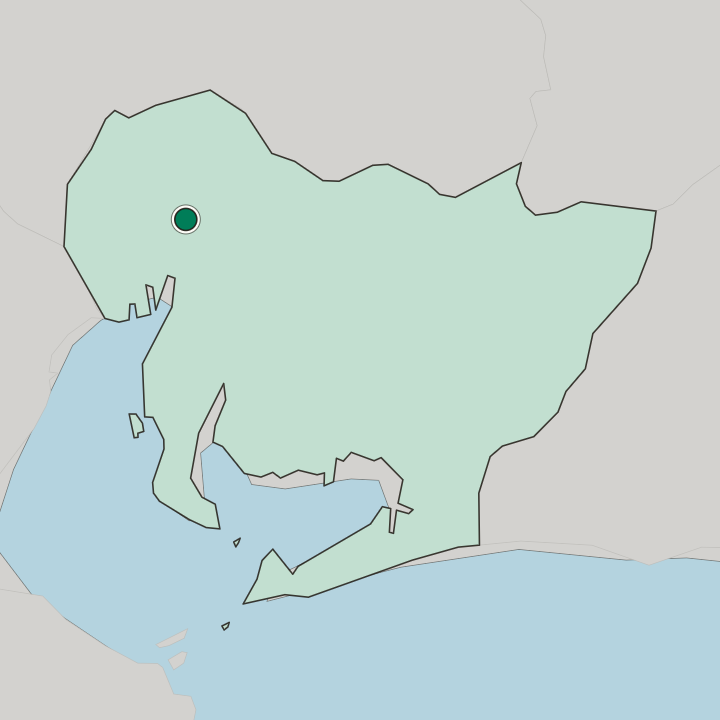
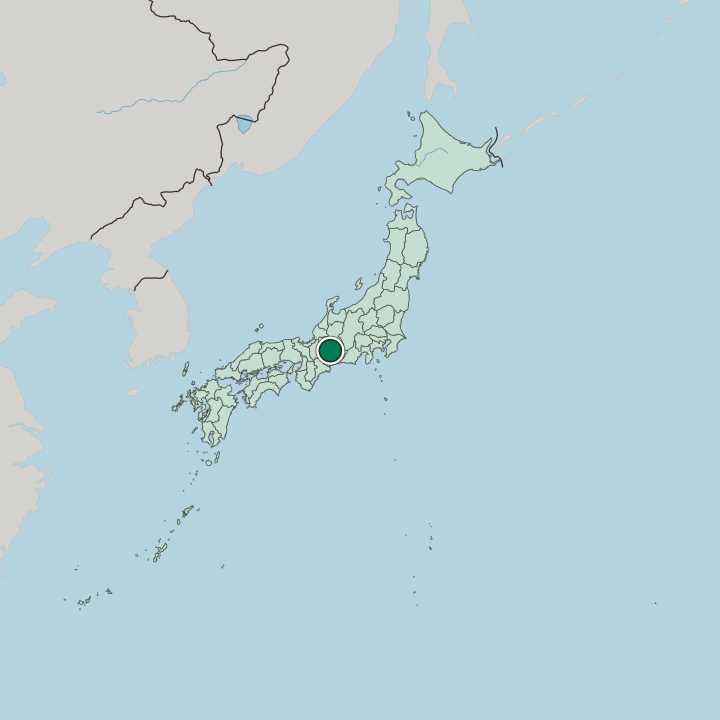
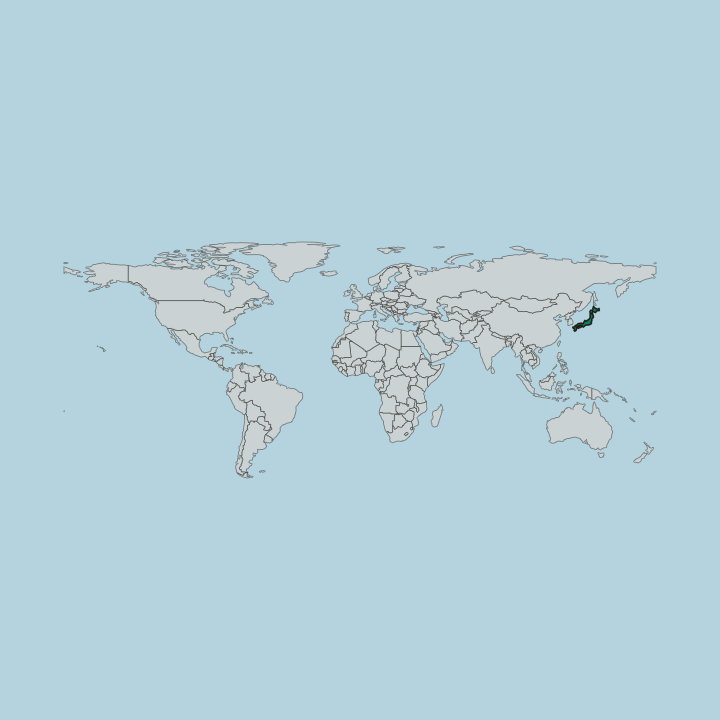
Nagoya sits on the Pacific coast of central Honshu, the largest city of the Chubu region and the capital of Aichi Prefecture. The city spreads across a broad coastal plain that runs down to the sea, where the Port of Nagoya opens onto the Pacific as the largest seaport in Japan. It forms the core of the Chukyo metropolitan area.
Low ground and river flats shape the built-up area rather than hills.
What is the climate of Nagoya?
Nagoya has a humid temperate climate shaped by its position on the Pacific coast of central Honshu. Summers turn hot and sticky. The rainy season and the late-summer typhoon months bring the heaviest downpours, and warm sea air off the Pacific keeps humidity high well into autumn.
Winters stay comparatively mild for Honshu, with cold snaps but little of the deep snow that settles across the ranges inland from the Chubu region.
How do you get to Nagoya?
Nagoya sits on the main bullet-train line through central Honshu, the standard stop between Tokyo and Kyoto for travellers crossing the country. Fast trains call here through the day. The harbour reach carries freight through the Port of Nagoya, the largest seaport in Japan, tying the Chubu region to sea lanes across the Pacific coast.
Local rail, subway, and road links fan out from the central stations to the castle grounds, the museum belt, and Atsuta Shrine.
Common questions
What is the best area to stay in Nagoya?
Castle centre: First stay near the reconstructed keep. Atsuta and the southern approach: Shrine visits and the harbour road. Museum belt: Art and science days on foot.
Good for
More cities in Aichi-ken
Updated September 2026