Japan · Aichi-ken
Where to Stay in Seto, Aichi-ken
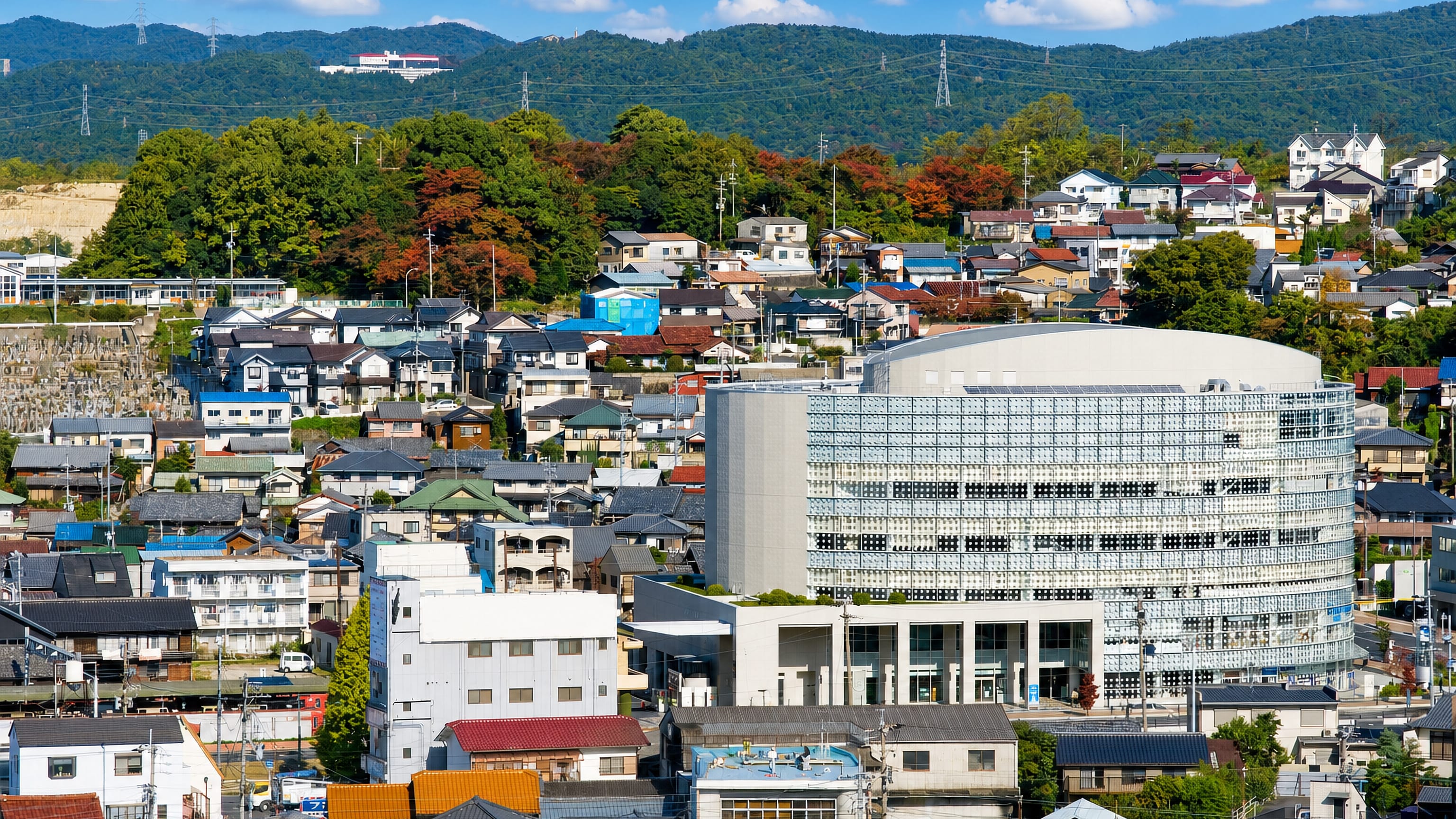
Ceramics name this Aichi city. Seto keeps Setogura Museum, the Seto Blue and White Ceramics Center and The Maneki-Neko Museum.
Hotel links are affiliate links: booking through them may earn us a commission, at no extra cost to you. It never affects how places are ranked. How this works


Where to stay in Seto
How the choice of base plays out on the ground.
Setogura Museum and the two ceramics centres sit close enough to decide this for most visitors. A bed near them puts the Seto Blue and White Ceramics Center, the Seto Ceramics and Glass Art Center and the city's own collection within an ordinary morning's walk, which is the difference between a day of clay and a day of transport. Rooms are not abundant.
Setogura Museum keeps the record of the trade itself, and a visitor who starts there reads the finished pieces in the two centres differently afterwards. Book the ceramics side early, because Seto is a working city rather than a resort and the supply of beds reflects that more than it reflects demand. The Maneki-Neko Museum argues for a different corner.
Anyone who came for the beckoning cats rather than for tableware will want that collection and the Seto City Art Museum on the same short circuit, since the two have less to do with kilns than the rest of the city does. Aichi Prefecture makes the outer option possible. Roughly 112 square kilometres carry the Seto name, and a room out in that open ground means driving in each morning, which suits travellers pairing the city with other stops in the prefecture and content to treat the museums as a single outing.
Find hotels in Seto
Direct booking searches for these neighbourhoods.
Around Setogura
The older streets of Seto, where Setogura Museum sets out the trade before the finished work is seen elsewhere.Find hotels in Around Setogurawalking the Seto Blue and White Ceramics Center and the Seto Ceramics and Glass Art Center in one goBy the two ceramics centres
The stretch of Seto where blue-and-white work and glass are held in neighbouring buildings.Find hotels in By the two ceramics centresa stay built around the beckoning cats of The Maneki-Neko MuseumNear the Maneki-Neko Museum
The corner of Seto given over to moulded cats rather than tableware, with the Seto City Art Museum within reach. Few places to stay nearby — book ahead.Find hotels in Near the Maneki-Neko Museumdrivers content to commute into the Seto kiln streets each morningThe outer municipality
Open ground beyond the museum group, where the roughly 112 square kilometres of Seto stop being street. Beds are limited here, so book early.Find hotels in The outer municipalityHotel links are affiliate links: booking through them may earn us a commission, at no extra cost to you. It never affects how places are ranked. How this works
About Seto
Clay is the whole story.
What is Seto known for?
Five collections in the city answer to it in different ways, from the blue-and-white tradition to the glass that arrived beside it, and a visitor with a single day will still not exhaust them. Setogura Museum holds the ground floor of the subject. The Seto Blue and White Ceramics Center and the Seto Ceramics and Glass Art Center split the craft between them.
The Maneki-Neko Museum takes the beckoning cat, a figure moulded here in quantity, and the Seto City Art Museum widens the frame beyond pottery altogether.
What are the main landmarks in Seto?
Five entries, four of them clay. The Seto Blue and White Ceramics Center takes the blue-and-white line on its own, while the Seto Ceramics and Glass Art Center sets pottery beside glass and treats the two as neighbouring crafts rather than rivals. Setogura Museum tells the city's side.
The Maneki-Neko Museum is the odd one, given over entirely to the beckoning cat, and the Seto City Art Museum is the only collection here that does not begin with a kiln.
What is the history of Seto?
Seto was constituted in 1889, and that municipal date is the firmest fixed point the record offers. Clay predates it by a long way. The city's identification with ceramics is old enough that the craft, rather than any charter or castle, is what the name carries in Japan, and the collections here exist to hold that continuity instead of commemorating a single event.
Setogura Museum is where the city keeps its own account. What followed the founding shows in the shape of the institutions. The Seto Blue and White Ceramics Center treats one tradition as worth a building of its own, and the Seto Ceramics and Glass Art Center adds glass to the older subject, which is the kind of pairing a working craft town makes only once its trade is secure enough to widen.
The Maneki-Neko Museum records a second line entirely, the beckoning cat produced here in quantity for the rest of the country. Cats and tableware share the same kilns. Seto City Art Museum came last in spirit if not in fact, since a municipal art collection is what a place builds after its industry has stopped needing any defence.
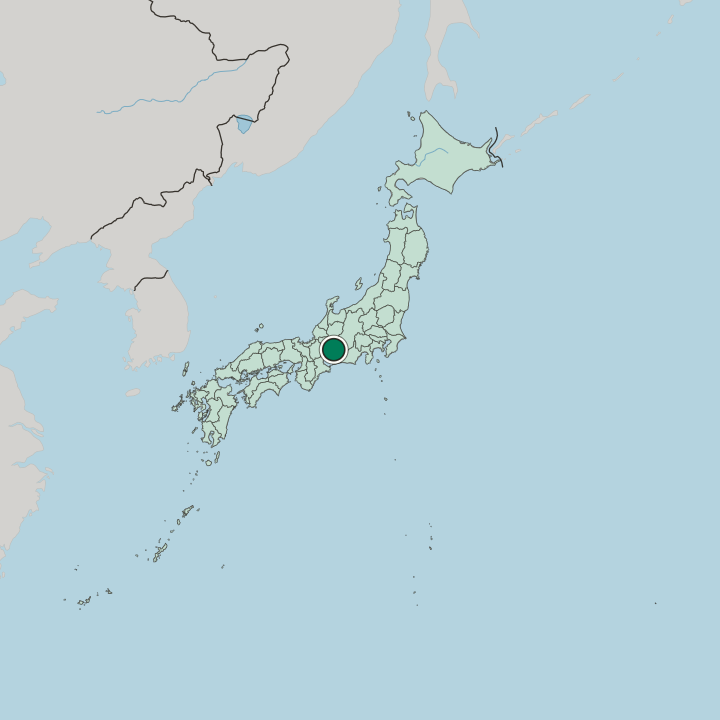
Aichi Prefecture holds the whole of it.
Where is Seto?
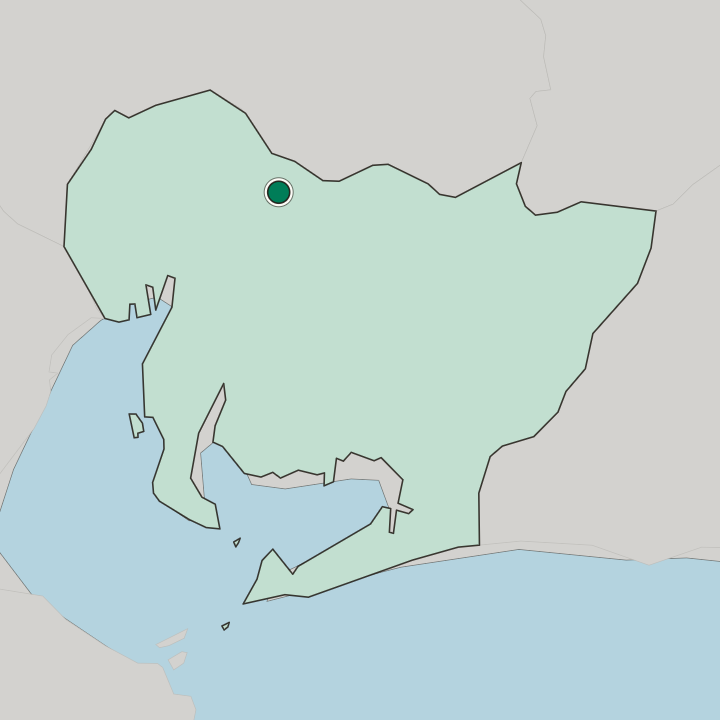
About 112 square kilometres of Aichi Prefecture answer to this one name, which is far more ground than the museum streets in the middle of it suggest. The built core is small. Setogura Museum, the Seto Blue and White Ceramics Center and the Seto Ceramics and Glass Art Center sit close enough to each other to be walked in a morning, while the rest of the municipality is open ground that holds no collections at all.
What is the climate of Seto?
Every one of the five collections is indoors, which makes weather a scheduling detail here rather than a constraint on what can be seen. Seasons are temperate. A wet week costs a visitor nothing at the Seto Blue and White Ceramics Center or the Seto Ceramics and Glass Art Center, and The Maneki-Neko Museum is if anything better on a grey afternoon than on a bright one.
Only the walk between them is exposed.
How do you get to Seto?
Approaches run overland through Aichi Prefecture, and a visitor arriving without a car will find the ceramics collections close enough together that the lack of one hardly registers once the day begins. Come for the cluster. Setogura Museum, the Seto Blue and White Ceramics Center and the Seto Ceramics and Glass Art Center form a compact group, while The Maneki-Neko Museum and the Seto City Art Museum sit a little apart and reward being paired.
Common questions
What is the best area to stay in Seto?
Around Setogura: starting with the city's own account of its kilns at Setogura Museum. By the two ceramics centres: walking the Seto Blue and White Ceramics Center and the Seto Ceramics and Glass Art Center in one go. Near the Maneki-Neko Museum: a stay built around the beckoning cats of The Maneki-Neko Museum. The outer municipality: drivers content to commute into the Seto kiln streets each morning.
Good for
More cities in Aichi-ken
Updated September 2026