Japan · Aichi-ken
Where to Stay in Chiryū, Aichi-ken
Chiryū Shrine anchors a compact Aichi Prefecture city in Japan, set inside the Nishimikawa region and its ring of museums.
Hotel links are affiliate links: booking through them may earn us a commission, at no extra cost to you. It never affects how places are ranked. How this works


Where to stay in Chiryū
How the choice of base plays out on the ground.
Chiryū Shrine and the Chiryu City History and Folklore Museum are the two addresses inside the city itself, and almost everything else worth a visitor's time sits in the towns around it. That shapes the whole decision. Sixteen square kilometres is not much of a base, but it is a base inside the Nishimikawa region, which puts Kariya, Anjo, Takahama, Miyoshi and Okazaki all inside reach of one room.
Stay put and travel out. Cars are the regional theme. The Toyota Kaikan Museum, the Mitsubishi Auto Gallery and the Aisin Com-Center are all industry-facing, and a stay in Chiryū built around them will spend most of its days outside the city boundary and most of its nights inside it.
History runs the other way. If you would rather have the older material, the Iyeyasu and Mikawa Bushi Museum, the Anjo City Museum of History and the KARIYA city Museum of History cover it, while the Shingū ruins and Himeogawa Kofun are the two oldest names on the same list. Families have their own list.
The Hands-on Science Museum, Obu Municipal Baseball Stadium and the Aichi Health Plaza Comprehensive Health Science Center answer a different question from any of the museums. Book Chiryū, then travel out.
Find hotels in Chiryū
Direct booking searches for these neighbourhoods.
Around Chiryū Shrine
The only part of the city with landmarks of its own, where Chiryū Shrine and the Chiryu City History and Folklore Museum stand together. Rooms are few around here — worth securing early.Find hotels in Around Chiryū ShrineThe Kariya City Art Museum and the KARIYA city Museum of HistoryThe Kariya side
A room picked so the Kariya City Art Museum and the Kariya City Museum of Local History fall into one outing.Find hotels in The Kariya sideThe Toyota Kaikan Museum and the Mitsubishi Auto GalleryToward the Toyota Kaikan Museum
For the industrial version of the trip, taking the Toyota Kaikan Museum, the Mitsubishi Auto Gallery and the Aisin Com-Center in one sweep.Find hotels in Toward the Toyota Kaikan MuseumHotel links are affiliate links: booking through them may earn us a commission, at no extra cost to you. It never affects how places are ranked. How this works
Things to do in Chiryū
Ranked by global recognition; descriptions from Wikidata (CC0).
Museums & Galleries
3- Aichi Health Plaza Comprehensive Health Science Center
- Anjo City Museum of History
- Philosophy Experience Village Mugaen
Castles & Historic Sites
1- Shingū ruins
Stadiums & Sports
1- 大府市民球場
Landmarks & Notable Places
1- Ishikawa House (Miyoshi)
worth knowingacross 4 categories in Chiryū
About Chiryū
The shrine comes first.
What is Chiryū known for?
Chiryū Shrine is the fixed point, and the Chiryu City History and Folklore Museum keeps the record around it, with the Shingū ruins and Himeogawa Kofun older than either. Then the region takes over. Nishimikawa puts the Toyota Kaikan Museum, the Mitsubishi Auto Gallery and the Aisin Com-Center within an ordinary day of Chiryū, which is a concentration of industrial display unusual for so small a base.
Art travels the same distance: the Kariya City Art Museum, the Kamiya Museum of Art and Shiho Doll Art Museum.
What are the main landmarks in Chiryū?
Two dozen names sit within reach. Chiryū Shrine and the Chiryu City History and Folklore Museum carry the city's own name, and the rest of the list carries the names of its neighbours: Kariya, Anjo, Takahama, Miyoshi, Okazaki. The Kawara Museum/Library of Takahama City, a Hometown of Ceramics has the longest name on it, and the Philosophy Experience Village Mugaen has the strangest.
Old ground is scarcer. The Shingū ruins and Himeogawa Kofun are the two entries that predate every museum, while the Ishikawa House (Miyoshi) and Hatcho Miso no Sato Museum fall somewhere between the categories.
What is the history of Chiryū?
Himeogawa Kofun is the oldest name here. A kofun is a burial mound, so the ground in this part of Aichi Prefecture was in use long before any of the institutions that explain it, and the Shingū ruins say much the same. Chiryū Shrine came next.
A shrine is the kind of institution a settlement builds early, and Chiryū Shrine is still the fixed point that the city's name is attached to. The town came before the city. Chiryu-machi is the older municipal form, and Chiryū took city status in 1970.
The Chiryu City History and Folklore Museum holds what came before that, and the Iyeyasu and Mikawa Bushi Museum sets the wider Nishimikawa story alongside it. Then industry rewrote the region. The Toyota Kaikan Museum, the Mitsubishi Auto Gallery and the Aisin Com-Center are all corporate institutions rather than civic ones, and their presence within a day of so small a city is the clearest statement anywhere on this list about what Nishimikawa became.
Chiryū itself stayed small. Sixteen square kilometres is a modest stage for that, and the city's own record, Chiryū Shrine, the Chiryu City History and Folklore Museum, the Shingū ruins, reads short beside the regional one.
Where is Chiryū?
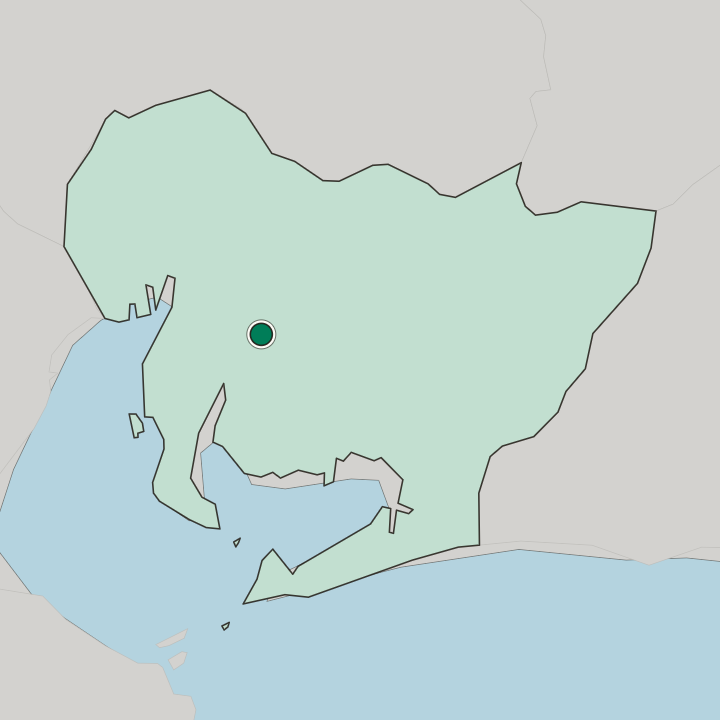
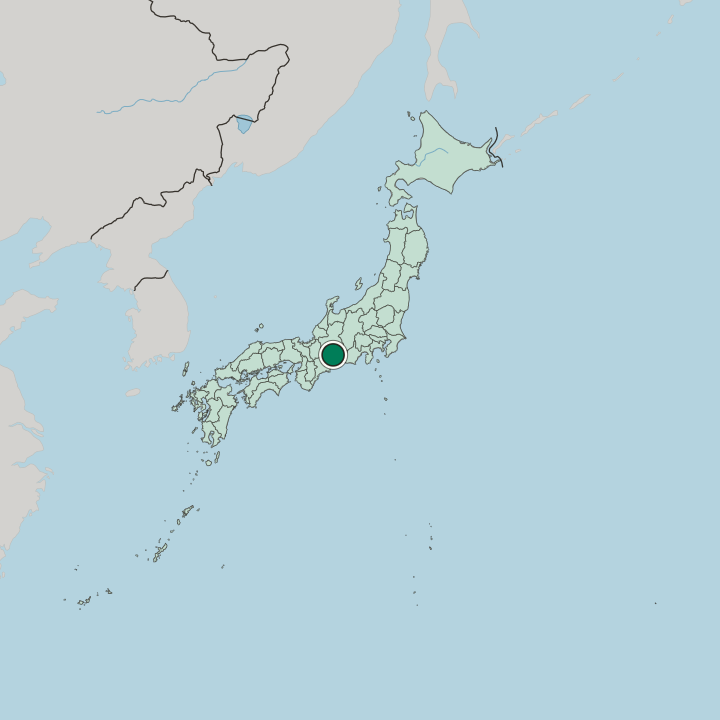
Chiryū is tiny. The boundary encloses about sixteen square kilometres of Aichi Prefecture, which is little more than the built-up part and Chiryū Shrine, with the rest of what a visitor wants lying outside it. Nishimikawa is the wider frame.
Chiryū belongs to that region of Aichi, and Kariya, Anjo, Takahama, Miyoshi and Okazaki are the names that come with it on any list of what to see from here. Temperate conditions hold throughout.
What is the climate of Chiryū?
Winter and summer both arrive properly in this part of Aichi Prefecture, which matters less here than it might, because so much of what Chiryū offers a visitor is indoors. The museums are the point. The Toyota Kaikan Museum, the Kariya City Art Museum, the Anjo City Museum of History and the Hands-on Science Museum all work in rain, and a regional itinerary built from them is close to weatherproof.
Chiryū Shrine is the outdoor half. Spring is the easy answer.
How do you get to Chiryū?
Aichi Prefecture is the wider frame for the journey in. Chiryū sits inside the Nishimikawa region, and getting here means getting into Aichi and then covering a very short last stretch, because sixteen square kilometres does not take long to enter. Getting out again is the real work.
The Toyota Kaikan Museum, the Okazaki Shinkin Bank Museum and the Miyoshi City History and Folklore Museum all belong to other towns, so a Chiryū itinerary is a sequence of day trips out and back. Nothing here needs two bases.
Common questions
What is the best area to stay in Chiryū?
Around Chiryū Shrine: Chiryū Shrine and the Chiryu City History and Folklore Museum. The Kariya side: The Kariya City Art Museum and the KARIYA city Museum of History. Toward the Toyota Kaikan Museum: The Toyota Kaikan Museum and the Mitsubishi Auto Gallery.
Good for
More cities in Aichi-ken
Updated October 2026