Japan · Aichi-ken
Where to Stay in Kitanagoya, Aichi-ken
Kitanagoya is a city in Aichi Prefecture, Japan, holding an excavated archaeological site and a museum of Showa-era daily life.
Hotel links are affiliate links: booking through them may earn us a commission, at no extra cost to you. It never affects how places are ranked. How this works


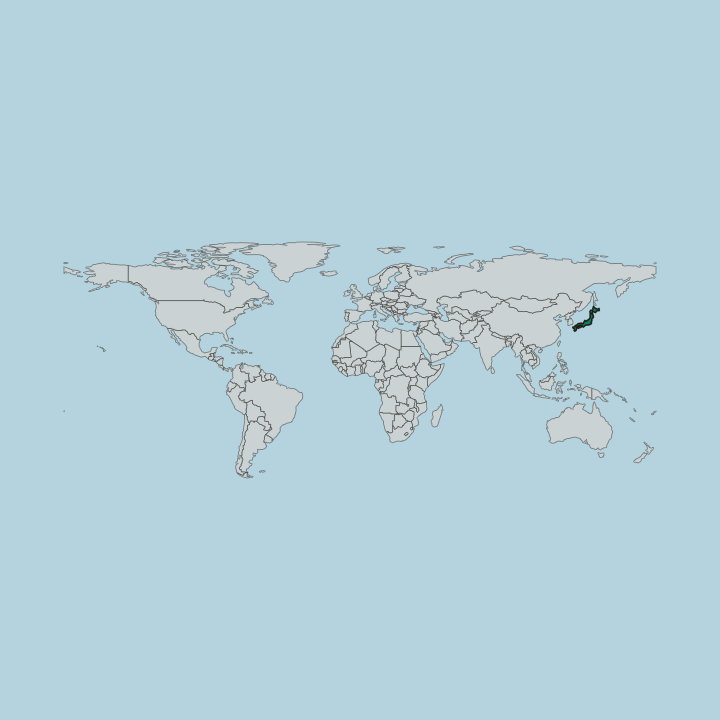
Where to stay in Kitanagoya
Where the beds are, and what that means for the visit.
Kitanagoya covers very little ground. That compactness decides most of the question, because a room anywhere inside the city keeps the Asahi Site, the Aichi Asahi Site Museum and The Showa Era Lifestyle Museum within a short reach. The archaeological quarter is the obvious anchor for anyone who came for the excavations, and staying near it means the interpretation centre opens a few minutes from the door.
It suits the archaeologically minded. The Kiyosu City Haruhi Art Museum points a stay in a different direction, and a base near it works for travellers who want galleries and a quieter street rather than a heritage trail. Rooms are scarce across so small a city.
Nagoya Grace Christ Church and the Former Kato House sit within the same walkable range, so the difference between one side of Kitanagoya and the other is measured in minutes. Its named sites are mostly older than the municipality that now lists them. One more building rewards the detour.
Kaigarayama Shell Mound Exchange Hall stands alongside the Asahi Site as the second of the city's designated heritage points, and it sits close enough to the rest that no separate base is needed.
Find hotels in Kitanagoya
Direct booking searches for these neighbourhoods.
Around the Asahi Site
The Asahi Site and the Aichi Asahi Site Museum stand together, so the ground and the reading of it share one morning.Find hotels in Around the Asahi Sitegallery days on a quieter street than the heritage trailThe Kiyosu City Haruhi Art Museum side
The Kiyosu City Haruhi Art Museum turns this side of Kitanagoya towards pictures rather than excavation.Find hotels in The Kiyosu City Haruhi Art Museum sideshort circuits taking in Nagoya Grace Christ Church and The Showa Era Lifestyle MuseumNear the Former Kato House
The Former Kato House, Nagoya Grace Christ Church and The Showa Era Lifestyle Museum fall within a few minutes of one another. Lodging is scarce in this area; reserve in advance.Find hotels in Near the Former Kato HouseHotel links are affiliate links: booking through them may earn us a commission, at no extra cost to you. It never affects how places are ranked. How this works
About Kitanagoya
Archaeology gives Kitanagoya its oldest claim.
What is Kitanagoya known for?
The Asahi Site sits under the modern street plan, and the Aichi Asahi Site Museum was built to interpret what came out of the ground there. A newer past gets equal weight. The Showa Era Lifestyle Museum takes the twentieth-century household as its subject, and the Kiyosu City Haruhi Art Museum supplies the pictures that no excavation report can.
What are the main landmarks in Kitanagoya?
Excavation supplies the deepest layer. The Asahi Site and the Aichi Asahi Site Museum work as a pair, one the ground and the other the reading of it, and the Kaigarayama Shell Mound Exchange Hall adds a second designated point to the same register. Three buildings cover the later centuries.
The Former Kato House keeps a domestic interior, Nagoya Grace Christ Church brings a church into the list, and the Kiyosu City Haruhi Art Museum handles pictures.
What is the history of Kitanagoya?
Occupation here is very old. The Asahi Site preserves evidence of settlement on this ground long before any municipal boundary was drawn across it, and the Aichi Asahi Site Museum exists to make that material legible. A second designation sits nearby.
Kaigarayama Shell Mound Exchange Hall marks it, and between the two the city holds a pair of heritage points that predate almost everything else on its register by a wide margin. The modern city is remarkably young. Kitanagoya was established in 2006, which makes the administrative unit far younger than the Asahi Site it contains and younger than most of the buildings now listed under its name.
The Showa Era Lifestyle Museum covers the stretch immediately before that, treating twentieth-century domestic life as a subject worth reconstructing rather than as something too recent to display. Membership reaches beyond the prefecture. Kitanagoya joined the World Health Organization's Alliance for Healthy Cities, a commitment that places the city inside an international network rather than a purely local one in Aichi Prefecture.
The Kiyosu City Haruhi Art Museum and the Former Kato House close the sequence, one collecting pictures and the other holding an interior that the city inherited rather than created.
Where is Kitanagoya?
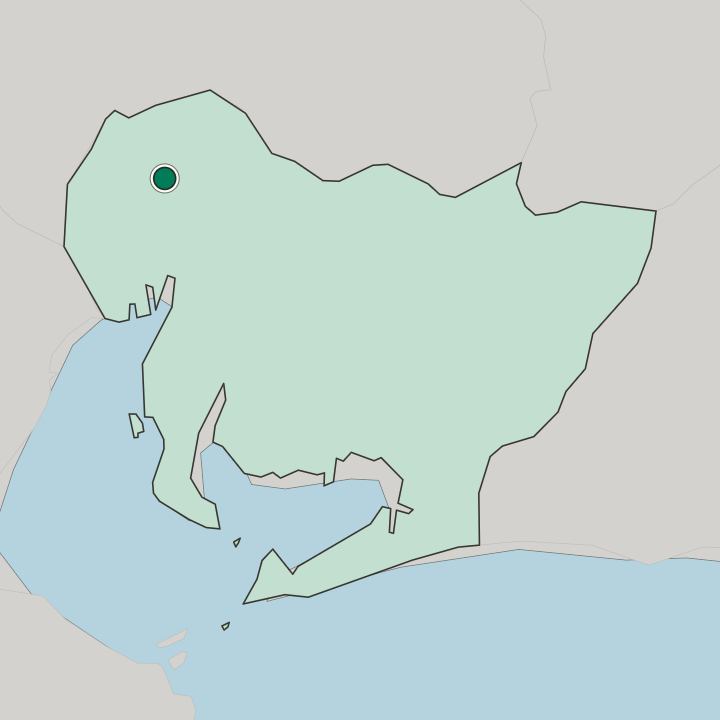
Kitanagoya is one of the smaller municipalities in Aichi Prefecture. Its ground covers so little that the Asahi Site, the Former Kato House and the Kiyosu City Haruhi Art Museum are separated by minutes rather than by any meaningful distance. Built fabric does the shaping.
Kitanagoya sits in the temperate band of the northern hemisphere, and the arrangement of streets and sites, rather than any ridge or river named in its record, is what gives the city its outline.
What is the climate of Kitanagoya?
The temperate band sets the terms. Kitanagoya works through a full seasonal swing rather than the long single summer of the subtropics, so the open-air part of a visit, the Asahi Site especially, suits the months outside deep winter. Indoor options carry the rest.
The Showa Era Lifestyle Museum, the Aichi Asahi Site Museum and the Kiyosu City Haruhi Art Museum absorb the days when the weather turns, which is convenient in a city where nothing sits far enough away to make it a real obstacle.
How do you get to Kitanagoya?
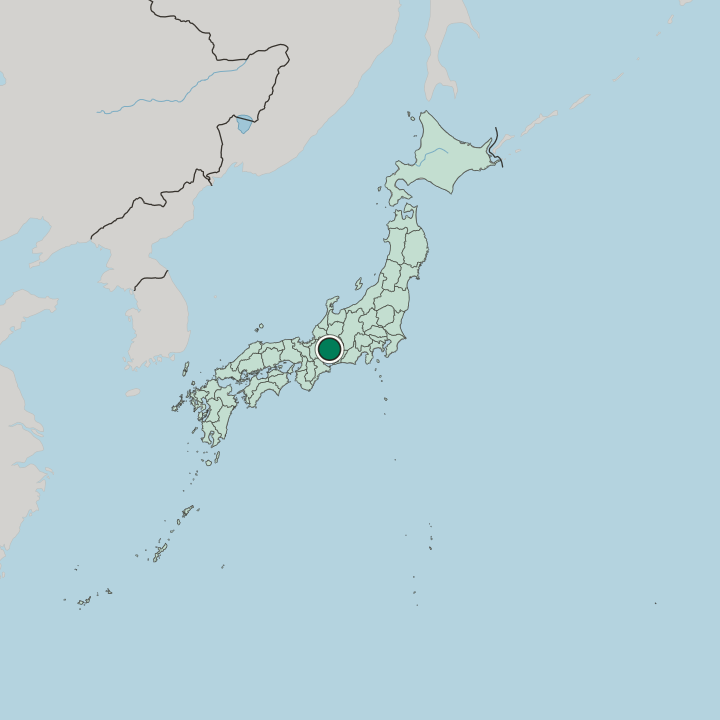
Aichi Prefecture wraps the city entirely. Every approach to Kitanagoya crosses prefectural ground, and the municipality is small enough that arrival at any edge leaves the whole of it inside a short walk or a brief ride. On foot it is trivial.
The Asahi Site, Nagoya Grace Christ Church and The Showa Era Lifestyle Museum can be strung together in an afternoon without recourse to a timetable.
Common questions
What is the best area to stay in Kitanagoya?
Around the Asahi Site: excavation visits with the Aichi Asahi Site Museum at the door. The Kiyosu City Haruhi Art Museum side: gallery days on a quieter street than the heritage trail. Near the Former Kato House: short circuits taking in Nagoya Grace Christ Church and The Showa Era Lifestyle Museum.
Good for
More cities in Aichi-ken
Updated October 2026