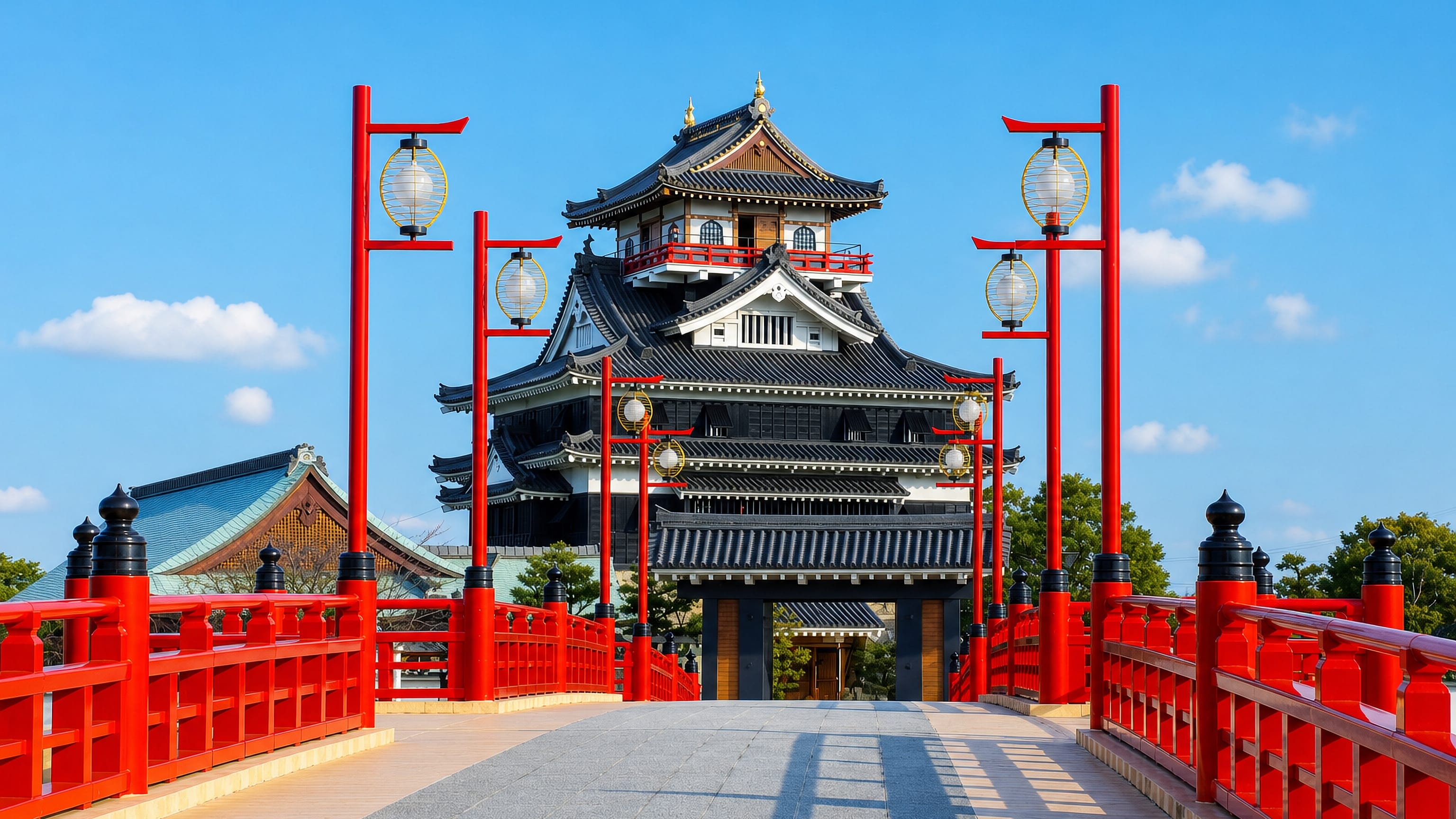
Japan · Aichi-ken
Where to Stay in Kiyosu, Aichi-ken
Kiyosu is a small city in Aichi Prefecture, Japan, with Nagoya's industrial museum and Noritake Garden inside its reach.
Hotel links are affiliate links: booking through them may earn us a commission, at no extra cost to you. It never affects how places are ranked. How this works


Where to stay in Kiyosu
Where the beds are, and what that means for the visit.
Nagoya changes the calculation here. Kiyosu is small, and Nagoya, the capital and largest city of Aichi Prefecture, sits near enough that a stay in Kiyosu is partly a decision about how much of the bigger city to take on. The Toyota Commemorative Museum of Industry and Technology pulls a stay one way, and it suits visitors who came for machinery rather than for excavation.
Noritake Garden balances it. The archaeological side of the city gives the other kind of base. The Asahi Site and the Aichi Asahi Site Museum stand together, with Kaigarayama Shell Mound Exchange Hall close by, and a room among them suits anyone building a day around what came out of the ground.
Rooms are sparse there. Nagoya Grace Christ Church, the Kiyosu City Nishibiwajima Tonya Memorial Museum and the Ama City Jimokuji Historical Museum fill the gaps between those two poles, none of them far from the next. The choice of area matters far less than the choice of how many days to give Nagoya.
Nightlife, if that matters, belongs to Nagoya rather than to Kiyosu, and the two sit close enough together that it need not force a change of base.
Find hotels in Kiyosu
Direct booking searches for these neighbourhoods.
By the Toyota Commemorative Museum of Industry and Technology
The Toyota Commemorative Museum of Industry and Technology and Noritake Garden pair heavy machinery with open green ground.Find hotels in By the Toyota Commemorative Museum of Industry and Technologydays built around what came out of the ground at the Asahi SiteThe Asahi Site quarter
The Asahi Site, the Aichi Asahi Site Museum and Kaigarayama Shell Mound Exchange Hall stand within one circuit of each other. Few places to stay nearby — book ahead.Find hotels in The Asahi Site quartertravellers who want the prefectural capital's evenings on top of Kiyosu's museumsNagoya
Nagoya is the capital and largest city of Aichi Prefecture, and its evenings run later than anything on the Kiyosu roster.Find hotels in NagoyaHotel links are affiliate links: booking through them may earn us a commission, at no extra cost to you. It never affects how places are ranked. How this works
Things to do in Kiyosu
Ranked by global recognition; descriptions from Wikidata (CC0).
Museums & Galleries
3- Noritake Garden
- Kiyosu City Nishibiwajima Tonya Memorial Museum
- Aichi Asahi Site Museum
Churches & Religious Sites
1- Nagoya Grace Christ Church
Castles & Historic Sites
1- Asahi Site
worth knowingacross 3 categories in Kiyosu
About Kiyosu
Industry supplies the headline attraction.
What is Kiyosu known for?
The Toyota Commemorative Museum of Industry and Technology falls inside Kiyosu's reach, and Noritake Garden gives the same day an open green counterweight to all that machinery. Excavation runs underneath it. The Asahi Site and the Aichi Asahi Site Museum hold the archaeological end, while the Kiyosu City Nishibiwajima Tonya Memorial Museum is the one entry on the roster carrying the city's own name.
What are the main landmarks in Kiyosu?
Machinery leads the list. The Toyota Commemorative Museum of Industry and Technology is the largest name attached to Kiyosu, and Noritake Garden follows as the one entry that is ground rather than building. Two museums serve one excavation.
The Asahi Site is read through the Aichi Asahi Site Museum and Kaigarayama Shell Mound Exchange Hall, while Nagoya Grace Christ Church, the Kiyosu City Nishibiwajima Tonya Memorial Museum and the Ama City Jimokuji Historical Museum complete the roster.
What is the history of Kiyosu?
The oldest evidence is buried. The Asahi Site records occupation on this stretch of Aichi Prefecture from long before any of the modern boundaries existed, and the Aichi Asahi Site Museum was raised to explain what the excavation produced. Kaigarayama Shell Mound Exchange Hall handles a second designation.
Kiyosu itself is new as an administrative object, established in 2005, which leaves the municipality far younger than the ground it stands on. Nagoya Grace Christ Church belongs to a later layer again, and its presence on the roster marks the point where the record stops being archaeological. Industry wrote the recent chapters.
The Toyota Commemorative Museum of Industry and Technology preserves the machinery side of that record, and Noritake Garden gives the same period its open counterpart on the ground. Trade has its own museum. The Kiyosu City Nishibiwajima Tonya Memorial Museum carries the city's name in full, and the Ama City Jimokuji Historical Museum extends the same commemorative habit into neighbouring ground.
Nagoya frames all of it. As the capital and largest city of Aichi Prefecture, in the Chubu region of Honshu, Nagoya has drawn the traffic that passes between Tokyo and Kyoto, and Kiyosu's own record sits inside that shadow.
Where is Kiyosu?
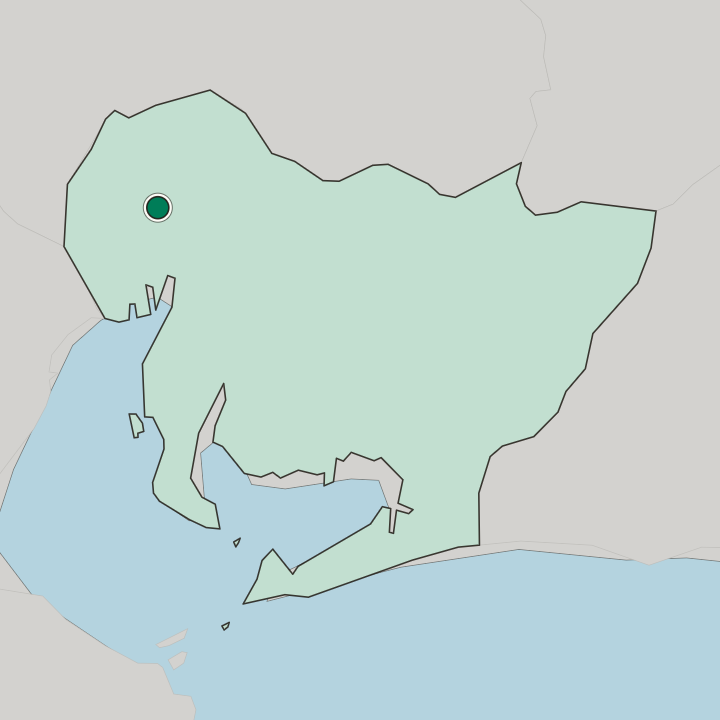
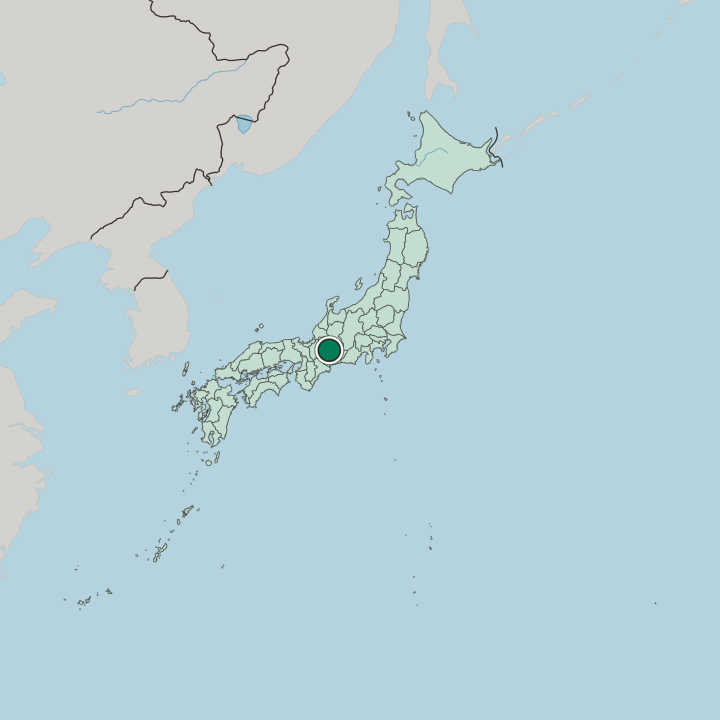
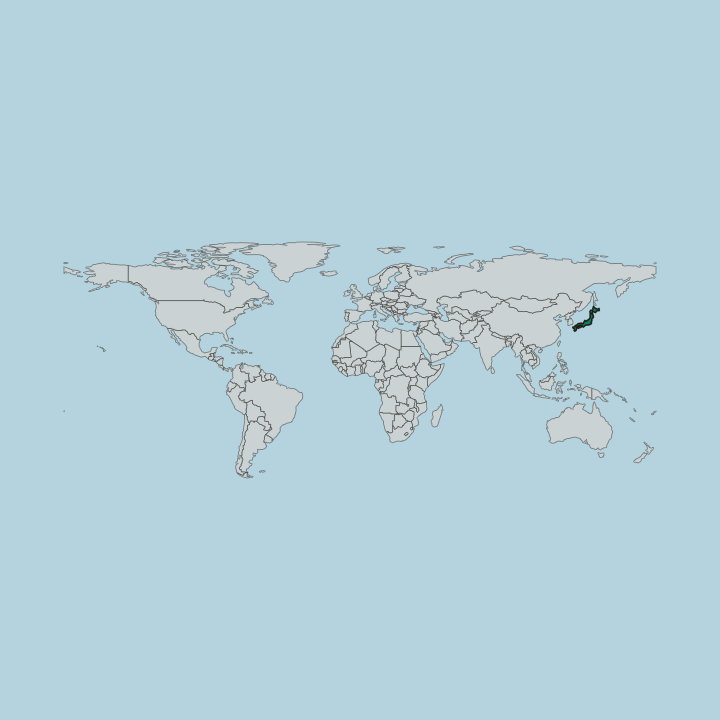
Kiyosu occupies a very small footprint. The city belongs to Aichi Prefecture in the Chubu region of Honshu, close in against Nagoya, and its limited ground means the Asahi Site and Noritake Garden are not far apart in any practical sense. Terrain plays no visible role.
The temperate band of the northern hemisphere and the built edge of Nagoya do more to define this setting than any ridge or watercourse, and the level approach makes the whole municipality easy to cross.
What is the climate of Kiyosu?
Summer heat is the main constraint. The temperate band of the northern hemisphere gives Kiyosu a full swing between warm and cold, and the open ground of Noritake Garden reads very differently in the two halves of the year. Cold months push visits indoors.
The Toyota Commemorative Museum of Industry and Technology, the Aichi Asahi Site Museum and the Ama City Jimokuji Historical Museum all serve as indoor days when the weather turns against walking.
How do you get to Kiyosu?
Most arrivals come through Nagoya. The capital and largest city of Aichi Prefecture takes the bullet-train traffic that runs between Tokyo and Kyoto, and Kiyosu sits close enough in against it that the last leg is short. Aichi Prefecture handles the rest.
Once inside the city, the Asahi Site, Noritake Garden and the Kiyosu City Nishibiwajima Tonya Memorial Museum sit close enough together that no elaborate plan is required.
Common questions
What is the best area to stay in Kiyosu?
By the Toyota Commemorative Museum of Industry and Technology: machinery days that finish on the grass at Noritake Garden. The Asahi Site quarter: days built around what came out of the ground at the Asahi Site. Nagoya: travellers who want the prefectural capital's evenings on top of Kiyosu's museums.
Good for
More cities in Aichi-ken
Updated October 2026