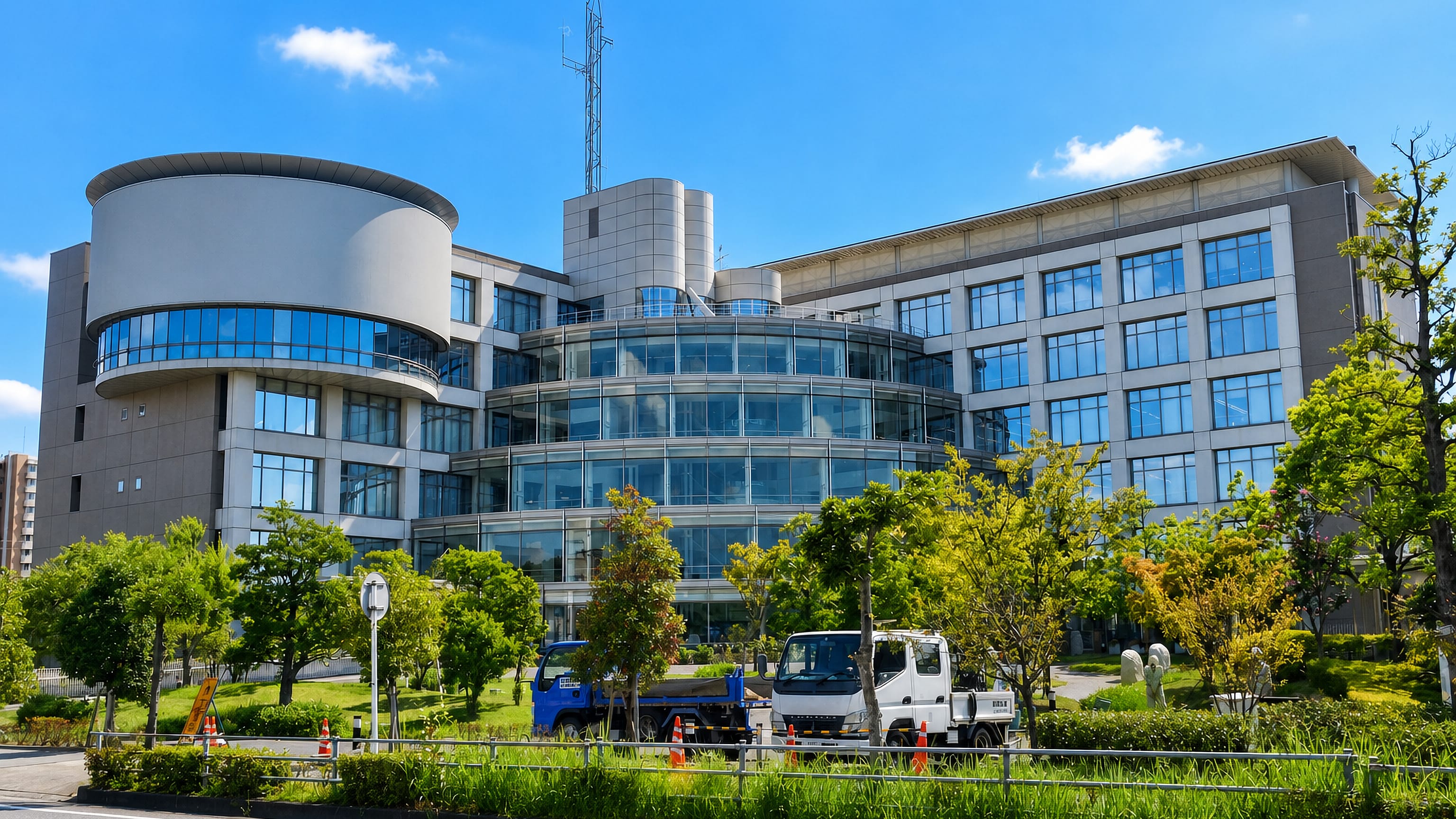
Japan · Aichi-ken
Where to Stay in Ōbu, Aichi-ken
Ōbu is a city in Aichi Prefecture, constituted in 1889 and a member of the World Health Organization's Alliance for Healthy Cities since 2000.
Hotel links are affiliate links: booking through them may earn us a commission, at no extra cost to you. It never affects how places are ranked. How this works


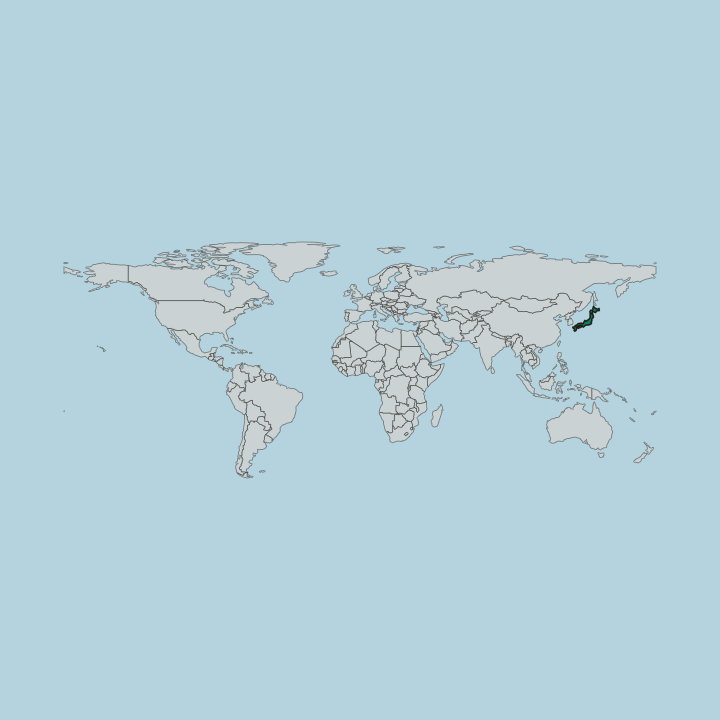
Where to stay in Ōbu
Where visitors usually base themselves, and why.
Ōbu earns its place by position. A room here buys access to a dense museum belt across Aichi Prefecture, from the Kariya City Art Museum and the Chita City Museum to the Tokai City Heishū Memorial Museum, without paying for a central Nagoya address. The city has its own reason too.
Anyone visiting the Aichi Health Plaza Comprehensive Health Science Center will want a bed on that side, since the campus is the practical expression of Ōbu's Alliance for Healthy Cities membership. Older ground pulls the other way. The Nanamagari Anagama kilns and the Miharashidai Site belong to a different Ōbu altogether, and a stay chosen with them in mind trades museum density for the quieter margins of the municipality.
Families read the map differently again. Legoland Japan Resort, the Port of Nagoya Public Aquarium and the SCMaglev and Railway Park all pull toward the Nagoya waterfront, so a room on that edge of Ōbu cuts the daily run. The scale helps. Ōbu covers roughly 34 square kilometres, which keeps every one of these choices within a short move of the others rather than committing a whole trip to a single quarter.
The Kariya and Chita collections lie close enough to work as day targets from any of the three.
Find hotels in Ōbu
Direct booking searches for these neighbourhoods.
The Aichi Health Plaza side
The health-campus end of Ōbu, where the city's Alliance for Healthy Cities commitment has an actual address. Lodging is scarce in this area; reserve in advance.Find hotels in The Aichi Health Plaza sideAnyone tracing the Nanamagari Anagama kilns and the Miharashidai SiteThe Nanamagari margins
The kiln-and-excavation corner of the Ōbu area, taken before the Kariya and Chita galleries. Rooms are few around here — worth securing early.Find hotels in The Nanamagari marginsFamilies pairing Legoland Japan Resort with the Port of Nagoya Public AquariumThe Nagoya-facing edge
The side of Ōbu that feeds into the Nagoya waterfront and the SCMaglev and Railway ParkFind hotels in The Nagoya-facing edgeHotel links are affiliate links: booking through them may earn us a commission, at no extra cost to you. It never affects how places are ranked. How this works
Things to do in Ōbu
Ranked by global recognition; descriptions from Wikidata (CC0).
Museums & Galleries
3- Aichi Health Plaza Comprehensive Health Science Center
- Kawara Museum/Library of Takahama City, a Hometown of Ceramics
- 紫峰人形美術館
Castles & Historic Sites
2- Miharashidai Site
- Nanamagari Anagama kilns
Stadiums & Sports
1- 大府市民球場
Parks & Gardens
1- Nagoya Port Sea Train Land
Landmarks & Notable Places
1- SCMaglev and Railway Park
worth knowingacross 5 categories in Ōbu
About Ōbu
What is Ōbu known for?
Health policy is the calling card. Ōbu joined the World Health Organization's Alliance for Healthy Cities in 2000, and the Aichi Health Plaza Comprehensive Health Science Center gives that commitment a building. The rest is a museum belt. Araki Syuseikan Museum, the Kagome Memorial Hall and the Nanamagari Anagama kilns are among the small collections within reach, scattered across this corner of Aichi Prefecture.
What are the main landmarks in Ōbu?
Museums dominate the count. The Kariya City Art Museum, the Chita City Museum, the Kamiya Museum of Art and the Chiryu City History and Folklore Museum together make this one of the denser gallery clusters in Aichi Prefecture. Industry keeps its own halls.
The Aisin Com-Center, the Tohogas Gas Energy Exhibit Hall and the Kagome Memorial Hall each open a company's story to visitors, and the SCMaglev and Railway Park does the same for rail. Older layers survive as well: the Nanamagari Anagama kilns and the Miharashidai Site.
What is the history of Ōbu?
The ground was worked long before the town. The Miharashidai Site and the Nanamagari Anagama kilns record occupation and pottery production that predate any modern administrative name, and they remain the oldest things the area can show a visitor. Kilns were the industry.
The Nanamagari Anagama kilns are what remains of that craft on the ground here. Municipal history starts in 1889. Ōbu was constituted in that year, and the form Obu Village carried on the record marks what the place was at the start of its documented existence. Growth followed the region.
The Araki Syuseikan Museum and the Chiyokura Memorial Museum hold the local record of the period that came after, which is the sort of documentation a small city keeps for itself rather than for tourists. Health policy arrived much later. Ōbu joined the World Health Organization's Alliance for Healthy Cities in 2000, a commitment that shaped how the city presents itself and that stands behind the Aichi Health Plaza Comprehensive Health Science Center. The label stuck.
Everything else, from the kilns and the excavated site to company halls like the Aisin Com-Center, sits beneath it as the older record.
Where is Ōbu?
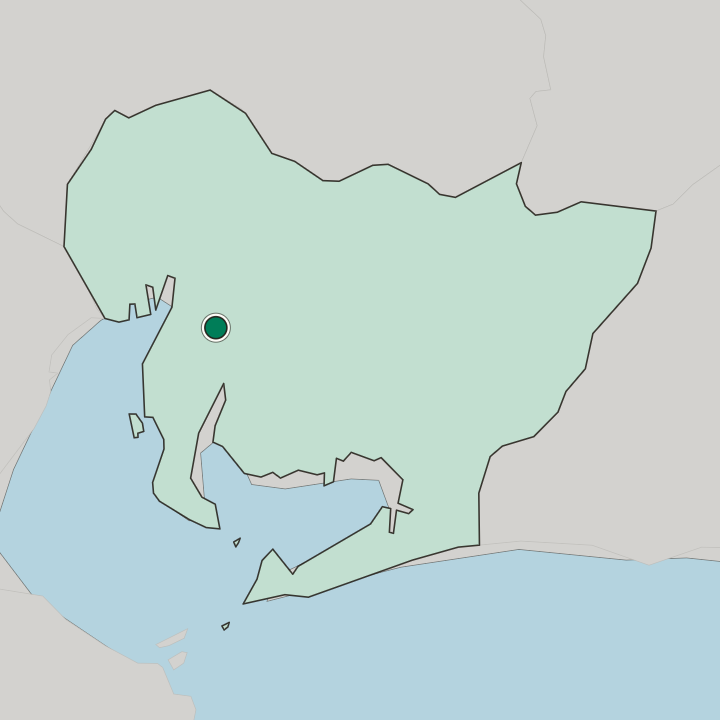
Ōbu covers roughly 34 square kilometres of Aichi Prefecture. It is a small municipality by area, and most of what a visitor comes for, from the Aichi Health Plaza Comprehensive Health Science Center to the Nanamagari Anagama kilns and the Miharashidai Site, falls inside a short drive. Temperate weather governs the year.
Neighbouring municipal centres press close on several sides, which is why the Kariya and Chita collections read as local rather than as excursions.
What is the climate of Ōbu?
Four seasons run their full course here. The temperate band across Aichi Prefecture gives Ōbu warm and humid summers along with winters that avoid extremes, a pattern that makes the outdoor stretch between the Nanamagari Anagama kilns and the Miharashidai Site workable for much of the year. Heat is the constraint.
Indoor targets like the Kariya City Art Museum and the Chita City Museum earn their place in midsummer, when walking the older ground is less appealing.
How do you get to Ōbu?
Nagoya is the reference point. Ōbu sits inside the built-up belt of Aichi Prefecture that runs out from that city, close enough that the Port of Nagoya Public Aquarium, Nagoya Port Sea Train Land and Legoland Japan Resort all read as day trips. Rail explains the region. The SCMaglev and Railway Park documents the network that made this corridor work, and the same corridor is what puts Kariya and Chita within easy reach of an Ōbu bed.
Common questions
What is the best area to stay in Ōbu?
The Aichi Health Plaza side: Trips built around the Aichi Health Plaza Comprehensive Health Science Center. The Nanamagari margins: Anyone tracing the Nanamagari Anagama kilns and the Miharashidai Site. The Nagoya-facing edge: Families pairing Legoland Japan Resort with the Port of Nagoya Public Aquarium.
Good for
More cities in Aichi-ken
Updated October 2026