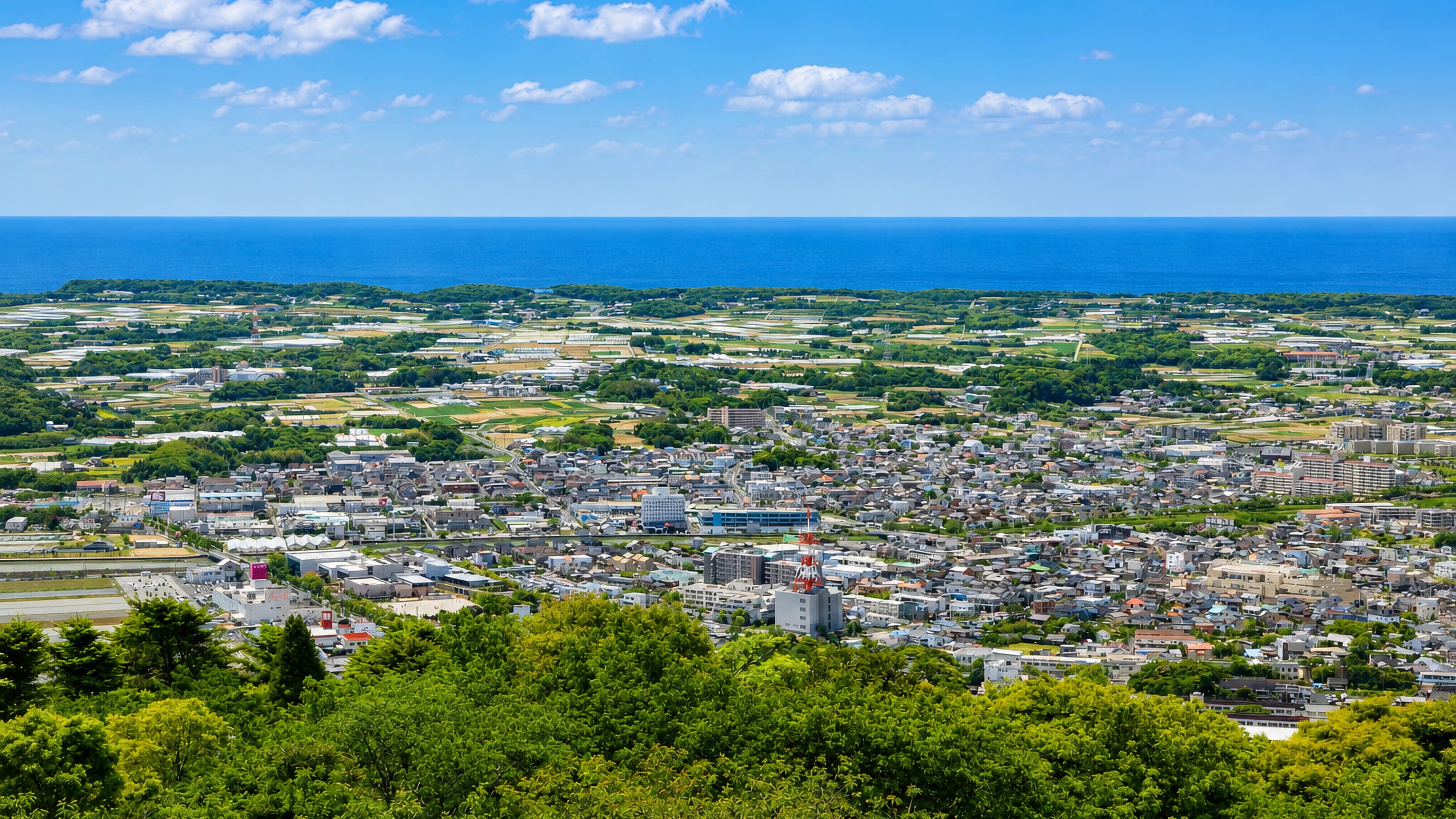
Japan · Aichi-ken
Where to Stay in Tahara, Aichi-ken
Tahara looks a long way back. The Aichi city holds the Yoshigo Shell Mound, Atsumi Kiln and the Ōarako Old Kiln ruins.
Hotel links are affiliate links: booking through them may earn us a commission, at no extra cost to you. It never affects how places are ranked. How this works


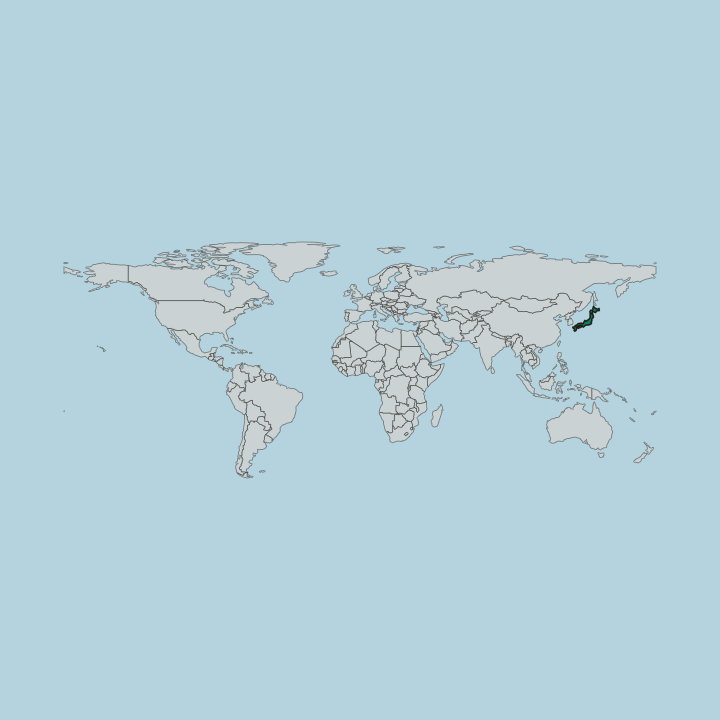
Where to stay in Tahara
How the choice of base plays out on the ground.
The Tahara Municipal Museum and the Yoshigo Shell Mound pull a visit in two directions, and where a bed sits decides which of them gets the unhurried half of the day. Start with the museum. Rooms near the Tahara Municipal Museum put the city's own explanation of the kilns and the mounds within walking reach, which is worth having before any of the sites themselves are visited.
Few beds exist anywhere in the city. Yoshigo Shell Mound sits apart from the museum, and a base chosen for it suits a visitor whose whole reason for coming is that one site. Tahara is a working city in Aichi Prefecture rather than a resort, so the choice is often between what is available and what is convenient.
Aquarena Toyohashi is the outlier. A visitor who wants something other than excavated ground should weigh a bed nearer to it, and the Nagusa Magnolia stellata native habitat offers the same person a second stop that has nothing to do with kilns. Roads matter more than districts here.
Roughly 191 square kilometres carry the Tahara name, and the Atsumi Kiln, the Dodo Sue Ware Kiln ruins and the Ōarako Old Kiln ruins are spread across enough of it that a car turns a two-day itinerary into one.
Find hotels in Tahara
Direct booking searches for these neighbourhoods.
By the Tahara Municipal Museum
The museum quarter of Tahara, where the shell-mound and kiln finds are explained under one roof.Find hotels in By the Tahara Municipal Museuma visit built around the Yoshigo Shell Mound aloneTowards the Yoshigo Shell Mound
Ground away from the museum, close to the shell heap that gives Tahara its oldest recorded layer. Rooms are few around here — worth securing early.Find hotels in Towards the Yoshigo Shell Mounda break from excavated ground at Aquarena ToyohashiNear Aquarena Toyohashi
The one entry on Tahara's list that owes nothing to clay or shell, and the beds that sit around it.Find hotels in Near Aquarena Toyohashiwalking the Nagusa Magnolia stellata native habitat before the heatThe Nagusa side
Protected tree cover rather than streets, out where Tahara's 191 square kilometres run to open country. Few places to stay nearby — book ahead.Find hotels in The Nagusa sideHotel links are affiliate links: booking through them may earn us a commission, at no extra cost to you. It never affects how places are ranked. How this works
Things to do in Tahara
Ranked by global recognition; descriptions from Wikidata (CC0).
Museums & Galleries
2- カモメリア
- 吉胡貝塚資料館
Castles & Historic Sites
3- Atsumi Kiln Heritage
- Ōarako Old Kiln ruins Heritage
- 伊川津貝塚
Stadiums & Sports
1- Aquarena Toyohashi
worth knowingacross 3 categories in Tahara
About Tahara
Prehistory and pottery share the ground.
What is Tahara known for?
The Yoshigo Shell Mound stands at one end of that record, while the Ōarako Old Kiln ruins and the Dodo Sue Ware Kiln ruins stand at the other, and between them they cover a very long stretch of occupation. Atsumi Kiln carries the name forward. Two more entries pull in other directions: Aquarena Toyohashi is water rather than earth, and the Nagusa Magnolia stellata native habitat protects a stand of trees rather than any building.
What are the main landmarks in Tahara?
Clay dominates the list. Atsumi Kiln, the Ōarako Old Kiln ruins and the Dodo Sue Ware Kiln ruins are three separate records of the same industry, and the Tahara Municipal Museum gathers what has been dug from them. The Yoshigo Shell Mound is not pottery at all.
Aquarena Toyohashi and the Nagusa Magnolia stellata native habitat close the list from outside it, the first a facility and the second a protected stand of trees.
What is the history of Tahara?
The Yoshigo Shell Mound holds the oldest layer of anything in Tahara. Long before any municipality existed, people here left a heap of shells that has outlasted every building raised since, and that mound is one of the city's recorded sites. Kilns came later.
The Ōarako Old Kiln ruins and the Dodo Sue Ware Kiln ruins mark an industry that turned local clay into vessels, and Atsumi Kiln carries the same trade under a name still attached to it. Tahara took its modern form in 1955. That date is recent against the shell mound and against the kilns alike, and it says less about when people settled this part of Aichi Prefecture than about when the administrative lines were drawn around them.
The Tahara Municipal Museum is where those two timescales are set side by side, since a single collection has to account for both the shell heap and the fired clay that followed it. Chubu is the wider region. Excavated material from the shell mound and from the kiln floors is what the museum has to work with, and the Nagusa Magnolia stellata native habitat is protected on grounds that have nothing to do with either.
Aquarena Toyohashi belongs to neither story.
Where is Tahara?
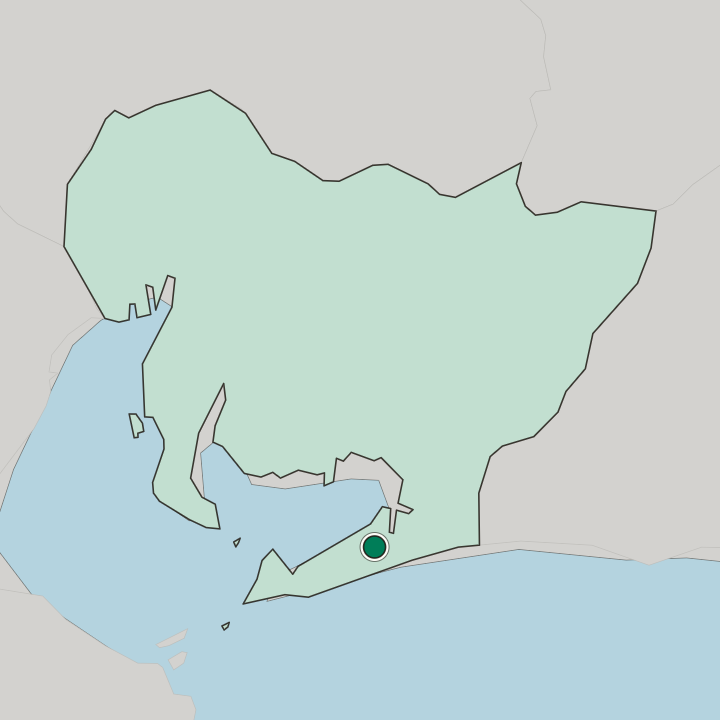
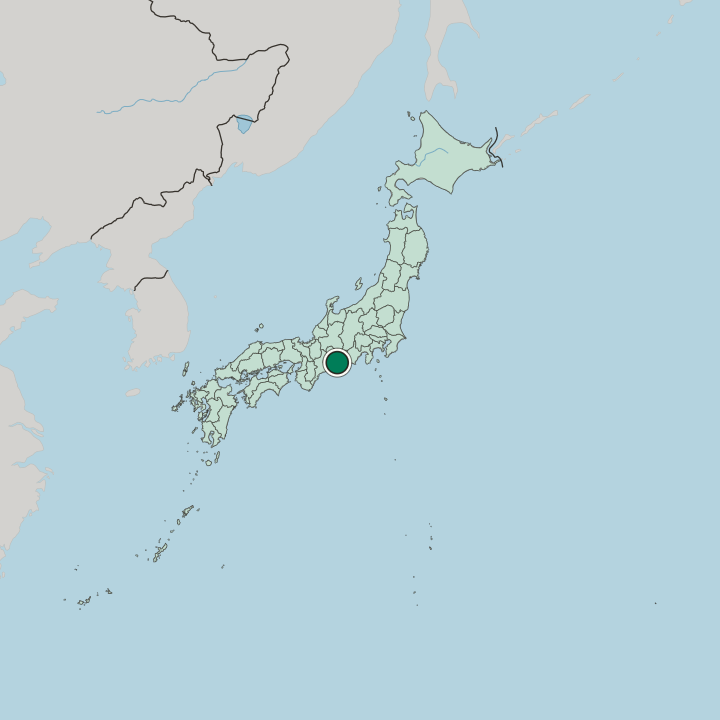
Roughly 191 square kilometres carry the Tahara name, which is a great deal of ground for a city whose recorded sites can be counted on two hands. The built part is a small share of it. Atsumi Kiln, the Ōarako Old Kiln ruins and the Nagusa Magnolia stellata native habitat lie scattered through the rest, far enough apart that reaching them all in a day is a driving exercise rather than a walking one.
What is the climate of Tahara?
Tahara sits in a subtropical band. That matters most for the Nagusa Magnolia stellata native habitat and for the excavated ground at the Yoshigo Shell Mound, both of which are walked outdoors and both of which suffer in heavy weather. The Tahara Municipal Museum is the wet-weather answer.
Its collection covers the same kiln and shell material that the Ōarako Old Kiln ruins and the Dodo Sue Ware Kiln ruins hold in the open, so a bad afternoon costs a visitor context rather than the whole subject.
How do you get to Tahara?
Approaches come overland from elsewhere in Aichi Prefecture, with Chubu as the wider frame, and nothing about the arrival is complicated once a vehicle is part of the plan. Bring a car. The Tahara Municipal Museum can be reached without one, but Atsumi Kiln, the Nagusa Magnolia stellata native habitat and the Yoshigo Shell Mound are spread across 191 square kilometres and reward being strung together in a single loop.
Common questions
What is the best area to stay in Tahara?
By the Tahara Municipal Museum: reading the city's account of its kilns before visiting the Ōarako Old Kiln ruins. Towards the Yoshigo Shell Mound: a visit built around the Yoshigo Shell Mound alone. Near Aquarena Toyohashi: a break from excavated ground at Aquarena Toyohashi. The Nagusa side: walking the Nagusa Magnolia stellata native habitat before the heat.
Good for
More cities in Aichi-ken
Updated October 2026