Japan · Aichi-ken
Where to Stay in Tokoname, Aichi-ken
Tokoname is a city in southern Aichi Prefecture, one of the Six Ancient Kilns of Japan and the site of Chubu Centrair International Airport.
Hotel links are affiliate links: booking through them may earn us a commission, at no extra cost to you. It never affects how places are ranked. How this works


Where to stay in Tokoname
The practical side of choosing where to sleep.
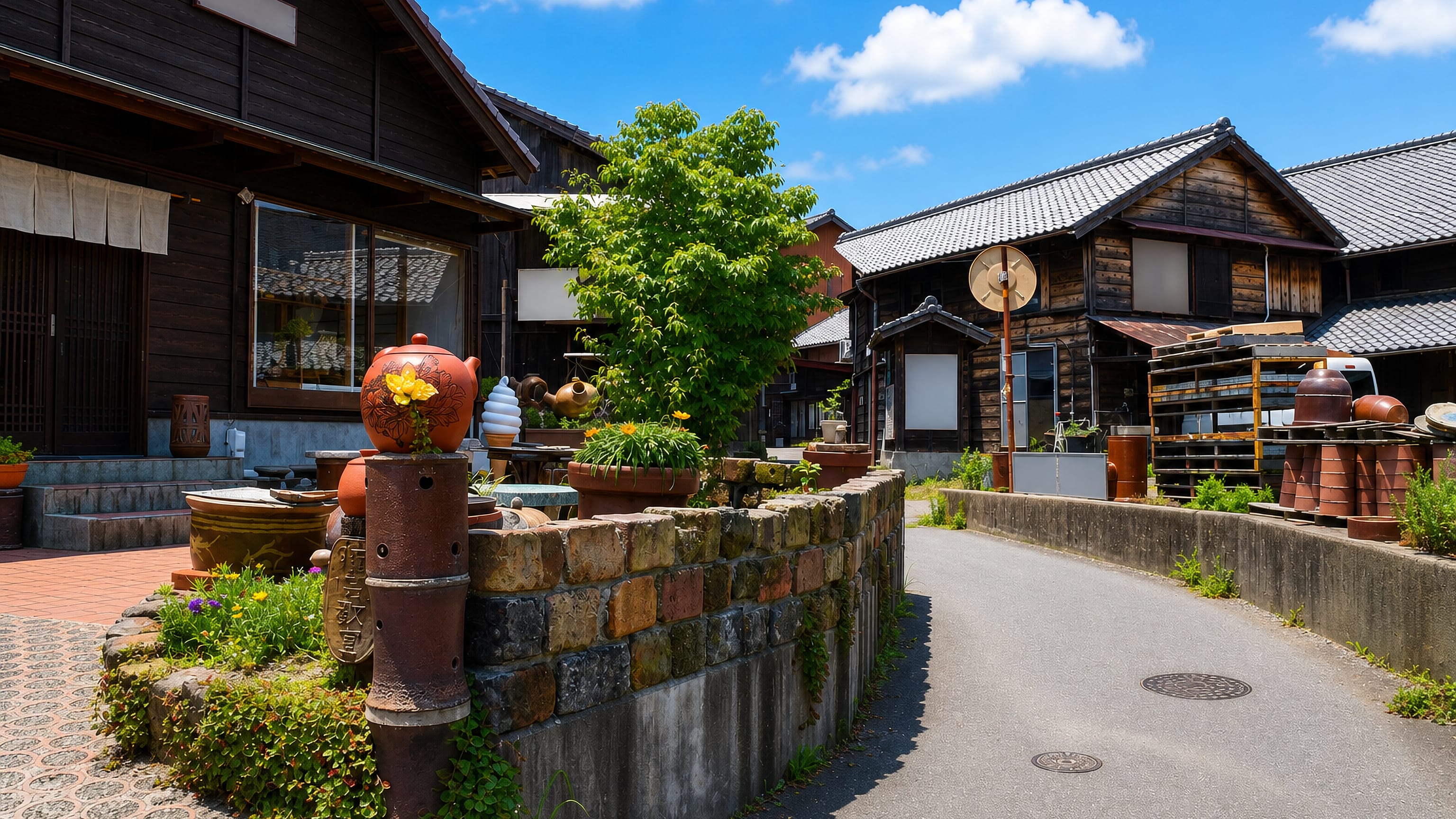
Two Tokonames compete for a booking. One is the kiln town, where Tokoname Tounomori collects the old workshops, the Tokoname Tounomori Museum sets them out and the Tokoname Tunomori Ceramics Lab keeps the material in working hands. The other is the airport city.
Chubu Centrair International Airport lies inside the municipal boundary, and a bed chosen for it answers a departure time rather than a sightseeing plan. The kiln quarter rewards a short walk. A room near Tokoname Tounomori puts the museum and the ceramics lab within reach on foot, and the Takita Family Residence, the house of an old shipping family, belongs to the same historic grain of the city.
Industrial ceramics pull the other way. The INAX Museums are their own destination, and a room chosen with them in mind trades kiln-walk convenience for a direct approach to those collections. Aichi Prefecture frames the whole choice.
Nagoya lies north, close enough that Tokoname also works as the quieter end of a trip built around the larger city, with Chubu Centrair International Airport handling arrivals for both. The Chubu region reaches well past that pairing, so a first or last night in Tokoname usually comes down to how close the room sits to the terminal.
Find hotels in Tokoname
Direct booking searches for these neighbourhoods.
Tokoname Tounomori
The old pottery quarter, with the Tokoname Tounomori Museum and the Tokoname Tunomori Ceramics Lab close by. Few places to stay nearby — book ahead.Find hotels in Tokoname TounomoriVisitors here for the manufactured side of clay rather than the kiln walkThe INAX Museums side
The industrial-ceramics end of Tokoname, organised around the INAX MuseumsFind hotels in The INAX Museums sideDepartures and late arrivals through Chubu Centrair International AirportThe Centrair approach
The terminal end of the municipality, built for Nagoya and Chubu region traffic rather than for the potteriesFind hotels in The Centrair approachHotel links are affiliate links: booking through them may earn us a commission, at no extra cost to you. It never affects how places are ranked. How this works
About Tokoname
Clay made this city.
What is Tokoname known for?
Tokoname counts among the Six Ancient Kilns of Japan, the group of six historic kiln sites that anchors the country's ceramic tradition, and that standing is what carries the name beyond Aichi Prefecture. The INAX Museums set out the industrial half of the inheritance. Air travel is the second string, since Chubu Centrair International Airport lies within the municipal bounds and serves Nagoya along with the wider Chubu region.
What are the main landmarks in Tokoname?
Ceramics anchor the list. Tokoname Tounomori gathers the kiln landscape, the Tokoname Tounomori Museum sets it out for visitors, and the Tokoname Tunomori Ceramics Lab keeps hands on the material rather than only describing it. The INAX Museums stand apart from that cluster in subject, covering the manufactured side of clay.
One house survives from the merchant era. The Takita Family Residence, the seat of an old shipping family, is the domestic building Tokoname names among its sights.
What is the history of Tokoname?
Pottery came first, by centuries. Tokoname's place among the Six Ancient Kilns of Japan puts its production back in the medieval period, long before any municipal boundary existed, and that inheritance is why the modern city still carries a craft identity. The kilns were an industry.
What Tokoname Tounomori preserves is the residue of that work rather than a single monument, which is why the Tokoname Tounomori Museum exists to interpret it. Shipping followed the clay. The Takita Family Residence records the period when a merchant house moved goods out of Tokoname, and the building's survival gives the city a domestic counterpart to its kiln ground.
Municipal status came late. Tokoname was constituted as a city in 1954, entering the administrative map of Aichi Prefecture centuries after its potters had started work. The airport changed the balance.
Chubu Centrair International Airport tied Tokoname to Nagoya's traffic and to the wider Chubu region, giving a kiln town a second identity that has nothing to do with clay. Both still stand. The Tokoname Tunomori Ceramics Lab and the INAX Museums keep the older story working while the terminal handles the newer one.
Where is Tokoname?
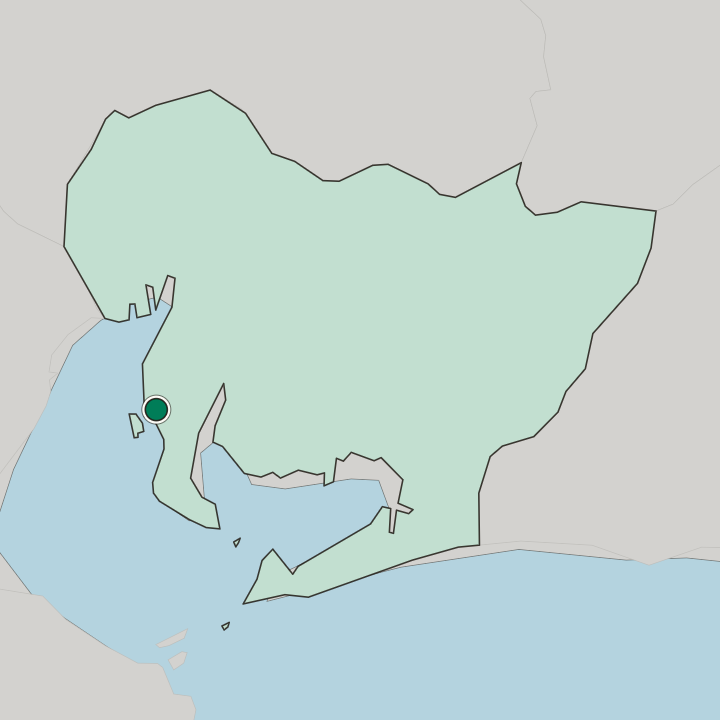
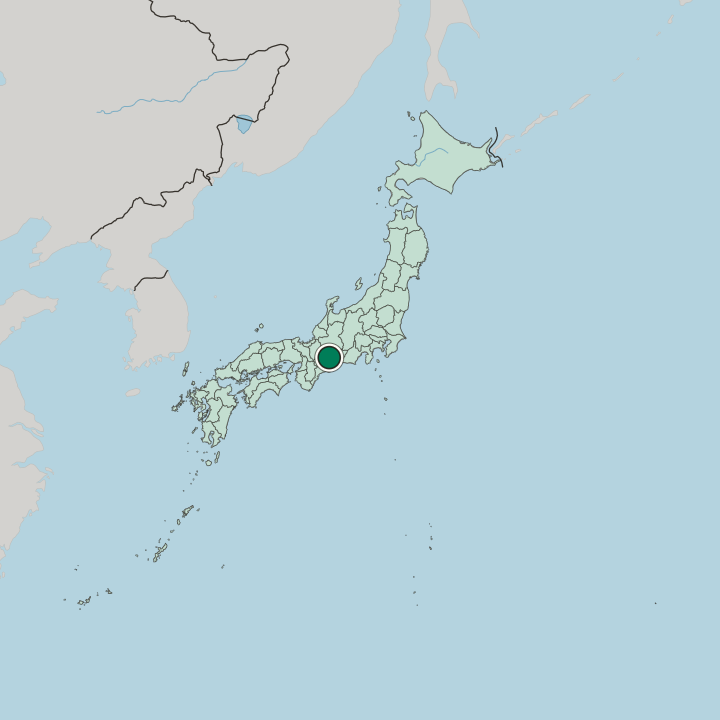
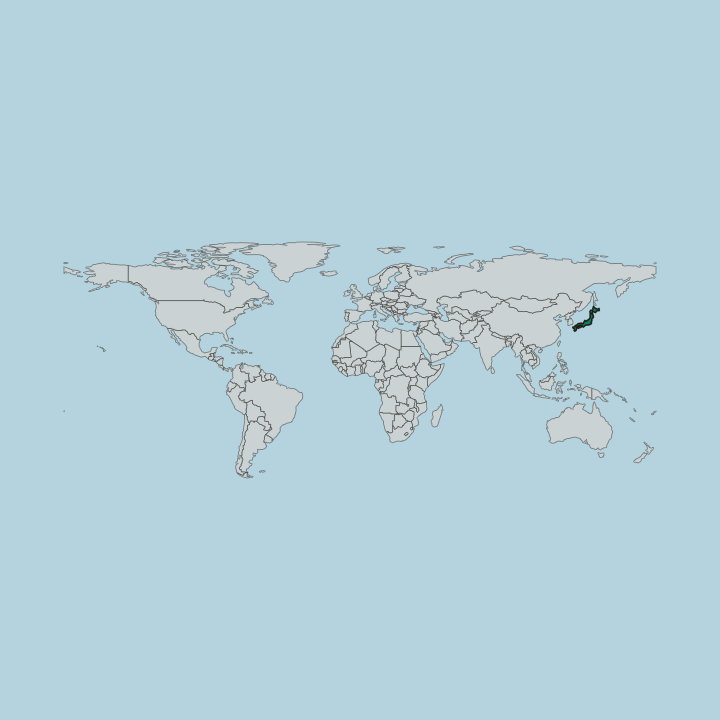
Tokoname occupies southern Aichi Prefecture, roughly 56 square kilometres of ground lying south of Nagoya. It is compact. The municipal area carries a working airport, a kiln quarter and the residential ground between them, which is a great deal to fit into a single small city of the Chubu region.
The subtropical band crosses here. Aichi Prefecture puts Tokoname on the southern side of its own territory, with Nagoya the nearest large reference point on any map.
What is the climate of Tokoname?
Tokoname's warm season runs long. The subtropical band that runs through southern Aichi Prefecture gives Tokoname heat and humidity that hold well past the middle of the year, which matters for anyone planning the outdoor kiln walk at Tokoname Tounomori. Winters sit on the mild side of the Chubu region's range.
Northern-hemisphere timing applies throughout, so the cool months fall between December and March and the warm ones arrive from late spring.
How do you get to Tokoname?
The airport is inside the city. Chubu Centrair International Airport serves Nagoya and the whole Chubu region, which makes Tokoname one of the few places where the arrival hall and the destination share a municipal boundary. Nagoya lies north of it.
Onward travel across Aichi Prefecture runs from the terminal, and anyone heading for the kiln quarter at Tokoname Tounomori is already in the right city on landing.
Common questions
What is the best area to stay in Tokoname?
Tokoname Tounomori: Days spent walking the Tokoname Tounomori kiln ground on foot. The INAX Museums side: Visitors here for the manufactured side of clay rather than the kiln walk. The Centrair approach: Departures and late arrivals through Chubu Centrair International Airport.
More cities in Aichi-ken
Updated September 2026