Japan · Hyōgo
Where to Stay in Ashiya, Hyōgo
Ashiya is a residential city. Large houses and the Tanizaki Jun'ichirō Memorial Museum of Literature mark this small corner of Hyōgo Prefecture.
Hotel links are affiliate links: booking through them may earn us a commission, at no extra cost to you. It never affects how places are ranked. How this works


Where to stay in Ashiya
Where visitors usually base themselves, and why.
Ashiya keeps few hotels. The city reads as a residential one first, so the useful question is not which quarter has the beds but whether a stay here beats a room in a larger neighbour, and for a visitor working through the museums it often does. Shukugawa Catholic Church anchors one end of the walkable ground.
A room within reach of it puts the Ashiya City Museum of Art and History and the Tanizaki Jun'ichirō Memorial Museum of Literature inside a morning. The Former Residence of Saika Tomita stands within the same short radius, which makes a single base workable for the whole city. The other pull is archaeological.
Egenoyama Site and the Kurokawa Institute of Ancient Cultures suit you if the reason for coming is the older record rather than the houses, and a base on that side shortens every walk that matters. Nishinomiya is close as well. The Nishinomiya Shell Museum and the Otani Memorial Art Museum absorb an afternoon that Ashiya alone would not fill, and the Maritime Museum of Kobe University extends the same day again for anyone willing to keep going.
Find hotels in Ashiya
Direct booking searches for these neighbourhoods.
Near Shukugawa Catholic Church
The church, the Tanizaki Jun'ichirō Memorial Museum of Literature and the city art collection line up inside a single walk. Lodging is scarce in this area; reserve in advance.Find hotels in Near Shukugawa Catholic ChurchVisits built around Egenoyama Site and the Kurokawa Institute of Ancient CulturesThe Egenoyama side
Rooms out here trade the Ashiya house streets for the excavated ground and a shorter run to Nishinomiya. Rooms are few around here — worth securing early.Find hotels in The Egenoyama sideHotel links are affiliate links: booking through them may earn us a commission, at no extra cost to you. It never affects how places are ranked. How this works
Things to do in Ashiya
Ranked by global recognition; descriptions from Wikidata (CC0).
Museums & Galleries
3- Tekisui Museum of Art
- Ashiya City Museum of Art and History
- Tawara Museum of Art
Churches & Religious Sites
1- Shukugawa Catholic Church
Castles & Historic Sites
3- Egenoyama Site
- 前田遺跡
- 三条九ノ坪遺跡
Landmarks & Notable Places
2- 古澤家住宅
- 冨永家住宅
worth knowingacross 4 categories in Ashiya
About Ashiya
Houses set the tone.
What is Ashiya known for?
Ashiya carries a reputation across Japan as a high-end residential city, and the streets show it in generous plots rather than in any monumental centre. Literature grounds the rest: the Tanizaki Jun'ichirō Memorial Museum of Literature keeps the memory of the novelist it is named for, and the Ashiya City Museum of Art and History covers the wider record. Another art collection waits at the Tekisui Museum of Art.
Small collections outnumber big sights.
What are the main landmarks in Ashiya?
Ashiya collects rather than displays. The Ashiya City Museum of Art and History runs the civic record, the Tekisui Museum of Art holds the fine-art side, and the Tanizaki Jun'ichirō Memorial Museum of Literature covers the writing. Egenoyama Site predates every one of them.
Two further survivals stand close by: the Former Residence of Saika Tomita and Shukugawa Catholic Church, both domestic in scale beside the museums. The Horie Orgel Museum and the Tawara Museum of Art round the list out.
What is the history of Ashiya?
The ground was worked long before the city existed. Egenoyama Site and the excavated remains catalogued as Maeda Site record settlement here in the deep past, and the Kurokawa Institute of Ancient Cultures exists to study material of exactly that kind. Two further excavations carry only their catalogue names: Sanjo Kunotsubo Site and Rokujo Site.
Municipal status came late. Ashiya was constituted as a city in 1940, and the official register records the name Seido Village. Trade left its own museums.
The Hakushika Memorial Museum of Sake and the Kiku-Masamune Sake Brewery Museum keep the brewing history of this stretch of Hyōgo Prefecture in the buildings that made it, and Hakutaka Rokusuien belongs to the same tradition. Writers arrived later. The Tanizaki Jun'ichirō Memorial Museum of Literature marks the literary chapter, and the Ashiya City Museum of Art and History ties the strands together for anyone who wants the whole sequence in one building.
Across Japan the city is known as a high-end residential address.
Where is Ashiya?
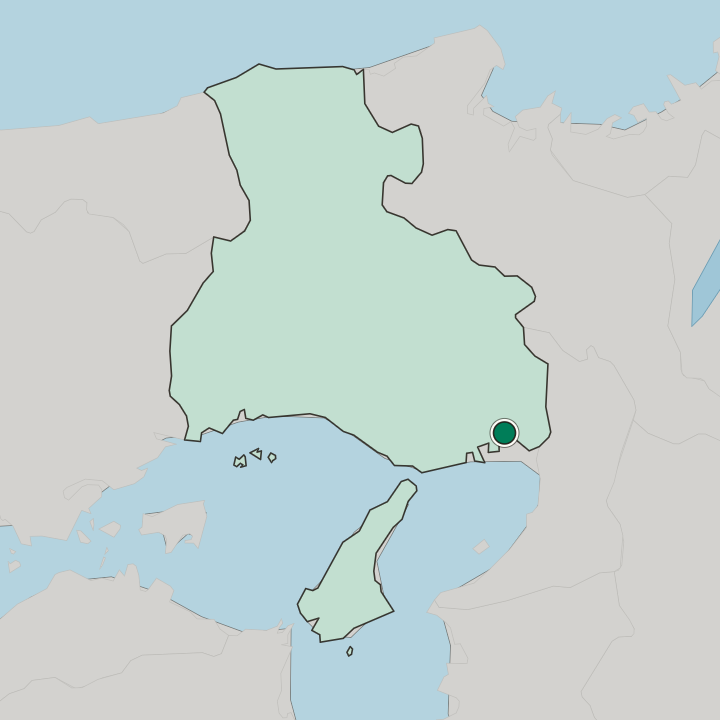
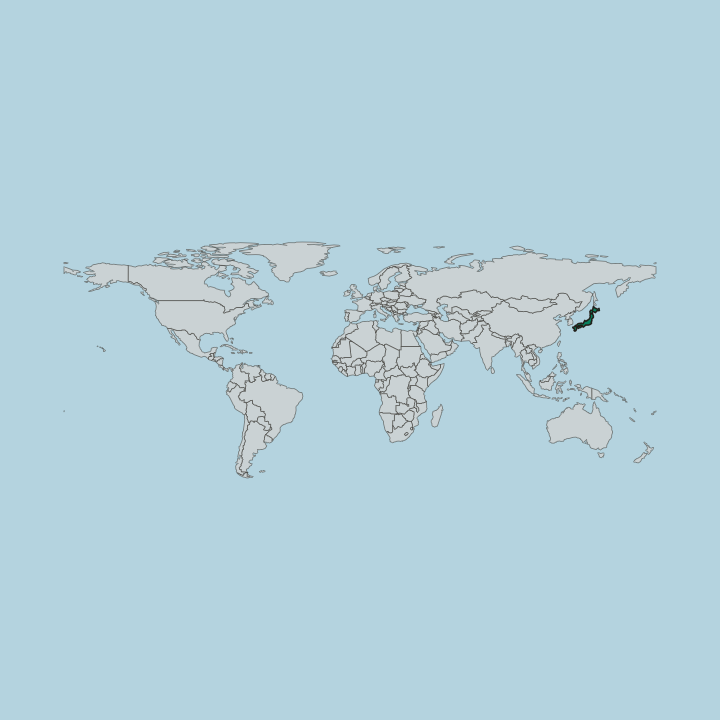
Ashiya holds a compact patch of Hyōgo Prefecture. The whole municipality is small enough that the Nishinomiya Shell Museum on one side and the Maritime Museum of Kobe University on the other both fall inside a single day's range. Ashiya is quickly crossed on foot.
Egenoyama Site sits inside that same municipal ground, an excavation held within a city otherwise given over to housing.
What is the climate of Ashiya?
Summer is the season that tests a visit. Ashiya sits in the subtropical band, and the humidity that builds over this part of Hyōgo Prefecture makes the walk between the Tanizaki Jun'ichirō Memorial Museum of Literature and the city art collection longer than the distance suggests. The cold season is brief.
Indoor collections carry the year here, which is convenient in a city whose sights are almost all under a roof.
How do you get to Ashiya?
Arrivals come through the larger cities on either side. Ashiya is small enough that few travellers make it the sole object of a journey, and most arrive as part of a run that also takes in Nishinomiya or the Maritime Museum of Kobe University. Feet do the rest.
The city covers little ground, and the museums that matter cluster closely enough that a visitor rarely needs anything beyond a short walk between them.
Common questions
What is the best area to stay in Ashiya?
Near Shukugawa Catholic Church: Museum mornings that open at the Ashiya City Museum of Art and History. The Egenoyama side: Visits built around Egenoyama Site and the Kurokawa Institute of Ancient Cultures.
Good for
More cities in Hyōgo
Updated October 2026