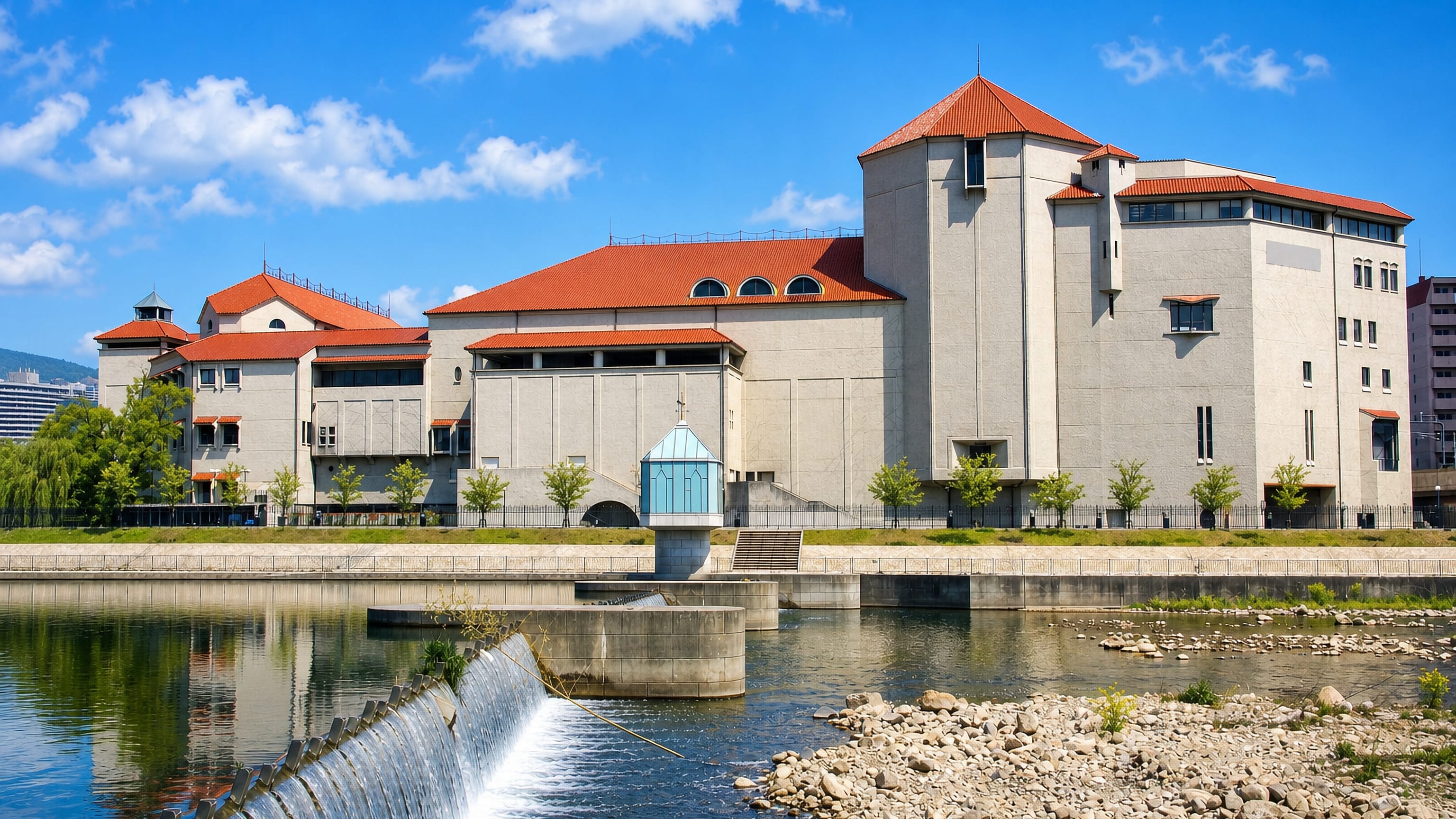
Japan · Hyōgo
Where to Stay in Takarazuka, Hyōgo
The Revue gave the town its name. Takarazuka, a Hyōgo city since 1954, sets theatre and hot springs beside the Osamu Tezuka Manga Museum.
Hotel links are affiliate links: booking through them may earn us a commission, at no extra cost to you. It never affects how places are ranked. How this works


Where to stay in Takarazuka
One neighbourhood here has its own guide — here's what it is best for.

 TakarazukaJapan
Sakaemachi
Sakaemachi is a district of Takarazuka in Hyōgo, holding the Osamu Tezuka Manga Museum and the Takarazuka Arts Center.Where to stay →Hotel links are affiliate links: booking through them may earn us a commission, at no extra cost to you. It never affects how places are ranked. How this works
Find hotels in Takarazuka
Direct booking searches for these neighbourhoods.
Revue quarter
Performance schedules set the tempo, with the Osamu Tezuka Manga Museum and the hot springs on the same side of town.Find hotels in Revue quartergallery days at the Tessai MuseumTakarazuka Arts Center side
The Takarazuka Arts Center and the Tessai Museum set a slower pace, with the Egawa Museum of Art reachable from the same base.Find hotels in Takarazuka Arts Center sideearly nights near the Kohamajuku MuseumKohama
Residential blocks around the Kohamajuku Museum, well back from the performance traffic. Beds are limited here, so book early.Find hotels in Kohamatravellers splitting time with NishinomiyaNigawa-Yurino-chō edge
Rising ground at the Nigawa-Yurino-chō Landslide Museum, closer to Nishinomiya than to the Revue. Rooms are few around here — worth securing early.Find hotels in Nigawa-Yurino-chō edgeHotel links are affiliate links: booking through them may earn us a commission, at no extra cost to you. It never affects how places are ranked. How this works
About Takarazuka
Three things carry the name.
What is Takarazuka known for?
The Takarazuka Revue is the first of them, the hot springs the second, and the Takarazuka Tourism Fireworks Display, held since 1913, the third; together they account for most of the reason anyone plans a trip here. Kansai calls the town its inner parlor. The Osamu Tezuka Manga Museum adds a wholly different draw, and the Tessai Museum keeps a quieter one.
What are the main landmarks in Takarazuka?
The Revue is the landmark that travels. Alongside it, the Osamu Tezuka Manga Museum draws the largest steady audience, and the Takarazuka Arts Center holds the town's contemporary programme together under one roof. The Tessai Museum keeps older work.
Kohamajuku Museum records the settlement that stood here before the theatre, while the Egawa Museum of Art and the Nigawa-Yurino-chō Landslide Museum mark the edges. Itami City Museum of Insects lies just outside.
What is the history of Takarazuka?
Kohamajuku belongs to the earlier layer. The settlement remembered by the Kohamajuku Museum stood here while this corner of Hyōgo was still a stopping place rather than a destination, and nothing about it suggested what came next. Then the entertainments arrived.
The Takarazuka Tourism Fireworks Display has been held since 1913, and the Takarazuka Revue built an audience that reached far beyond the prefecture. Hot springs underwrote all of it. Bathing gave the town its first visitors, the theatre gave them a second reason to stay, and the two together turned a spa settlement into the place Kansai came to call its inner parlor.
City status followed in 1954. Residential growth ran alongside, and Takarazuka came to be named with Ashiya and Nishinomiya whenever people listed the addresses of choice in this part of Hyōgo. Culture kept accumulating afterwards: the Osamu Tezuka Manga Museum for the manga artist whose name it carries, the Tessai Museum for older painting, and the Takarazuka Arts Center for whatever is current.
The Egawa Museum of Art sits in the same tradition. Out at the boundary, the Nigawa-Yurino-chō Landslide Museum records a plainer sort of local history.
Where is Takarazuka?
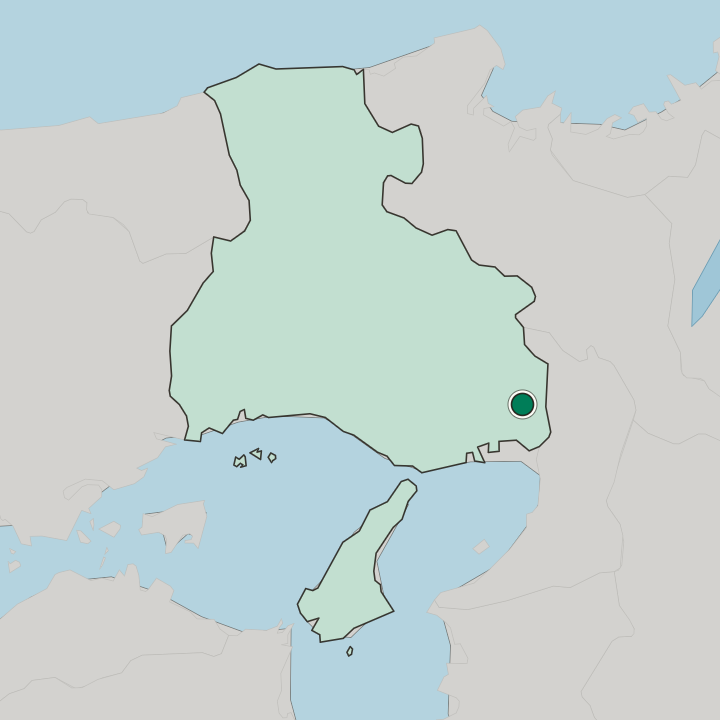
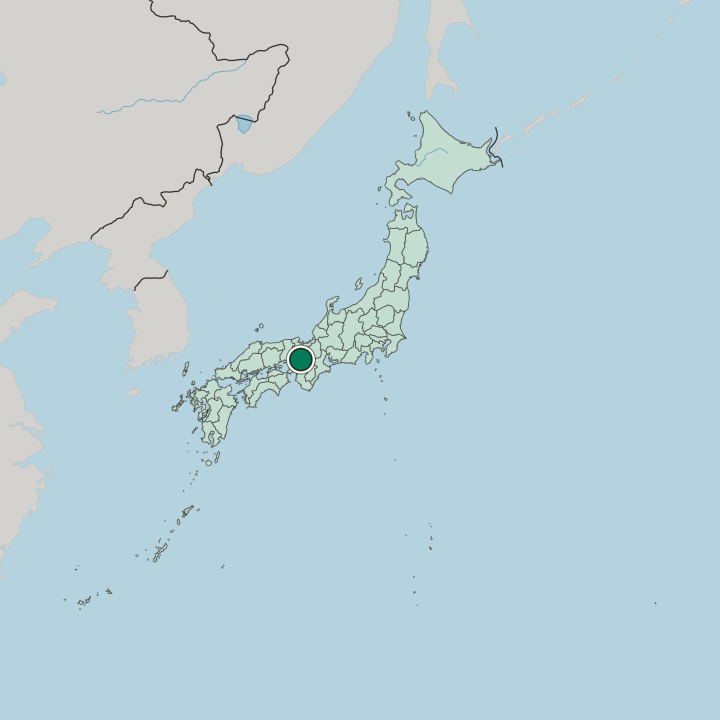
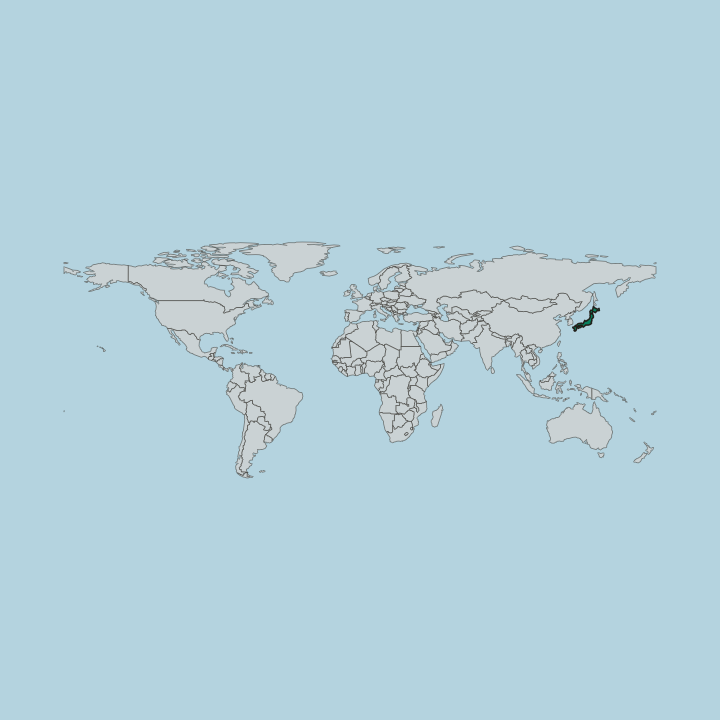
Takarazuka occupies a compact piece of Hyōgo Prefecture in the Kansai region. Its neighbours are the names it is usually listed with, Ashiya and Nishinomiya, and the boundary toward Nigawa-Yurino-chō marks where flat ground gives way to slopes. Itami lies nearby as well. The theatre quarter, Kohama, and the museum streets all fall within a short span, which keeps the city easy to read once the first landmark is fixed.
What is the climate of Takarazuka?
Warmth lingers here. Takarazuka falls inside the subtropical band, so the damp middle of the year makes an afternoon at the Osamu Tezuka Manga Museum or an hour in the hot springs more appealing than any plan involving pavement. Visitors tend to move indoors through those weeks, then come out again for the evening.
Autumn clears the air. Snow is not the story.
How do you get to Takarazuka?
Arrivals come through the Kansai belt. Takarazuka sits among Ashiya, Nishinomiya, and Itami, close enough to each that the Itami City Museum of Insects turns up on this city's own landmark list, and the approach from any of them is short. Performance days bring the crowds.
Anyone heading straight for the Takarazuka Revue should allow for that, while the Kohamajuku Museum and the Nigawa-Yurino-chō edge stay calm whatever the schedule.
Common questions
What is the best area to stay in Takarazuka?
Revue quarter: curtain nights at the Takarazuka Revue. Takarazuka Arts Center side: gallery days at the Tessai Museum. Kohama: early nights near the Kohamajuku Museum. Nigawa-Yurino-chō edge: travellers splitting time with Nishinomiya.
Good for
More cities in Hyōgo
Updated September 2026