Japan · Hyōgo
Where to Stay in Sandachō, Hyōgo
Glass, paper, and natural history. Sandachō carries all three across a broad stretch of Hyōgo Prefecture.
Hotel links are affiliate links: booking through them may earn us a commission, at no extra cost to you. It never affects how places are ranked. How this works


Where to stay in Sandachō
Where the beds are, and what that means for the visit.
Most beds gather in central Sanda. That is where the Sanda Museum and the Sanda Glass Art Center stand within reach of the same streets, and where an evening still has somewhere to go once the exhibition rooms shut for the day. Shiroyama Park anchors the walk.
The Museum of Nature and Human Activities, Hyōgo makes the strongest single argument for the central choice, since a morning inside it can easily run past noon and leave little appetite for driving afterwards. The Arima side answers a different question. Taikō-no-Yu and the Taikō-no-yu Museum give that stretch its character, with the Arima Philatelic Museum and the Arima Toys & Automata Museum a short way on, and rooms there trade museum density for bath-town evenings.
Najio is the third option. The Najio Japanese Paper Making Learning Center is the reason to be there, and almost nothing else sits within walking distance, so an overnight only makes sense for someone building a day around the craft itself. Drivers sometimes prefer the Oosawa edge, where the roadside station at Koube Fruit Flower Park Oosawa marks the farmland fringe and the road out.
If you want everything on foot, take central Sanda and treat the rest as day trips, because the district is wide and its clusters do not connect by pavement. UCCJ Settsu Sanda Church stands near the middle of it all.
Find hotels in Sandachō
Direct booking searches for these neighbourhoods.
Central Sanda
Sanda Museum, the Sanda Glass Art Center, and Shiroyama Park all sit within reach of the same central streets.Find hotels in Central Sandabath-town evenings around Taikō-no-YuArima side
Taikō-no-Yu and the Taikō-no-yu Museum set the tone, with the Arima Philatelic Museum and Arima Toys & Automata Museum a short way on.Find hotels in Arima sidea papermaking day at the Najio Japanese Paper Making Learning CenterNajio
Village streets built around the Najio Japanese Paper Making Learning Center, with little else in walking range. Lodging is scarce in this area; reserve in advance.Find hotels in Najiodrivers stopping at Koube Fruit Flower Park OosawaOosawa
Farmland fringe beside the Koube Fruit Flower Park Oosawa roadside station, useful with a car and awkward without one. Rooms are few around here — worth securing early.Find hotels in OosawaHotel links are affiliate links: booking through them may earn us a commission, at no extra cost to you. It never affects how places are ranked. How this works
Things to do in Sandachō
Ranked by global recognition; descriptions from Wikidata (CC0).
Museums & Galleries
2- Taikō-no-yu Museum
- Sanda Glass Art Center
Churches & Religious Sites
1- UCCJ Settsu Sanda Church
Stadiums & Sports
1- 城山公園
Parks & Gardens
3- Taikō-no-Yu
- 有馬わんわんランド
- 有馬ます池
worth knowingacross 4 categories in Sandachō
About Sandachō
Craft and natural history divide the attention.
What is Sandachō known for?
The Museum of Nature and Human Activities, Hyōgo carries the widest reputation, while the Sanda Glass Art Center works the applied end and the Najio Japanese Paper Making Learning Center keeps a papermaking tradition in teaching order. Sanda Museum covers the local record. Close enough to fold into the same trip, the Arima Philatelic Museum and the Arima Toys & Automata Museum pull a different sort of visitor.
What are the main landmarks in Sandachō?
Start with the natural sciences. The Museum of Nature and Human Activities, Hyōgo is the largest of the collections, and the Sanda Museum, the Sanda Glass Art Center, and the Najio Japanese Paper Making Learning Center follow it with narrower subjects of their own. Shiroyama Park gives the town its green ground, and UCCJ Settsu Sanda Church its most recognisable roofline.
Taikō-no-Yu draws the bathers. Smaller curiosities wait on the Arima side, at the Arima Philatelic Museum and the Arima Toys & Automata Museum.
What is the history of Sandachō?
Craft came before administration. Papermaking at Najio is old enough to have earned a learning centre of its own, and the Najio Japanese Paper Making Learning Center now teaches what was once ordinary household work in that part of the district. Then the municipal map was drawn.
Sanda was established in 1889 under the name Sanda-chō. The name Settsu survives on a church door. UCCJ Settsu Sanda Church carries the older regional label alongside the town's own, a small piece of continuity in a place whose institutions otherwise read as recent.
Glass followed later. The Sanda Glass Art Center belongs to the modern craft revival rather than to any inherited trade, and it sits closer in spirit to the Museum of Nature and Human Activities, Hyōgo than to the paper workshops at Najio. Sanda Museum holds the local record together.
Off toward Arima, the Taikō-no-yu Museum and Taikō-no-Yu attach a bathing history to the same corner of the map, while the Arima Philatelic Museum and the Arima Toys & Automata Museum collect much later enthusiasms. Farmland persists on the edges around Oosawa.
Where is Sandachō?
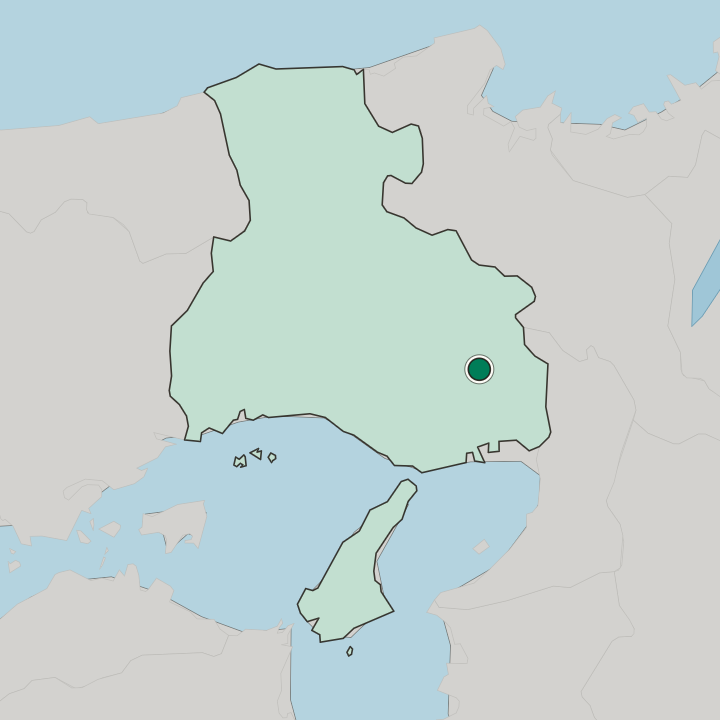
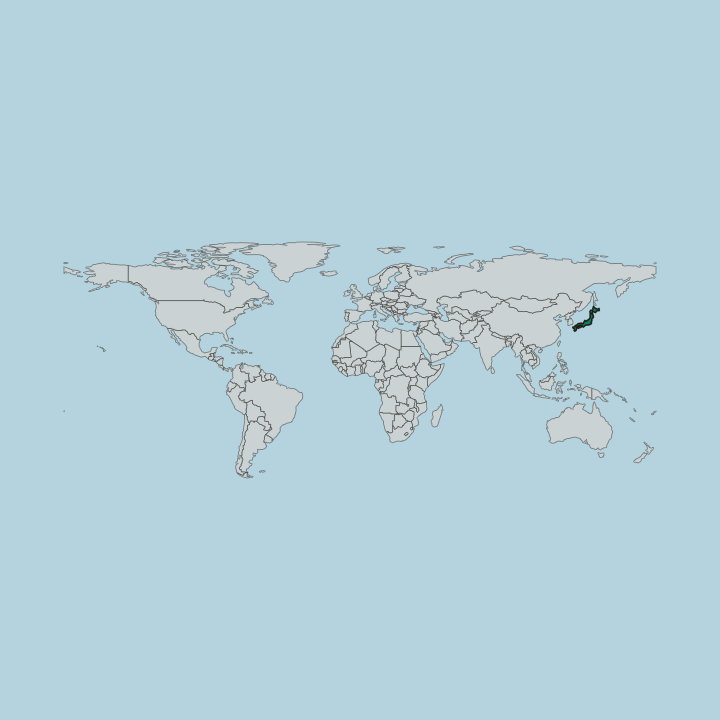
Sandachō covers far more ground than its built-up core suggests. The municipality reaches across a wide piece of Hyōgo Prefecture, so the streets around Sanda Museum give way quickly to farmland, and settlements such as Najio and the fringe at Oosawa sit well apart from the centre. Arima lies beyond one edge.
Shiroyama Park marks the green ground closest in.
What is the climate of Sandachō?
Sanda's year runs on subtropical terms. Warmth arrives early and holds late, and the humid stretch in the middle of the year is long enough that indoor plans stop being a fallback and become the sensible default for whole afternoons. The Museum of Nature and Human Activities, Hyōgo absorbs those hours well.
Shoulder seasons are the easy ones. Winter passes quickly around Sanda.
How do you get to Sandachō?
Sanda spreads wide. A roadside station at Koube Fruit Flower Park Oosawa signals how much of the district is reached by road, with farmland and low ground separating the clusters rather than continuous street frontage. Arima sits off to one side.
Najio and its paper-making centre suit drivers best, while anyone arriving without a car does better to plan around the central museums and Shiroyama Park.
Common questions
What is the best area to stay in Sandachō?
Central Sanda: museum days that begin at the Museum of Nature and Human Activities, Hyōgo. Arima side: bath-town evenings around Taikō-no-Yu. Najio: a papermaking day at the Najio Japanese Paper Making Learning Center. Oosawa: drivers stopping at Koube Fruit Flower Park Oosawa.
Good for
More cities in Hyōgo
Updated October 2026