Japan · Hyōgo
Where to Stay in Toyooka, Hyōgo
A city facing the Sea of Japan. Toyooka, a city since 1950, takes in castle ground at Izushi, the rocks of Genbudō, and the Kinosaki lanes.
Hotel links are affiliate links: booking through them may earn us a commission, at no extra cost to you. It never affects how places are ranked. How this works


Where to stay in Toyooka
The practical side of choosing where to sleep.
Kinosaki takes most overnight visitors. Its lanes hold the Kinosaki Art Museum and Onsen-ji Temple within an easy circuit, and Nishimuraya Honkan is the address people name when they name any address in this city at all. Evenings there run slow.
Anyone choosing between the two halves of Toyooka should understand that Kinosaki is the one built for staying rather than passing through, and it books up accordingly. Izushi is the alternative with a longer past. Rooms below Arikoyama Castle put the castle slope and the old town streets on the doorstep, and the pace drops further once the day visitors leave.
Central Toyooka suits planners. Meijikan and the Itoh Kiyonaga Memorial Hall stand in reach of that base, Honjū-ji Temple adds another stop, and the wider municipality opens from there toward Genbudō and Konosumiyama Castle without committing to either end. Mikiya belongs to the same in-town register.
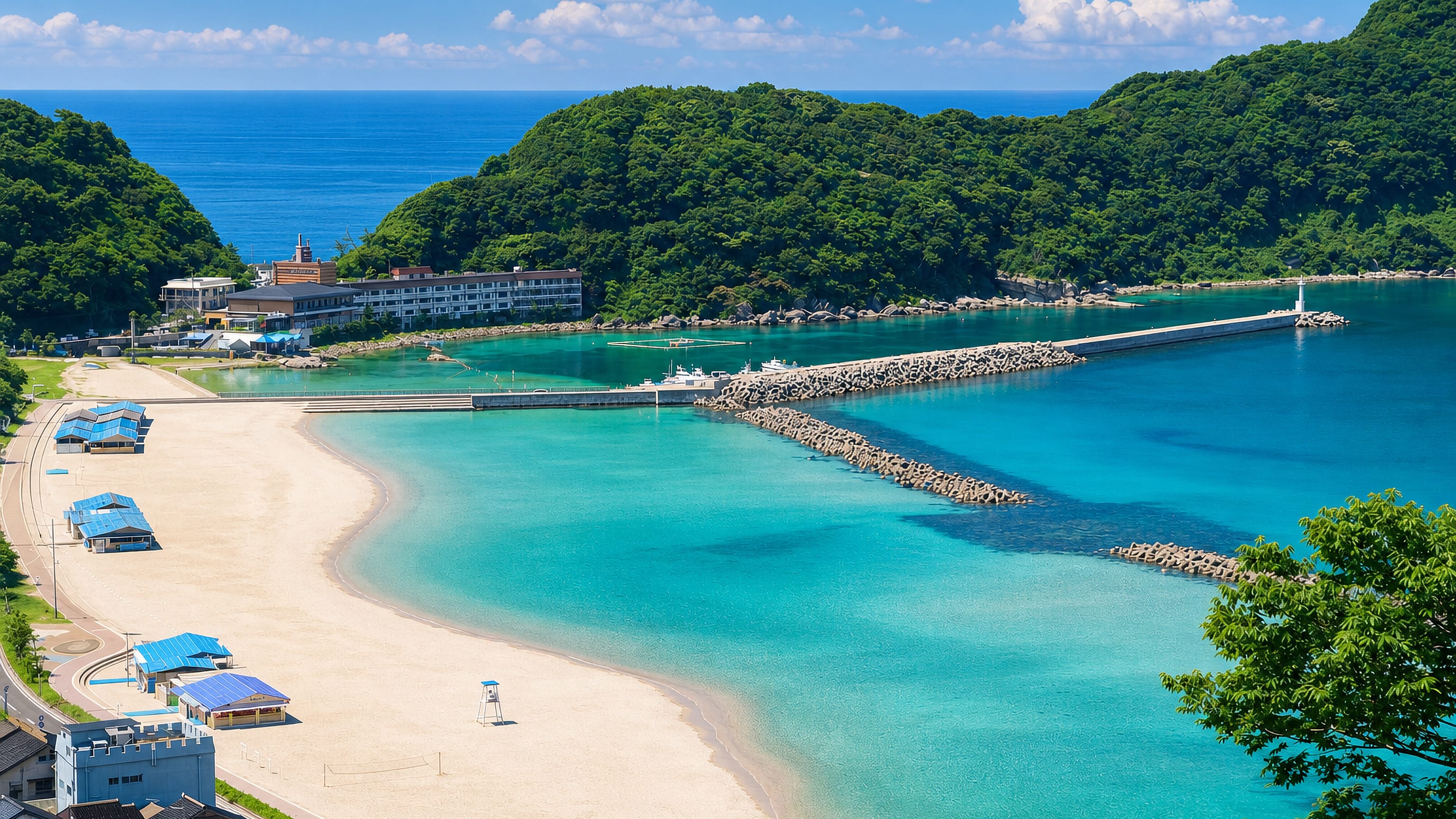
Out at the shore, Hasakariiwa marks where the land gives out at the Sea of Japan, and beds are thin on that stretch. If you are here for one night only, take Kinosaki and leave the inland sites for a return, because Toyooka is far too large to sample from a single base in a single day.
Find hotels in Toyooka
Direct booking searches for these neighbourhoods.
Kinosaki
The Kinosaki Art Museum, Onsen-ji Temple, and Nishimuraya Honkan all fall inside the same few lanes.Find hotels in Kinosakicastle-town mornings below Arikoyama CastleIzushi
Arikoyama Castle stands over the old streets, and the quarter empties once the day visitors go.Find hotels in Izushitrips that split time between Genbudō and Konosumiyama CastleCentral Toyooka
Meijikan, the Itoh Kiyonaga Memorial Hall, and Honjū-ji Temple sit in town, with the wider municipality opening from here.Find hotels in Central Toyookawalkers going out to where the land endsHasakariiwa shore
Coast ground at Hasakariiwa, facing the Sea of Japan, with very little built around it. Few places to stay nearby — book ahead.Find hotels in Hasakariiwa shoreHotel links are affiliate links: booking through them may earn us a commission, at no extra cost to you. It never affects how places are ranked. How this works
About Toyooka
Izushi carries the older reputation.
What is Toyooka known for?
Arikoyama Castle stands over that quarter and Konosumiyama Castle marks a second stronghold, so the inland half of the municipality reads as castle country before it reads as anything else. Kinosaki answers with its lanes. The Kinosaki Art Museum and Onsen-ji Temple give that side its fixed points, Nishimuraya Honkan its best-known address, and Genbudō supplies the geological curiosity that belongs to neither town.
What are the main landmarks in Toyooka?
Toyooka's roster opens with two castles. Arikoyama Castle and Konosumiyama Castle hold the inland ground, Onsen-ji Temple and Honjū-ji Temple the religious side, and the Kinosaki Art Museum the contemporary one. Meijikan keeps a period name.
The Itoh Kiyonaga Memorial Hall and Mikiya preserve buildings rather than collections, and the zelkova forest at Ichinomiya Shrine stands as a living monument of its own. Genbudō and Hasakariiwa carry no doors at all; they are simply places on the ground, and the second of them sits where the coast meets the Sea of Japan.
What is the history of Toyooka?
Castles set the earliest pattern. Arikoyama Castle and Konosumiyama Castle mark the strongholds that once controlled this inland country, and Izushi grew as the town attached to that authority rather than to any coast. Temples anchored the rest.
Onsen-ji Temple and Honjū-ji Temple carried the religious life of separate settlements, and the zelkova forest at Ichinomiya Shrine has been left standing long enough to become a monument in itself. The modern city is a much later assembly. Toyooka took city status in 1950, drawing several distinct communities into one very large municipality that still reads as a set of towns rather than a single centre.
Meijikan belongs to the period between. Its name fixes the era of its building, as the Itoh Kiyonaga Memorial Hall fixes a person and Mikiya a piece of ordinary architecture worth keeping. Kinosaki developed along a different line, and the Kinosaki Art Museum and Nishimuraya Honkan show how far that trade in visitors has been taken.
Genbudō was here before all of it. Hasakariiwa likewise, out where the Sea of Japan works at the rock, and neither owes anything to the history of the towns behind them.
Where is Toyooka?
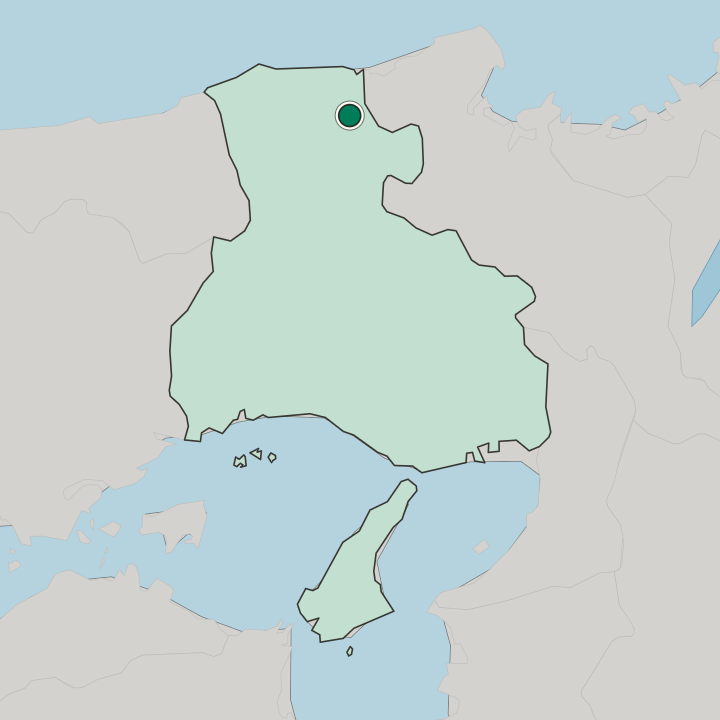
Toyooka faces the Sea of Japan from a very large stretch of Hyōgo Prefecture. Its shore takes in Hasakariiwa, its interior the castle ground around Izushi, and between them lie Kinosaki, Genbudō, and enough open country that no single view accounts for the municipality. Getting between them takes a while.
A plan that treats Toyooka as one town will fail, since the parts sit far apart and each keeps its own centre.
What is the climate of Toyooka?
The Sea of Japan does the work. Air coming off that water keeps the temperate seasons damp, and the cold half of the year is markedly heavier here than in the sheltered parts of Hyōgo, with grey skies settling in for long stretches. Kinosaki suits that weather well.
Summer is shorter and greener, and Izushi and Genbudō are best walked in it.
How do you get to Toyooka?
Toyooka is a long way from anywhere quick. The municipality covers so much ground that arriving is only half the problem, and reaching Izushi, Kinosaki, Genbudō, and the shore at Hasakariiwa in one visit means moving between separate town centres rather than around a single one. Kinosaki draws the through traffic.
Central Toyooka works better for anyone with a car, since Konosumiyama Castle and the outlying sites answer to the road.
Common questions
What is the best area to stay in Toyooka?
Kinosaki: slow evenings between Onsen-ji Temple and the Kinosaki Art Museum. Izushi: castle-town mornings below Arikoyama Castle. Central Toyooka: trips that split time between Genbudō and Konosumiyama Castle. Hasakariiwa shore: walkers going out to where the land ends.
Good for
More cities in Hyōgo
Updated September 2026