Japan · Hyōgo
Where to Stay in Kobe, Hyōgo
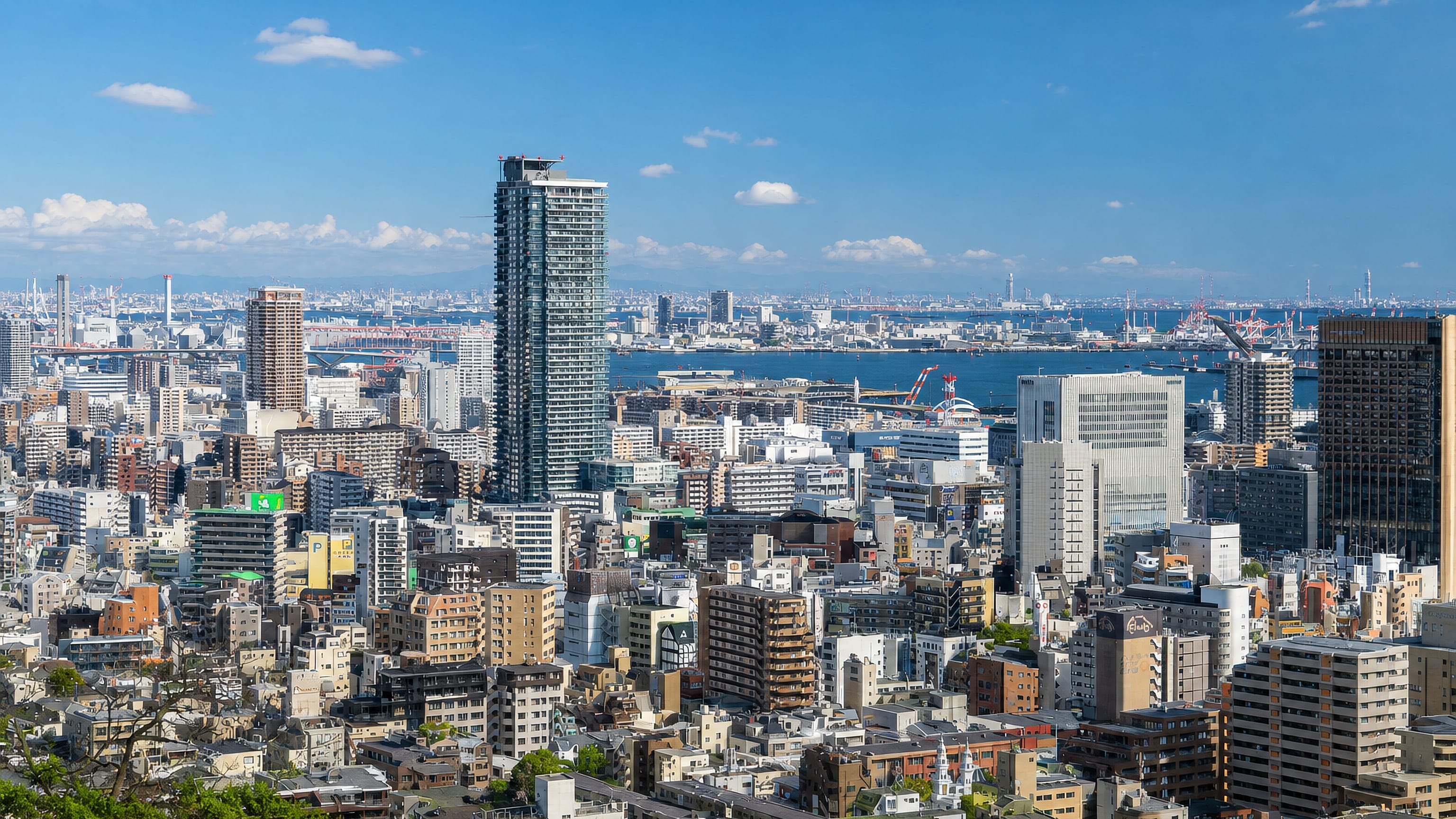
Wharves and hillside homes ring Kobe, a port city on Osaka Bay in the Kansai region of Honshu, known for Kobe Port Tower and the Kitano foreign houses.
Hotel links are affiliate links: booking through them may earn us a commission, at no extra cost to you. It never affects how places are ranked. How this works


Where to stay in Kobe
One neighbourhood here has its own guide — here's what it is best for.

 KobeJapan
Sannomiya
Sannomiya is the commercial and entertainment core of Kobe, a district of Chūō-ku named after Sannomiya Shrine, a branch of Ikuta Shrine.Where to stay →Hotel links are affiliate links: booking through them may earn us a commission, at no extra cost to you. It never affects how places are ranked. How this works
Find hotels in Kobe
Direct booking searches for these neighbourhoods.
Harbour front
The Kobe Port Tower, the Kobe Maritime Museum, and the Mosaic Garden walk line the piers on Osaka Bay.Find hotels in Harbour frontForeign villas and slope viewsKitano hillside
The Uroko House, Italian House, and Yamate 8-Bankan cluster around the Kobe Kitano Museum above the bay.Find hotels in Kitano hillsideGalleries and station linksCentral grid
The Hyōgo Prefectural Museum of Art and the UCC Coffee Museum sit near the shore rail lines running toward Osaka.Find hotels in Central gridHotel links are affiliate links: booking through them may earn us a commission, at no extra cost to you. It never affects how places are ranked. How this works
Things to do in Kobe
Ranked by global recognition; descriptions from Wikidata (CC0).
Museums & Galleries
3- Kobe City Museum Heritage
- Uroko House & Observation Gallery Heritage
- Hyōgo Prefectural Museum of Art
Churches & Religious Sites
3- Kobe Union Church
- Kobe Eiko Church
- UCCJ Kobe Church
Parks & Gardens
2- Kobe Anpanman Children's Museum & Mall
- Mosaic Garden
worth knowingacross 3 categories in Kobe
About Kobe
What is Kobe known for?
Kobe is known as a historic port city on the north shore of Osaka Bay, the capital of Hyōgo Prefecture in the Kansai region. Its harbour defines it. The Kobe Port Tower and the Kobe Maritime Museum mark the working waterfront, while the hillside Kitano quarter keeps the foreign residences left by the merchants who once traded through the port.
It stands with Osaka and Kyoto in the Keihanshin metropolitan area, an early treaty port whose ships, coffee houses, and Western-style villas gave it a character apart from its inland neighbours.
What are the main landmarks in Kobe?
Kobe Port Tower is the city's signature landmark, a slender lattice mast that rises over the piers beside the Kobe Maritime Museum. Its waterfront runs long. Along the harbour the Kobe City Museum and the Mosaic Garden walk trace the shore, while the hillside Kitano quarter holds foreign villas such as the Uroko House and the Italian House around the Kobe Kitano Museum.
Memory sits close by. The Port of Kobe Earthquake Memorial Park and the Disaster Reduction and Human Renovation Institution record the great earthquake that struck the city, alongside the UCC Coffee Museum on the shore.
What is the history of Kobe?
Kobe grew from a harbour on Osaka Bay into one of Japan's first treaty ports, opened to foreign trade in the closing years of the shogunate and organised as a modern city in 1889. Merchants and shipping lines arrived from abroad and settled the slopes above the docks. Foreign houses followed.
The Western-style villas in the Kitano quarter, among them the Uroko House and the Italian House, date from these years of open trade. Ships carried coffee, machinery, and passengers through the port. That commerce is remembered in halls such as the UCC Coffee Museum and the Kobe Maritime Museum.
This city on the north shore of Osaka Bay took its place beside Osaka and Kyoto in the Keihanshin metropolitan area. Then came the great earthquake. The disaster that struck the city is recorded at the Port of Kobe Earthquake Memorial Park and the Disaster Reduction and Human Renovation Institution, which mark the rebuilding of the waterfront and stand as the modern chapter in the port's long story on the Kansai region coast.
Where is Kobe?
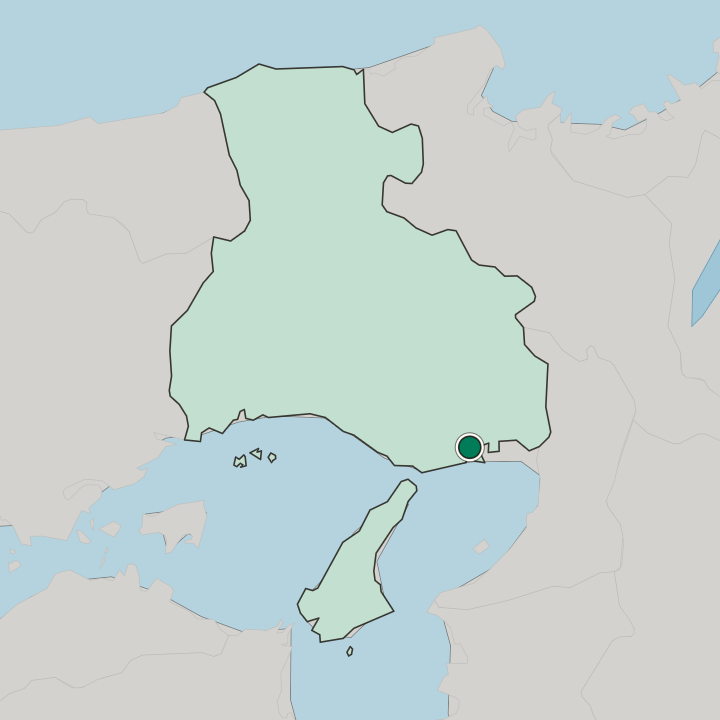
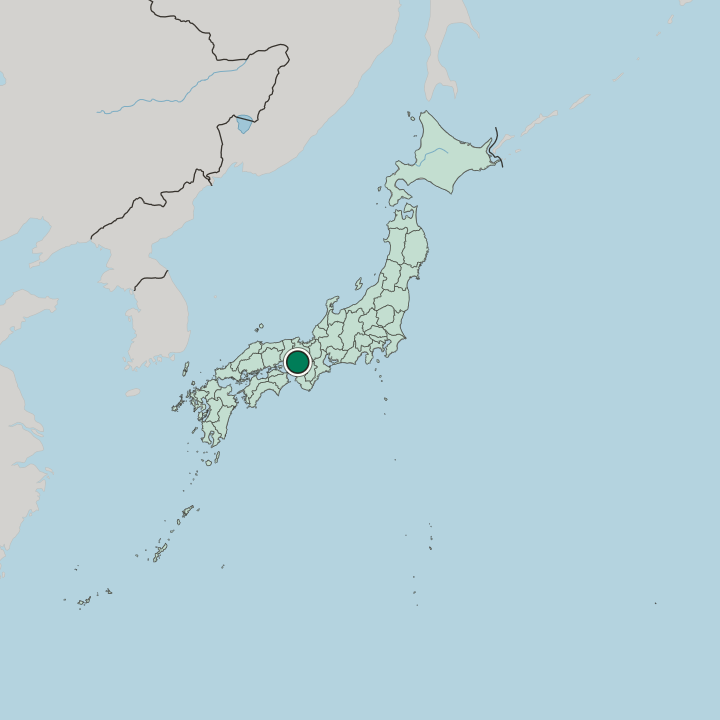
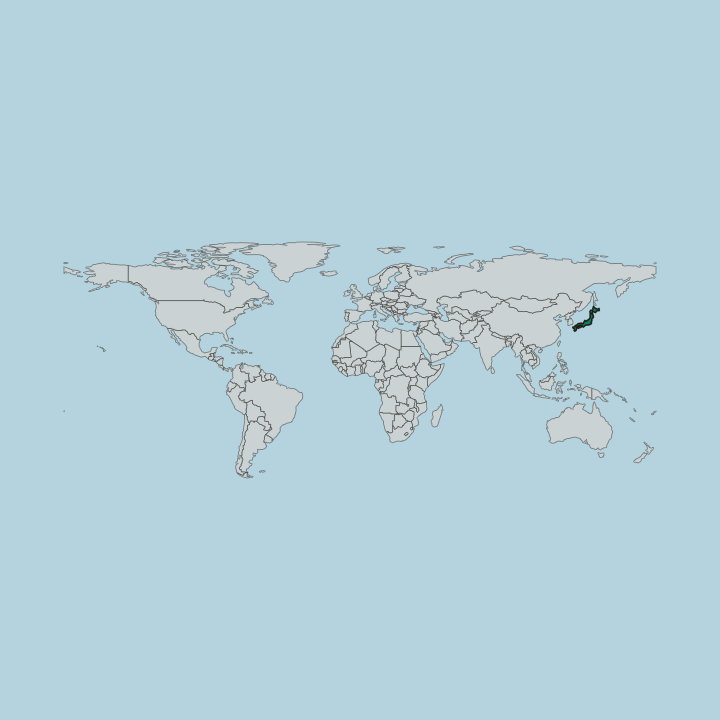
Kobe stretches along the north shore of Osaka Bay in the Kansai region of Honshu, the capital of Hyōgo Prefecture. The city runs as a long, narrow strip pressed between steep wooded hills and the sea, with the harbour and reclaimed islands on one side and slopes rising close behind the Kitano quarter. Little flat land separates them.
West of Osaka and southwest of Kyoto, it forms part of the Keihanshin metropolitan area strung along the bay.
What is the climate of Kobe?
Kobe has a warm, humid climate softened by its position on Osaka Bay in the Kansai region. Summers turn hot and muggy. Sea air off the bay tempers the worst of the heat along the shore, while the hills behind the city catch cloud and rain through the wet season and the typhoon months.
Winters stay mild and mostly dry, with cold snaps but little lasting snow on the coastal strip below the slopes of Kitano.
How do you get to Kobe?
Kobe sits on the main rail spine along Osaka Bay, linked to Osaka and Kyoto by frequent trains through the Keihanshin metropolitan area. Bullet trains call nearby. The port itself handles ferries and shipping on the north shore of the bay, and terminals cluster near the Kobe Port Tower on the waterfront.
Local rail and subway lines run the length of the narrow city between the sea and the hills, reaching the harbour piers and the Kitano quarter above.
Common questions
What is the best area to stay in Kobe?
Harbour front: Piers, museums, and arrivals. Kitano hillside: Foreign villas and slope views. Central grid: Galleries and station links.
Good for
More cities in Hyōgo
Updated October 2026