Japan · Hyōgo
Where to Stay in Nishinomiya, Hyōgo
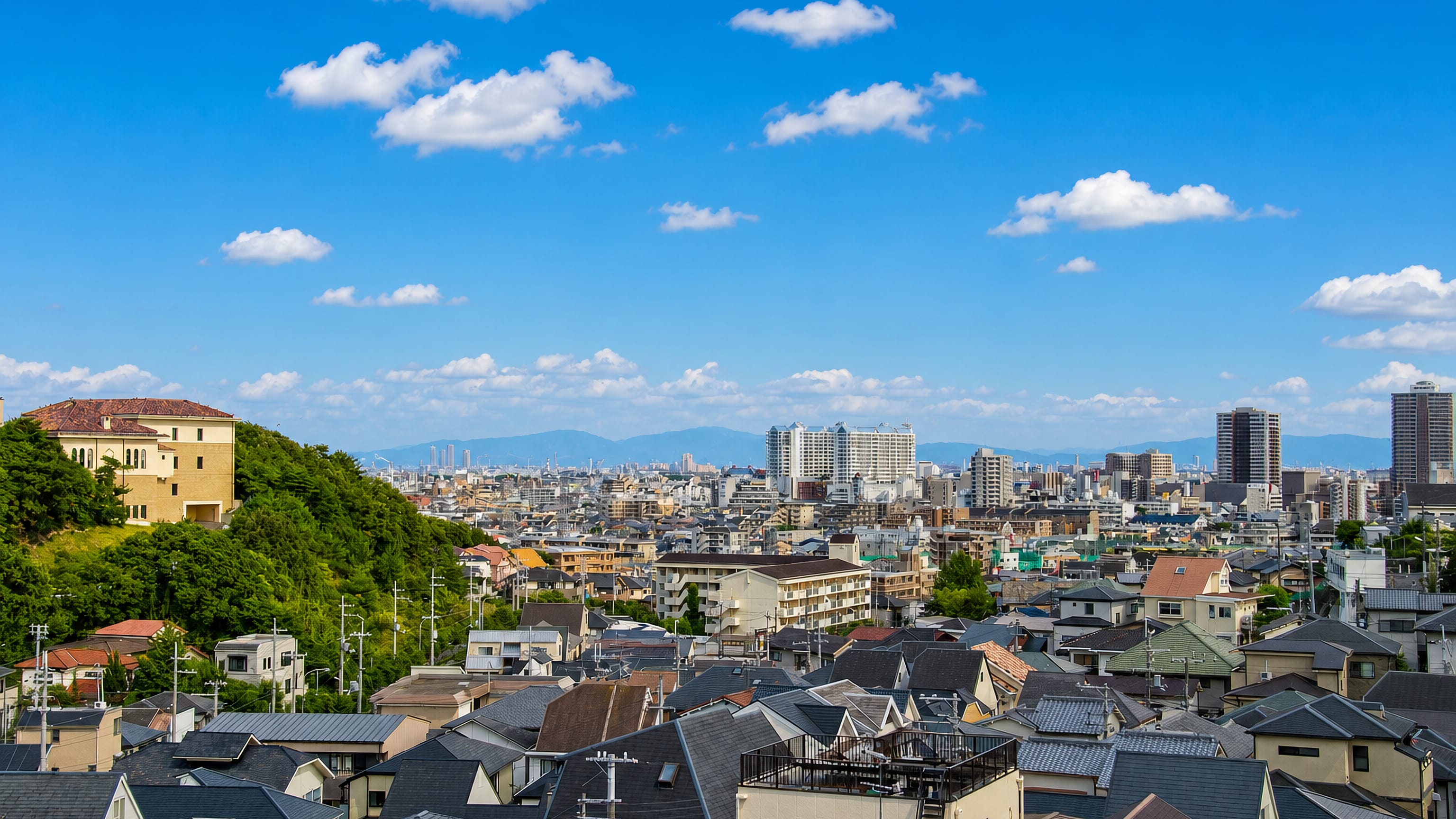
Sake and baseball, side by side. Nishinomiya holds brewery halls, art museums, and the Koshien grounds in one Hyōgo city.
Hotel links are affiliate links: booking through them may earn us a commission, at no extra cost to you. It never affects how places are ranked. How this works


Where to stay in Nishinomiya
The practical side of choosing where to sleep.
The choice here runs between Shukugawa and Koshien. Shukugawa carries the quieter register, with the Shukugawa Catholic Church and Anne's Rose Church a short walk apart and the Otani Memorial Art Museum near enough to fold into the same afternoon. Rooms around Shukugawa are few.
Around Koshien the mood changes on event days, when the Museum of Hanshin Koshien Stadium and KidZania Koshien pull families into the same few blocks and the streets fill early. Sakagura Dōri answers a different interest. The Hakushika Memorial Museum of Sake, the Hakutaka Rokusuien, and the Nihonsakari Sakagura Dōri Rengakan stand close together, so a room among the brewery halls puts the cellars and the Tatsuuma Collection of Fine Arts inside one walk.
A third register sits inland at Nigawa-Yurino-chō, residential rather than commercial, with the landslide museum marking where the slopes begin. Small collections fill the gaps between all three: the Nishinomiya Shell Museum, the Horie Orgel Museum, and the Former Residence of Saika Tomita reward an unhurried hour. If you care about art above everything, weigh neighbouring Ashiya, where the Ashiya City Museum of Art and History and the Tanizaki Jun'ichirō Memorial Museum of Literature fall inside the same visiting radius.
The Egawa Museum of Art suits that plan as well. Nishinomiya rewards a base chosen by interest rather than by convenience, since none of its quarters tries to be all things at once.
Find hotels in Nishinomiya
Direct booking searches for these neighbourhoods.
Shukugawa
Two small churches within a walk of each other, with the Otani Memorial Art Museum close by and residential streets that stay calm.Find hotels in Shukugawafamilies pairing KidZania Koshien with the stadium museumKoshien
Event-day energy around the Museum of Hanshin Koshien Stadium, with KidZania Koshien in the same handful of blocks.Find hotels in Koshiensake visits at the Hakushika Memorial Museum of Sake and Hakutaka RokusuienSakagura Dōri
Brewery halls, the Nihonsakari Sakagura Dōri Rengakan, and the Tatsuuma Collection of Fine Arts inside a single walk.Find hotels in Sakagura Dōria residential base where the slopes beginNigawa-Yurino-chō
Inland streets marked by the Nigawa-Yurino-chō Landslide Museum, well away from the Koshien crowds. Few places to stay nearby — book ahead.Find hotels in Nigawa-Yurino-chōHotel links are affiliate links: booking through them may earn us a commission, at no extra cost to you. It never affects how places are ranked. How this works
Things to do in Nishinomiya
Ranked by global recognition; descriptions from Wikidata (CC0).
Museums & Galleries
3- Egawa Museum of Art
- Otani Memorial Art Museum, Nishinomiya City
- Tatsuuma Collection of Fine Arts
Churches & Religious Sites
2- Shukugawa Catholic Church
- Anne's Rose Church
Castles & Historic Sites
1- Asahigaoka Site
Parks & Gardens
1- KidZania Koshien
worth knowingacross 4 categories in Nishinomiya
About Nishinomiya
Two names carry the city outward: sake and Koshien.
What is Nishinomiya known for?
The Hakushika Memorial Museum of Sake and the Nihonsakari Sakagura Dōri Rengakan keep the brewing trade in public rooms, while the Museum of Hanshin Koshien Stadium holds the other half of the reputation and draws a different crowd entirely. Families make for KidZania Koshien. Art has a long shelf here too, running from the Otani Memorial Art Museum to the Tatsuuma Collection of Fine Arts.
What are the main landmarks in Nishinomiya?
Nishinomiya leans hard on its collections. The Museum of Hanshin Koshien Stadium and the Hakushika Memorial Museum of Sake anchor the two best-known threads, while the Egawa Museum of Art, the Tawara Museum of Art, and the Otani Memorial Art Museum hold the fine-art end. Smaller rooms reward curiosity: the Nishinomiya Shell Museum, the Horie Orgel Museum, and the Nigawa-Yurino-chō Landslide Museum.
Shukugawa Catholic Church and Anne's Rose Church mark their streets. The Former Residence of Saika Tomita keeps a domestic scale.
What is the history of Nishinomiya?
Settlement here predates the city. The Asahigaoka Site preserves evidence of that earlier occupation in ground long since built over, and the excavated Maeda site adds a second point of reference for the same deep chronology. The town of Nishinomiya was established in 1889, with the creation of the modern municipalities system, and the name it carried then, Nishinomiya-chō, marks the modest municipal footing from which the present city grew.
Sake ran through the century that followed. Names now attached to museum doors belong to that trade, and the Hakushika Memorial Museum of Sake, the Hakutaka Rokusuien, and the Nihonsakari Sakagura Dōri Rengakan each keep some part of the brewing quarter legible to visitors. Koshien supplied a second identity.
The stadium there has a museum of its own, and KidZania Koshien later joined it on the same side of town, giving the district a draw that has nothing to do with cellars. Collections followed money into public rooms. The Tatsuuma Collection of Fine Arts, the Egawa Museum of Art, and the Otani Memorial Art Museum trace that turn, while the Former Residence of Saika Tomita preserves a house from the era.
Literature belongs to the neighbouring stretch of coast, where the Tanizaki Jun'ichirō Memorial Museum of Literature stands in Ashiya.
Where is Nishinomiya?
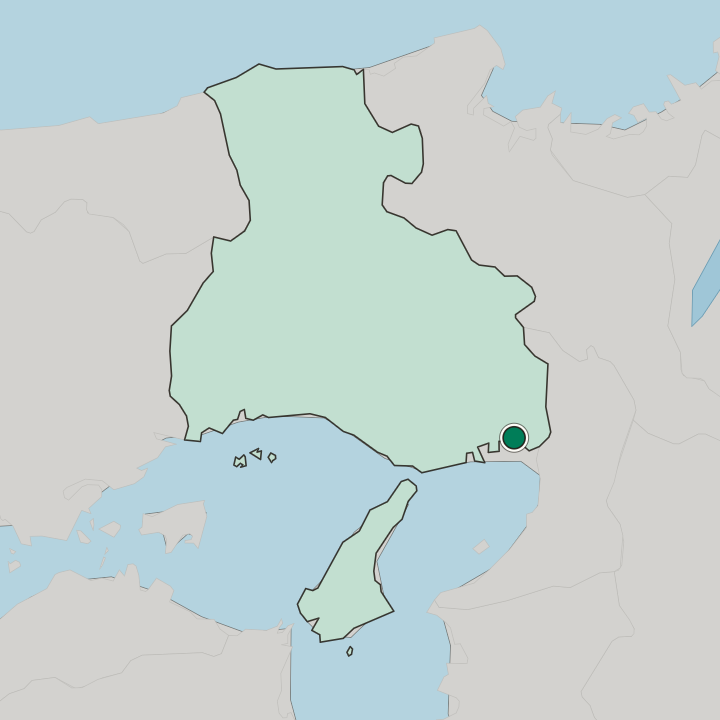
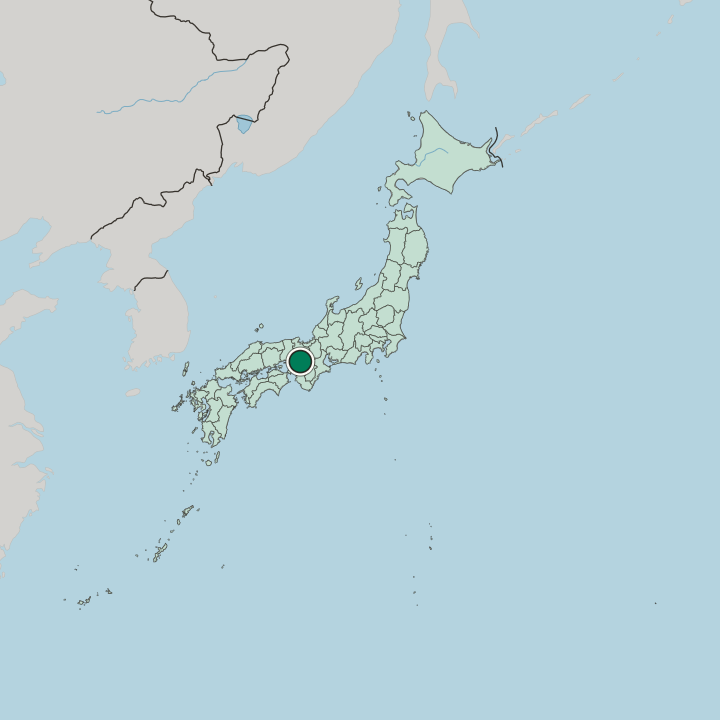
Nishinomiya takes up a broad piece of Hyōgo Prefecture alongside Ashiya. Shukugawa holds one part of the built-up area and Koshien another, while the ground rises inland toward Nigawa-Yurino-chō, a change of slope recorded by the landslide museum that borrows the district's name. Quarters sit close together.
The city reads as several distinct neighbourhoods rather than one dense core, and the museums scattered through them make that pattern easy to notice on foot.
What is the climate of Nishinomiya?
Humidity is the defining fact. Nishinomiya falls within the subtropical band, which stretches the warm season well past what the calendar suggests and loads the air with moisture that shade alone does not fix. Indoor stops earn their keep in those weeks, and the Egawa Museum of Art or the Nishinomiya Shell Museum fill an afternoon comfortably.
Winter runs shorter.
How do you get to Nishinomiya?
Koshien is the easiest fixed point. Anyone heading for the brewery halls should aim instead at Sakagura Dōri, since the Hakushika Memorial Museum of Sake and the Nihonsakari Sakagura Dōri Rengakan stand well apart from the stadium blocks and reward a separate approach. Shukugawa sits apart from both.
Distances inside Hyōgo's built-up belt stay short, so a day begun at KidZania Koshien can still end among the museums of Ashiya.
Common questions
What is the best area to stay in Nishinomiya?
Shukugawa: quiet days between Shukugawa Catholic Church and Anne's Rose Church. Koshien: families pairing KidZania Koshien with the stadium museum. Sakagura Dōri: sake visits at the Hakushika Memorial Museum of Sake and Hakutaka Rokusuien. Nigawa-Yurino-chō: a residential base where the slopes begin.
Good for
More cities in Hyōgo
Updated October 2026