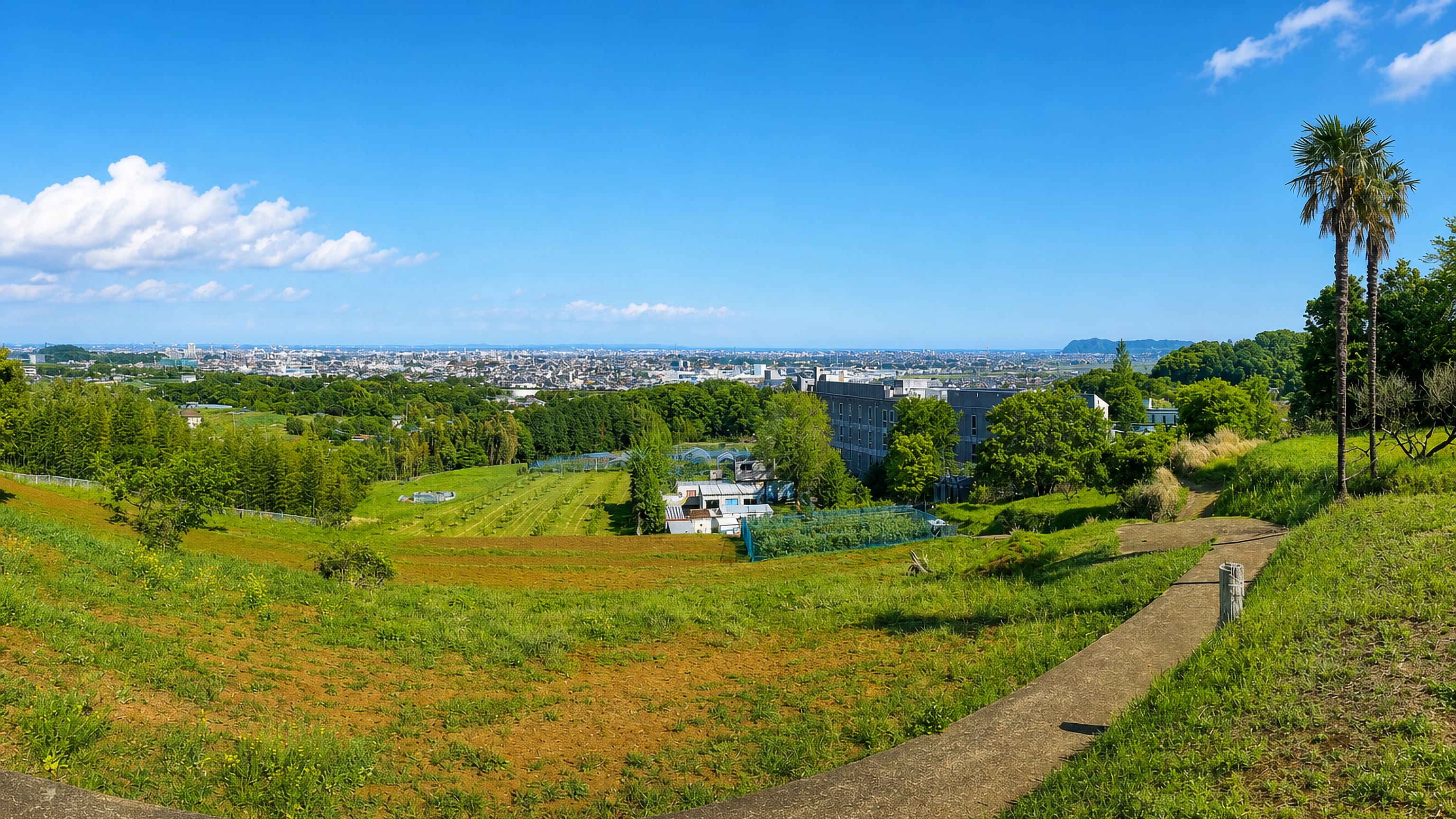
Japan · Kanagawa
Where to Stay in Isehara, Kanagawa
Isehara is a city of Kanagawa in Japan, reaching up to Mount Oyama, whose old forest and the temple woods at Hinata Yakushi Temple lie inside its bounds.
Hotel links are affiliate links: booking through them may earn us a commission, at no extra cost to you. It never affects how places are ranked. How this works


Where to stay in Isehara
The practical side of choosing where to sleep.
Mount Oyama sets the terms here. A room in Isehara is chosen for how early it lets a walker start, because the forest ground at Oyama Primeval Forest and the temple woods at Hinata Yakushi Temple Forest both reward the first hours of the day far more than the last. Town beds are plain.
The built-up part of Isehara offers ordinary rooms on ordinary streets, close to shops and transport, and that suits anyone treating the city as a night's rest inside Kanagawa rather than a destination. Hinata Yakushi Temple is the other pole. Staying toward the temple side puts Hojobo Main Hall and the two listed cedars of Hojobo Twin Cedars within a short approach, and it shortens the morning for anyone heading into the Hinata Yakushi Temple Forest woods.
Daifuku-ji Temple adds a third stop. Great Camphor of Daifukuji, a single great camphor, stands on that ground and takes about as long to visit as it takes to find. Archaeology fills the flat part.
The Isehara Hachimandai Stone Age Dwelling Site sits away from the forest entirely, on the lower ground where most of the city's beds are, which makes it the easiest thing here to reach without a car.
Find hotels in Isehara
Direct booking searches for these neighbourhoods.
Mount Oyama
The mountain ground of Mount Oyama, where the old forest at Oyama Primeval Forest is closest to the first light on the path. Beds are limited here, so book early.Find hotels in Mount Oyamatemple mornings at Hojobo Main Hall and Hojobo Twin CedarsHinata Yakushi Temple
The temple side of Isehara, with Hinata Yakushi Temple Forest wrapping the approach and the two listed cedars standing beside the hall. Lodging is scarce in this area; reserve in advance.Find hotels in Hinata Yakushi Templeplain rooms near the Isehara Hachimandai Stone Age Dwelling SiteLower Isehara
The built-up lower part of Isehara, where the Stone Age dwelling site and the city's shops share the same ground.Find hotels in Lower IseharaHotel links are affiliate links: booking through them may earn us a commission, at no extra cost to you. It never affects how places are ranked. How this works
About Isehara
Trees carry the reputation.
What is Isehara known for?
Oyama Primeval Forest keeps old-growth forest on the mountain, Hinata Yakushi Temple Forest protects the woodland around the temple, and Hojobo Twin Cedars and Great Camphor of Daifukuji are single trees old enough to be listed in their own right. The rest is temple work. Hojobo Main Hall stands as the built anchor of that landscape, while the Isehara Hachimandai Stone Age Dwelling Site takes the record back much further than any hall.
What are the main landmarks in Isehara?
Hojobo Main Hall is the built one. The hall stands with Hojobo Twin Cedars beside it, and the rest of the list is living: Oyama Primeval Forest on the mountain, Hinata Yakushi Temple Forest around the temple, and Great Camphor of Daifukuji standing alone on its own ground. One entry is older than all of them.
The Isehara Hachimandai Stone Age Dwelling Site records habitation from long before any hall or temple in Kanagawa was raised.
What is the history of Isehara?
Isehara-machi was constituted in 1889. The town name held for a long time before the city took over, and the ground it covered had carried temple and mountain forest long before any municipal register in Kanagawa described it. The record begins much earlier.
Excavation at the Isehara Hachimandai Stone Age Dwelling Site puts habitation on this ground in the prehistoric period, well before farming, writing or temples. Nothing written survives from then. Temples supplied the next layer.
Hojobo Main Hall survives as the main hall on its site, and Hojobo Twin Cedars stands beside it, two cedars kept long enough to be listed as monuments in their own right rather than as scenery. Daifuku-ji Temple holds another. Great Camphor of Daifukuji is the great camphor of that temple, the kind of tree that outlasts the buildings around it and ends up carrying the site's name.
Forest was protected last. Oyama Primeval Forest preserves old growth on the mountain and Hinata Yakushi Temple Forest preserves the woodland belonging to the temple, and both entries show a shift from listing what people built to listing what they refrained from cutting. Isehara keeps all three layers.
Where is Isehara?
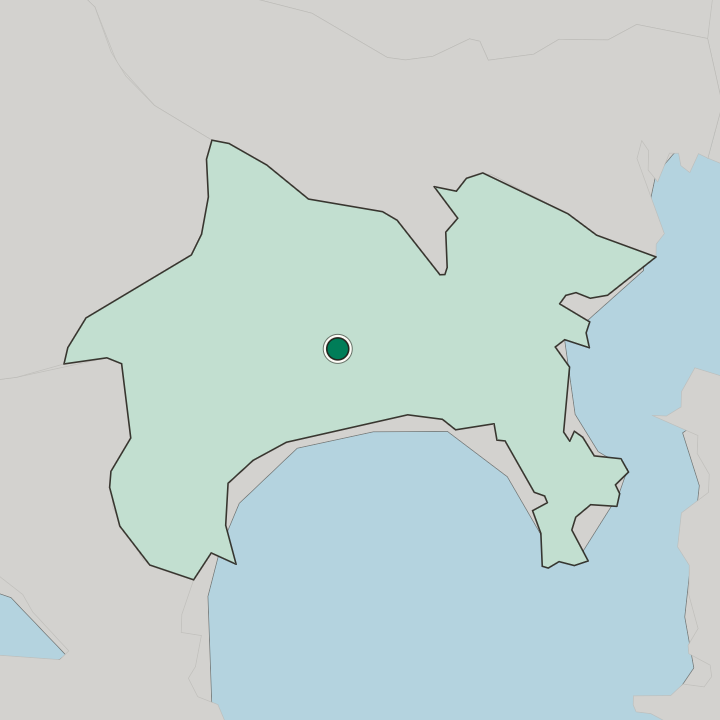
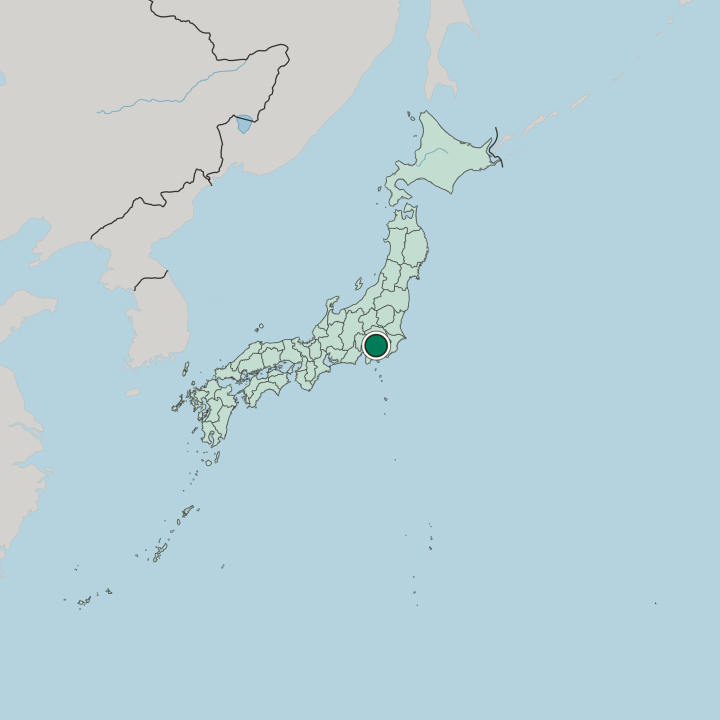
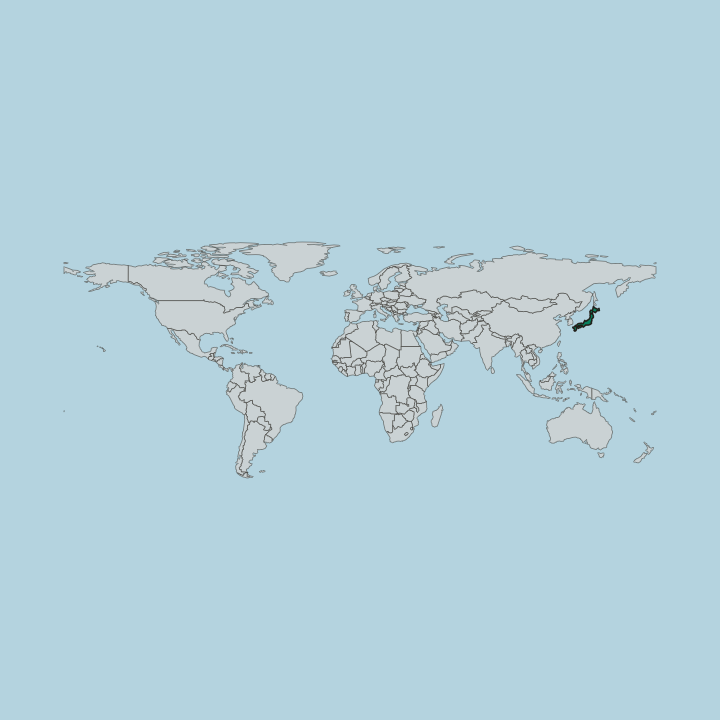
Mount Oyama takes up one end of the city. Isehara covers a substantial stretch of Kanagawa, and much of that area is mountain and forest rather than street, which is why Oyama Primeval Forest and Hinata Yakushi Temple Forest both fit inside a single municipality. The lower part carries the town.
Shops, houses and the Isehara Hachimandai Stone Age Dwelling Site share that ground, while Hojobo Main Hall and Great Camphor of Daifukuji sit between the two halves.
What is the climate of Isehara?
Mount Oyama makes the weather here uneven. Isehara lies in the temperate band, so the town gets four ordinary seasons, but the mountain side runs cooler and wetter than the built ground below it through most of the year. Summer is humid.
Walking in Oyama Primeval Forest or Hinata Yakushi Temple Forest is far easier outside the hottest weeks, and the shade under both makes a difference that the streets of Isehara cannot match.
How do you get to Isehara?
Arrivals come through the Kanagawa side. Isehara is reached from the prefecture's lowland towns and then split two ways, since the Isehara Hachimandai Stone Age Dwelling Site sits near the built centre while Mount Oyama and Hinata Yakushi Temple need a further leg by road or on foot. The climb is the slow part.
Hojobo Main Hall and the woods at Hinata Yakushi Temple Forest are reached by road, while Oyama Primeval Forest asks for walking rather than driving.
Common questions
What is the best area to stay in Isehara?
Mount Oyama: early starts into Oyama Primeval Forest. Hinata Yakushi Temple: temple mornings at Hojobo Main Hall and Hojobo Twin Cedars. Lower Isehara: plain rooms near the Isehara Hachimandai Stone Age Dwelling Site.
Good for
More cities in Kanagawa
Updated September 2026