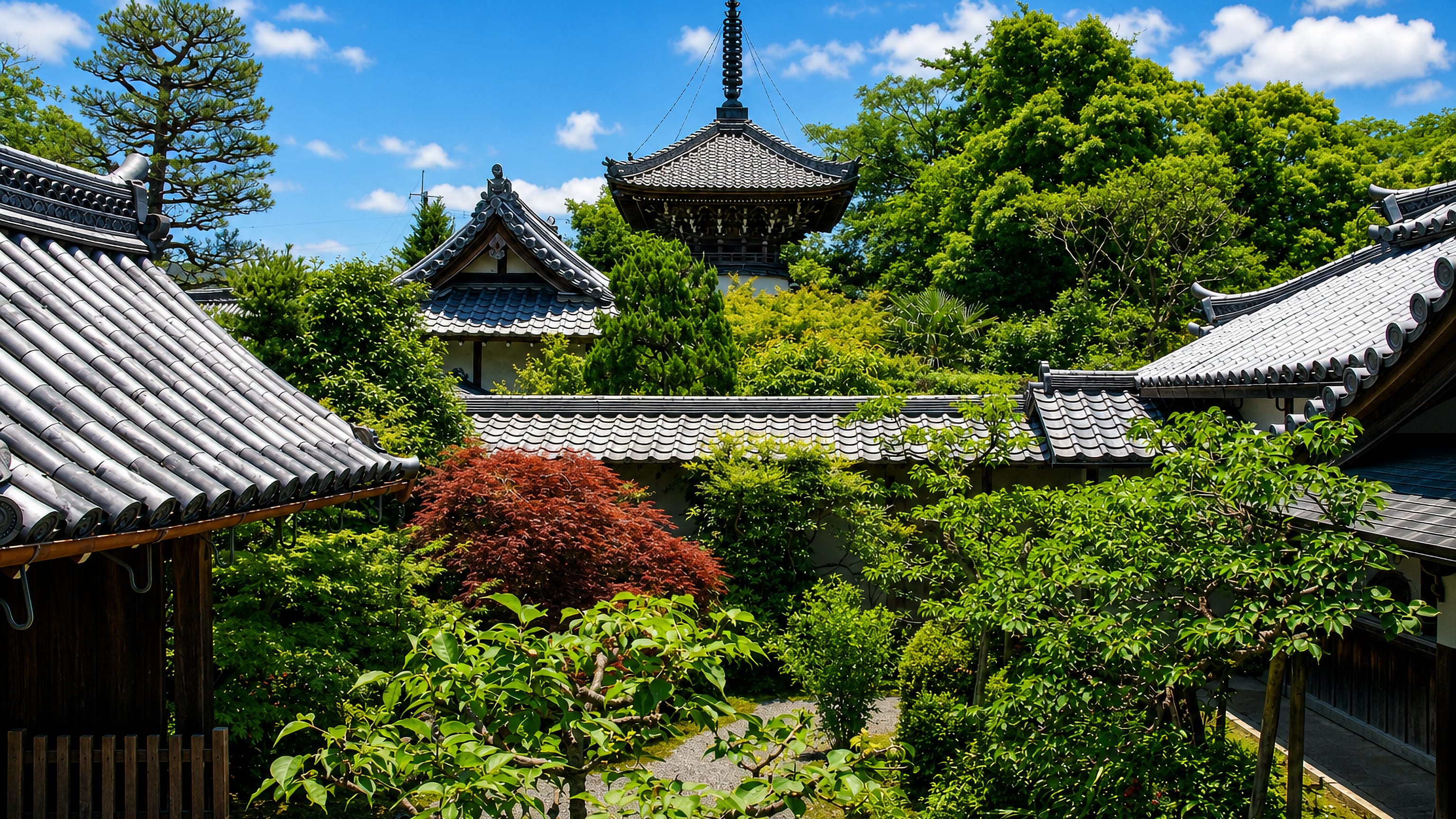
Japan · Kyoto Prefecture
Where to Stay in Kameoka, Kyoto Prefecture
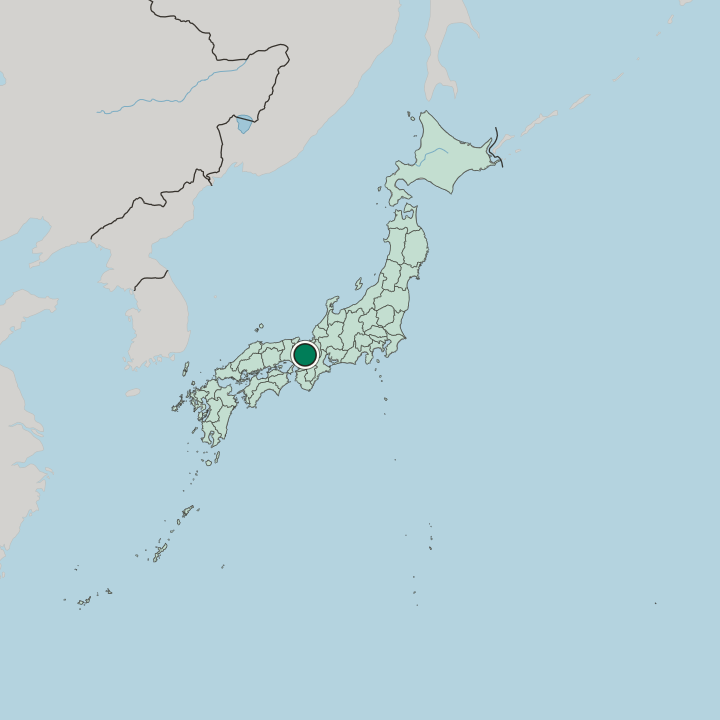
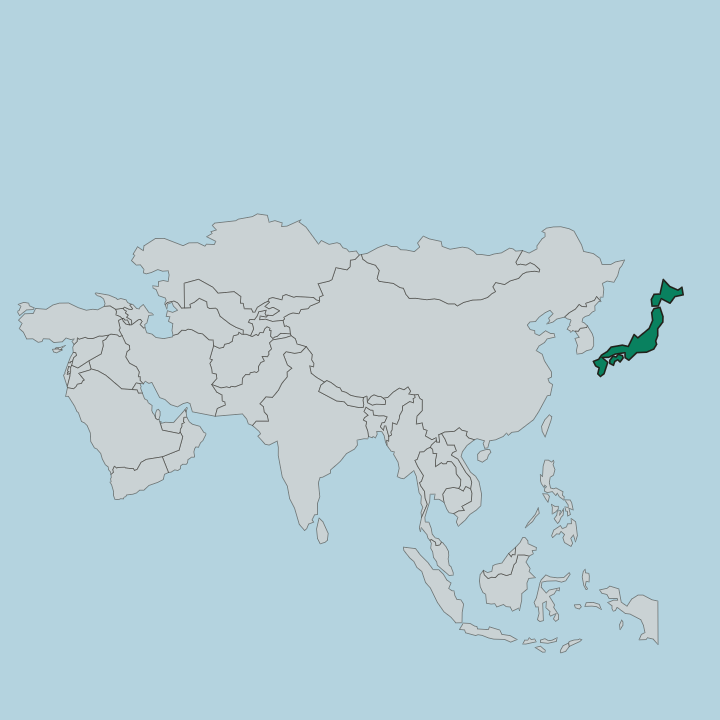
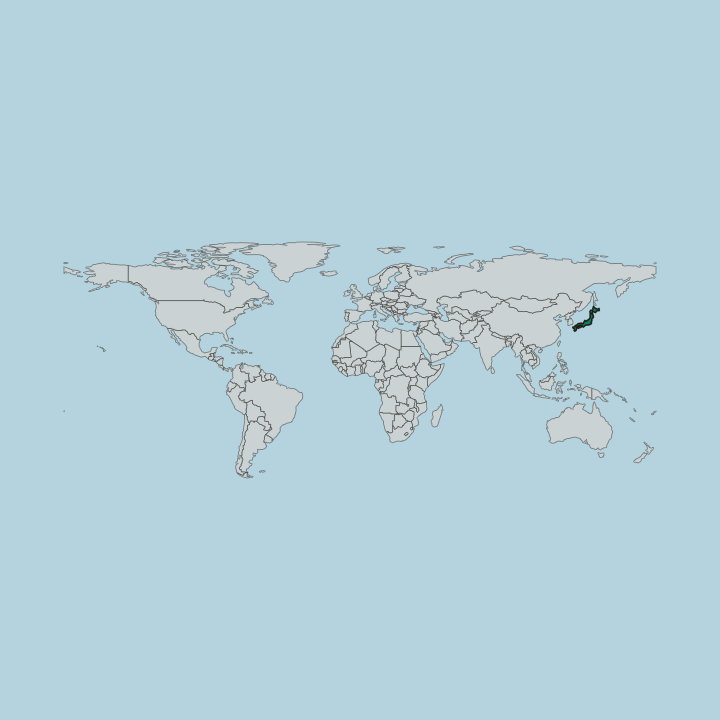
Kameoka, a city of Kyoto Prefecture in Japan since 1955, keeps Izumo-daijingū, Tanba Kokubun-ji Temple and a museum given over to whetstones.
Hotel links are affiliate links: booking through them may earn us a commission, at no extra cost to you. It never affects how places are ranked. How this works


Where to stay in Kameoka
The practical side of choosing where to sleep.
Kameoka's beds sit mostly in the built-up middle, near the Kameoka Museum of Culture and the Mizunoki Museum of Art. Convenience settles it for most visits. Shops and food are there, the museums are walkable, and a room in the centre leaves the rest of a 224 square kilometre municipality to be reached in daylight rather than after dark.
Izumo-daijingū suits a different kind of visit. A stay near the shrine puts an early morning within reach and keeps the evening quiet, which matters more than the walk to a convenience store for anyone here to see it properly. Beds are few that way.
Tanba Kokubun-ji Temple and the Chitose Kurumazuka Kofun fill out the same slow day. The Great Britain Victorian Village and the Natural Whetstone and Hone Museum are the reason some people come at all, and both make more sense with a car than without one. Erozio Castle and Rakurakuso add two more stops of their own.
Plan the driving. A base in the centre still works for all of it, since nothing in Kameoka is more than a short run from the built-up part, and the alternative is chasing beds in places that have very few.
Find hotels in Kameoka
Direct booking searches for these neighbourhoods.
The built-up middle
Shops, food and both Kameoka museums inside one short walkFind hotels in The built-up middleEarly mornings at Izumo-daijingū before the day fillsAround Izumo-daijingū
Quiet ground by the Izumo-daijingū approach, with Tanba Kokubun-ji Temple in the same slow day. Few places to stay nearby — book ahead.Find hotels in Around Izumo-daijingūDrivers pairing the Victorian village with the whetstone collectionOut by the Great Britain Victorian Village
Rural roads towards the Great Britain Victorian Village and the Natural Whetstone and Hone Museum. Rooms are few around here — worth securing early.Find hotels in Out by the Great Britain Victorian VillageHotel links are affiliate links: booking through them may earn us a commission, at no extra cost to you. It never affects how places are ranked. How this works
Things to do in Kameoka
Ranked by global recognition; descriptions from Wikidata (CC0).
Museums & Galleries
3- Kameoka Museum of Culture
- Mizunoki Museum of Art
- Natural Whetstone and Hone Museum
Castles & Historic Sites
1- Erozio Castle
Parks & Gardens
1- Great Britain Victorian Village
worth knowingacross 3 categories in Kameoka
About Kameoka
Few cities keep a list this mixed.
What is Kameoka known for?
Izumo-daijingū and Tanba Kokubun-ji Temple hold the ancient end of it, the Chitose Kurumazuka Kofun belongs to the same deep past, and at the other extreme sits the Great Britain Victorian Village. Stone gets its own museum. The Natural Whetstone and Hone Museum treats a material that most places would never think to display, and the Mizunoki Museum of Art and the Kameoka Museum of Culture cover art and local record.
What are the main landmarks in Kameoka?
Izumo-daijingū is the name to start with. Tanba Kokubun-ji Temple carries the Tanba name, the Chitose Kurumazuka Kofun is a mounded tomb, and Rakurakuso and Erozio Castle are the two entries that surprise a visitor working down the list. Whetstones have a museum.
The Natural Whetstone and Hone Museum, the Mizunoki Museum of Art, the Kameoka Museum of Culture and the Great Britain Victorian Village make up a range no single afternoon covers.
What is the history of Kameoka?
Burial came before building. The Chitose Kurumazuka Kofun is the earliest fixed point in Kameoka, and Izumo-daijingū and Tanba Kokubun-ji Temple show the ground being used for worship long before any city existed on it. Tanba is the older name for this country.
What the temple's name preserves is a regional identity older than the prefecture that now contains it. The city's own name is younger than any of it. Stone is the other long thread.
The Natural Whetstone and Hone Museum treats natural sharpening stone as a subject worth a building of its own, which is not a decision many places would make. Kameoka became a city in 1955. The date is recent measured against the kofun.
Kameoka covers 224 square kilometres, most of it outside the built-up middle. Erozio Castle and Rakurakuso stand outside that municipal story, and the Great Britain Victorian Village stands outside every part of it, a themed attraction that owes nothing to the ground it sits on. The Kameoka Museum of Culture and the Mizunoki Museum of Art hold the rest of the record, one for the city's own past and the other for art.
Where is Kameoka?
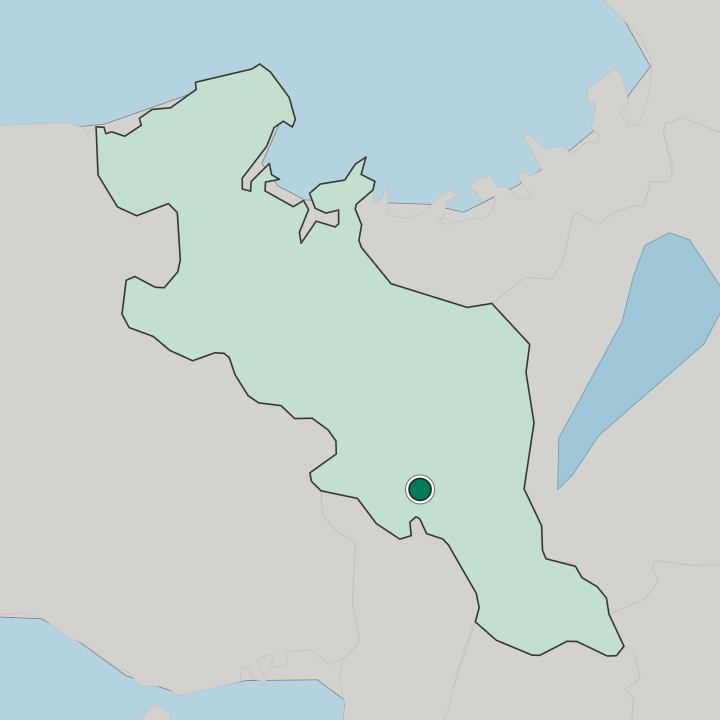
Farmland takes up more of Kameoka than streets do. The municipality runs to 224 square kilometres, a built-up middle set among fields and hill country, which is why Izumo-daijingū, the Great Britain Victorian Village and the Natural Whetstone and Hone Museum are not stops on a single walk. Distances are moderate.
A car crosses the whole of it easily inside a morning.
What is the climate of Kameoka?
Mornings can be cold in the low ground. Kameoka sits in the temperate band, with the hill country around it holding the chill in the valley floor while the middle of the day warms up quickly enough to make the difference obvious. Summer turns humid.
Anyone visiting Izumo-daijingū in the early hours should carry more than the walk seems to need.
How do you get to Kameoka?
The centre is the easy part. Kameoka's built-up middle gathers the shops, the Kameoka Museum of Culture and the Mizunoki Museum of Art within a short walk of one another, so a visit with no car can still fill a day. Everything else needs wheels.
Izumo-daijingū, the Great Britain Victorian Village, Erozio Castle and Rakurakuso are scattered through the wider municipality, and stitching them into one trip is a matter of driving rather than of timetables.
Common questions
What is the best area to stay in Kameoka?
The built-up middle: Museum days at the Kameoka Museum of Culture and the Mizunoki Museum of Art. Around Izumo-daijingū: Early mornings at Izumo-daijingū before the day fills. Out by the Great Britain Victorian Village: Drivers pairing the Victorian village with the whetstone collection.
Good for
More cities in Kyoto Prefecture
Updated September 2026