Japan · Kyoto Prefecture
Where to Stay in Arashiyama, Kyoto Prefecture
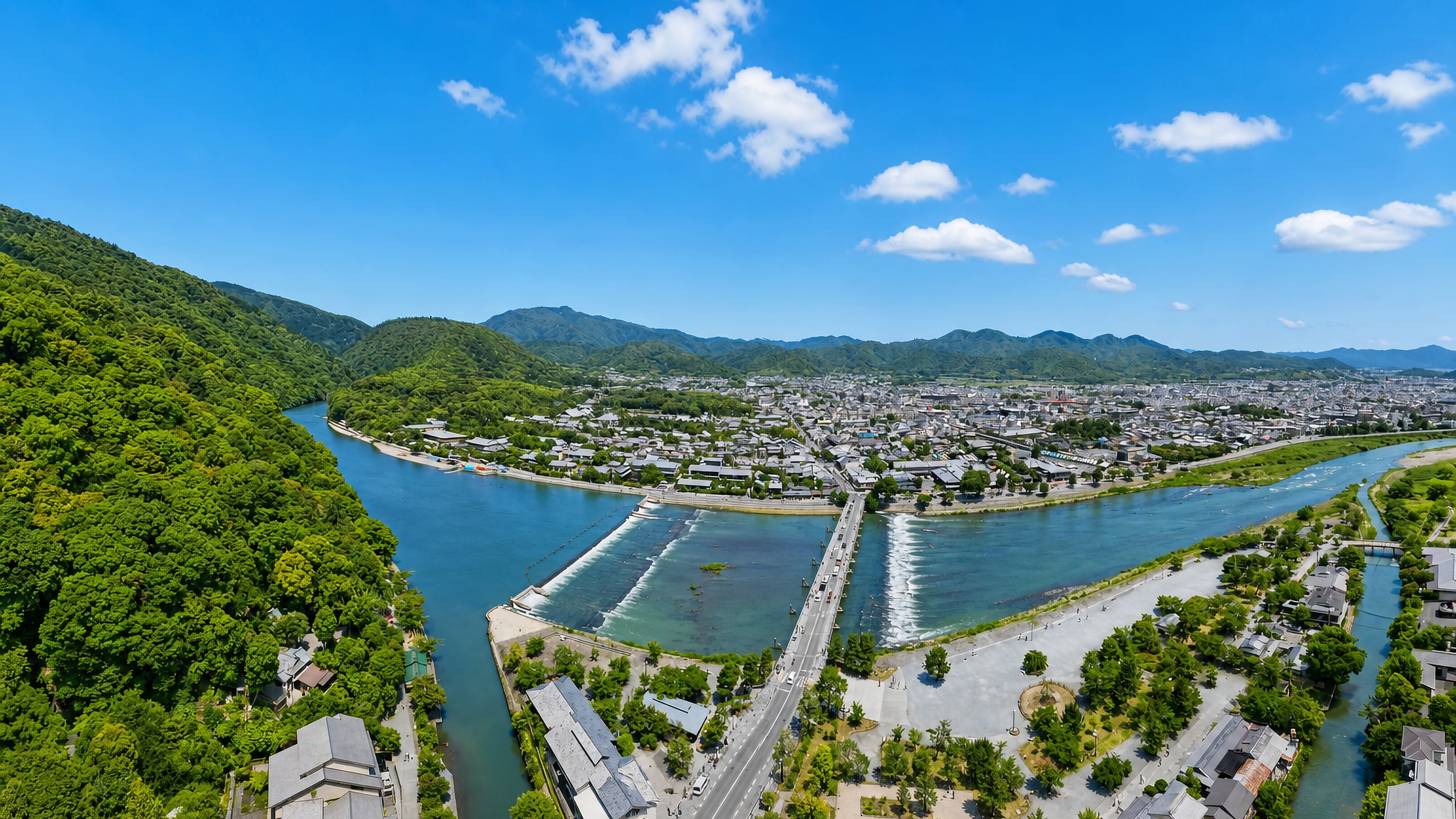
Arashiyama is a district on the outskirts of Kyoto, Japan, designated nationally as a historic site and place of scenic beauty on the Ōi River.
Hotel links are affiliate links: booking through them may earn us a commission, at no extra cost to you. It never affects how places are ranked. How this works


Where to stay in Arashiyama
Where visitors usually base themselves, and why.
The riverside sets the pace here, so a room within walking distance of the Ōi River buys the early hour before the day-trippers arrive and the quiet one after they leave. Beds are limited and booked far ahead. Anything near Iwatayama Monkey Park or the Fukuda Art Museum goes quickly, and a late search usually ends with a room back in Kyoto proper rather than in the district itself.
Saga Toriimoto is the quieter option. The preserved street that the Saga Toriimoto Town Preservation Center exists to explain keeps its old frontages, and a stay up that way trades riverside crowds for the temple side of the district. Evenings are properly dark there.
Choose it if temples rather than viewpoints are the reason for the trip. Matsunoo Taisha marks a third choice, away from the busiest lanes, where the Matsunoo Taisha Sake Museum and the Matsunoo Taisha Shinzōkan give a reason to stay past the shrine gate. Saihō-ji Temple draws its own visitors.
Wherever the room ends up, the district is small enough to cross in an afternoon, and the mountain across the Ōi River is rarely out of sight from any of it.
Find hotels in Arashiyama
Direct booking searches for these neighbourhoods.
The Ōi River bank
Walking distance to the Ōi River and the slope up to Iwatayama Monkey Park. Few places to stay nearby — book ahead.Find hotels in The Ōi River bankTemple days rather than viewpointsSaga Toriimoto
Old frontages of the street the Saga Toriimoto Town Preservation Center documents. Rooms are few around here — worth securing early.Find hotels in Saga ToriimotoSlower stays taking in the Matsunoo Taisha Sake MuseumAround Matsunoo Taisha
Ordinary streets by the Matsunoo Taisha gate, off the busiest sightseeing lanesFind hotels in Around Matsunoo TaishaHotel links are affiliate links: booking through them may earn us a commission, at no extra cost to you. It never affects how places are ranked. How this works
Things to do in Arashiyama
Ranked by global recognition; descriptions from Wikidata (CC0).
Museums & Galleries
3- Fukuda Art Museum
- Saga Arashiyama Museum of Arts and Culture
- Kouzu Kobunka Museum
Nature & Outdoors
1- Iwatayama Monkey Park
Parks & Gardens
1- Toei Kyoto Studio Park
worth knowingacross 3 categories in Arashiyama
About Arashiyama
Scenery carries the name.
What is Arashiyama known for?
Arashiyama holds a national designation as a historic site and place of scenic beauty, and the mountain that shares the name rises across the Ōi River as the backdrop to the district below. Iwatayama Monkey Park sits on one slope. The Fukuda Art Museum, the Saga Arashiyama Museum of Arts and Culture and the Toei Kyoto Studio Park round the day out with art, the local record and a park built around a film studio.
What are the main landmarks in Arashiyama?
Temples set the tone of the list. Saihō-ji Temple, Kōryū-ji Reihō-den, Seiryō-ji Reihōkan and Daikaku-ji Reihōkan account for much of what people come to see, while the Bukkyo University Museum of Religious Culture sets that material in a wider frame. Iwatayama Monkey Park is the outlier.
The Kyoto Japanese Folk Dolls Museum, the Kyoto Arashiyama Orgel Museum, Diorama Kyoto Japan and Kyoto Kachō-kan cover narrower ground, and the Yamaguchi Family Residence and the Kouzu Kobunka Museum finish the roll.
What is the history of Arashiyama?
No document fixes when Arashiyama began. It grew around temples and a shrine rather than around a charter or a market, and the oldest fixed points in it are Saihō-ji Temple, Kōryū-ji, Seiryō-ji, Daikaku-ji and Matsunoo Taisha. Each keeps its own collection.
Kōryū-ji Reihō-den, Seiryō-ji Reihōkan, Daikaku-ji Reihōkan and the Matsunoo Taisha Shinzōkan are where those foundations keep what they hold. The Bukkyo University Museum of Religious Culture reads that inheritance from outside any one temple. The national designation as a historic site and place of scenic beauty put the landscape itself under protection, which is a different kind of history from a dated founding, since the mountain across the Ōi River is listed for how it looks as much as for what happened on it.
Saga Toriimoto took the same idea indoors. Its preserved frontages are the subject of the Saga Toriimoto Town Preservation Center, and the Yamaguchi Family Residence is another building kept for what it shows. The twentieth century added its own layer, at the Toei Kyoto Studio Park and at the Fukuda Art Museum, and neither sits awkwardly beside the older ground.
The mix is the point.
Where is Arashiyama?
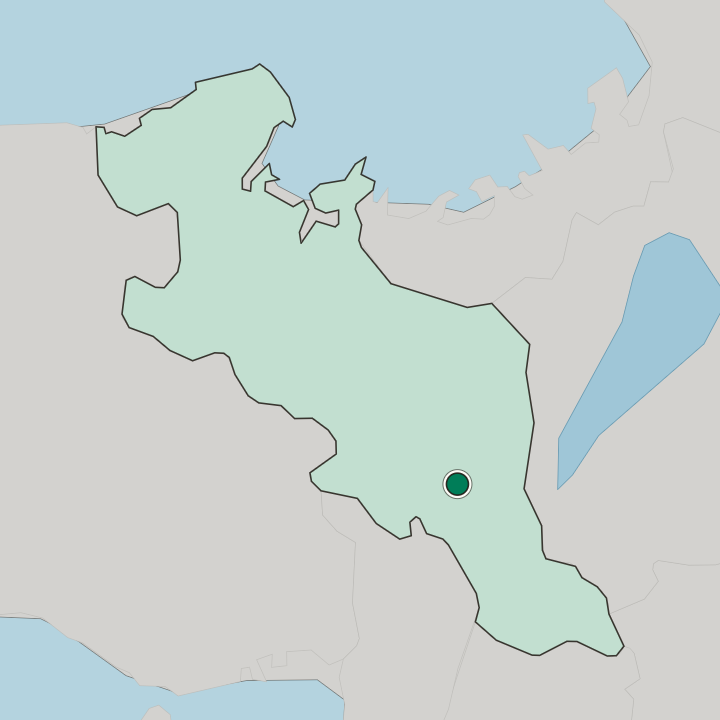
Arashiyama sits on the outskirts of Kyoto, with the Ōi River running through it. The mountain that gives the district its name rises directly across that water and forms the backdrop from almost every angle, which is why the whole place carries a designation for scenic beauty rather than for one building. Slopes close the view in.
Iwatayama Monkey Park occupies one of them, and the flat ground by the river holds most of what else there is.
What is the climate of Arashiyama?
The valley holds its weather. Arashiyama lies in the temperate band, and the mountain across the Ōi River shelters the low ground enough that mornings by the water run cool while the afternoon sun works on the slopes above. Summer is humid regardless.
Winter brings a sharp cold along the water that the slopes do little to soften.
How do you get to Arashiyama?
Most people arrive from Kyoto. Arashiyama is a district on the city's outskirts rather than a separate town, so the trip in is a short one and the return at the end of the day is easy enough that many visitors never book a bed here at all. Come early if the river is the point.
Saihō-ji Temple, Matsunoo Taisha and the Toei Kyoto Studio Park all sit far enough apart to make walking between them a decision rather than an afterthought.
Common questions
What is the best area to stay in Arashiyama?
The Ōi River bank: Early risers wanting the river before the day-trippers. Saga Toriimoto: Temple days rather than viewpoints. Around Matsunoo Taisha: Slower stays taking in the Matsunoo Taisha Sake Museum.
Good for
More cities in Kyoto Prefecture
Updated September 2026