Japan · Kyoto Prefecture
Where to Stay in Kyoto, Kyoto Prefecture
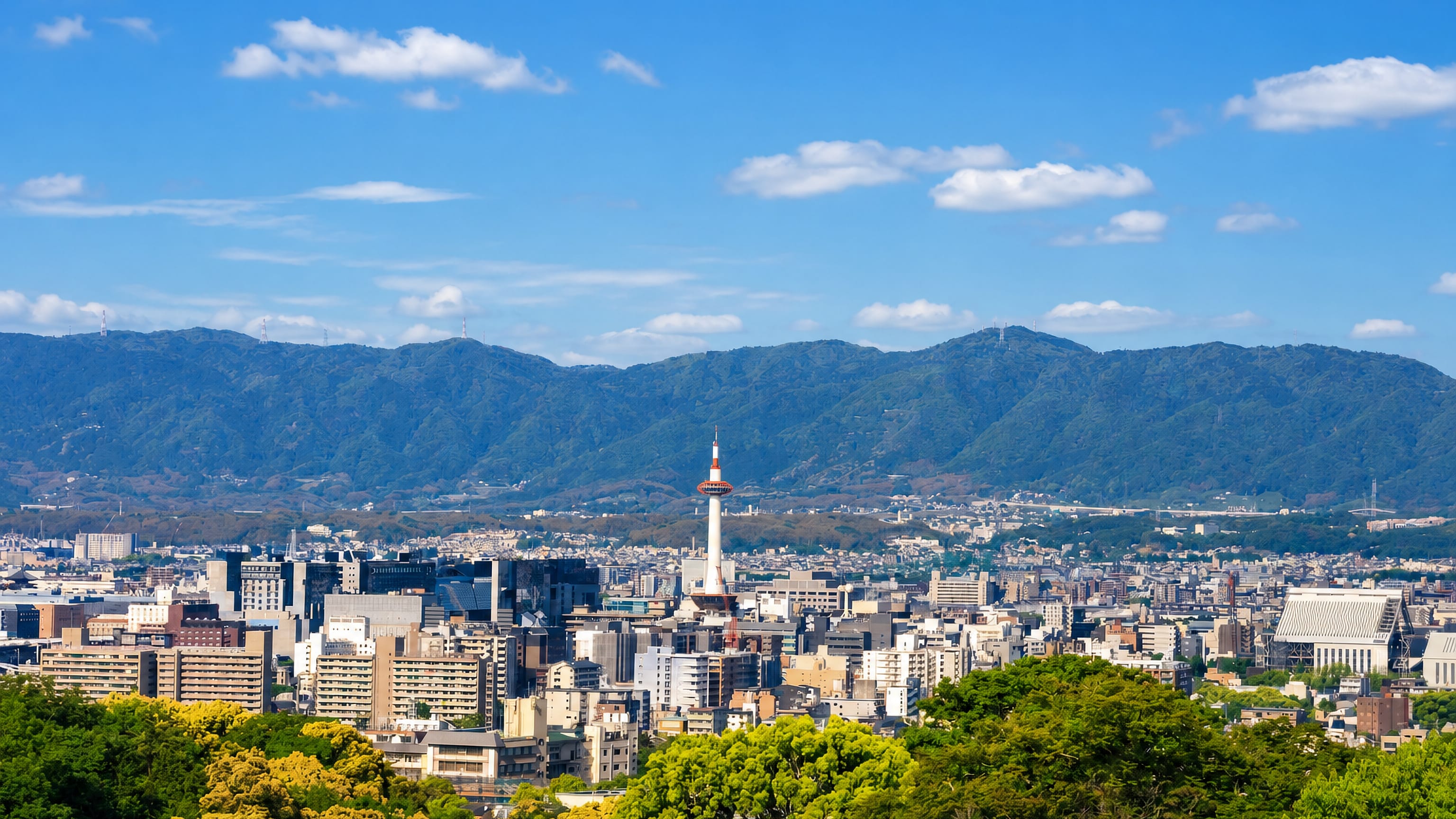
Temple roofs and tiled lanes fill Kyoto, the former imperial capital in the Kansai region of Honshu, known for Kiyomizu-dera and the glass Kyoto Station.
Hotel links are affiliate links: booking through them may earn us a commission, at no extra cost to you. It never affects how places are ranked. How this works


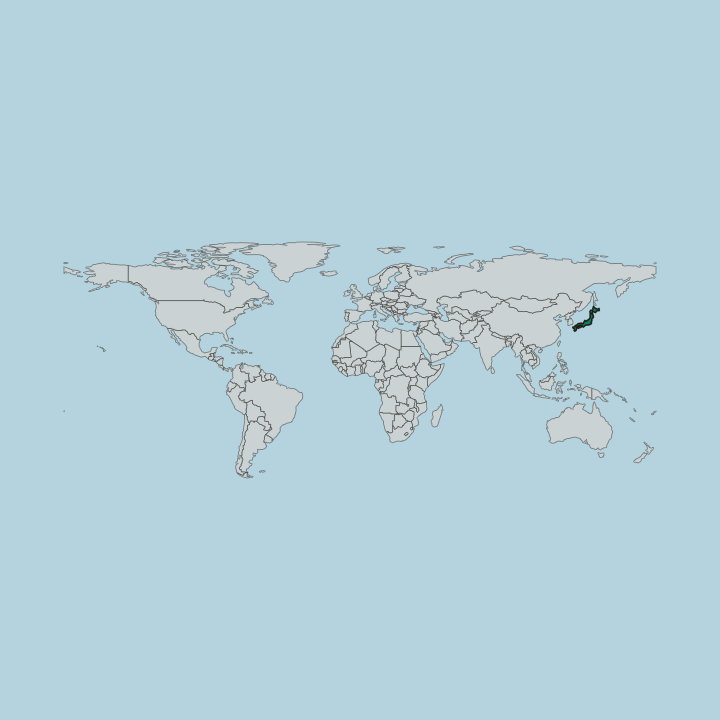
Where to stay in Kyoto
Not every neighbourhood fits every trip — here's what each one is good for.

 KyotoJapan
Gion
Gion is the old entertainment quarter of Higashiyama-ku in Kyoto, laid out in front of Yasaka Shrine and long known as a geisha district.Where to stay → KyotoJapan
Nishijin
Nishijin is the Kyoto district that gave nishijin-ori its name, a weaving quarter spread across Kamigyō ward and Kita ward.Where to stay → KyotoJapan
Sagano
Sagano is a district of Kyoto whose named addresses run from Daikaku-ji Reihōkan and Seiryō-ji Reihōkan to the Iwatayama Monkey Park.Where to stay →Hotel links are affiliate links: booking through them may earn us a commission, at no extra cost to you. It never affects how places are ranked. How this works
Find hotels in Kyoto
Direct booking searches for these neighbourhoods.
Kyoto Station district
The glass Kyoto Station and the Kyoto Tower put trains, buses, and subway lines within one concourse.Find hotels in Kyoto Station districtTemples and craft lanes on footEastern temple hills
The slopes below Kiyomizu-dera and the shopfronts of Kiyomizu Sannenzaka lead to the museums of the eastern hills.Find hotels in Eastern temple hillsMerchant streets and the weaving quarterCentral grid and Nishijin
The blocks around the Museum of Kyoto sit beside the old Nishijin weaving streets, central to both sides of the city.Find hotels in Central grid and NishijinHotel links are affiliate links: booking through them may earn us a commission, at no extra cost to you. It never affects how places are ranked. How this works
Things to do in Kyoto
Ranked by global recognition; descriptions from Wikidata (CC0).
Museums & Galleries
7- Kyoto National Museum Heritage
- Kyoto Municipal Museum of Art Heritage
- Museum of Kyoto Heritage
- Yūrinkan Museum Heritage
- Kitamura Museum Heritage
Show 2 more →
- Namikawa Cloisonné Museum of Kyoto Heritage
- Kyoto Municipal Museum of School History Heritage
Churches & Religious Sites
2- 同志社教会
- St. Joseph Roman Catholic Church, Nishijin, Kyoto
Castles & Historic Sites
1- Nijō Palace
Landmarks & Notable Places
1- Kyoto Railway Museum
worth knowingacross 4 categories in Kyoto
About Kyoto
What is Kyoto known for?
Kyoto is known as the cultural capital of Japan, the imperial seat for over a millennium and the anchor of Kyoto Prefecture in the Kansai region. Temples define it. The hillside approach to Kiyomizu-dera, the halls of the Kyoto National Museum, and the modern glass Kyoto Station together frame a city where old and new stand side by side.
It forms part of the Keihanshin metropolitan area alongside Osaka and Kobe, yet keeps a dense weave of shrines, museums, and craft quarters that few Japanese cities match.
What are the main landmarks in Kyoto?
Kiyomizu-dera is Kyoto's signature landmark, a hillside temple reached through the old lanes of Kiyomizu Sannenzaka in the eastern hills. The city's museums run deep. The Kyoto National Museum and the Kyoto Municipal Museum of Art keep its art, while the Museum of Kyoto traces the city's long past and the Kyoto Railway Museum draws families west.
By the station, the Kyoto Tower marks the modern skyline. The Lake Biwa Canal Museum records the waterway that still feeds the city from the neighbouring lake.
What is the history of Kyoto?
Kyoto served as the imperial capital of Japan for over a millennium, the seat of the court and the cultural heart of the country long before it became a modern municipality in 1889. The court, the great temples, and the artisan houses set the shape of the city that the eastern hills still hold. Temples came first.
The hillside sanctuary of Kiyomizu-dera and the shrines around it drew pilgrims across the Kansai region for centuries. Craft and scholarship grew alongside the court, and the weaving quarter of Nishijin turned silk into a trade that carried the city's name across Honshu. When the capital moved away, Kyoto held onto its temples, its guilds, and its collections, later gathered into halls such as the Kyoto National Museum and the Museum of Kyoto.
Engineering left its own mark. The cutting of the Lake Biwa Canal brought water and power from the neighbouring lake, a work now remembered in the Lake Biwa Canal Museum, and the glass Kyoto Station of the modern era set the ancient city against a steel-and-glass frame.
Where is Kyoto?
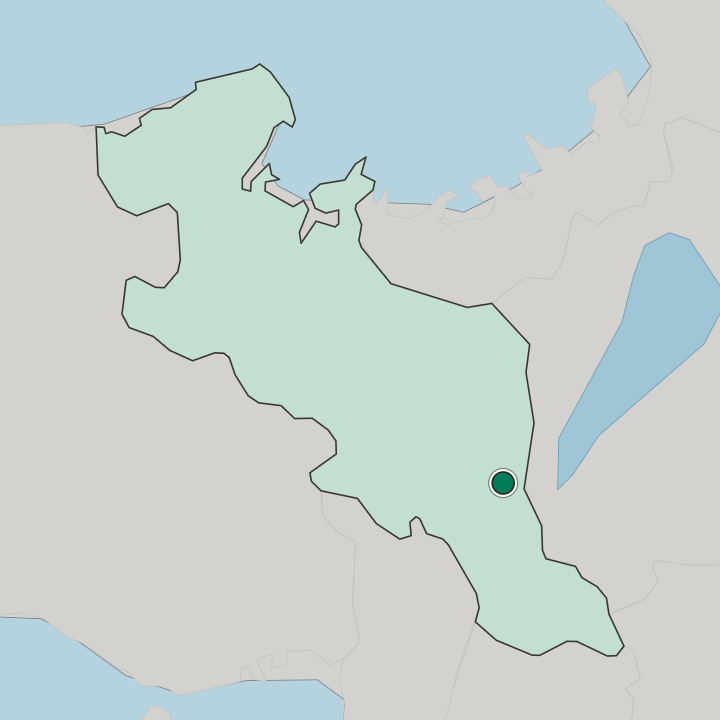
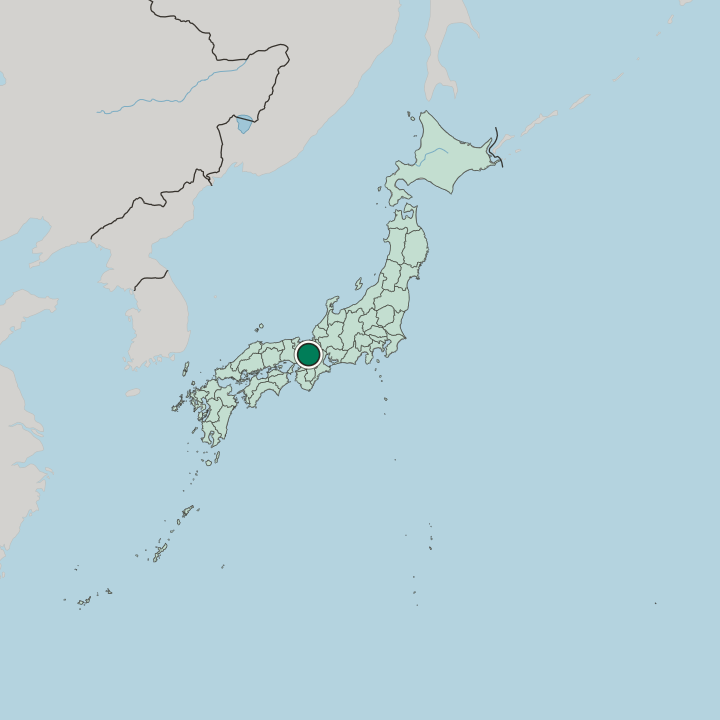
Kyoto lies inland in the Kansai region of Honshu, the capital of Kyoto Prefecture and the cultural anchor of Greater Kyoto. The city fills a basin ringed by wooded hills on three sides, with the eastern slopes rising toward Kiyomizu-dera and the built-up grid spreading across the flat valley floor. Rivers cross the plain.
Water drawn through the Lake Biwa Canal from the neighbouring lake threads the eastern edge, and the whole basin sits within the wider Keihanshin metropolitan area shared with Osaka and Kobe.
What is the climate of Kyoto?
Kyoto has a humid temperate climate marked by hot, close summers and cool winters, a pattern the surrounding basin sharpens. The hills that ring the valley trap summer heat and haze over the Kansai region, making the warm months feel heavier than the coast. Winters run cold and dry.
Snow falls at times but rarely lingers on the valley floor, though the wooded slopes above Kiyomizu-dera can hold a white dusting after the sharpest cold snaps off inland Honshu.
How do you get to Kyoto?
Kyoto sits on the main bullet-train line through Honshu, and the glass Kyoto Station handles fast services between Tokyo, Osaka, and the wider Kansai region. Trains run frequently. The Kyoto Tower marks the station forecourt where subway, bus, and tram lines gather to reach the eastern temple hills and the central grid.
Local rail links the city to the neighbouring lake and the Keihanshin metropolitan area, tying Kyoto into the dense network shared with Osaka and Kobe.
Common questions
What is the best area to stay in Kyoto?
Kyoto Station district: Rail arrivals and a first-night base. Eastern temple hills: Temples and craft lanes on foot. Central grid and Nishijin: Merchant streets and the weaving quarter.
Good for
More cities in Kyoto Prefecture
Updated October 2026