Japan
Kyoto Prefecture, Japan — Towns & Travel Guide
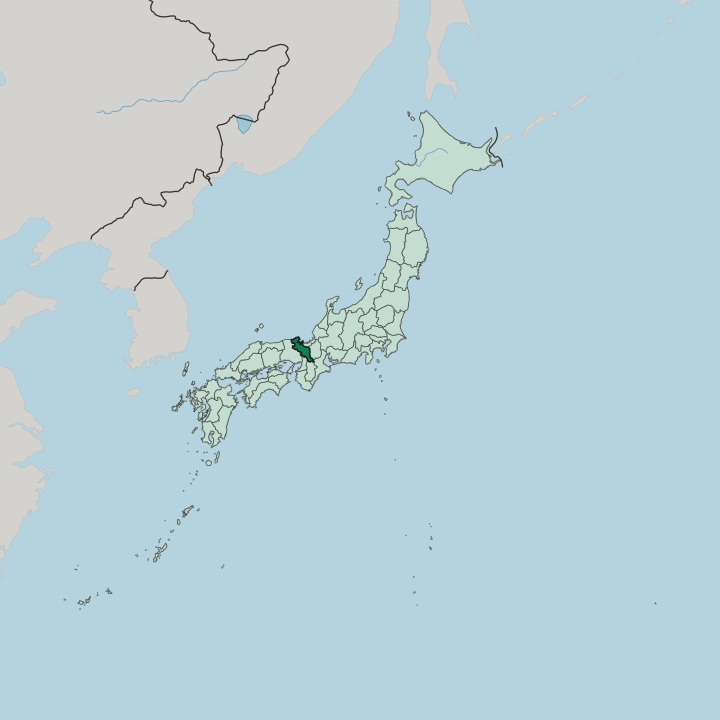
Kyoto Prefecture runs from Japan's old imperial capital in the south up to the Sea of Japan coast, in the Kansai region of Honshu.
Hotel links are affiliate links: booking through them may earn us a commission, at no extra cost to you. It never affects how places are ranked. How this works


Towns & cities in Kyoto Prefecture
Pick a town or city — each links to where to stay.
 Japan
Japan
Kyoto
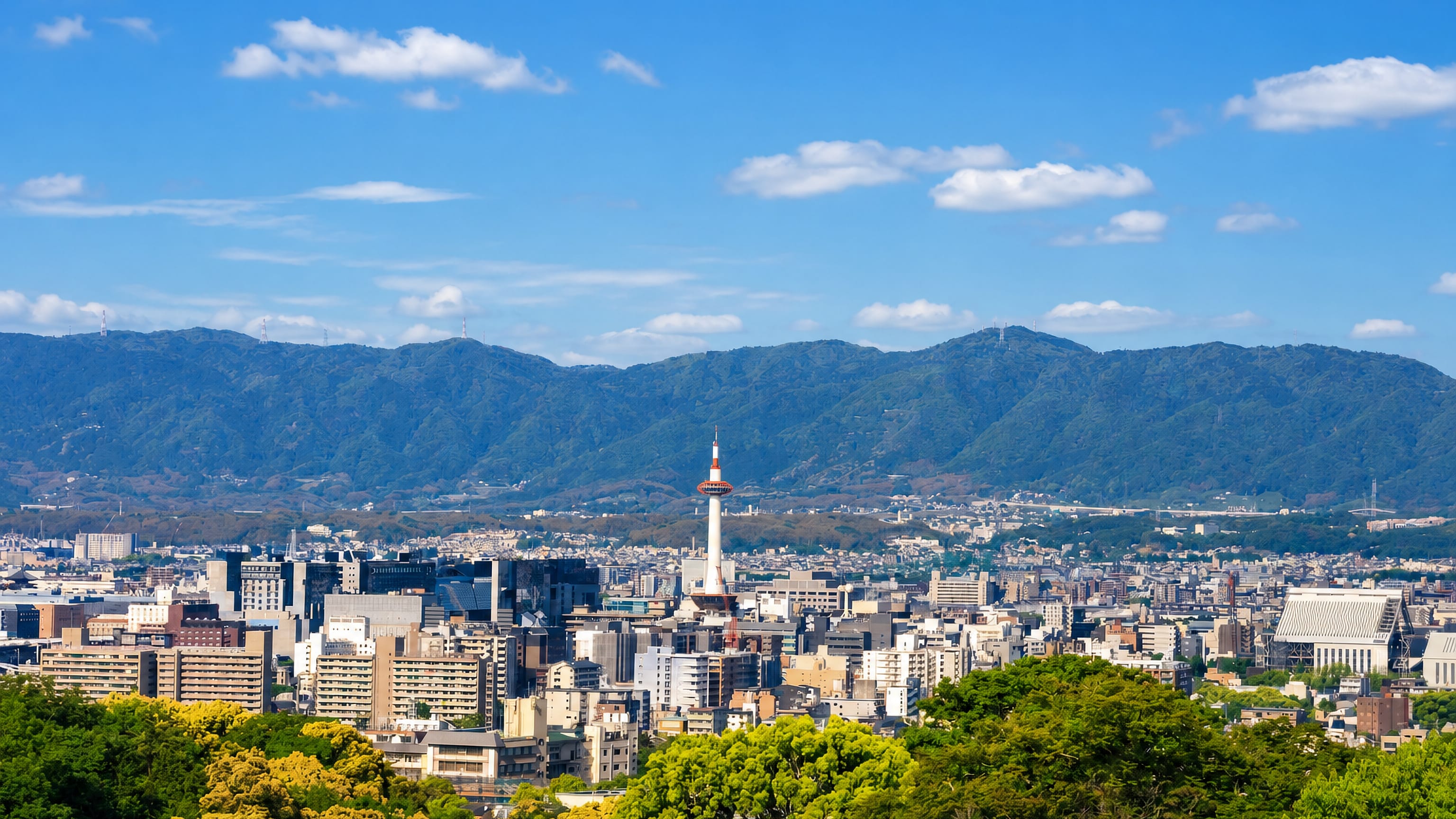
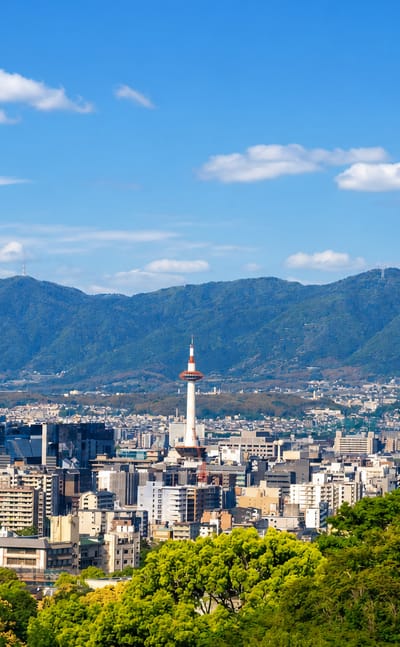
Temple roofs and tiled lanes fill Kyoto, the former imperial capital in the Kansai region of Honshu, known for Kiyomizu-dera and the glass Kyoto Station.Where to stay →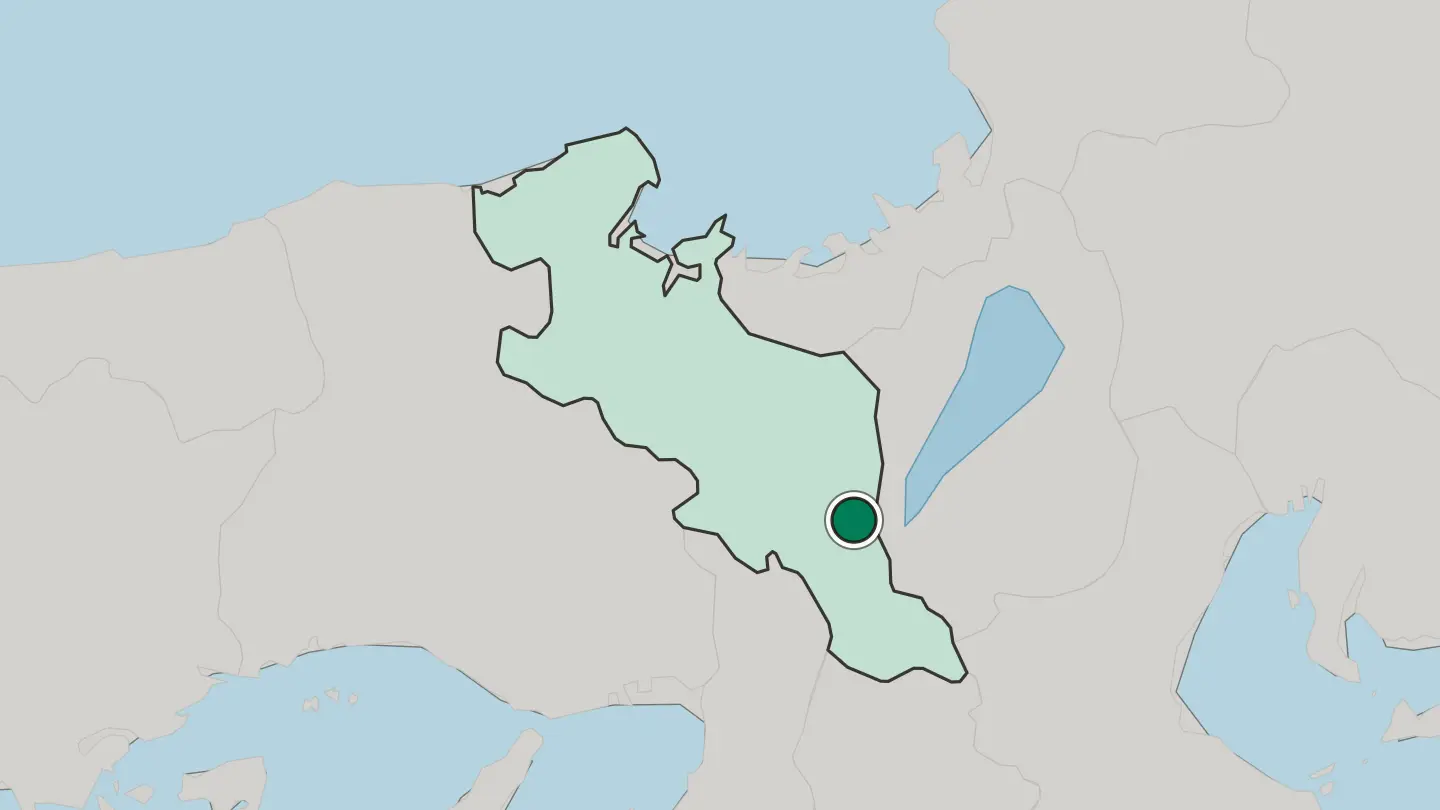
 Japan
Japan
Uji
Uji sits on the southern outskirts of Kyoto, with Byodo-in, the Uji River and the Nintendo Museum. Tea has its own library here.Where to stay →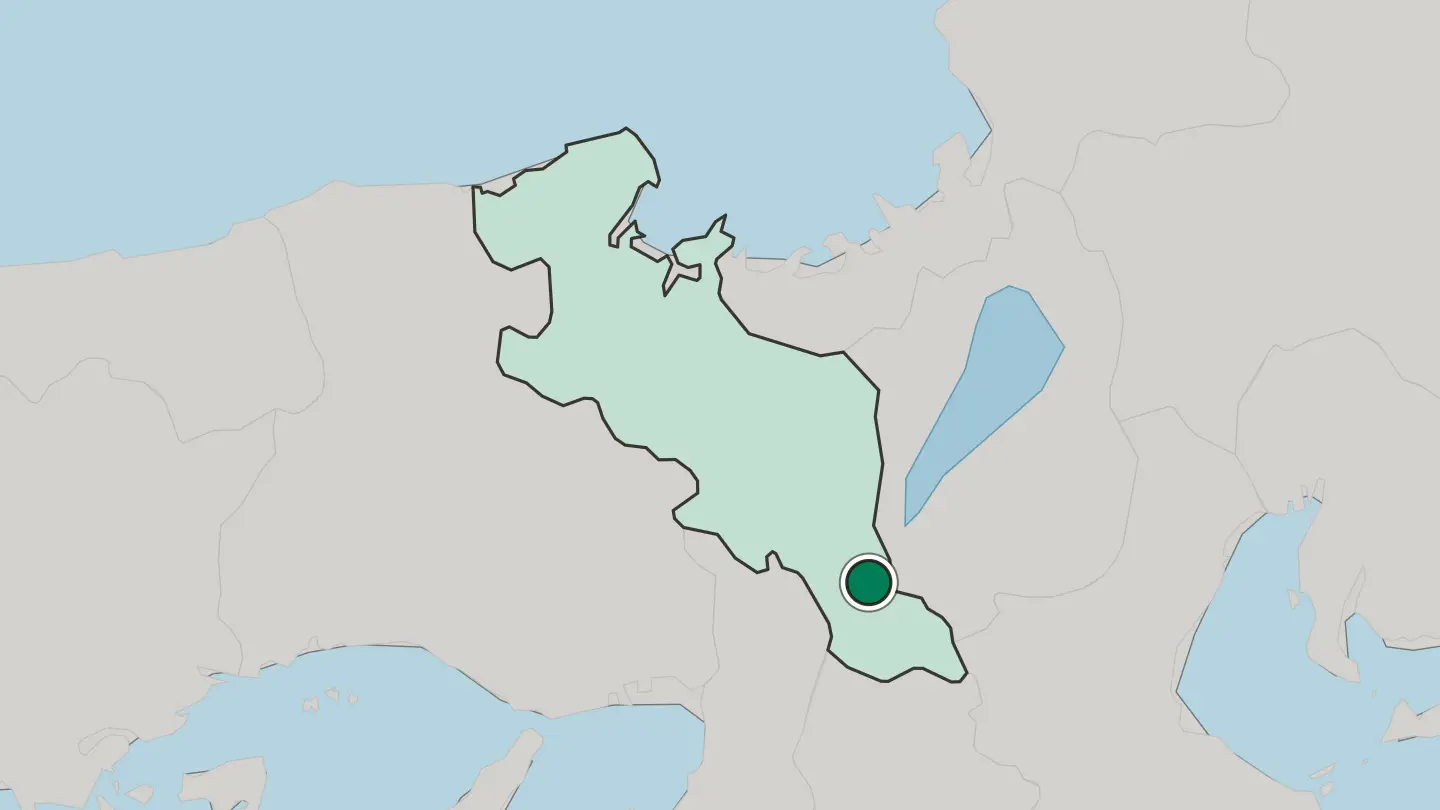
 Japan
Japan
Kameoka
Kameoka, a city of Kyoto Prefecture in Japan since 1955, keeps Izumo-daijingū, Tanba Kokubun-ji Temple and a museum given over to whetstones.Where to stay →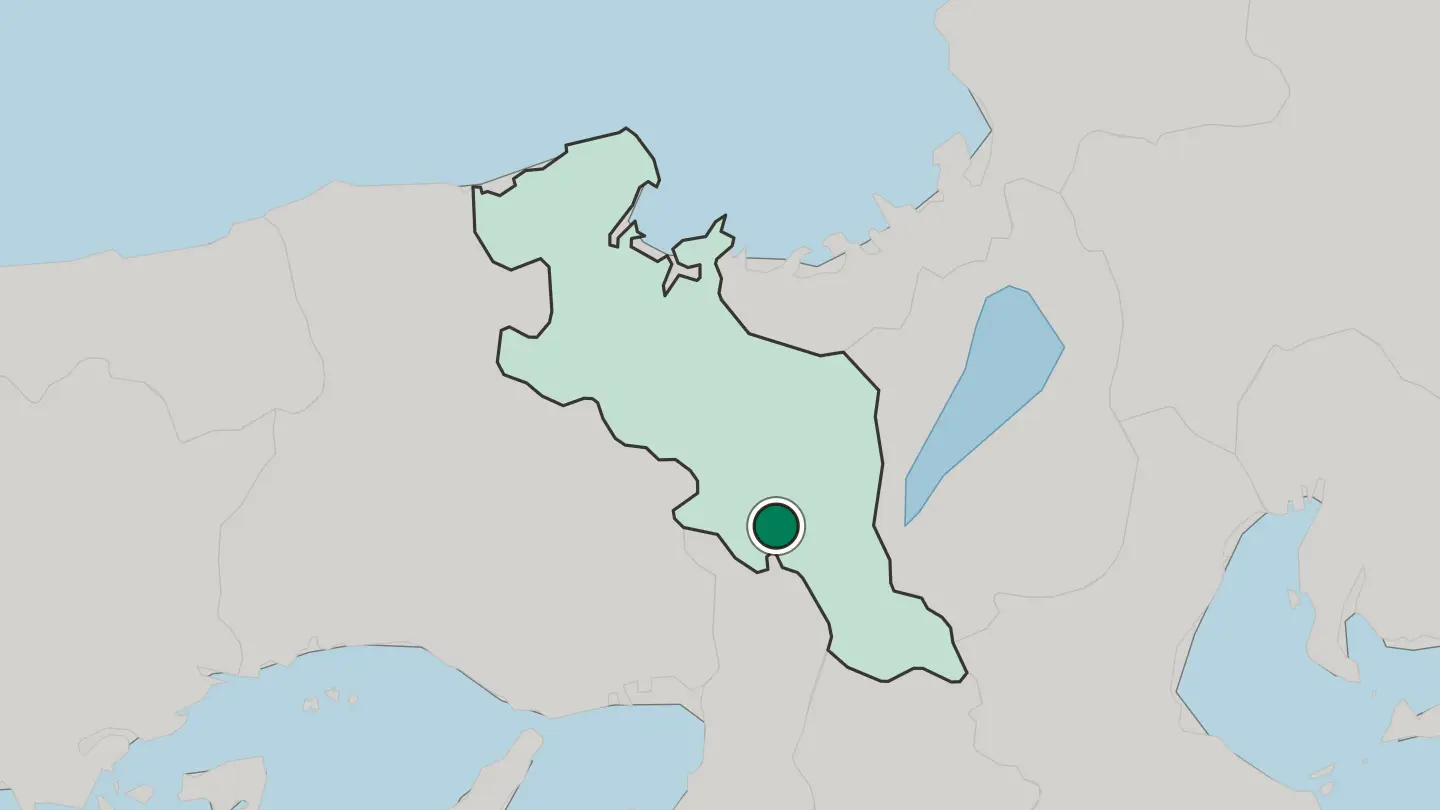
 Japan
Japan
Maizuru
Maizuru wraps an inlet of the Sea of Japan on the northeastern coast of Kyoto Prefecture. The name reads as dancing crane.Where to stay →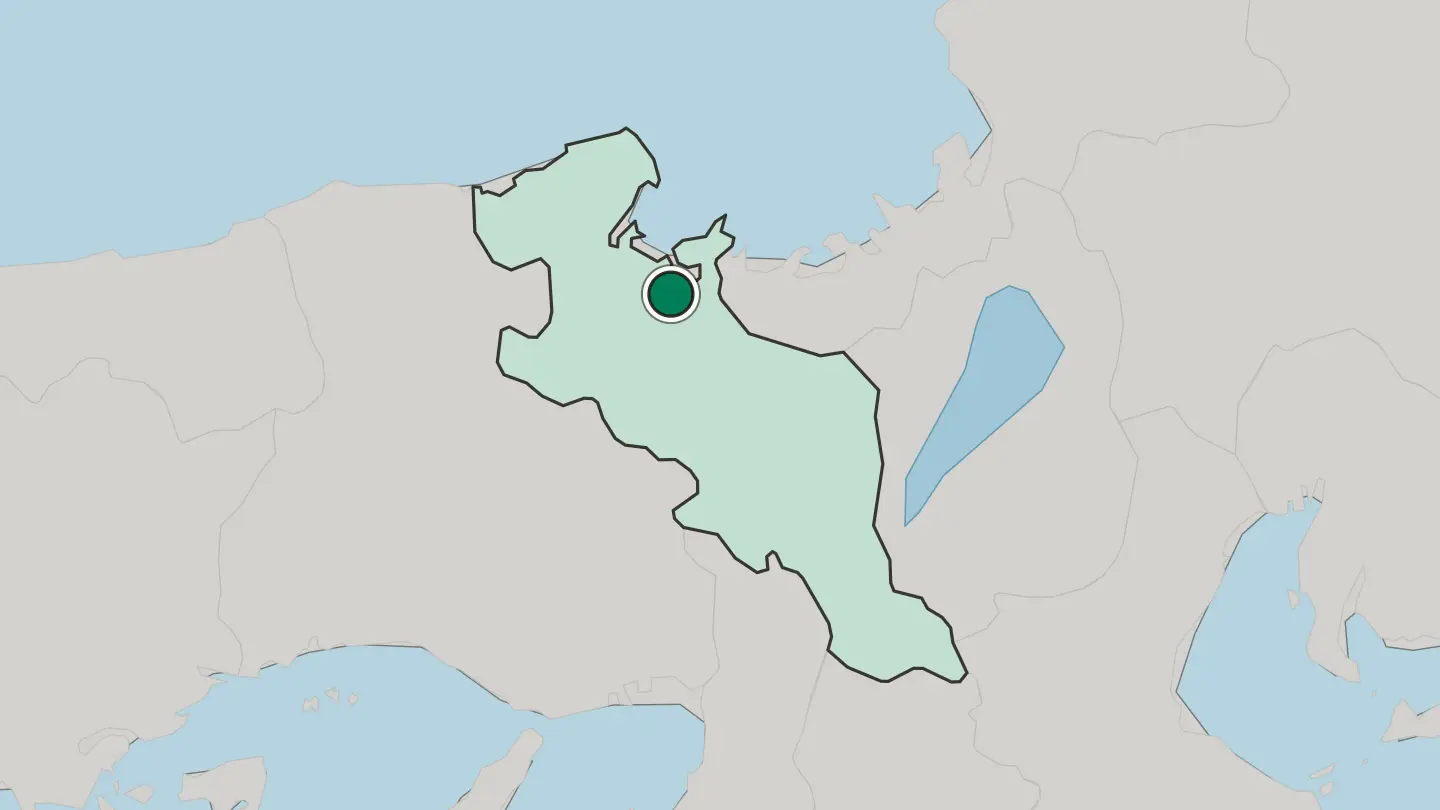 Japan
Japan
Fukuchiyama
Fukuchiyama is a city of Kyoto Prefecture in Japan, a municipality since 1937, whose landmarks run from the Fukuchiyama Castle Keep to a small city zoo.Where to stay →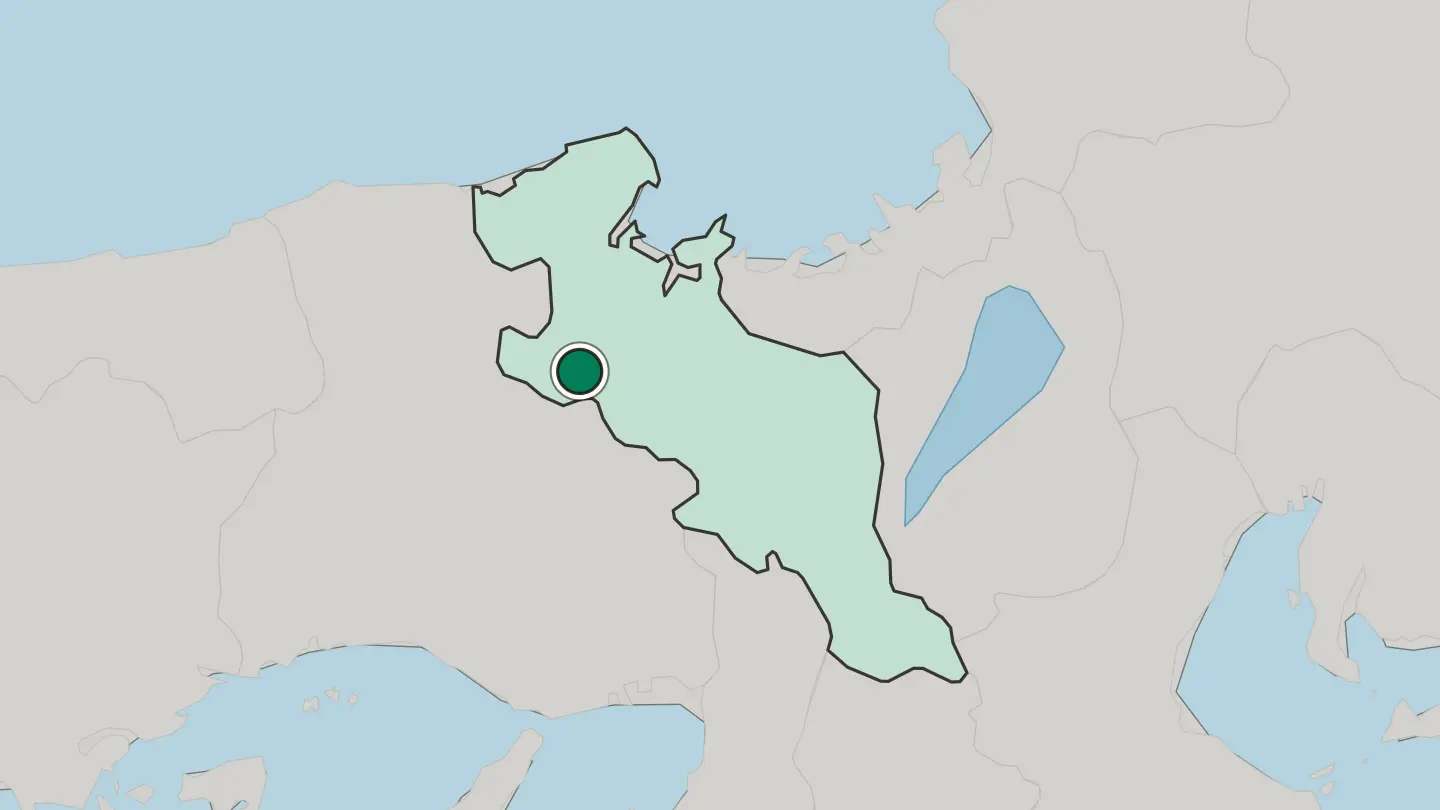 Japan
Japan
Kyōtanabe
Kyōtanabe, in southern Kyoto Prefecture, keeps the Ikkyū-ji Treasure Hall and the Doshisha University Historical Museum. A city since 1997.Where to stay →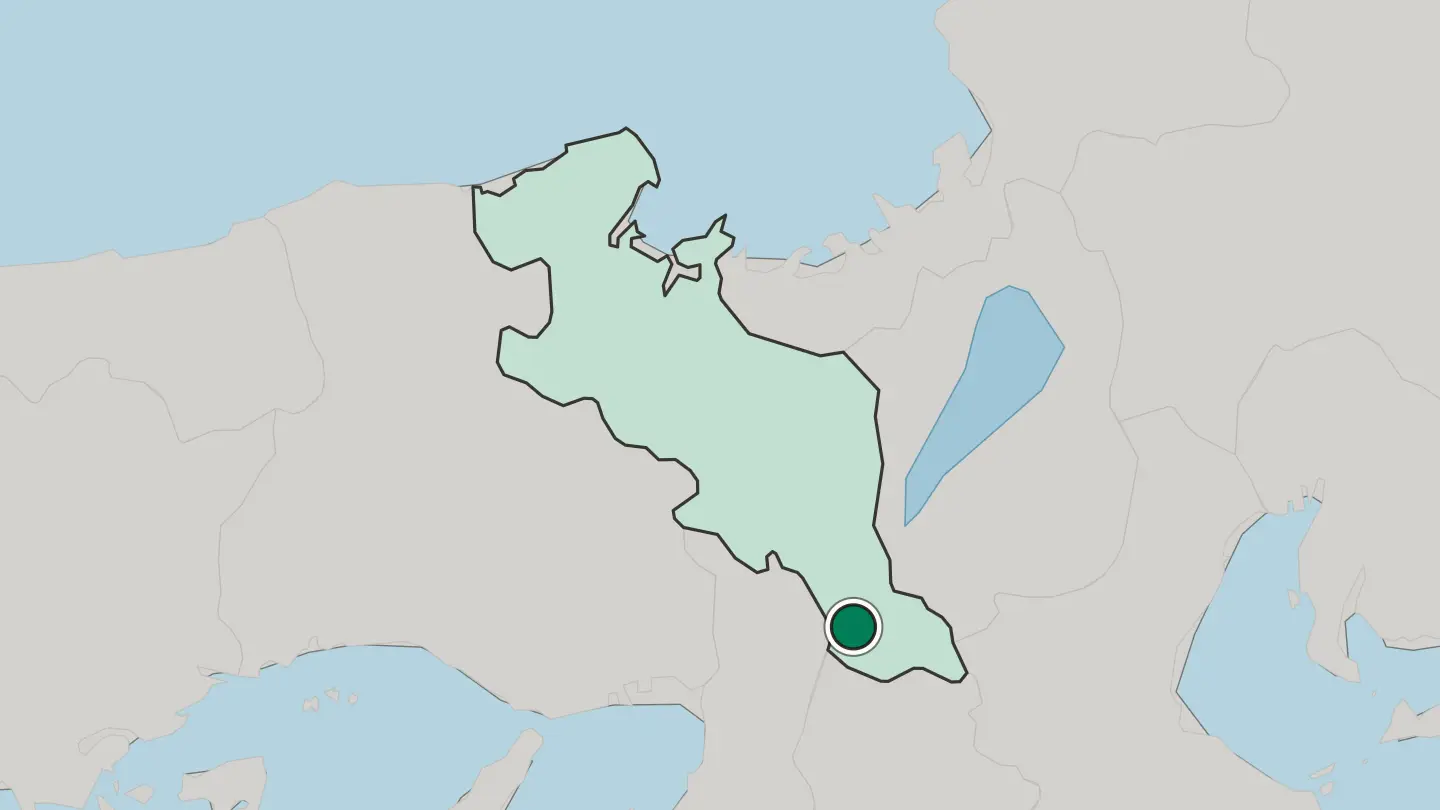
 Japan
Japan
Yawata
Yawata holds Iwashimizu Hachimangū, a shrine whose halls and gates are listed one by one, in Kyoto Prefecture. The city dates from 1977.Where to stay →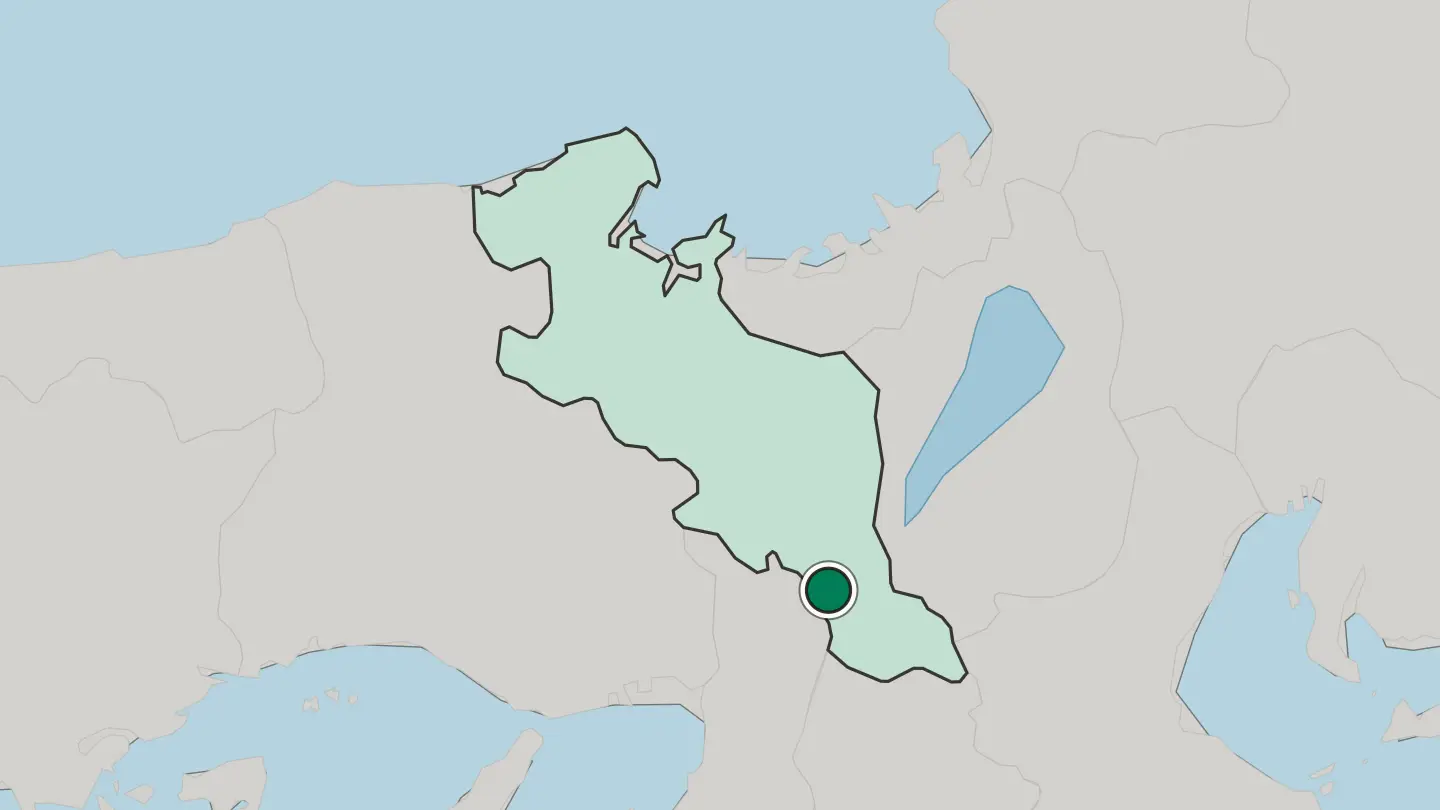 Japan
Japan
Mukō
Mukō fits four museums and the Otokuni Kofun Cluster into fewer than eight square kilometres of Kyoto Prefecture, Japan.Where to stay →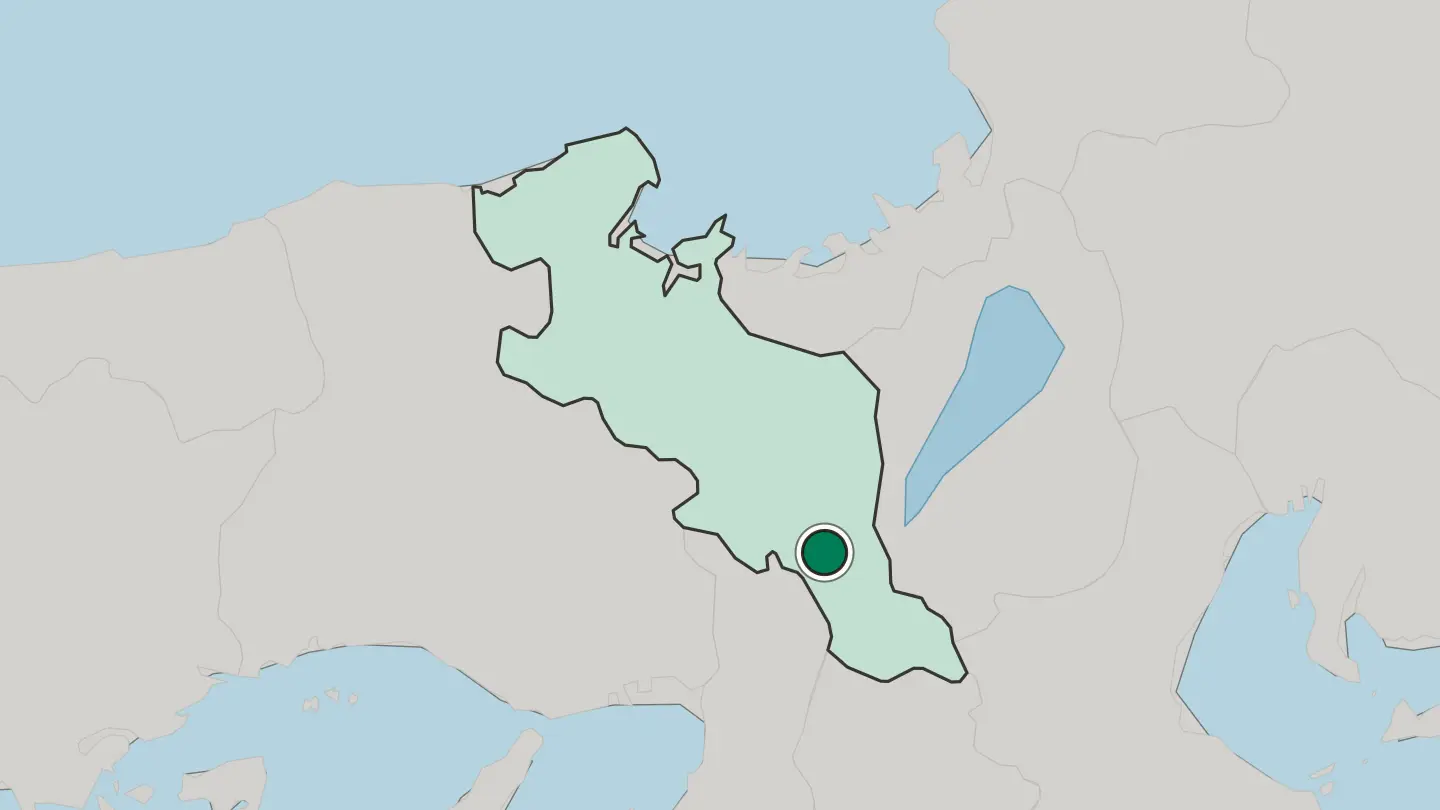
All towns & cities (9)
 Japan
Japan
Arashiyama
Arashiyama is a district on the outskirts of Kyoto, Japan, designated nationally as a historic site and place of scenic beauty on the Ōi River.Where to stay →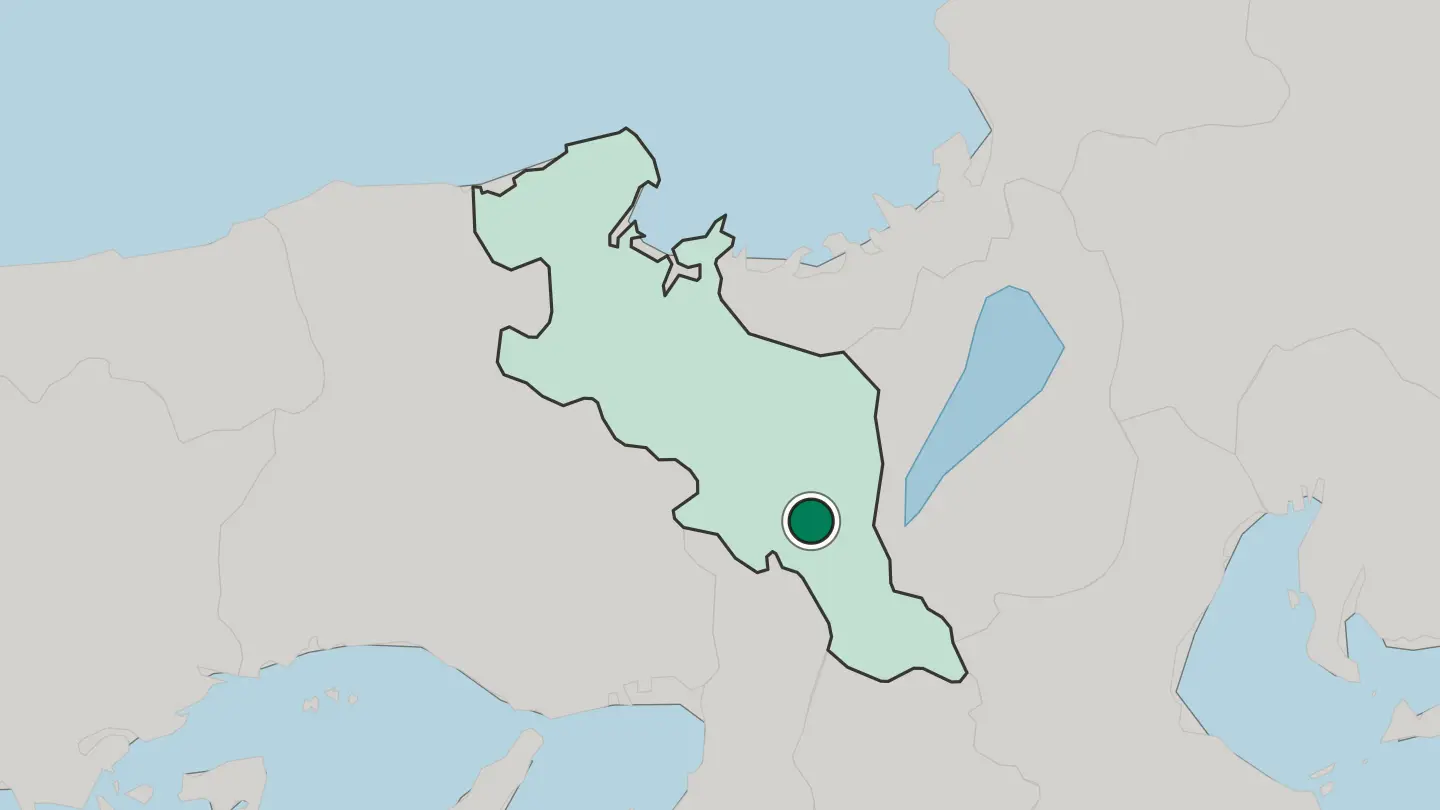
Hotel links are affiliate links: booking through them may earn us a commission, at no extra cost to you. It never affects how places are ranked. How this works
About Kyoto Prefecture
Kyoto is the reason most people come.
What is Kyoto Prefecture known for?
The prefecture's southern basin holds the old capital, a city of some two thousand Buddhist temples and Shinto shrines, from the vermilion torii of Fushimi Inari-taisha to the geisha lanes of Gion. Tea built the town of Uji, whose fields still grow Japan's most prized matcha. North of the Tanba Mountains the land changes entirely, dropping to the fishing ports and pine-clad sandbar of the Sea of Japan coast.
Kyoto's craft traditions reach back centuries. Nishijin looms have woven silk brocade for centuries.
Where is Kyoto Prefecture?
Kyoto Prefecture sits in the Kansai region of Honshu, Japan's main island, and it is long and narrow. It reaches from densely settled basins in the south all the way to the Sea of Japan in the north. The Tanba Mountains run across the middle and split the prefecture in two, and the two halves keep separate climates and separate ways of life.
In the south lies the Kyoto Basin. The old capital fills it, threaded by the Kamo River, and the basin drains south toward Osaka. This is where most of the prefecture's people live, on flat land ringed by low wooded hills.
North of the mountains the country empties out. The Tango Peninsula pushes into the Sea of Japan, its coast folded into inlets and fishing harbours, and the sandbar of Amanohashidate lies across the mouth of Miyazu Bay. Maizuru holds the main port.
Six prefectures ring the borders. Fukui lies to the north-east and Shiga to the east, with Mie to the south-east, Nara and Osaka to the south, and Hyōgo along the west. The modern prefecture stitches together three old provinces, Yamashiro in the south, the eastern half of Tanba in the middle, and Tango on the coast.
Together they cover a little over four thousand square kilometres.
What is Kyoto Prefecture like?
For more than a thousand years the court sat here, and the prefecture became the workshop of refined Japanese culture. Its temples and gardens set the standard. Raked gravel and moss in the Zen gardens, the tea ceremony perfected on Uji's matcha, kaiseki cooking served course by slow course, much of what the world thinks of as classical Japan was shaped in these streets.
Craft survived alongside the ritual. Nishijin weavers still throw silk brocade on hand looms, potters fire Kiyomizu ware in the eastern hills, and the sake brewers of Fushimi press the district's soft spring water into rice wine. In the lanes of Gion, geisha and their maiko apprentices still walk to evening engagements.
None of this is kept behind glass. Summer belongs to the Gion Matsuri, begun in the ninth century, though its tall wheeled floats were added later by the merchant guilds. The common tongue is Japanese, the same across the whole prefecture.
Life on the northern coast runs to a different rhythm, quieter and tied to the sea, where fishing villages and hot-spring inns line the Sea of Japan rather than temple gates. The contrast is the point. One Kyoto keeps the court's old polish; the other mends nets and watches the tide.
What is the history of Kyoto Prefecture?
In 794 the emperor Kanmu moved his court here and laid out a new capital, Heian-kyō, on a Chinese grid in the southern basin. It held the throne for over a thousand years. Through war, fire and the rise and fall of shoguns, the city stayed the emperor's seat until 1868, when the Meiji Restoration carried the court off to Tokyo.
The same upheaval created the modern prefecture. Its old provinces, Yamashiro, Tango and eastern Tanba, were folded into one and given the name Kyoto. The court never came back.
What is the climate of Kyoto Prefecture?
The Tanba Mountains give the prefecture two climates. In the southern basin, summers in the old capital turn hot and sticky, the heat pooling in the ring of hills, while winters stay cold and mostly dry with little snow. The north is another story.
Along the Sea of Japan the winter monsoon piles up heavy snow on the Tango coast, far more than the basin ever sees. Spring and autumn are the kind seasons, cool and clear on both sides of the divide.
How do you get to Kyoto Prefecture?
Most visitors arrive by train. Kyoto sits on the Tōkaidō Shinkansen, a bullet-train ride of little more than two hours from Tokyo and barely fifteen minutes from Osaka. The nearest big airports are Osaka's, Kansai International and Itami, both a short rail hop away.
From Kyoto Station local lines fan out across the south, to Uji and the tea country. Reaching the far coast takes patience. Limited-express trains climb over the Tanba Mountains to Maizuru and Amanohashidate on the Sea of Japan, hours north of the crowded basin around the old capital.
Common questions
What is the best area to stay in Kyoto Prefecture?
Kyoto: a first visit and the temple districts. Arashiyama: a riverside ryokan night by the bamboo grove. Uji: matcha tea and the Byōdō-in phoenix hall. The Sea of Japan coast: the northern shore and Amanohashidate.
Good for
More regions in Japan
Updated September 2026