Japan · Kyoto Prefecture
Where to Stay in Uji, Kyoto Prefecture
Uji sits on the southern outskirts of Kyoto, with Byodo-in, the Uji River and the Nintendo Museum. Tea has its own library here.
Hotel links are affiliate links: booking through them may earn us a commission, at no extra cost to you. It never affects how places are ranked. How this works


Where to stay in Uji
Where the beds are, and what that means for the visit.
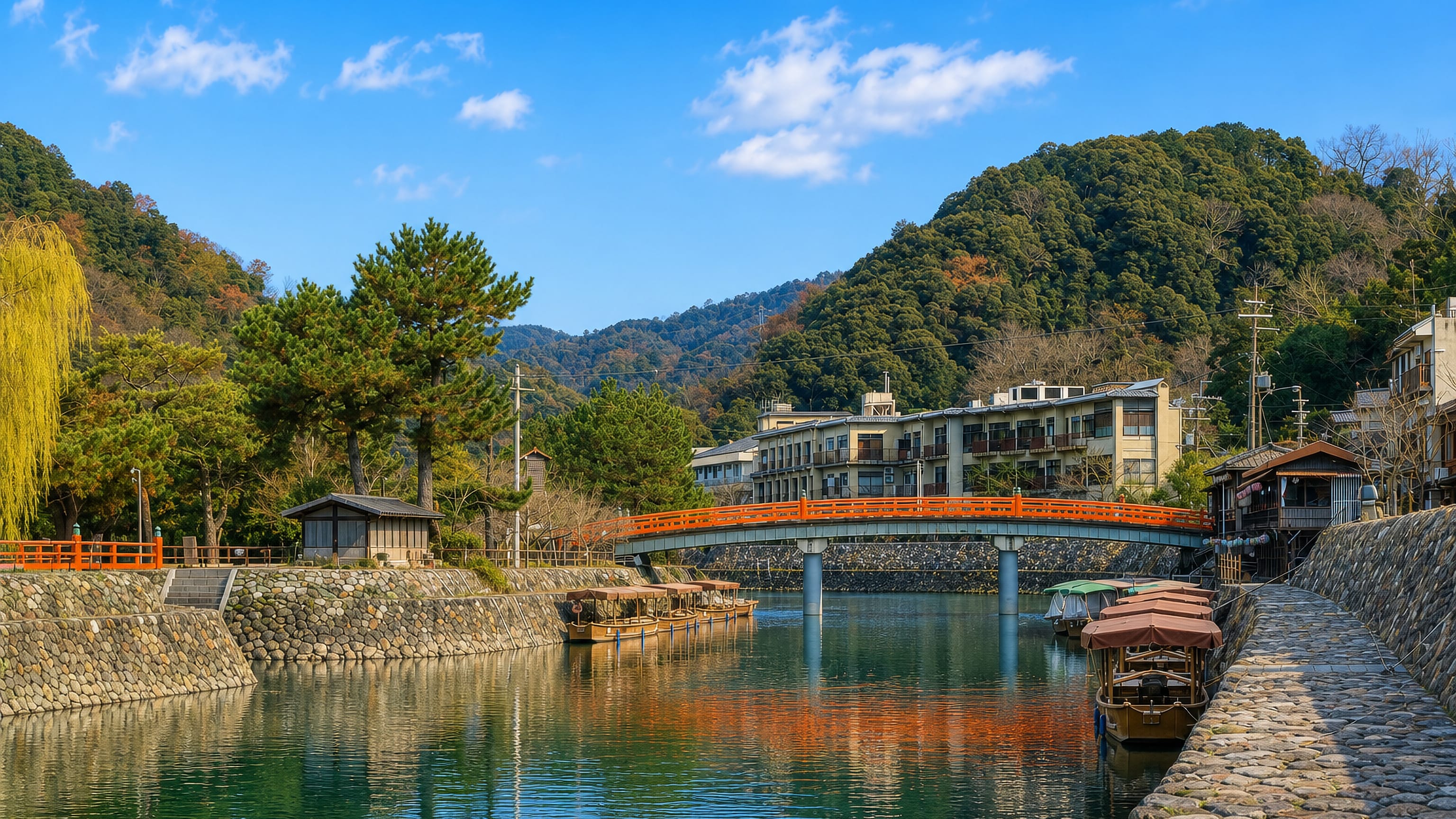
Byodo-in decides most first nights, since a room on the temple side puts the Byodo-in Museum Hoshokan within a short walk of breakfast and leaves the rest of the day free for whatever else is on the list. The river is the alternative. Beds along the Uji River sit near the bank recorded at the Uji River Taikō Embankment Site, and the walking between the two banks is flat, unhurried and short.
Nothing there is far from Byodo-in either. The Nintendo Museum has changed the arithmetic for some visitors, and a stay on that side of Uji makes sense if a single institution is the whole reason for the trip. The Tale of Genji Museum pulls the other way.
Rooms near it belong with the Uji History Museum and the Uji Tea Reference Library, which together make a literary and agricultural day out of a city most people give an afternoon to. Kyoto's edge is the fourth option. Uji covers about 68 square kilometres and runs right up to the outskirts of the larger city, so a bed near that boundary keeps Kyoto and Byodo-in both in play without committing the trip to either.
Find hotels in Uji
Direct booking searches for these neighbourhoods.
The Byodo-in side
The temple ground of Uji, where the Byodo-in Museum Hoshokan keeps the holdings of Byodo-in itself.Find hotels in The Byodo-in sideflat walking between the banks of the Uji RiverAlong the Uji River
The riverbank whose engineering is recorded at the Uji River Taikō Embankment Site.Find hotels in Along the Uji Rivera trip built around the Nintendo Museum aloneBy the Nintendo Museum
The part of Uji the Nintendo Museum occupies, well away from the Byodo-in approach. Rooms are few around here — worth securing early.Find hotels in By the Nintendo Museumnights divided between Uji and KyotoTowards the Kyoto boundary
The outskirts end of Uji, kept open for The Tale of Genji Museum and the run into Kyoto both.Find hotels in Towards the Kyoto boundaryHotel links are affiliate links: booking through them may earn us a commission, at no extra cost to you. It never affects how places are ranked. How this works
Things to do in Uji
Ranked by global recognition; descriptions from Wikidata (CC0).
Museums & Galleries
3- The Tale of Genji Museum
- Byodo-in Museum Hoshokan
- Uji History Museum
Castles & Historic Sites
3- Hayaagari Tile Kiln Site Heritage
- Kuse temple ruins Heritage
- Shoudoukanga-Iseki
Nature & Outdoors
1- 府民スポーツ広場
worth knowingacross 3 categories in Uji
About Uji
Three unrelated subjects share one city.
What is Uji known for?
The Tale of Genji Museum takes the literature it is named for, the Uji Tea Reference Library and the Uji Kanbayashi Memorial Hall take the tea, and the Nintendo Museum answers to something else entirely. Byodo-in holds the rest. Its Byodo-in Museum Hoshokan keeps what the temple owns, while the Uji History Museum covers the ground around it.
What are the main landmarks in Uji?
Byodo-in Museum Hoshokan leads the register, with The Tale of Genji Museum, the Nintendo Museum and the Uji Kanbayashi Memorial Hall pulling in three directions from it, and the Utoro Peace Memorial Museum standing on a subject of its own. Older ground is marked as well. Kuse temple ruins, Shoudoukanga-Iseki, the Hayaagari Tile Kiln Site and the Uji River Taikō Embankment Site are archaeological entries rather than exhibitions, while Fumin Sports Ground is the open sports ground on the same list.
The Uji Tea Reference Library completes it.
What is the history of Uji?
The ruins outnumber the monuments. Kuse temple ruins, Shoudoukanga-Iseki and the Hayaagari Tile Kiln Site are sites rather than standing buildings, and between them they put occupation of this ground far earlier than any of the institutions that now explain it. A kiln implies production.
The river was worked too, and the embankment recorded at the Uji River Taikō Embankment Site is the kind of engineering only a settled and organised community takes on. Byodo-in gave Uji its standing. The Byodo-in Museum Hoshokan holds what the temple accumulated, and The Tale of Genji Museum attaches the city to the work it takes its name from, which is a second and quite separate claim on the same ground.
Tea came to have institutions of its own. The Uji Tea Reference Library and the Uji Kanbayashi Memorial Hall are both given over to it. The municipality dates only from 1951.
That shorter administrative story is the Uji History Museum's subject, the Utoro Peace Memorial Museum keeps a twentieth-century record apart from it, and the Nintendo Museum sits at the far end of the same list in Kyoto Prefecture.
Where is Uji?
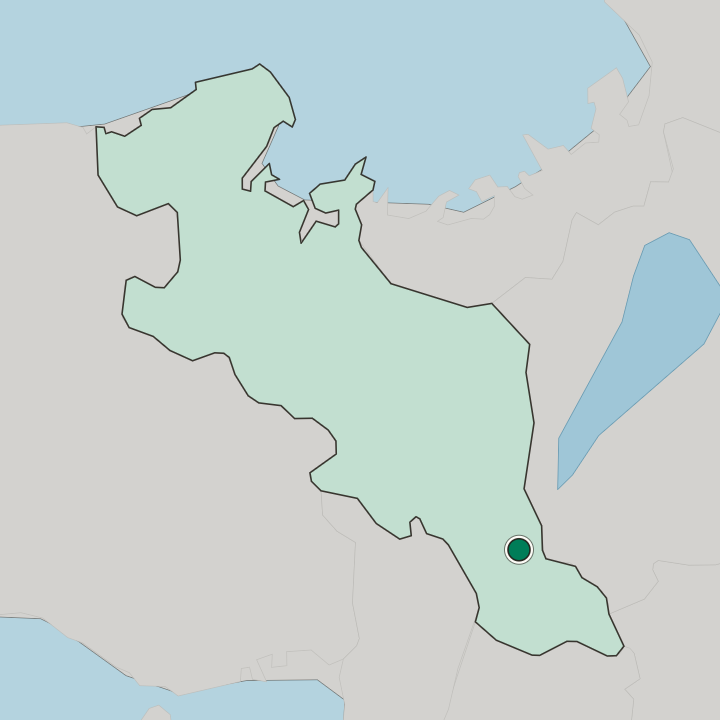
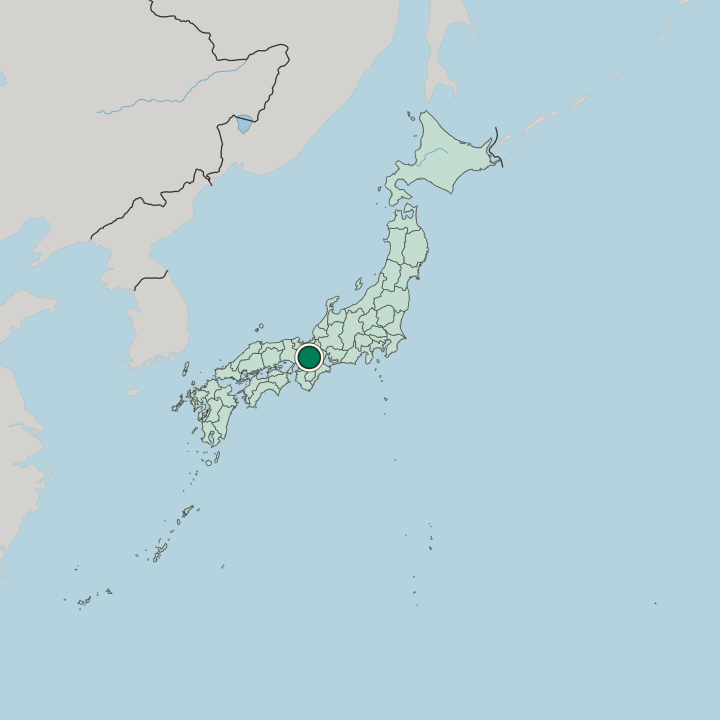
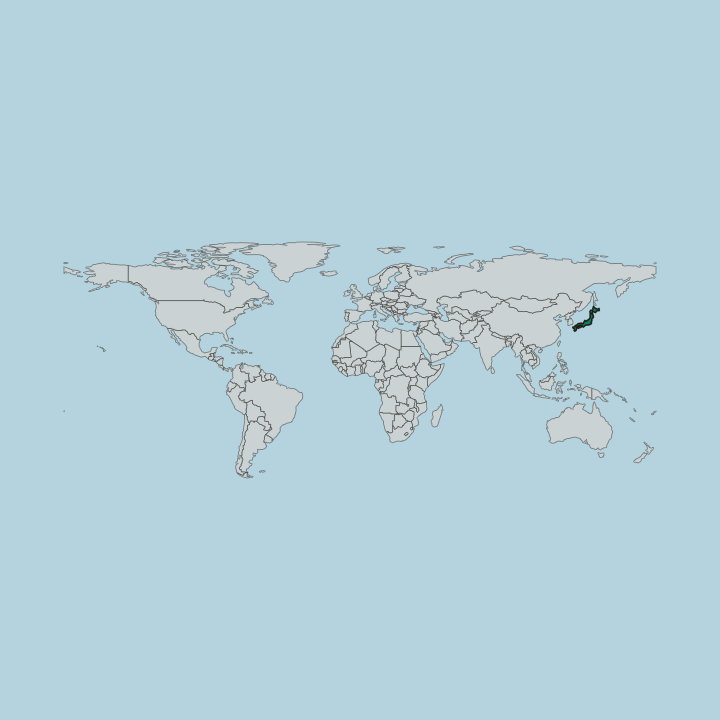
About 68 square kilometres of Kyoto Prefecture make up the city, laid out on the southern outskirts of Kyoto with the Uji River running through the middle of them. Uji sits in the subtropics. Where that river passes is where the Uji River Taikō Embankment Site records an older bank, and the ground on either side of it carries most of what a visitor comes to see.
What is the climate of Uji?
The Uji River is the reference point. Uji falls in the subtropical band of the northern hemisphere, so the middle of the year runs warm and humid while the cold end stays comparatively brief, and the riverside is where the change is felt first. Rain is the real variable.
The Tale of Genji Museum, the Byodo-in Museum Hoshokan and the Uji Tea Reference Library absorb a wet afternoon without much difficulty.
How do you get to Uji?
Kyoto is the approach. Uji lies on that city's southern outskirts, so most arrivals are a short run out from the larger place rather than a journey planned around Uji on its own, and going back is no harder. Nothing here is far apart.
Byodo-in, the Nintendo Museum and the Uji River Taikō Embankment Site all fall inside about 68 square kilometres of Kyoto Prefecture.
Common questions
What is the best area to stay in Uji?
The Byodo-in side: breakfast before the Byodo-in Museum Hoshokan opens. Along the Uji River: flat walking between the banks of the Uji River. By the Nintendo Museum: a trip built around the Nintendo Museum alone. Towards the Kyoto boundary: nights divided between Uji and Kyoto.
Good for
More cities in Kyoto Prefecture
Updated October 2026