Japan · Kyoto Prefecture
Where to Stay in Kyōtanabe, Kyoto Prefecture
Kyōtanabe, in southern Kyoto Prefecture, keeps the Ikkyū-ji Treasure Hall and the Doshisha University Historical Museum. A city since 1997.
Hotel links are affiliate links: booking through them may earn us a commission, at no extra cost to you. It never affects how places are ranked. How this works


Where to stay in Kyōtanabe
Where visitors usually base themselves, and why.
Ikkyū-ji anchors the first choice. A room on the temple side puts the Ikkyū-ji Treasure Hall within an easy morning, and the way back across Kyōtanabe is short enough that nothing else on the day's list gets crowded out of it. Doshisha University pulls the other way.
The Doshisha University Historical Museum belongs to the campus rather than to the temple, so a bed on that side suits you if the collection, and not the temple grounds, is the reason for the trip. Older ground lies apart from both. The Moriyama Site records occupation inside Kyōtanabe long before the municipality of 1997 was drawn around it, and a stay towards that edge trades the temple approach for a plainer set of streets.
Jōyō offers a fourth base. Rooms under that name bring the Jōyō City Historical and Folklore Reference Center and the Taketori Okina Museum into one short circuit, which works for anyone treating this corner of Kyoto Prefecture as a single visit rather than a single city. Little separates the four.
Kyōtanabe covers about 43 square kilometres, so the difference between these bases is measured in minutes rather than in hours.
Find hotels in Kyōtanabe
Direct booking searches for these neighbourhoods.
The Ikkyū-ji side
The temple end of Kyōtanabe, where the Ikkyū-ji Treasure Hall holds what the temple itself accumulated.Find hotels in The Ikkyū-ji sidea stay built around the Doshisha University Historical MuseumBy the Doshisha campus
The university quarter, where the Doshisha University Historical Museum keeps an institutional record apart from the town's.Find hotels in By the Doshisha campustravellers following the Moriyama Site and the older groundTowards the Moriyama Site
The edge of Kyōtanabe that carries the Moriyama Site, away from the Ikkyū-ji approach. Rooms are few around here — worth securing early.Find hotels in Towards the Moriyama Sitenights pairing Kyōtanabe with the Jōyō City Historical and Folklore Reference CenterUnder the Jōyō name
Beds listed under Jōyō, within the same short circuit as the Taketori Okina Museum. Rooms are few around here — worth securing early.Find hotels in Under the Jōyō nameHotel links are affiliate links: booking through them may earn us a commission, at no extra cost to you. It never affects how places are ranked. How this works
About Kyōtanabe
Museums do the explaining here.
What is Kyōtanabe known for?
The Ikkyū-ji Treasure Hall keeps what the temple has gathered, the Taketori Okina Museum stands on its own subject, and the Doshisha University Historical Museum brings a university collection into a small city. Traces of earlier eras remain as well. The Moriyama Site marks earlier settlement inside Kyōtanabe, and the Jōyō City Historical and Folklore Reference Center falls within the same short radius under another city's name.
What are the main landmarks in Kyōtanabe?
The Ikkyū-ji Treasure Hall leads the register. The Taketori Okina Museum and the Doshisha University Historical Museum follow it, each with a collection answering to a subject of its own, while the Jōyō City Historical and Folklore Reference Center keeps the folklore record under a neighbouring city's name. One entry predates the rest.
The Moriyama Site is archaeological rather than curated, and Caolu City is listed among Kyōtanabe's sites as well.
What is the history of Kyōtanabe?
The city is younger than the ground beneath it. The Moriyama Site records occupation in Kyōtanabe long before any municipal boundary existed, and it stands in the register as an archaeological entry rather than as an attraction with a door and a desk. Ikkyū-ji belongs to that older layer.
Whatever the temple accumulated over the centuries is kept in the Ikkyū-ji Treasure Hall, which answers to the temple rather than to the administration that later drew the district around it. Tanabe-mura is the name on the older books. The suffix marks a village.
That entry preceded the municipality of 1997, the year Kyōtanabe took its present shape and the label Kyōtanabe-shi, so the administrative history is far shorter than the settled one. A second thread runs through the campus. The Doshisha University Historical Museum documents an institution rather than a district, and the Jōyō City Historical and Folklore Reference Center keeps the folklore record under another city's name, which leaves the local past split across more than one authority.
The Taketori Okina Museum completes the set. Within Kyoto Prefecture, Kyōtanabe-shi reads as a recent arrangement laid over much older ground.
Where is Kyōtanabe?
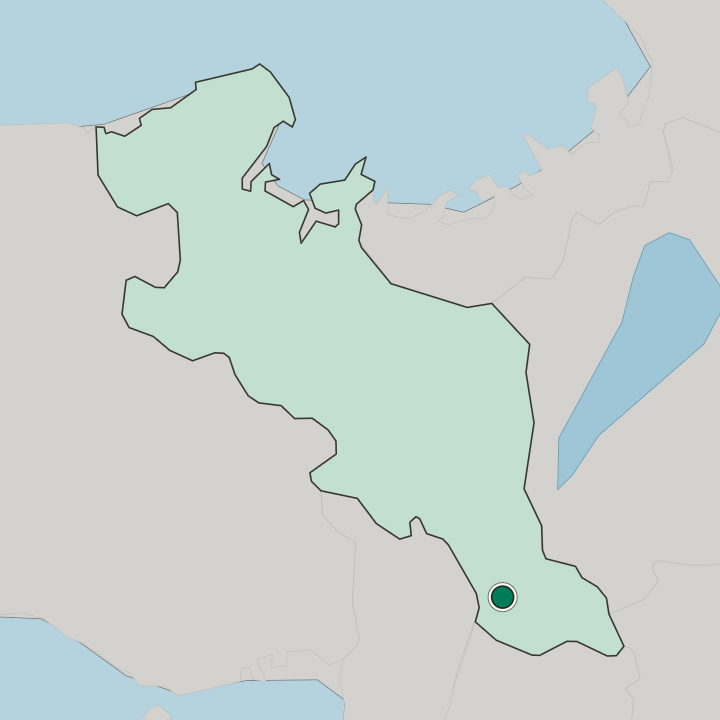
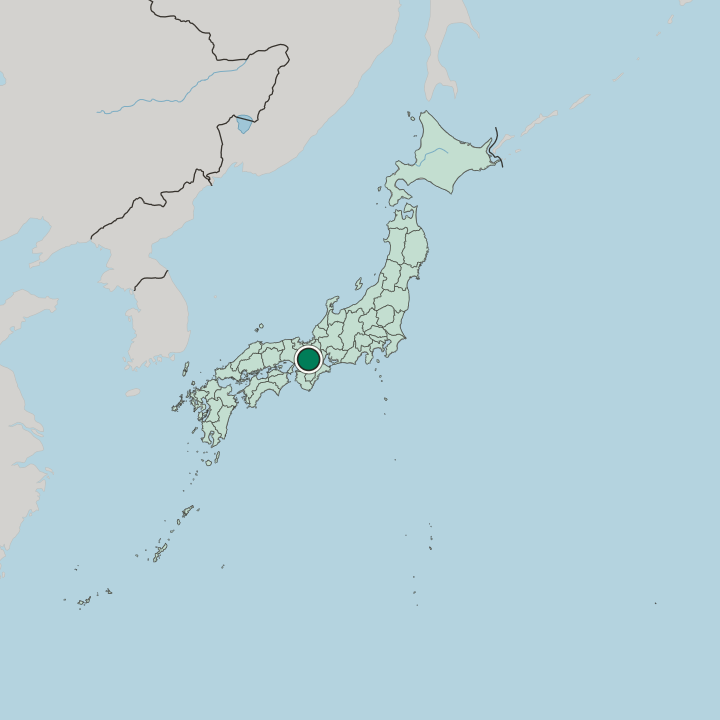
Kyōtanabe occupies a small share of southern Kyoto Prefecture. The municipality runs to about 43 square kilometres, compact enough that the Ikkyū-ji Treasure Hall, the Moriyama Site, and the Doshisha University Historical Museum all fall inside one short set of journeys. Its climate sits in the subtropical band.
Jōyō lies near enough that its reference center is counted among the sites of Kyōtanabe rather than kept apart from them.
What is the climate of Kyōtanabe?
Summer governs the shape of a visit. Kyōtanabe falls in the subtropical band of the northern hemisphere, which loads the heavy weather into the middle of the year and keeps the cold months comparatively brief. Indoor plans hold up well.
The Ikkyū-ji Treasure Hall, the Taketori Okina Museum, and the Doshisha University Historical Museum give a wet afternoon in Kyoto Prefecture somewhere to go.
How do you get to Kyōtanabe?
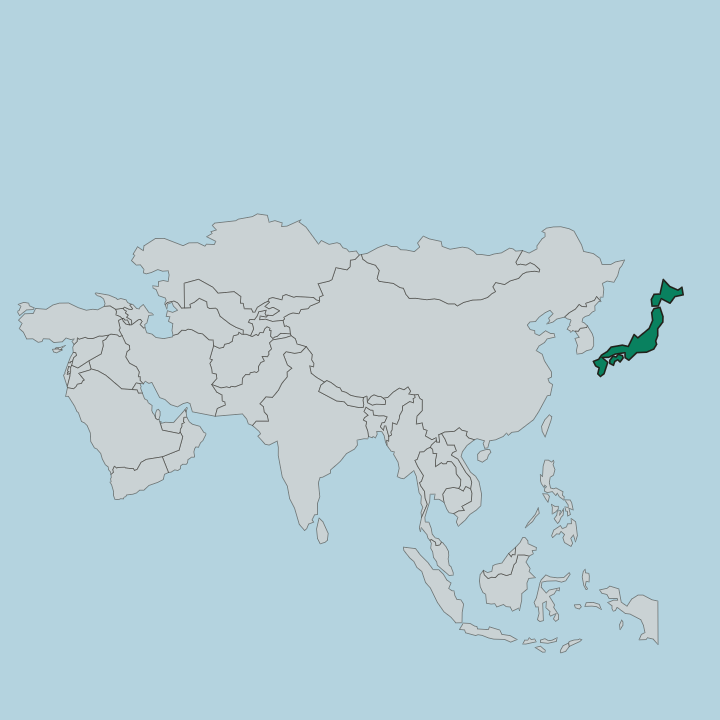
Approaches run through Kyoto Prefecture. Kyōtanabe sits in the southern part of it, so most arrivals come from elsewhere in the prefecture, and Jōyō is close enough that the two cities can be taken as one stop on a wider circuit through Japan. The city itself asks little.
The Ikkyū-ji Treasure Hall, the Moriyama Site, and the Doshisha University Historical Museum all lie within about 43 square kilometres.
Common questions
What is the best area to stay in Kyōtanabe?
The Ikkyū-ji side: mornings that begin at the Ikkyū-ji Treasure Hall. By the Doshisha campus: a stay built around the Doshisha University Historical Museum. Towards the Moriyama Site: travellers following the Moriyama Site and the older ground. Under the Jōyō name: nights pairing Kyōtanabe with the Jōyō City Historical and Folklore Reference Center.
Good for
More cities in Kyoto Prefecture
Updated October 2026