Japan · Saitama-ken
Where to Stay in Higashi-Matsuyama, Saitama-ken
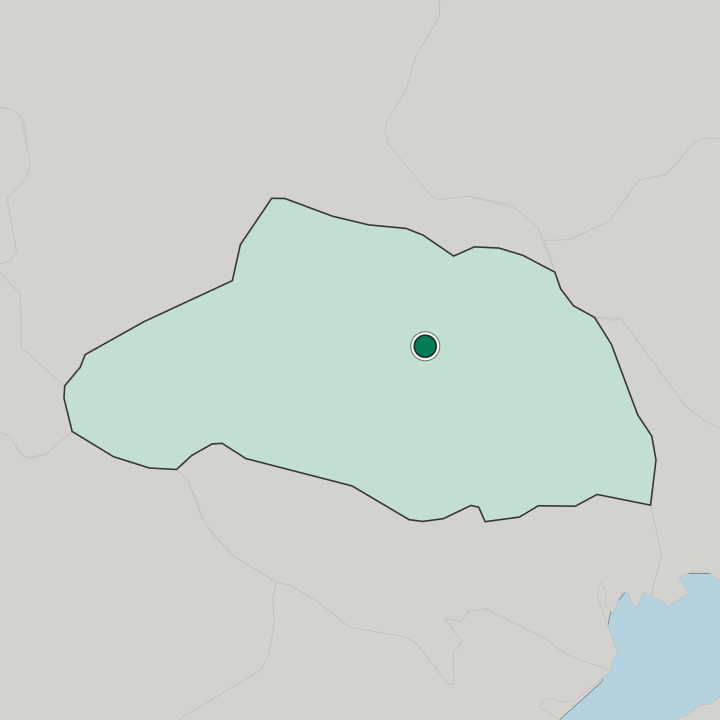
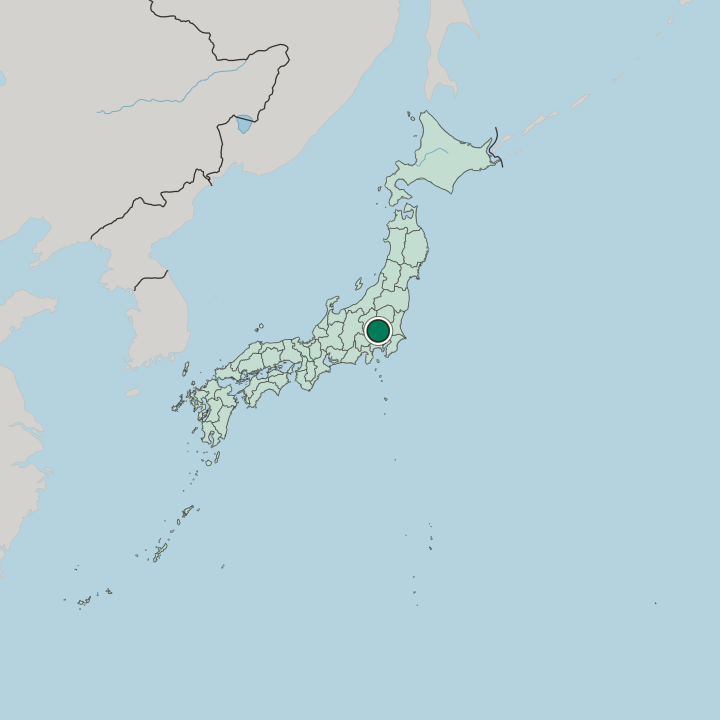
Higashi-Matsuyama is a city in Saitama Prefecture, Japan, near the Sakitama Kofun Park and the Maruki Gallery for the Hiroshima Panels.
Hotel links are affiliate links: booking through them may earn us a commission, at no extra cost to you. It never affects how places are ranked. How this works


Where to stay in Higashi-Matsuyama
Where visitors usually base themselves, and why.
Two museums set the terms for a stay: the Maruki Gallery for the Hiroshima Panels and the Peace Museum of Saitama. A room near either one gives a visitor an unhurried morning at both, since neither rewards a rushed hour and the distance between the city's streets and its quieter edges stays walkable. Staying close pays.
The rest of Saitama Prefecture opens from there. Archaeology pulls the other way. Sakitama Kofun Park and the Saitama Prefectural Museum of the Sakitama Ancient Burial Mounds sit out among the mounds, and a stay chosen for them accepts a drive or a train leg in exchange for open ground and fewer people.
Yoshimi Town Archaeological Center rounds out that side of a trip. A car matters if the kiln sites do, because the Ōya Tile Kiln Site and the Minimamihiki Kiln Site are not walkable from any single address. Roads beat timetables.
Families and students change the calculation again. The Saitama Children's Zoo and the Daito Bunka University Beatrix Potter Reference Library give a different reason to be here, and both suit a stay that mixes an afternoon out with an early evening back in the city. Higashi-Matsuyama goes quiet after dark.
Anyone who wants the Saitama Prefectural Ranzan Historical Museum or the Gyōda City Museum in the same trip should count the transfers first.
Find hotels in Higashi-Matsuyama
Direct booking searches for these neighbourhoods.
By the Maruki Gallery
The Peace Museum of Saitama falls inside the same day on footFind hotels in By the Maruki GalleryTrips built around Sakitama Kofun ParkOut among the mounds
Open ground beside the Saitama Prefectural Museum of the Sakitama Ancient Burial Mounds. Few places to stay nearby — book ahead.Find hotels in Out among the moundsVisitors pairing the Saitama Children's Zoo with a campus collectionThe university side
The Daito Bunka University Beatrix Potter Reference Library anchors this edge of Higashi-MatsuyamaFind hotels in The university sideHotel links are affiliate links: booking through them may earn us a commission, at no extra cost to you. It never affects how places are ranked. How this works
Things to do in Higashi-Matsuyama
Ranked by global recognition; descriptions from Wikidata (CC0).
Museums & Galleries
3- Tōyama Memorial Museum Heritage
- Maruki Gallery for the Hiroshima Panels
- Sakado City Folk Historical Museum
Castles & Historic Sites
1- Minimamihiki Kiln Site Heritage
Nature & Outdoors
1- Saitama Children's Zoo
worth knowingacross 3 categories in Higashi-Matsuyama
About Higashi-Matsuyama
Memory is the theme.
What is Higashi-Matsuyama known for?
The Maruki Gallery for the Hiroshima Panels and the Peace Museum of Saitama put twentieth-century memory at the centre of what draws visitors, while the Sakitama Kofun Park and the Saitama Prefectural Museum of the Sakitama Ancient Burial Mounds reach much further back. Older still are the kilns. The Ōya Tile Kiln Site and the Minimamihiki Kiln Site hold that layer in the country around the city.
What are the main landmarks in Higashi-Matsuyama?
The Maruki Gallery for the Hiroshima Panels carries the heaviest subject. Beside it the Peace Museum of Saitama and the Okegawa Hikōgakkō Peace Memorial Hall handle the same century from other angles, and the Tōyama Memorial Museum and the Nagashima Memorial Museum hold private collections nearby. Burial mounds mark older ground.
Sakitama Kofun Park and the Yoshimi Town Archaeological Center read that layer, and St Paul's Church, Kumagaya adds a later one.
What is the history of Higashi-Matsuyama?
The oldest evidence sits in the ground. Sakitama Kofun Park and the Saitama Prefectural Museum of the Sakitama Ancient Burial Mounds hold the earliest layer this part of Saitama Prefecture has to show, and the Yoshimi Town Archaeological Center works the same period from a second site. Kilns follow.
The Ōya Tile Kiln Site and the Minimamihiki Kiln Site record clay work that predates any municipal boundary drawn here. City status arrived in 1954. That date is recent against the mounds and the kilns, and it fixed the modern shape of Higashi-Matsuyama inside a prefecture that had been settled for a very long time already.
Institutions followed the boundary. The Rissho University Museum and the Daito Bunka University Beatrix Potter Reference Library belong to that later stage, as does the Saitama Children's Zoo. War memory left the heaviest deposit.
The Maruki Gallery for the Hiroshima Panels, the Peace Museum of Saitama, and the Okegawa Hikōgakkō Peace Memorial Hall each keep a part of that record, and together they give the district an unusually direct account of the war years. Nothing about it is decorative. Gyōda City Museum and the Kumagaya Culture Center, Art & Local History Room hold the local end of the same century, and the Saitama Prefectural Ranzan Historical Museum sets it against the older prefecture.
Where is Higashi-Matsuyama?
Higashi-Matsuyama occupies a compact stretch of Saitama Prefecture. What matters on that ground is what stands on it: burial mounds at Sakitama Kofun Park, kiln floors at the Ōya Tile Kiln Site, and museum buildings set among the streets. Neighbouring towns press close. Gyōda, Kumagaya, Yoshimi, and Sakado each keep collections within a short run of the city.
What is the climate of Higashi-Matsuyama?
The year splits between indoor and outdoor visiting. Higashi-Matsuyama lies in the temperate band of the northern hemisphere, so the mounds at Sakitama Kofun Park and the open kiln ground reward the mild months while the galleries carry the rest. Cold arrives with short days.
Rain sends visitors to the Maruki Gallery for the Hiroshima Panels and the Peace Museum of Saitama, neither of which depends on the weather outside.
How do you get to Higashi-Matsuyama?
Nothing here sits far from anything else. The city lies close enough to Gyōda, Kumagaya, and Yoshimi that one base serves the Gyōda City Museum, St Paul's Church, Kumagaya, and the Yoshimi Town Archaeological Center in turn. The gaps are short.
A car makes the Ōya Tile Kiln Site and the Saitama Prefectural Ranzan Historical Museum straightforward, and both are awkward without one.
Common questions
What is the best area to stay in Higashi-Matsuyama?
By the Maruki Gallery: Slow mornings at the Maruki Gallery for the Hiroshima Panels. Out among the mounds: Trips built around Sakitama Kofun Park. The university side: Visitors pairing the Saitama Children's Zoo with a campus collection.
Good for
More cities in Saitama-ken
Updated October 2026