Japan · Tokyo Prefecture · Tokyo
Fuchū, Tokyo — Area Guide & Where to Stay
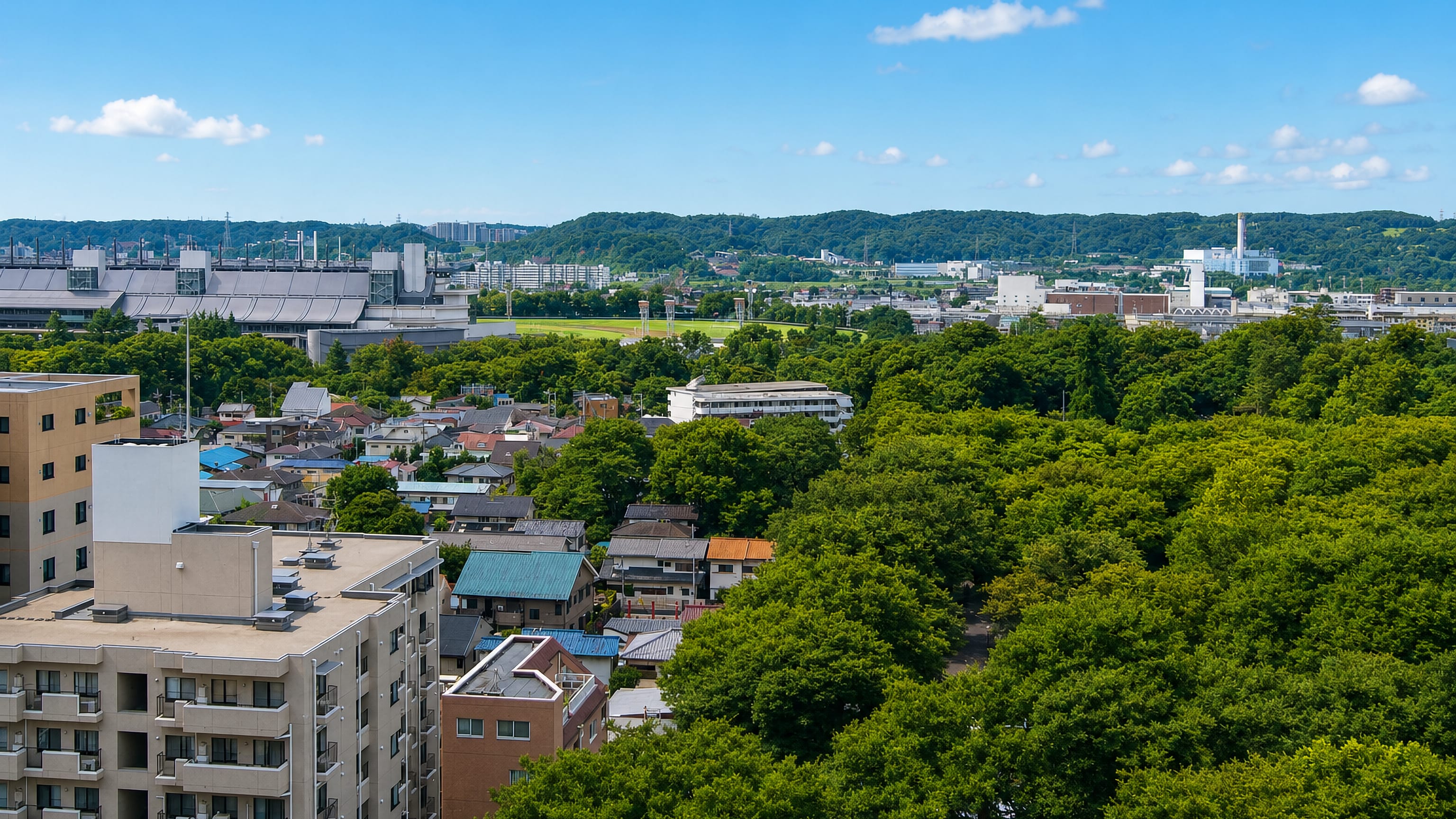
Fuchū is a suburban city within Tokyo, built around its racecourse, the Fuchū Art Museum, and the park at Kyōdo-no-Mori.
Hotel links are affiliate links: booking through them may earn us a commission, at no extra cost to you. It never affects how places are ranked. How this works


Where to stay in Fuchū
How the choice of base plays out on the ground.
Fuchū spreads out on the flat Tama terrace. Beds cluster near the racecourse, where the JRA Racing Museum and the crowds of a race day set the rhythm of the neighbourhood, then thin out toward the quieter museum lanes. Choose your corner by pace.
The streets around the Fuchū Art Museum keep a slower, gallery-minded grain, while the wide grounds of Kyōdo-no-Mori draw travellers who want open ground rather than platforms. Stays gather along the main rail line.
Find hotels in Fuchū
Direct booking searches for these neighbourhoods.
Around the racecourse
The blocks by the racecourse and the JRA Racing Museum put the track's grandstands and the sport's museum within a short walk of the bed.Find hotels in Around the racecoursegallery-minded stays on the quieter museum streetsFuchū Art Museum lanes
The streets around the Fuchū Art Museum trade the race-day crowds for a slower, low-rise grain of the city suited to unhurried days. Few places to stay nearby — book ahead.Find hotels in Fuchū Art Museum lanestravellers who want the open park grounds over rail platformsKyōdo-no-Mori edge
The wide open-air grounds of Kyōdo-no-Mori anchor a green, farmhouse-dotted corner of Fuchū for those after room to roam rather than transit. Lodging is scarce in this area; reserve in advance.Find hotels in Kyōdo-no-Mori edgeHotel links are affiliate links: booking through them may earn us a commission, at no extra cost to you. It never affects how places are ranked. How this works
About Fuchū
What are the main landmarks in Fuchū?
Fuchū rewards a slow walk. The Fuchū Art Museum anchors the district's gallery scene, the JRA Racing Museum traces the history of Japanese horse racing beside the track, and Kyōdo-no-Mori gathers relocated old farmhouses across an open-air park. History runs deeper here.
The Musashi Kokubunji Temple Remains Museum keeps the record of the ancient Musashi provincial temple whose grounds once reached across this stretch of the Tama plain.
What is the history of Fuchū?
Fuchū became a modern city in 1954. Long before that it served as the seat of Musashi province, and the Musashi Kokubunji Temple Remains Museum still guards the foundations of the great provincial temple built here in the eighth century, a role that shaped the town's grid and its shrines. The old capital left its mark.
Kyōdo-no-Mori now gathers the district's farmhouses and archives, while the Fuchū Art Museum reads the same ground through the eyes of its painters.
Where is Fuchū?
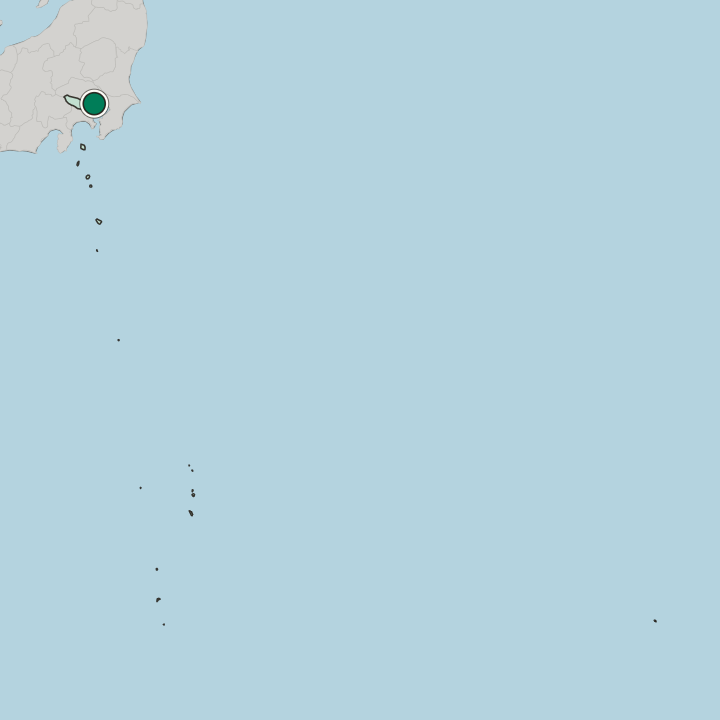
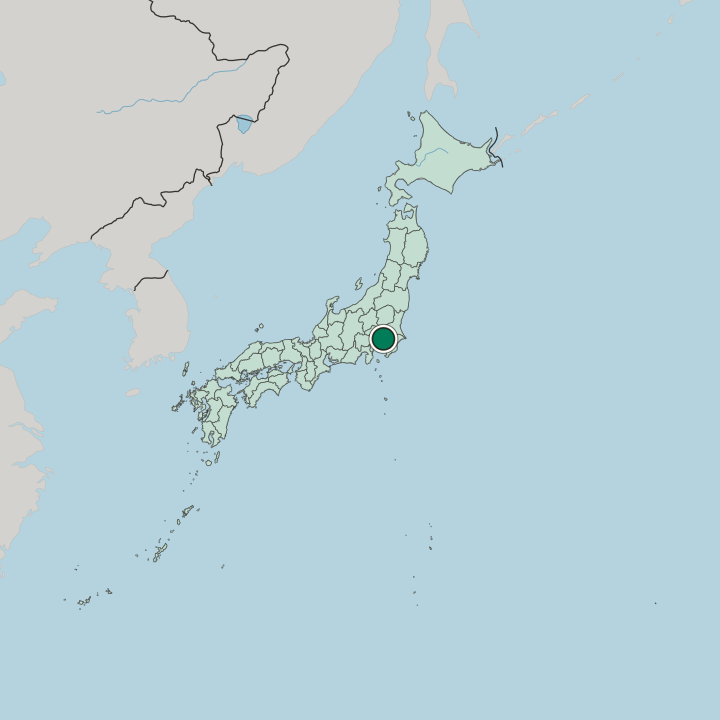
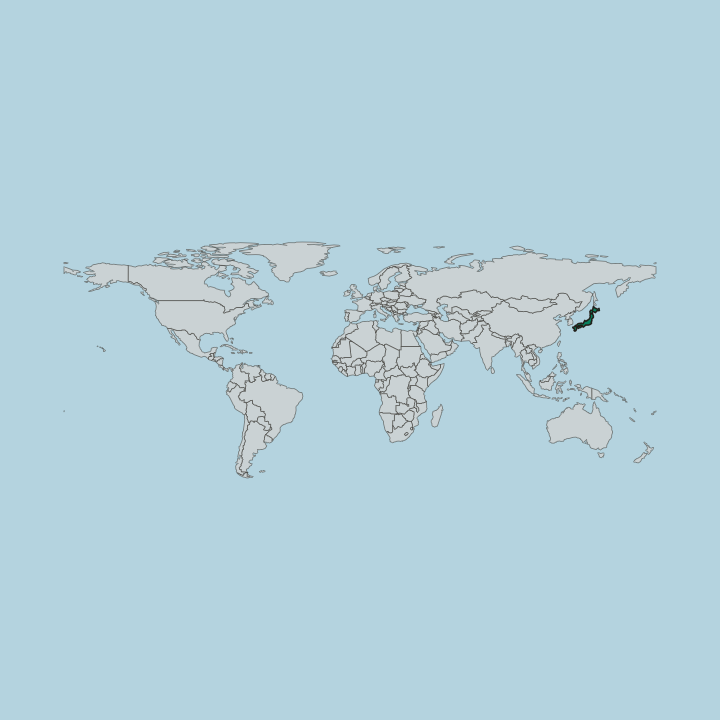
Fuchū sits on the level Tama terrace within Tokyo, its roughly 29 square kilometres running from the racecourse and the JRA Racing Museum out to the wooded grounds of Kyōdo-no-Mori.
Common questions
What is the best area to stay in Fuchū?
Around the racecourse: race-day visitors who want the JRA Racing Museum on their doorstep. Fuchū Art Museum lanes: gallery-minded stays on the quieter museum streets. Kyōdo-no-Mori edge: travellers who want the open park grounds over rail platforms.
More areas in Tokyo
Updated October 2026