Japan · Tokyo Prefecture · Tokyo
Kuramae, Tokyo — Area Guide & Where to Stay
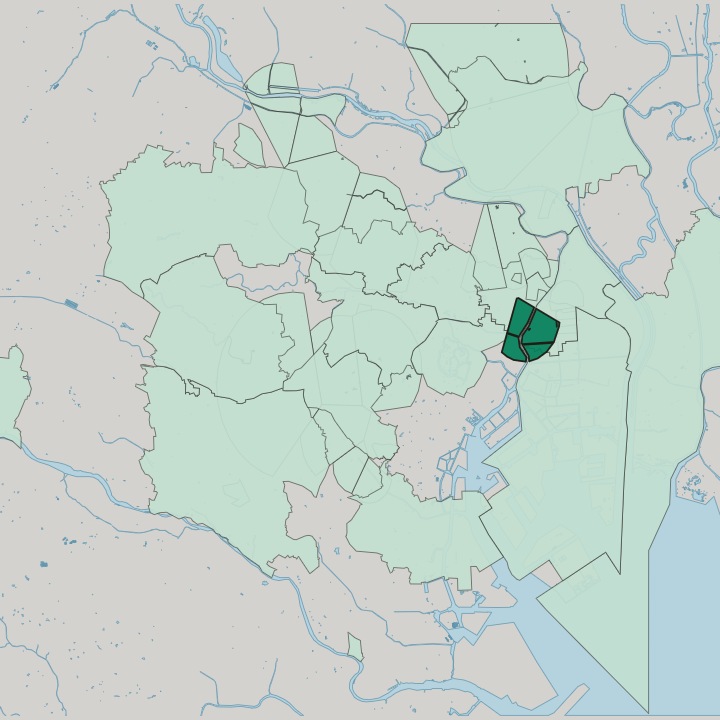
Kuramae is a district of Taitō in Tokyo where the Toei Asakusa Line and the Toei Ōedo Line cross without meeting underground.
Hotel links are affiliate links: booking through them may earn us a commission, at no extra cost to you. It never affects how places are ranked. How this works


Map data © OpenStreetMap contributors
Where to stay in Kuramae
Where the beds are, and what that means for the visit.
Two lines, one awkward transfer. Kuramae Station serves the Toei Asakusa Line and the Toei Ōedo Line, but the platforms have no underground link, so passengers changing between them come up to street level and walk. That quirk favours a stay.
A room here means the walk is short anyway, with Kotobuki alongside.
Find hotels in Kuramae
Direct booking searches for these neighbourhoods.
Over Kuramae Station
Blocks directly above Kuramae Station, where both Toei lines surface and the ground-level transfer stops being a nuisance.Find hotels in Over Kuramae Stationquieter nights in Kotobuki with the Drum Museum a walk awayThe Kotobuki side
The Kotobuki half of the station's ground, with the Drum Museum as the nearest fixed stop. Rooms are few around here — worth securing early.Find hotels in The Kotobuki sidedays built around the Edo-Tokyo Museum and the Sumo Museum, toward SumidaToward the Edo-Tokyo Museum
The museum ground reachable from Kuramae, where the Edo-Tokyo Museum and the Sumo Museum stand close enough to pair in a day.Find hotels in Toward the Edo-Tokyo MuseumHotel links are affiliate links: booking through them may earn us a commission, at no extra cost to you. It never affects how places are ranked. How this works
About Kuramae
What are the main landmarks in Kuramae?
Shubi no Matsu recalls the pine that leaned over the river between the fourth and fifth moats of the shogunate's rice stores. Kuramae Shrine keeps a statue of the dog from the rakugo tale Moto-inu. The Dairokuten Sakaki Shrine stands on the former Tokyo Shokkō Gakkō ground.
Toward Sumida, across the river, stand the Edo-Tokyo Museum, the Japanese Sword Museum, the Sumo Museum and the Ryōgoku Fireworks Museum. The Drum Museum and Hanayashiki lie toward Asakusa.
What is the history of Kuramae?
The shogunate built the Asakusa rice stores here in 1620, on land reclaimed from the Sumida river, and the area took its name, Kuramae, from them. Rice brokers settled along the stores. In 1881 the Tokyo Shokkō Gakkō opened on the site.
After the 1923 earthquake it moved to Ōokayama and became the Tokyo Institute of Technology, whose alumni association is named the Kuramae Kōgyōkai. Doll makers burned out in 1923 settled nearby, and the streets grew into a toy wholesale district. Sumo was held at the Kuramae Kokugikan from 1950 until it moved to Ryōgoku in 1984.
Where is Kuramae?
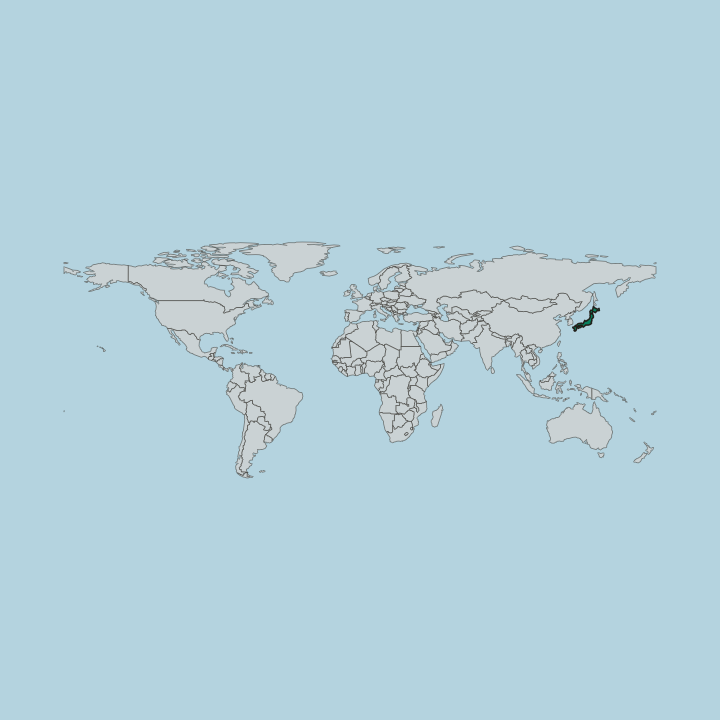
Kuramae covers a strip of Taitō in Tokyo, Japan, sharing the ground under its station with the neighbouring Kotobuki.
Common questions
What is the best area to stay in Kuramae?
Over Kuramae Station: travellers changing often between the Toei Asakusa Line and the Toei Ōedo Line. The Kotobuki side: quieter nights in Kotobuki with the Drum Museum a walk away. Toward the Edo-Tokyo Museum: days built around the Edo-Tokyo Museum and the Sumo Museum, toward Sumida.
Good for
More areas in Tokyo
Updated October 2026