Japan · Tokyo Prefecture · Tokyo
Senju, Tokyo — Area Guide & Where to Stay
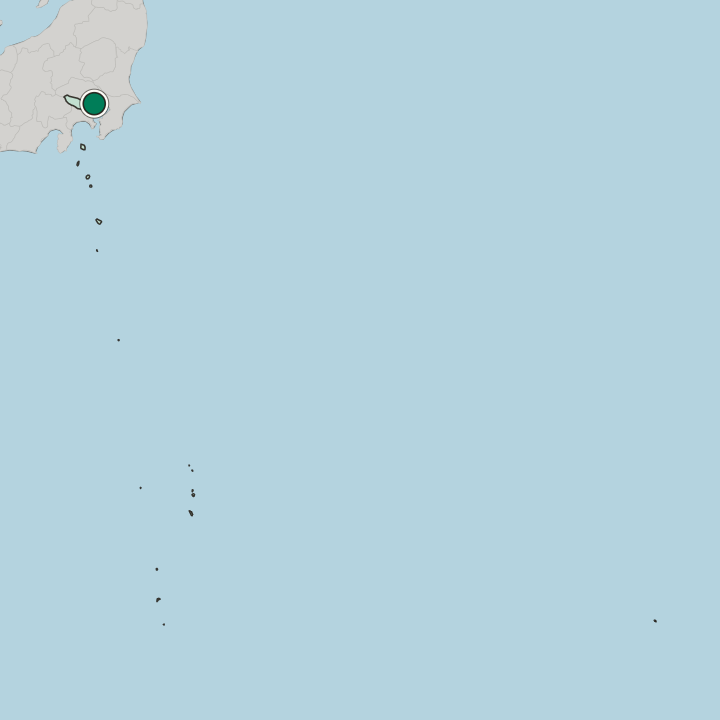
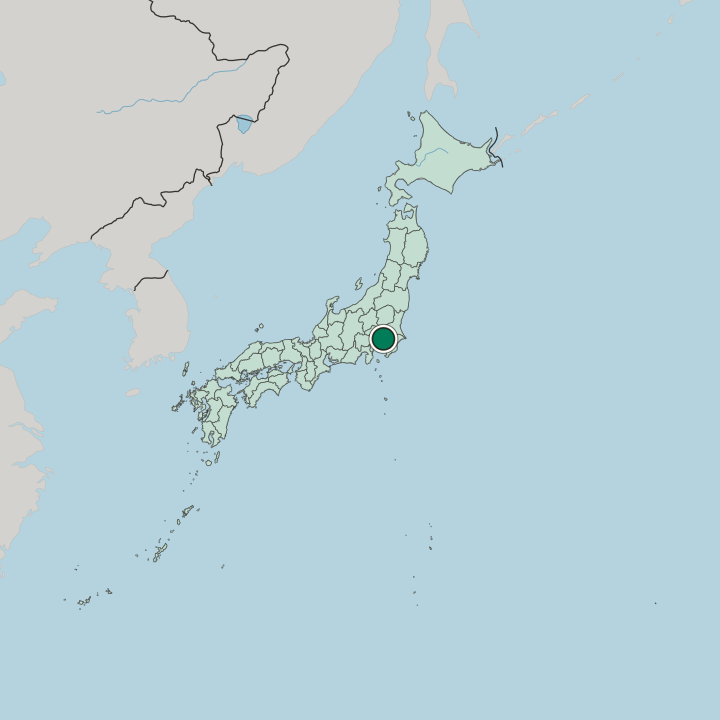
Senju is a chōmei in southern Adachi, Tokyo, running from Senju 1-chōme to 5-chōme, broadly the old Senju town. The Arakawa runs along its northern edge.
Hotel links are affiliate links: booking through them may earn us a commission, at no extra cost to you. It never affects how places are ranked. How this works


Where to stay in Senju
The practical side of choosing where to sleep.
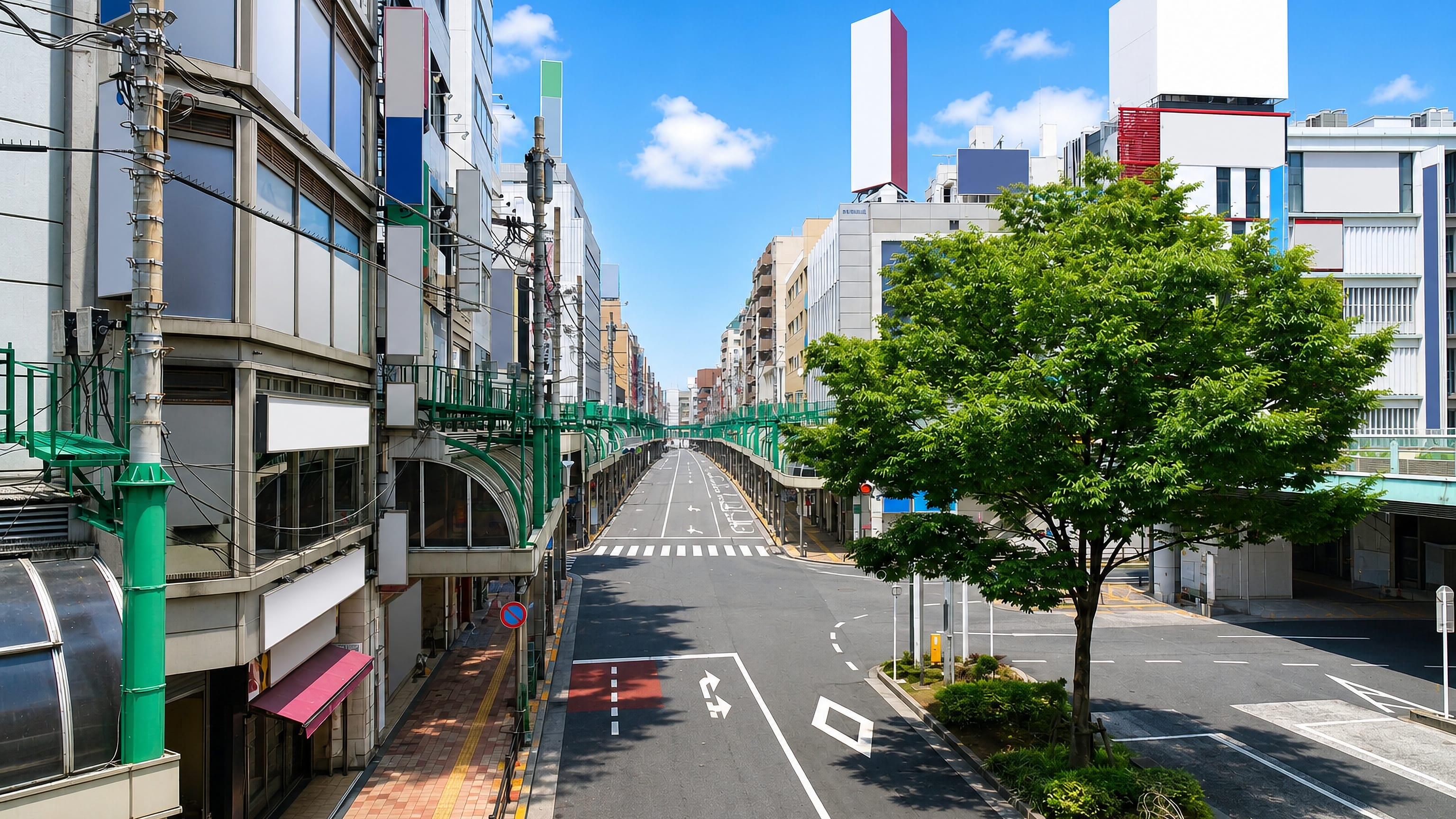
Kita-Senju is where the JR Jōban Line, the Chiyoda and Hibiya lines of the Tokyo Metro, the Tōbu Isesaki Line, the Keisei Main Line and the Tsukuba Express all cross, which makes Senju one of the easiest places in Tokyo to arrive at. The Nikkō Kaidō runs down the western boundary. More than ten shopping streets fan out from the station, among them Honchō, Sunroad and Million-dōri.
About Senju
What are the main landmarks in Senju?
The Yokoyama family house is the district's listed building. Senju is known for its bathhouses, and in the evening smoke rises from the chimneys. Tokyo Denki University moved here from Kanda, and Tokyo University of the Arts, Teikyo University of Science and Tokyo Future University all keep campuses in the area.
What is the history of Senju?
Shōsen-ji's temple record says that in 1327 Arai Zusho Masatsugu pulled a Senju Kannon image from the Arakawa in a net, and that the place was called Senju for it. His son Arai Hyōbu Masakatsu, who founded the temple, moved the image there. Other accounts make Senju the birthplace of Senju, a favourite of Ashikaga Yoshimasa, or trace the name to the Chiba clan who lived here.
Ito-Yokado's first store in all but name was the Senju store.
Where is Senju?
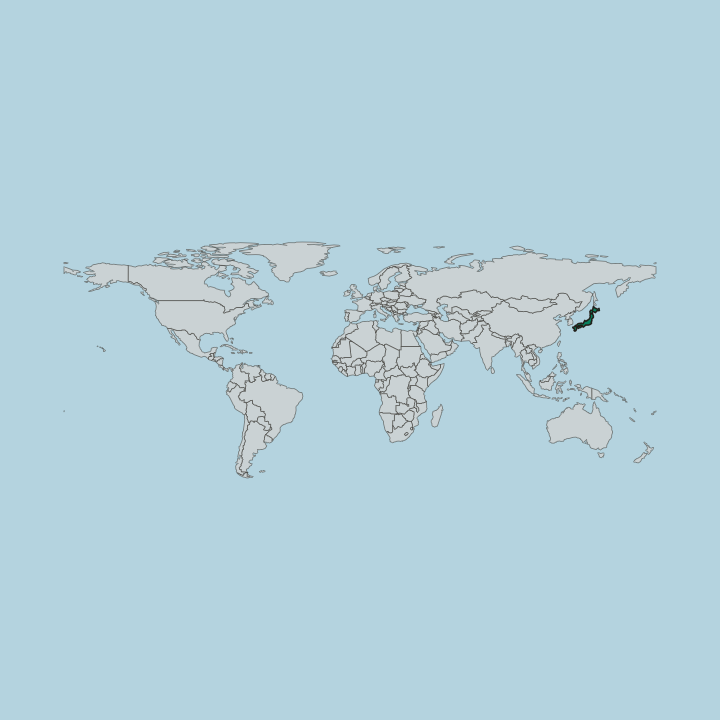
Senju lies in the south of Adachi, on alluvial lowland the rivers laid down. Some of it is below sea level. The Arakawa floodway, finished in 1930, cuts the ward from northwest to southeast and leaves Senju on the southern side.
Good for
More areas in Tokyo
Updated September 2026