Norway · Innlandet
Where to Stay in Flisa, Innlandet
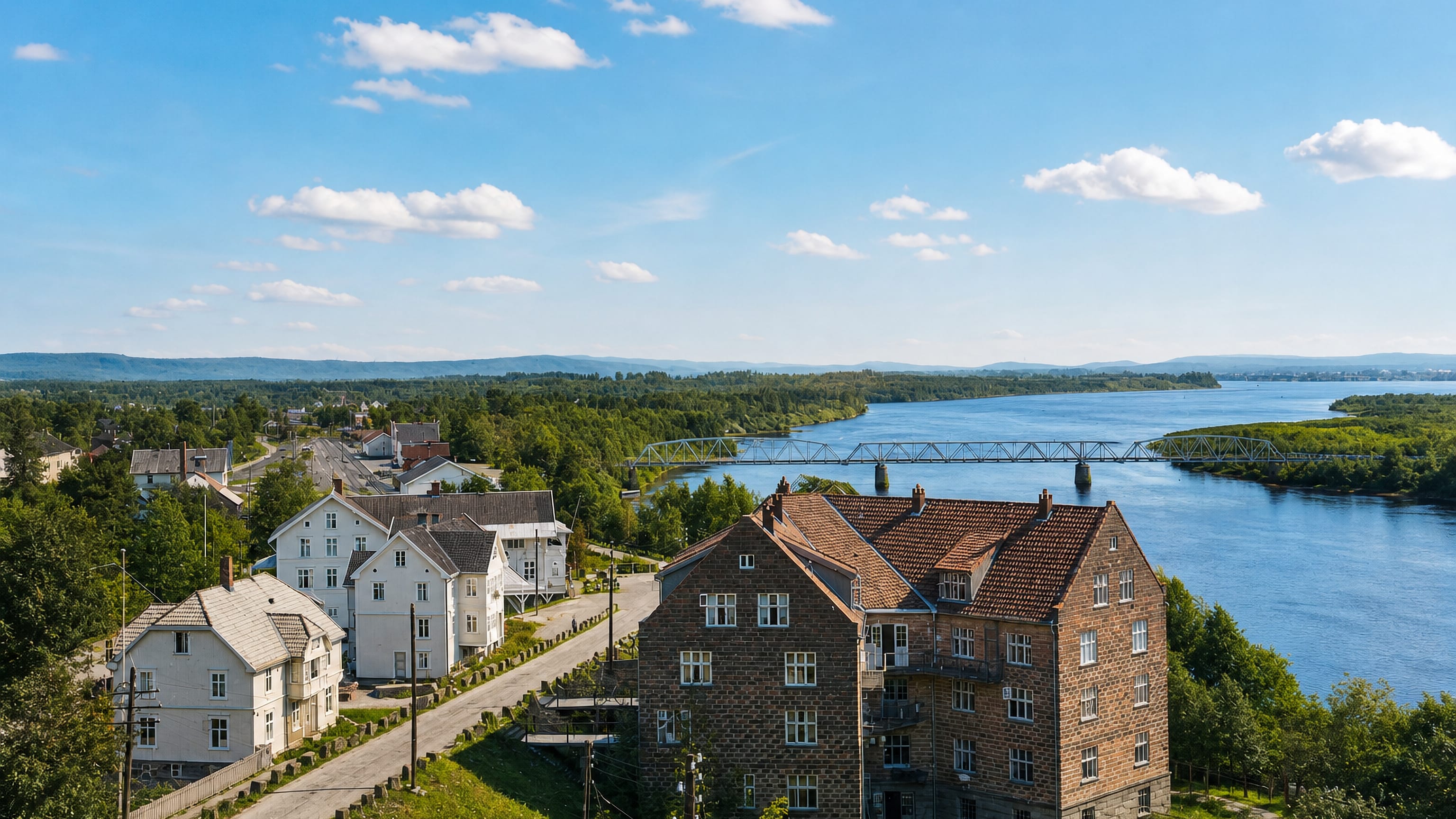
Flisa is the centre of Åsnes, where the Flisa river meets the Glomma in south-eastern Innlandet.
Hotel links are affiliate links: booking through them may earn us a commission, at no extra cost to you. It never affects how places are ranked. How this works


Where to stay in Flisa
How the choice of base plays out on the ground.
Flisa keeps its rooms in and around the village centre by the river junction, the natural base for the forested municipality of Åsnes. The beds near the middle of the village put you close to the shops, the station on the Solørbanen and the bank of the Glomma where the river Flisa joins it. Choose the riverside rooms for the centre.
The rooms by the water suit travellers who want the village on foot and a base for the timber country around, within reach of Åsnes kirke on the west side and the riverside paths along the Glomma. Visitors drawn to the older parishes lean toward the quieter beds out toward Arneberg kirke and Hof kirke, set among the farms and forest away from the centre. Beds run thin in this rural district.
Book the central rooms ahead through the warm months and the hunting season, when the forests of Åsnes draw their visitors in toward Flisa and the confluence.
Find hotels in Flisa
Direct booking searches for these neighbourhoods.
River-junction centre
central rooms by the Solørbanen station where the Flisa meets the GlommaFind hotels in River-junction centretravellers basing in the old parishÅsnes church side
beds on the west bank near Åsnes kirke and the riverside paths. Beds are limited here, so book early.Find hotels in Åsnes church sidevisitors after the timber country and old churchesForest parishes
quiet farm rooms out toward Arneberg kirke and Hof kirke. Lodging is scarce in this area; reserve in advance.Find hotels in Forest parishesHotel links are affiliate links: booking through them may earn us a commission, at no extra cost to you. It never affects how places are ranked. How this works
Things to do in Flisa
Ranked by global recognition; descriptions from Wikidata (CC0).
Churches & Religious Sites
5- Hof Church Heritage church in Åsnes
- Arneberg Church Heritage
- Åsnes Church Heritage church building in Åsnes
- Våler Church Heritage
- Gjesåsen Church Heritage
Stadiums & Sports
1- Sundenga Idrettspark
worth knowingacross 2 categories in Flisa
About Flisa
Flisa is the administrative centre of Åsnes.
What is Flisa known for?
The village stands at the confluence where the river Flisa runs into the Glomma, the gathering point of trade and services for a forested municipality in the south-eastern part of Innlandet. Åsnes kirke rises on the west side. The medieval church marks the old parish, and the Solørbanen railway and the national road both run through the village, drawing the surrounding farms and the timber country of the kommune in toward the river junction.
What are the main landmarks in Flisa?
The old churches of Åsnes are the marks of this country. Åsnes kirke stands on the west side of the village above the Glomma, one of several heritage church buildings scattered through the forested municipality. The parishes spread out around it. Arneberg kirke, Gjesåsen kirke and Hof kirke each serve their own corner of the kommune among the timber and the farms, while the Sundenga Idrettspark gives the village its sports ground by the river, set in the south-eastern reaches of Innlandet.
What is the history of Flisa?
The river made the place. Flisa grew at the confluence where its own river runs into the Glomma, the natural meeting point in the forested country of Åsnes where the water, the roads and the timber trade came together in the south-eastern part of Innlandet. The forests set the pattern.
This is deep timber country, and for centuries the farms and the logging of Åsnes worked the woods along the Glomma, with the parishes forming around their churches, Arneberg kirke, Gjesåsen kirke, Hof kirke and Åsnes kirke, long before a single village dominated the district. The railway drew it together. When the Solørbanen was laid through the valley it gave Flisa its station and its trade, and the village at the river junction grew into the gathering point of the kommune, the place where the road and the rail and the river all met. Åsnes kirke on the west side marks the old parish above the water, and over time the cluster of houses at Flisa became the administrative centre of the surrounding municipality.
The timber still moves. The forests of Åsnes spread out around the village much as they always have, and Flisa holds the working life of a wide forested district at the meeting of its two rivers.
Where is Flisa?
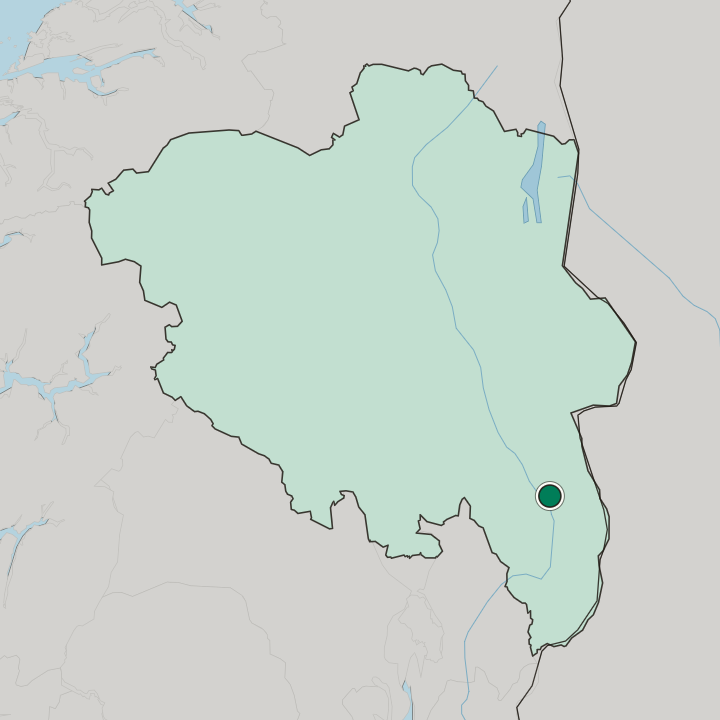
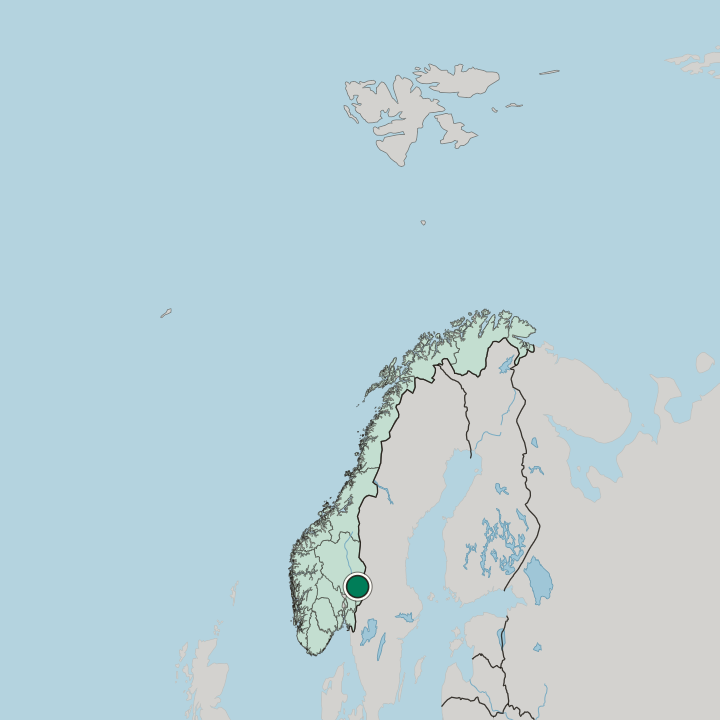
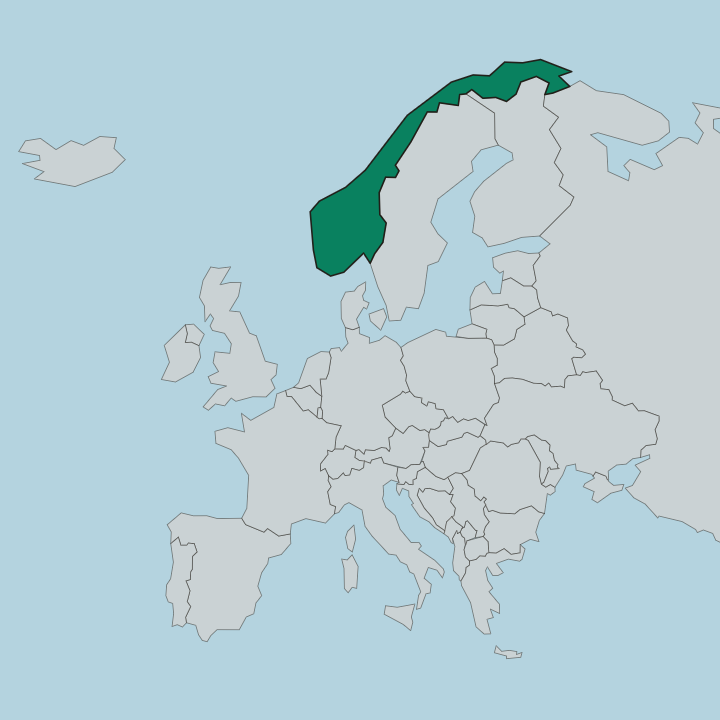
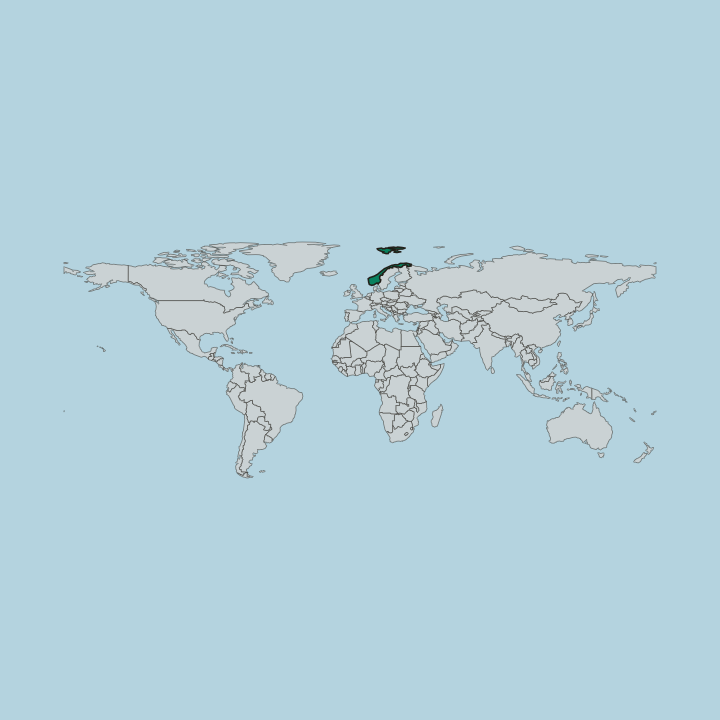
Flisa lies in south-eastern Norway, in the south-eastern part of Innlandet, in the forested kommune of Åsnes. The village sits at the confluence where the river Flisa runs into the Glomma, set on the river bank in a wide valley of timber and farmland where the forest climbs away from the water on either side. Woods press in on every side. Åsnes kirke stands on the west bank above the junction, and the outlying parishes of Arneberg kirke and Gjesåsen kirke ring the village across the timber country of the south-eastern Innlandet valley.
What is the climate of Flisa?
Flisa has the cold inland weather of the forested Åsnes valley, set well in from the coast in the south-eastern part of Innlandet. Winters run long and hard, with deep snow lying over the timber country and the frozen reach of the Glomma, while summers turn warm and green in the sheltered valley, the forest holding the heat under the long northern daylight over the farms. The seasons swing wide here.
The cold sinks into the valley along the river in the dark months, and the woods of Åsnes around Flisa shift from deep snow to full green leaf across the turning year.
How do you get to Flisa?
Rail and road both reach the village. Flisa sits on the Solørbanen line and the national road that run together through the Åsnes valley, so trains and traffic arrive along the Glomma from the larger towns down the river. The forest roads carry the rest.
Drivers come in across the timber country of the south-eastern part of Innlandet on the routes that thread the woods, and buses run from the station out to the outlying parishes around Arneberg kirke and Gjesåsen kirke, while the nearest airport lies well to the west, a long valley drive from the river junction.
Common questions
What is the best area to stay in Flisa?
River-junction centre: visitors who want the village on foot. Åsnes church side: travellers basing in the old parish. Forest parishes: visitors after the timber country and old churches.
Good for
More cities in Innlandet
Updated October 2026