Norway · Innlandet
Where to Stay in Segalstad bru, Innlandet
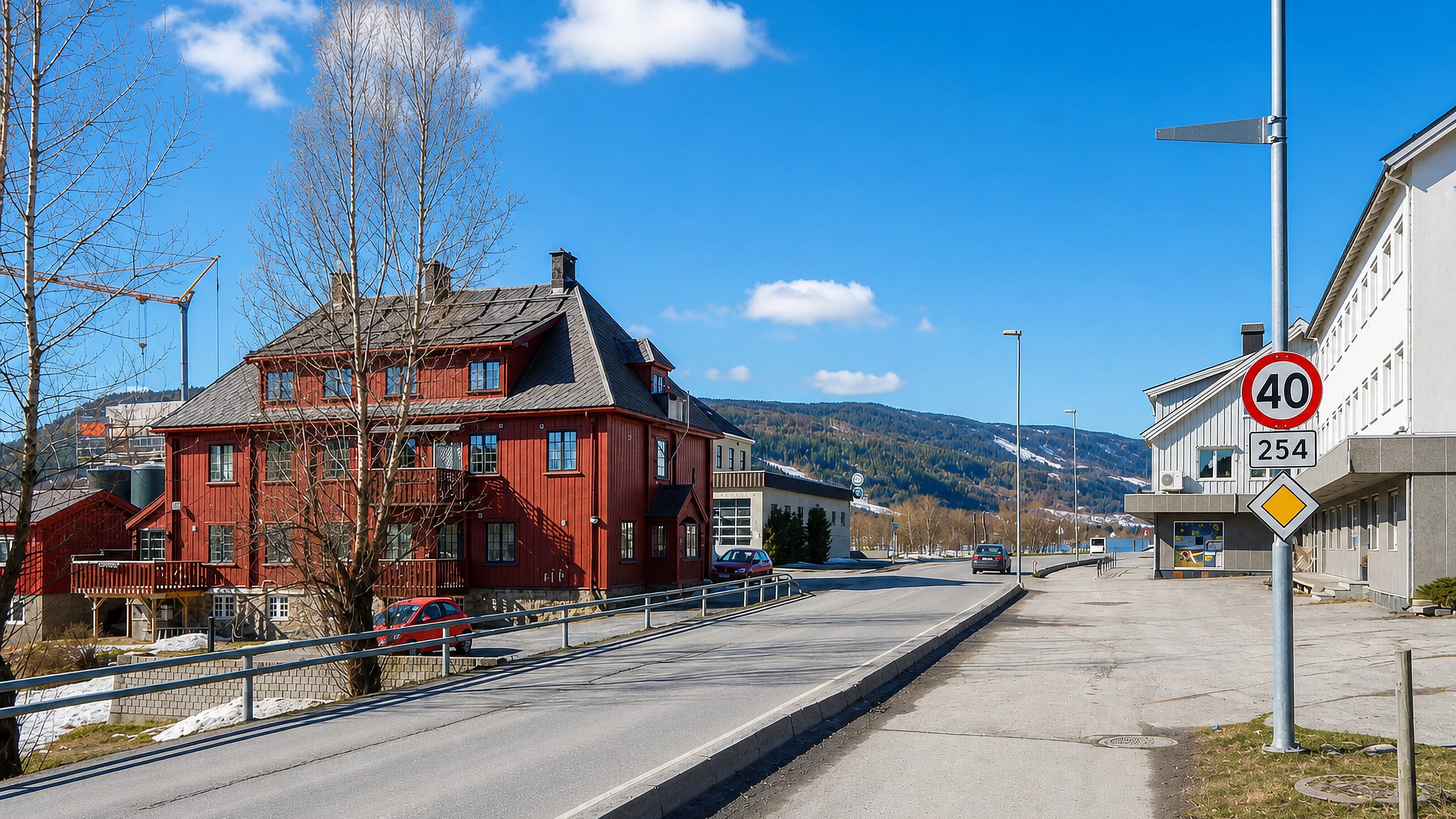
Segalstad bru is the centre of Gausdal, a valley district in the southern part of Innlandet.
Hotel links are affiliate links: booking through them may earn us a commission, at no extra cost to you. It never affects how places are ranked. How this works


Where to stay in Segalstad bru
How the choice of base plays out on the ground.
Most beds in Segalstad bru gather in the village centre, where guest rooms and small lodgings stand near the shops, the offices and the road running up the valley of Gausdal. The centre suits travellers who want the valley services on the doorstep and an easy run out to the museum at Aulestad. It makes a steady base.
Toward Follebu and the home of Bjørnstjerne Bjørnson, farm stays and cabins sit handy for visitors touring the literary sites and the church at Follebu kirke. Those farm beds book up in the warm months. Across the wider valley around Østre Gausdal kirke and Vestre Gausdal kirke, holiday cabins spread among the farms and the higher ground of the southern part of Innlandet, a quieter base for walkers and skiers touring Gausdal by car.
Stock thins up the side dales. Reserve ahead in the warm season, when the museum and the valley draw visitors to this corner of south-eastern Norway (Østlandet).
Find hotels in Segalstad bru
Direct booking searches for these neighbourhoods.
Segalstad bru valley centre
rooms near the offices and the road up GausdalFind hotels in Segalstad bru valley centrevisitors touring the home of Bjørnstjerne BjørnsonFollebu and the Bjørnson country
farm stays by Follebu kirke and the Aulestad museum. Beds are limited here, so book early.Find hotels in Follebu and the Bjørnson countrywalkers touring the southern part of Innlandet by carGausdal church country
cabins among Østre Gausdal kirke and Vestre Gausdal kirke. Beds are limited here, so book early.Find hotels in Gausdal church countryHotel links are affiliate links: booking through them may earn us a commission, at no extra cost to you. It never affects how places are ranked. How this works
Things to do in Segalstad bru
Ranked by global recognition; descriptions from Wikidata (CC0).
Museums & Galleries
1- Aulestad Heritage home of Bjørnstjerne Bjørnson, now museum
Churches & Religious Sites
4- Østre Gausdal Church Heritage building in Gausdal
- Follebu Church Heritage church building in Gausdal
- Vestre Gausdal Church Heritage
- Bødalen Church Heritage church building in Vestre Gausdal, Oppland
worth knowingacross 2 categories in Segalstad bru
About Segalstad bru
What is Segalstad bru known for?
Segalstad bru is the administrative village of Gausdal, in the southern part of Innlandet, in south-eastern Norway (Østlandet). The great draw of the district is Aulestad, the home of the writer Bjørnstjerne Bjørnson, kept as a museum among the valley farms. A poet lived here.
The valley is rich in old churches too, from Follebu kirke and Østre Gausdal kirke to Vestre Gausdal kirke, marking the long Christian history of this corner of Gausdal.
What are the main landmarks in Segalstad bru?
Aulestad is the famous sight of the district. The old farm was the home of the writer Bjørnstjerne Bjørnson and is kept as a museum, the chief draw of Gausdal. A poet's house draws the visitors.
The valley holds a string of historic churches: Follebu kirke, Østre Gausdal kirke and Vestre Gausdal kirke all stand among the farms, while the old Bødalen stavkirke counts among the stave churches once raised in the western reaches of Gausdal. Together they carry the long heritage of this part of Innlandet.
What is the history of Segalstad bru?
Segalstad bru grew as a crossing and gathering point in the valley of Gausdal. The bridge that gave the village its name carried the valley road over the river, and the farms around it formed part of the old parish life served by the churches of Follebu kirke, Østre Gausdal kirke and Vestre Gausdal kirke in the southern part of Innlandet. Churches marked the parishes early.
The stave church of Bødalen stavkirke stood among the western farms in the deep past, one of the timber churches of the medieval valley. The district drew fame through its writer. At Aulestad, near Follebu, the poet Bjørnstjerne Bjørnson made his home, and the farm became a place of pilgrimage for readers of his work across the country.
As the modern municipality of Gausdal took shape, Segalstad bru grew into its administrative centre, gathering the offices and services of the valley, and held its place as the working heart of a district known for its churches and for the home of Bjørnstjerne Bjørnson in this corner of south-eastern Norway (Østlandet).
Where is Segalstad bru?
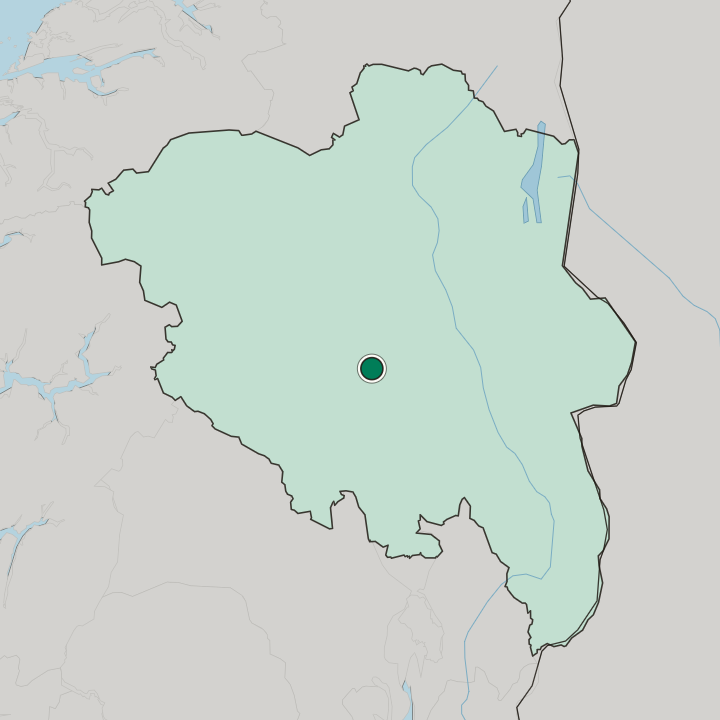
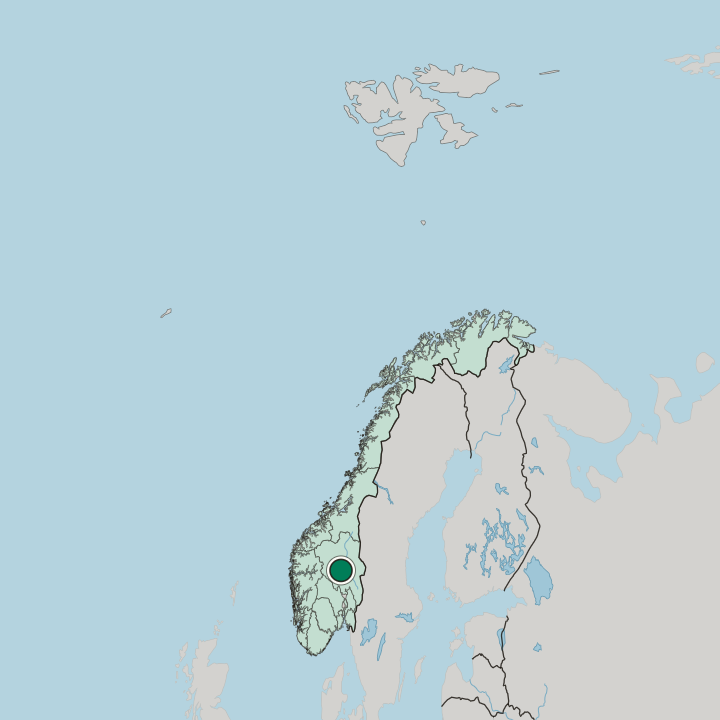
Segalstad bru lies in the valley of Gausdal, in the southern part of Innlandet, in south-eastern Norway (Østlandet). The village sits on the valley floor by the river crossing that gave it its name, the road running on up the dale past Follebu and the farms of the surrounding land. Hills rise on either side.
The wider municipality of Gausdal reaches across the valley and the high country, taking in the church farms of Østre Gausdal kirke and Vestre Gausdal kirke and the upland slopes above Segalstad bru.
What is the climate of Segalstad bru?
Segalstad bru has the dry, continental climate of the inner valleys of Gausdal. Winters run cold and snowy, with frost gripping the river crossing and snow lying long on the church farms around Follebu kirke through the dark of the season. Summers stay short and warm.
The shelter of the surrounding hills keeps the heavy rain off, so Segalstad bru shares the drier weather of the southern part of Innlandet, the long northern daylight warming the valley floor while snow holds late on the higher ground.
How do you get to Segalstad bru?
Segalstad bru sits on the valley road that runs up through Gausdal. Buses and cars reach the village along the route from the main valley toward the upland, and the centre lies close to the run out to the museum at Aulestad. The car is the usual way in.
The road carries the valley traffic past Follebu and the church farms toward the high country, while the wider towns of Innlandet handle the rail and the longer journeys of travellers reaching this part of south-eastern Norway (Østlandet).
Common questions
What is the best area to stay in Segalstad bru?
Segalstad bru valley centre: travellers wanting Gausdal services and the run to Aulestad. Follebu and the Bjørnson country: visitors touring the home of Bjørnstjerne Bjørnson. Gausdal church country: walkers touring the southern part of Innlandet by car.
Good for
More cities in Innlandet
Updated October 2026