Norway · Innlandet
Where to Stay in Stange, Innlandet
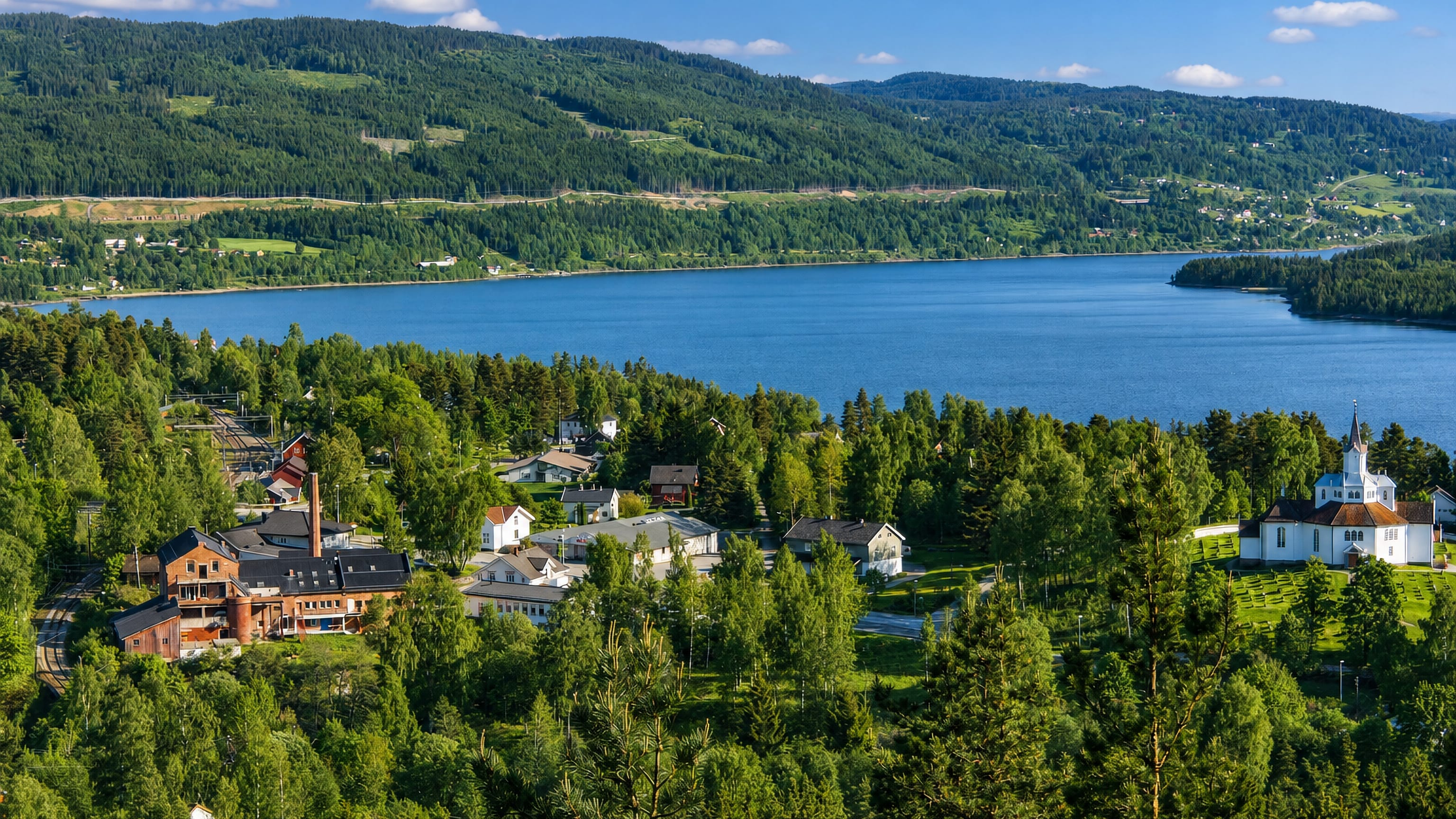
Stange is a farming municipality in the Hedmarken district of south-eastern Innlandet, centred on the village of Stangebyen.
Hotel links are affiliate links: booking through them may earn us a commission, at no extra cost to you. It never affects how places are ranked. How this works


Where to stay in Stange
The practical side of choosing where to sleep.
Most visitors stay in or near Stangebyen, the administrative centre, where small inns and guest rooms sit close to Stange kirke and the shops of the village. The centre suits travellers who want a quiet base in the farm country of Hedmarken, within easy reach of the churches and the Atlungstad Brenneri across the district. The setup favours those with a car.
Beds are limited in this rural municipality, so booking ahead through the warmer weeks is wise when walkers and cyclists come for the open country of south-eastern Innlandet. Beyond the centre, lodgings spread among the villages and farms. Farm stays and self-catering rooms stand around Ottestad, Romedal, and Tangen, set among the fields and the old parish churches of the wider municipality.
Some prefer the open land. Travellers wanting a larger choice of hotels often base themselves in the bigger towns of the Hedmarken district and drive out to Stange for the churches, the Norsk utvandrermuseum, and the quiet farm roads.
Find hotels in Stange
Direct booking searches for these neighbourhoods.
Stangebyen
inns and rooms beside the church and shops of the administrative village. Beds are limited here, so book early.Find hotels in Stangebyentravellers after farm-country quietOttestad and Romedal villages
farm stays among the fields and old parish churches of the municipality. Lodging is scarce in this area; reserve in advance.Find hotels in Ottestad and Romedal villagesthose wanting a wider hotel choiceHedmarken towns nearby
more lodgings a short drive from the Atlungstad Brenneri and the churchesFind hotels in Hedmarken towns nearbyHotel links are affiliate links: booking through them may earn us a commission, at no extra cost to you. It never affects how places are ranked. How this works
Things to do in Stange
Ranked by global recognition; descriptions from Wikidata (CC0).
Museums & Galleries
3- Anno Museum group of museums
- Atlungstad Distillery historical distillery
- Klevfos Industrimuseum industrial museum in Løten
Churches & Religious Sites
4- Stange Church Heritage
- Romedal Church Heritage
- Vallset Church Heritage
- Ottestad Church Heritage
Stadiums & Sports
2- Ottestad stadium
- HIAS-Bana
worth knowingacross 3 categories in Stange
About Stange
What is Stange known for?
Stange is known for its old churches and the farm country of Hedmarken. Stange kirke, Ottestad kirke, Romedal kirke, and Vallset kirke stand among the fields of the parishes that make up the municipality, marking centuries of settlement on this fertile ground in south-eastern Innlandet. Churches dot the land.
The Atlungstad Brenneri and the Norsk utvandrermuseum draw visitors to the district, while the scattered villages of Ottestad, Romedal, and Tangen gather around Stangebyen as the administrative centre.
What are the main landmarks in Stange?
Stange kirke stands among the fields as the chief church of the municipality, joined across the parishes by Ottestad kirke, Romedal kirke, and Vallset kirke. The land is full of them. The Atlungstad Brenneri keeps the district's old distilling trade, the Norsk utvandrermuseum tells the story of emigration from Hedmarken, and the Anno Museum and Kirsten Flagstad Museum gather the heritage of this farming country in south-eastern Innlandet.
What is the history of Stange?
Stange grew from the old farming parishes of Hedmarken. The medieval Stange kirke, joined by the churches at Ottestad, Romedal, and Vallset, points to centuries of settlement on the fertile fields of this district, where farms gathered into parishes long before the modern municipality took shape. Grain and timber filled the early years.
Many families later left these farms for new lives across the sea. That emigration left its mark on the district. The Norsk utvandrermuseum at Stange keeps the story of those who sailed from Hedmarken, while the Atlungstad Brenneri recalls the distilling trade that turned local grain into spirit through the industrial years.
Stangebyen rose as the centre. The village pulled together the scattered settlements of Ottestad, Romedal, Tangen, and the rest into one administrative municipality in south-eastern Innlandet, its parish churches still standing among the fields that first drew people to the land.
Where is Stange?
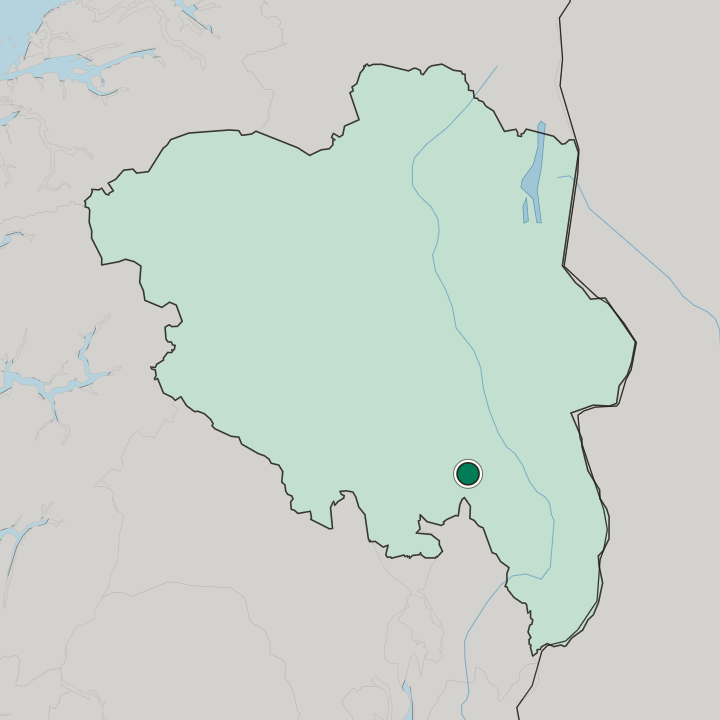
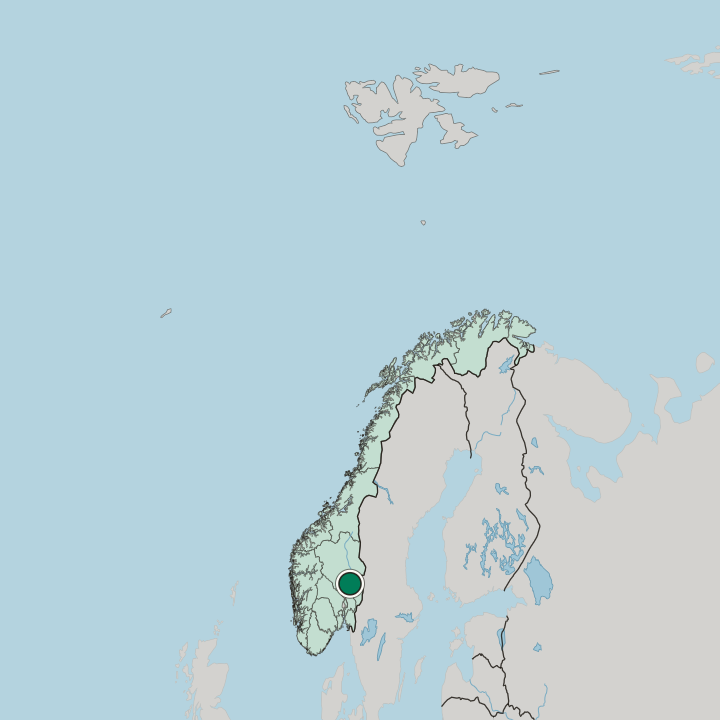
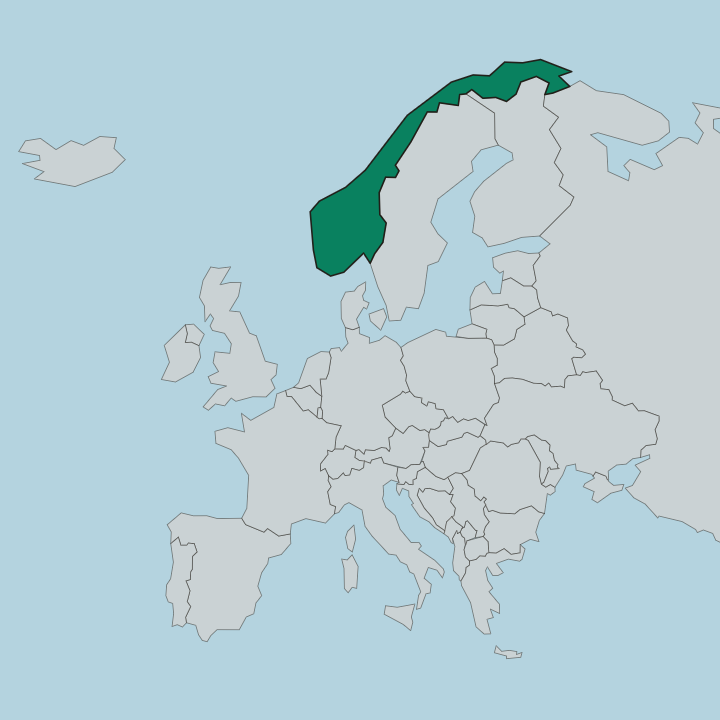
Stange lies in the Hedmarken district, in the south-eastern part of Innlandet, in south-eastern Norway (Østlandet). The land is open farm country, low rolling fields broken by woods and the scattered villages of Ottestad, Romedal, and Tangen, with Stangebyen set among the cultivated ground as the centre. Fields stretch wide across the district.
The fertile soils of Hedmarken have long made this one of the better farming regions of eastern Norway, the parishes spreading their grain land across the gentle terrain.
What is the climate of Stange?
Stange has a cold continental climate typical of the inland Hedmarken district. Winters are long and cold, with snow lying over the fields and the parish churches for months as frost settles across the farm country of south-eastern Innlandet. Cold grips the land for months.
Summers turn warm and bright, the long northern daylight stretching the evenings late around midsummer and ripening the grain across the fertile parishes, the green season when the open country of the district is at its best.
How do you get to Stange?
Stange lies on the main routes through Hedmarken, easily reached by road and rail. The railway and main road run through the district, with stops at Stangebyen and the villages of Tangen and Ottestad, linking the municipality to the larger towns of Innlandet. Trains stop in the centre.
Most visitors arrive by car or rail across the open farm country of south-eastern Innlandet, the way running through fields and past the old parish churches to reach the scattered settlements of the district.
Common questions
What is the best area to stay in Stange?
Stangebyen: drivers wanting the centre and Stange kirke. Ottestad and Romedal villages: travellers after farm-country quiet. Hedmarken towns nearby: those wanting a wider hotel choice.
Good for
More cities in Innlandet
Updated October 2026