Norway · Nordland
Where to Stay in Bodø, Nordland
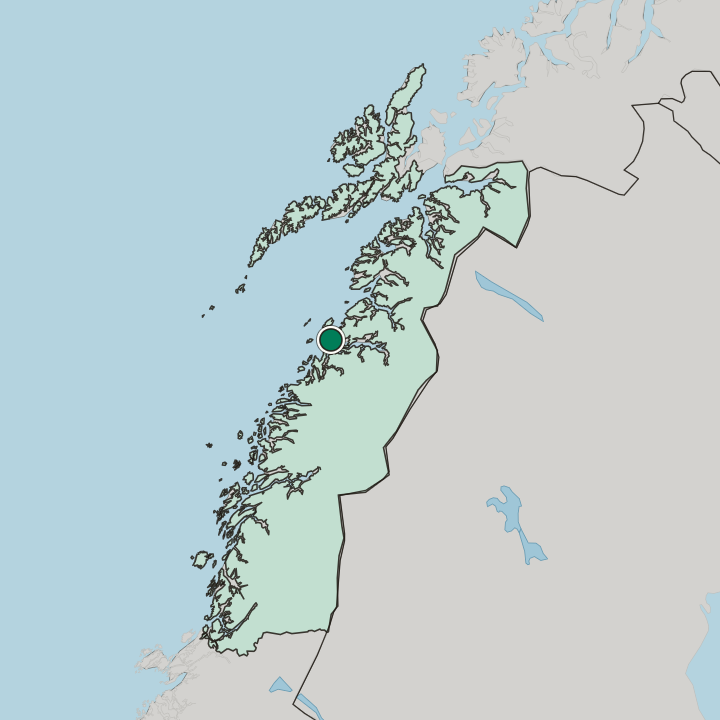
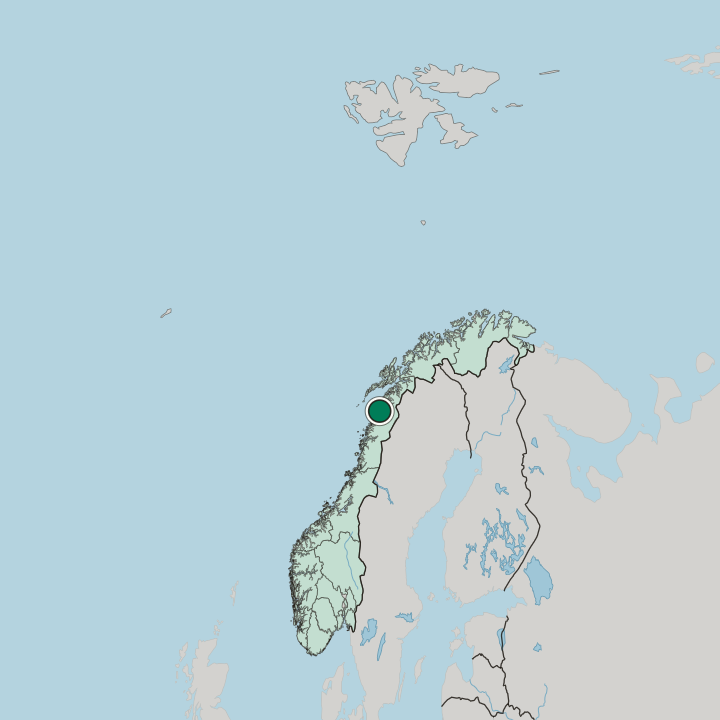
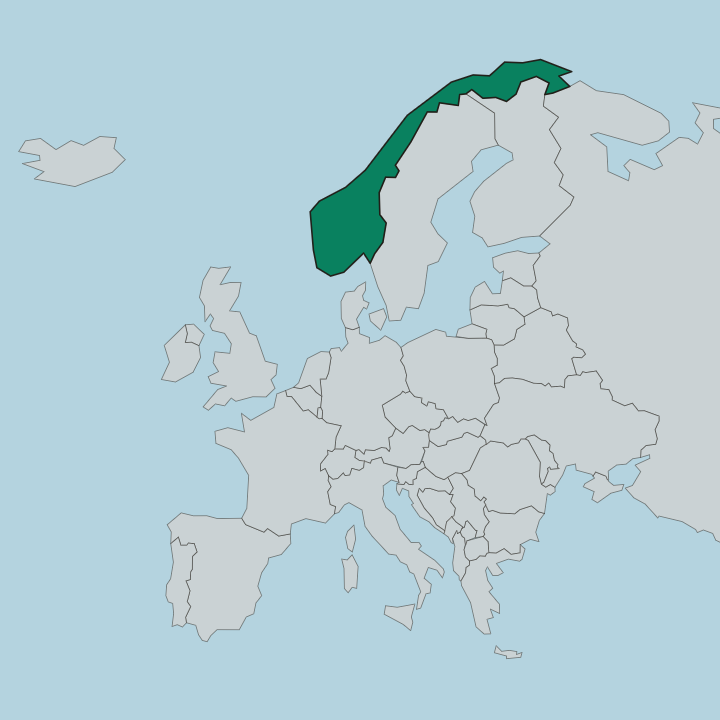
Bodø is the seat of Nordland, a coastal city in northern Norway set above the Arctic Circle on the Nord-Norge shore.
Hotel links are affiliate links: booking through them may earn us a commission, at no extra cost to you. It never affects how places are ranked. How this works


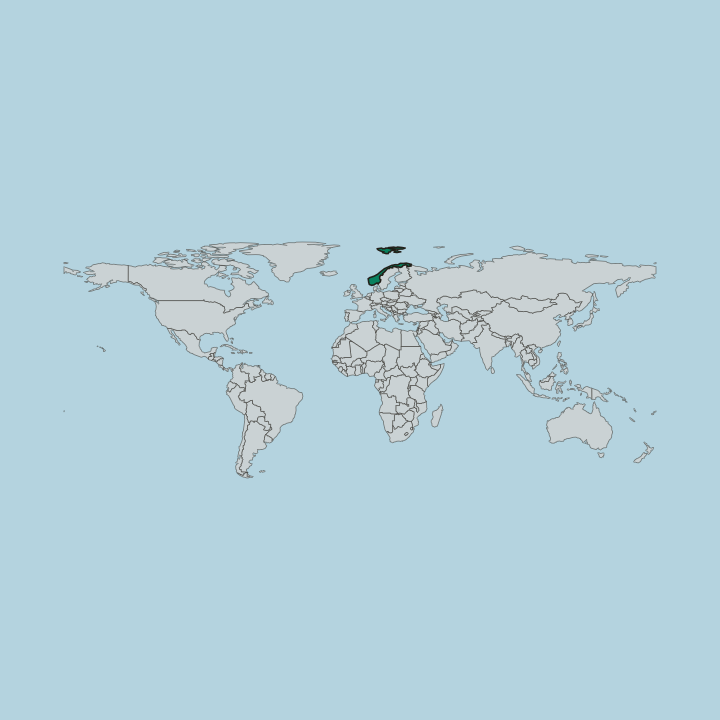
Where to stay in Bodø
The practical side of choosing where to sleep.
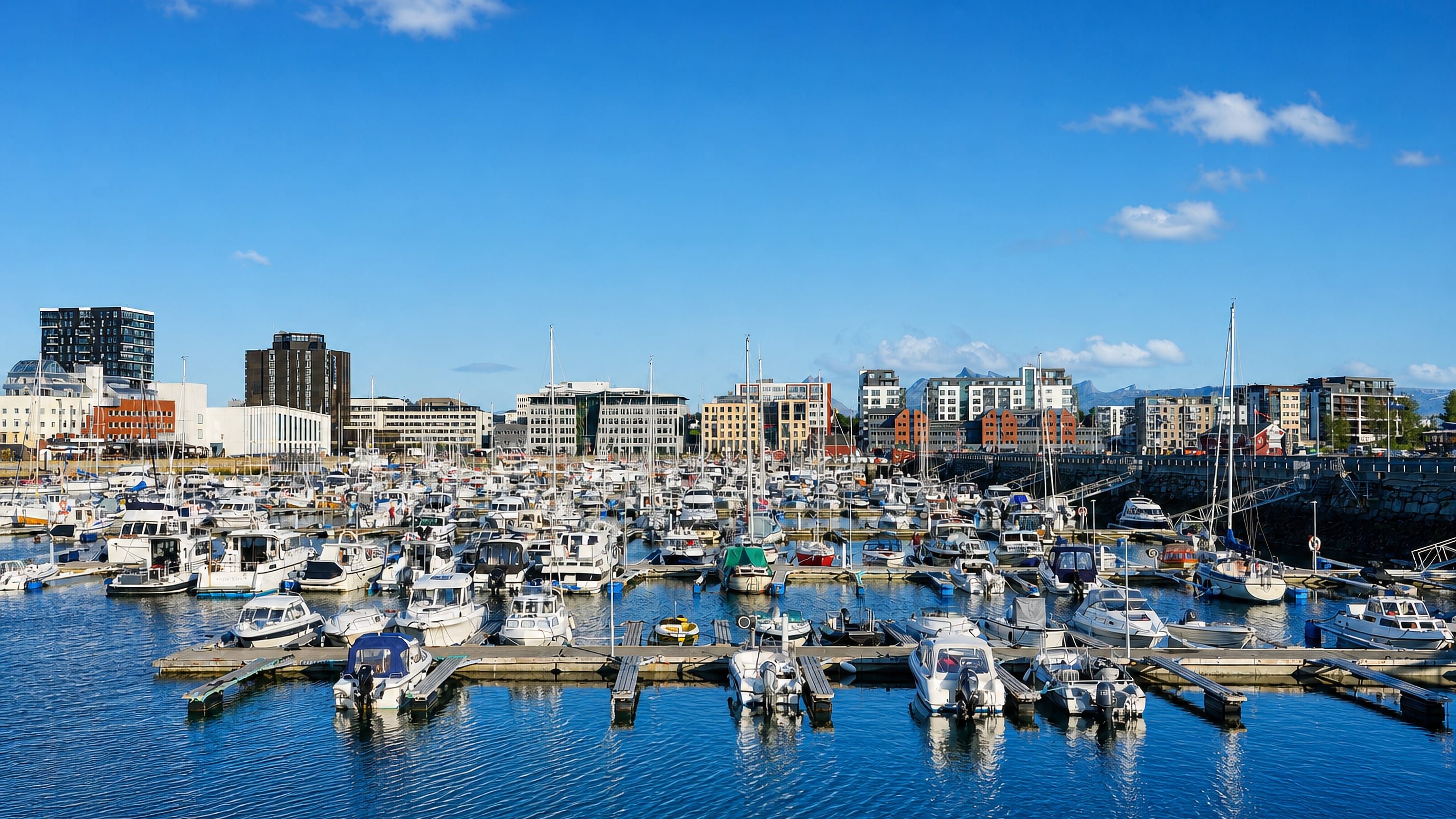
The centre sits beside the harbour. Bodø packs its hotels into the compact downtown around the quay and the rail terminus, a short walk from the ferry berths that serve the Nordland coast and the islands offshore, and it suits a first stay in the city when you want the boats, the trains, and the waterfront all within reach. Stay central and the harbour is at your door.
Beyond the core the city thins quickly. North toward the Rønvik district, the streets around Rønvik Church are residential and quieter, an easy run from the centre for a calmer base. South and east toward the old farmland, the ground near Bodin Church and the Norwegian Aviation Museum trades the harbour bustle for more open surroundings on the edge of town.
The Bodø Spektrum arena marks the sports quarter between them. Pick the quay for the ferries, the outer districts for the quiet.
Find hotels in Bodø
Direct booking searches for these neighbourhoods.
Harbour centre
the compact downtown by the Bodø quay and rail terminus, boats to the Nordland islands on footFind hotels in Harbour centrea quieter residential base north of the coreRønvik
the calm streets around Rønvik Church, an easy run back to the city centre. Few places to stay nearby — book ahead.Find hotels in Rønviktravellers wanting open surroundings out of townBodin and the eastern edge
the old-farmland ground by Bodin Church and the Norwegian Aviation Museum on the edge of Bodø. Lodging is scarce in this area; reserve in advance.Find hotels in Bodin and the eastern edgeHotel links are affiliate links: booking through them may earn us a commission, at no extra cost to you. It never affects how places are ranked. How this works
Things to do in Bodø
Ranked by global recognition; descriptions from Wikidata (CC0).
Museums & Galleries
2- Norwegian Aviation Museum aviation museum
- Jektefartsmuseet
Churches & Religious Sites
2- Bodin Church Heritage
- Rønvik Church
Stadiums & Sports
1- Bodø Spektrum
worth knowingacross 3 categories in Bodø
About Bodø
Bodø sits north of the Arctic Circle.
What is Bodø known for?
The largest city in Nordland and the entry point to the far north of Norway, it looks out from an exposed headland over open water toward the islands offshore, and the long polar summer brings the midnight sun to the coast around it. The Norwegian Aviation Museum holds the city's best-known collection. Out toward the old farmland stands Bodin Church, the medieval stone church that predates the modern town.
A northern port that faces the sea.
What are the main landmarks in Bodø?
The aviation collection draws the visitors. The Norwegian Aviation Museum gathers Norway's flying history under one roof at the edge of the city, the best-known sight in this part of Nordland. Older than the modern town, Bodin Church stands in stone on the former farmland east of the centre, while Rønvik Church serves the northern district.
The Jektefartsmuseet keeps the memory of the old north-Norwegian boat trade that once moved goods down the coast. The Bodø Spektrum arena rounds out the city's landmarks.
What is the history of Bodø?
Bodø was chartered in the 19th century. The town received its town rights in 1816 on a headland in northern Nordland, growing from a fishing and trading station on the open coast of Nord-Norge, while the older Bodin Church already stood inland on the medieval farmland nearby. The boats came first.
Trade along the coast made the early settlement, and the Jektefartsmuseet records that vanished traffic of cargo sailings. War marked the modern city more than charter ever did. The wartime bombing of 1940 flattened most of the old wooden centre, and the rebuilt downtown that rose afterward gave Bodø the compact modern street grid it carries by the harbour, with the Norwegian Aviation Museum later settling at the edge of town beside the airfield.
Bodin Church survived the destruction on the eastern farmland. From a chartered trading station on the Nordland coast, Bodø grew into the seat and gateway of the far north.
Where is Bodø?
Bodø stands on an exposed headland. The city occupies a low promontory in the northern part of Nordland, reaching into open water where the Nord-Norge coast turns toward the offshore islands and the mountains rise behind it inland. Sea on three sides.
North of the Arctic Circle, it faces the weather coming off the ocean, and the flat headland that carries the centre and the airfield gives way eastward to the older farmland around Bodin Church.
What is the climate of Bodø?
Bodø lies north of the Arctic Circle. The exposed headland on the Nord-Norge coast gives the city cool summers under the midnight sun and dark, windy winters when the weather drives in straight off the open water. Wind comes with the sea.
The ocean keeps the worst cold at bay despite the far-north setting, so the harbour rarely freezes, while the polar dark settles over Nordland through the depths of winter before the long light returns.
How do you get to Bodø?
Bodø is the northern rail terminus. The city marks the end of the line where the railway from the south finally reaches the Nordland coast, and the airfield on the headland carries flights into the far north, making it the natural arrival point for Nord-Norge. Ferries leave the harbour for the islands.
From the quay the coastal boats run out across the water, and the road north continues up the long Nordland shore past Bodin Church toward the rest of the region. Most travellers reach the north through here.
Common questions
What is the best area to stay in Bodø?
Harbour centre: a first stay near the ferries and trains. Rønvik: a quieter residential base north of the core. Bodin and the eastern edge: travellers wanting open surroundings out of town.
Good for
More cities in Nordland
Updated October 2026