Norway
Nordland (fylke), Norway — Towns & Travel Guide
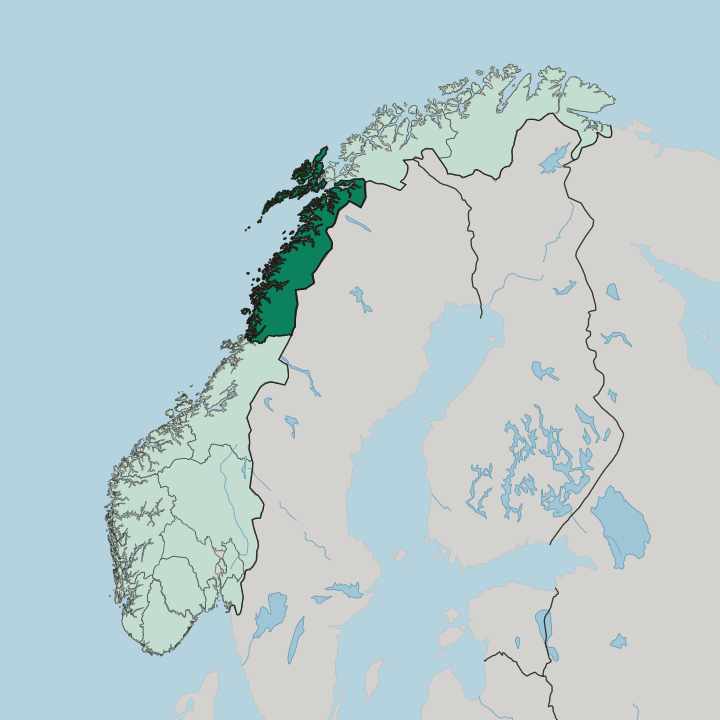
Nordland is a long coastal county in northern Norway, the Nord-Norge region, stretching up the Atlantic seaboard with Bodø as its seat.
Hotel links are affiliate links: booking through them may earn us a commission, at no extra cost to you. It never affects how places are ranked. How this works


Towns & cities in Nordland
Pick a town or city — each links to where to stay.
 Norway
Bodø
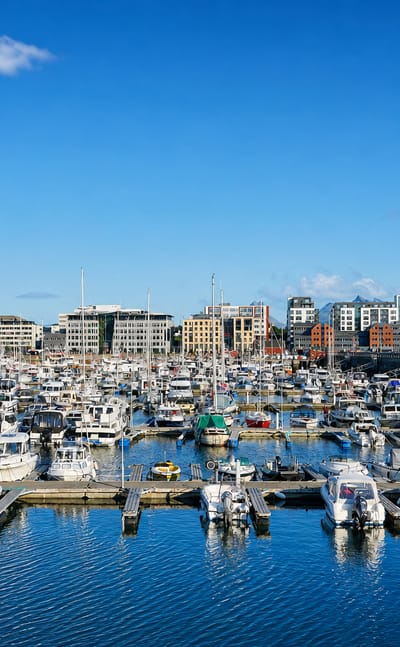
Bodø is the seat of Nordland, a coastal city in northern Norway set above the Arctic Circle on the Nord-Norge shore.Where to stay →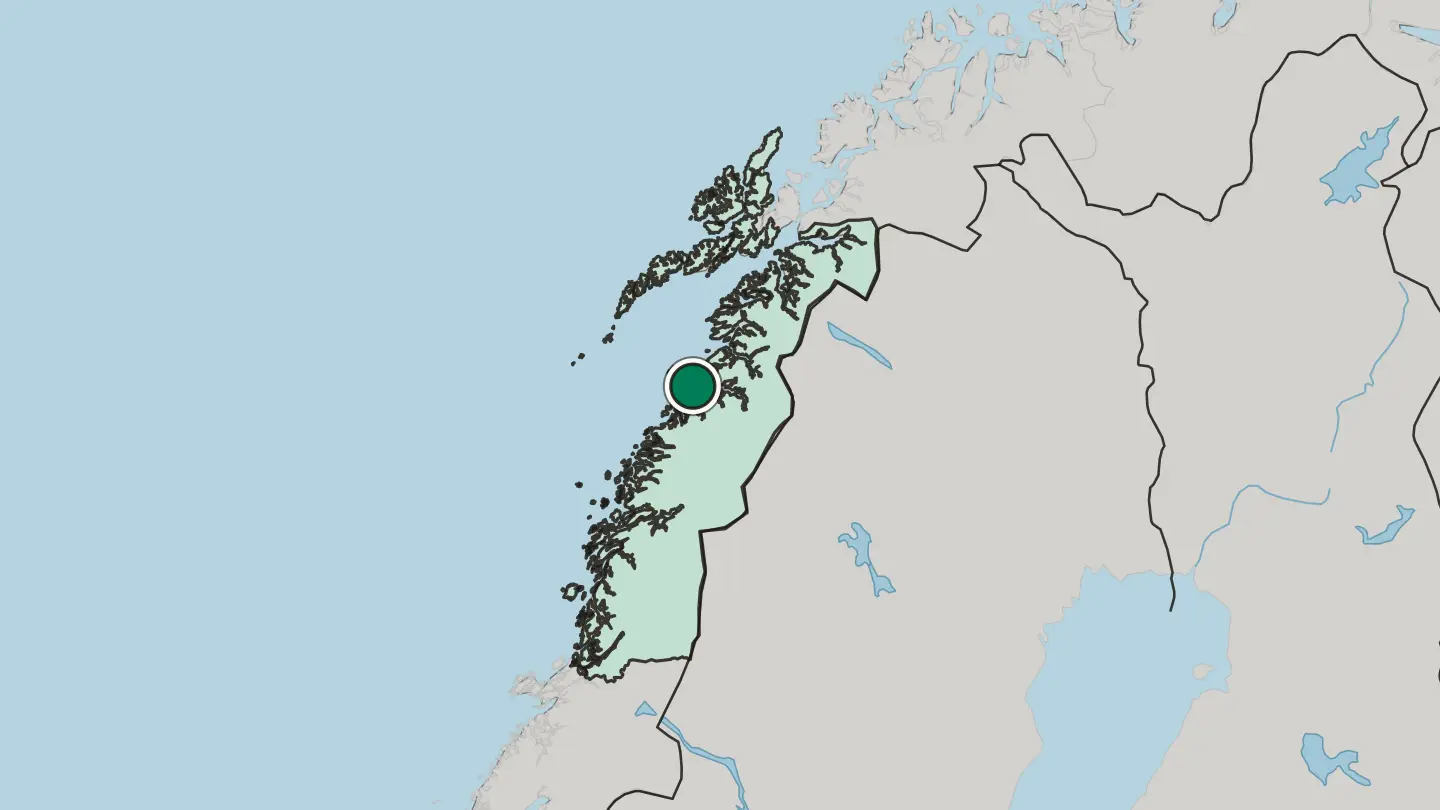
 Norway
Mo i Rana
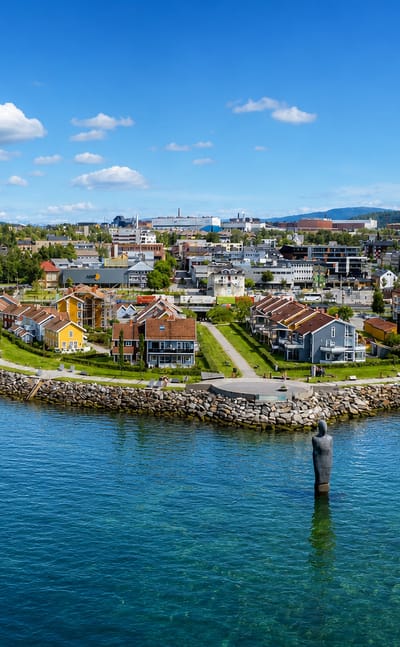
Mo i Rana is the administrative centre of Rana, an inland town in the Helgeland region of northern Norway.Where to stay →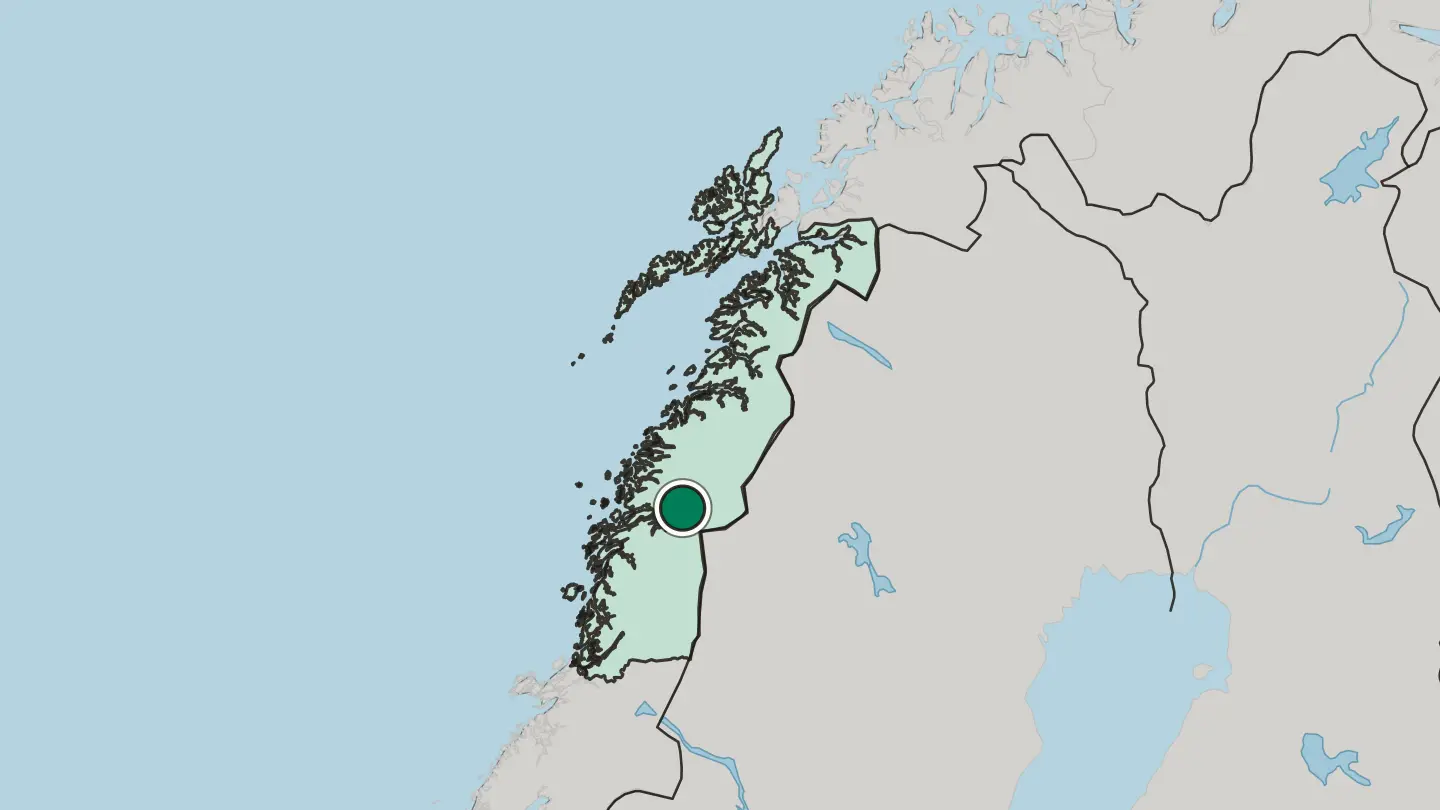
 Norway
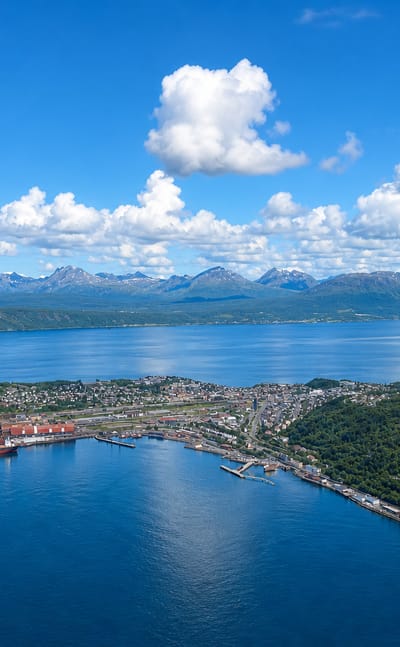
Narvik
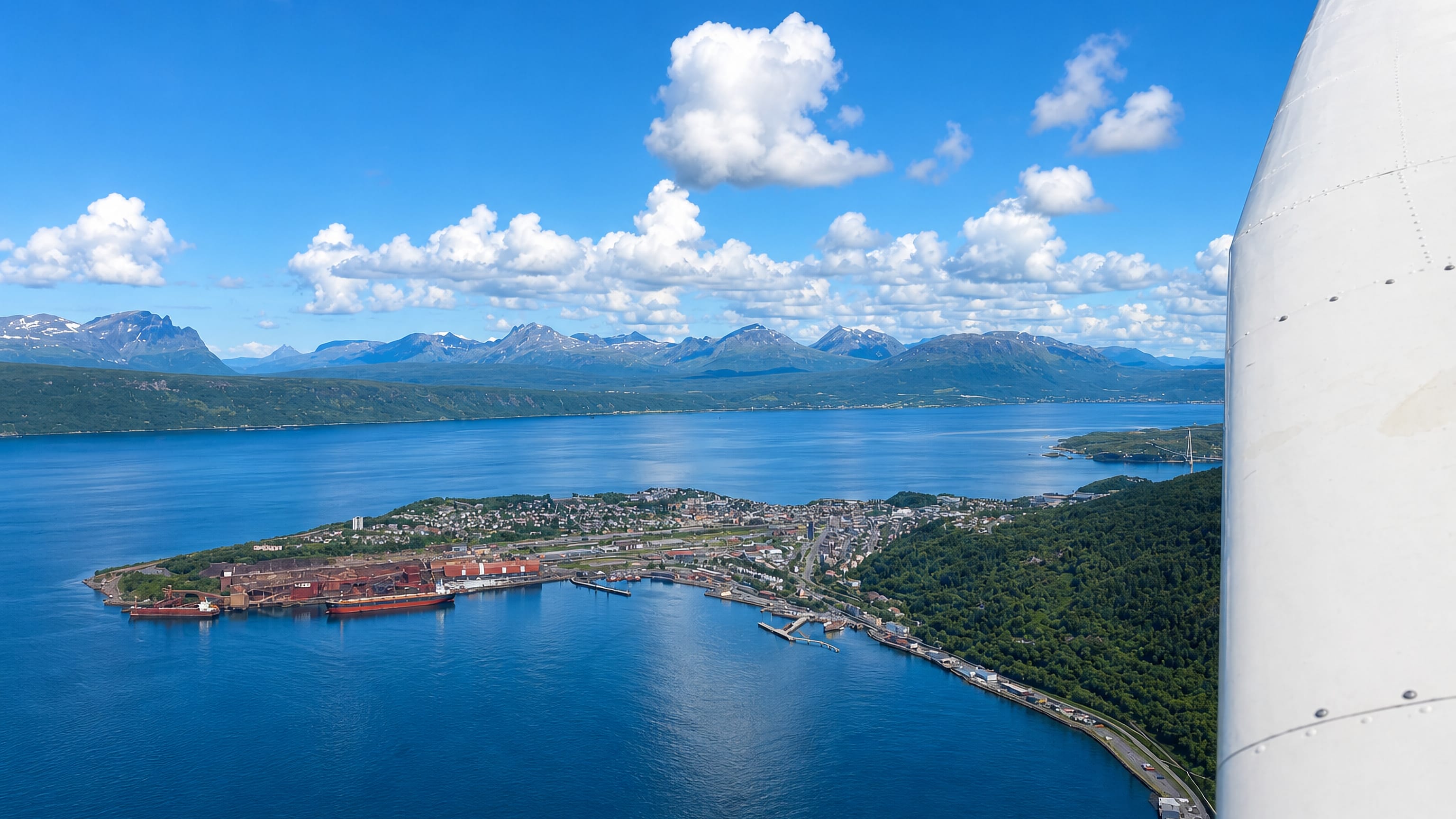
Narvik is a fjord port in northern Norway, set in the north-eastern part of Nordland on the Nord-Norge coast.Where to stay →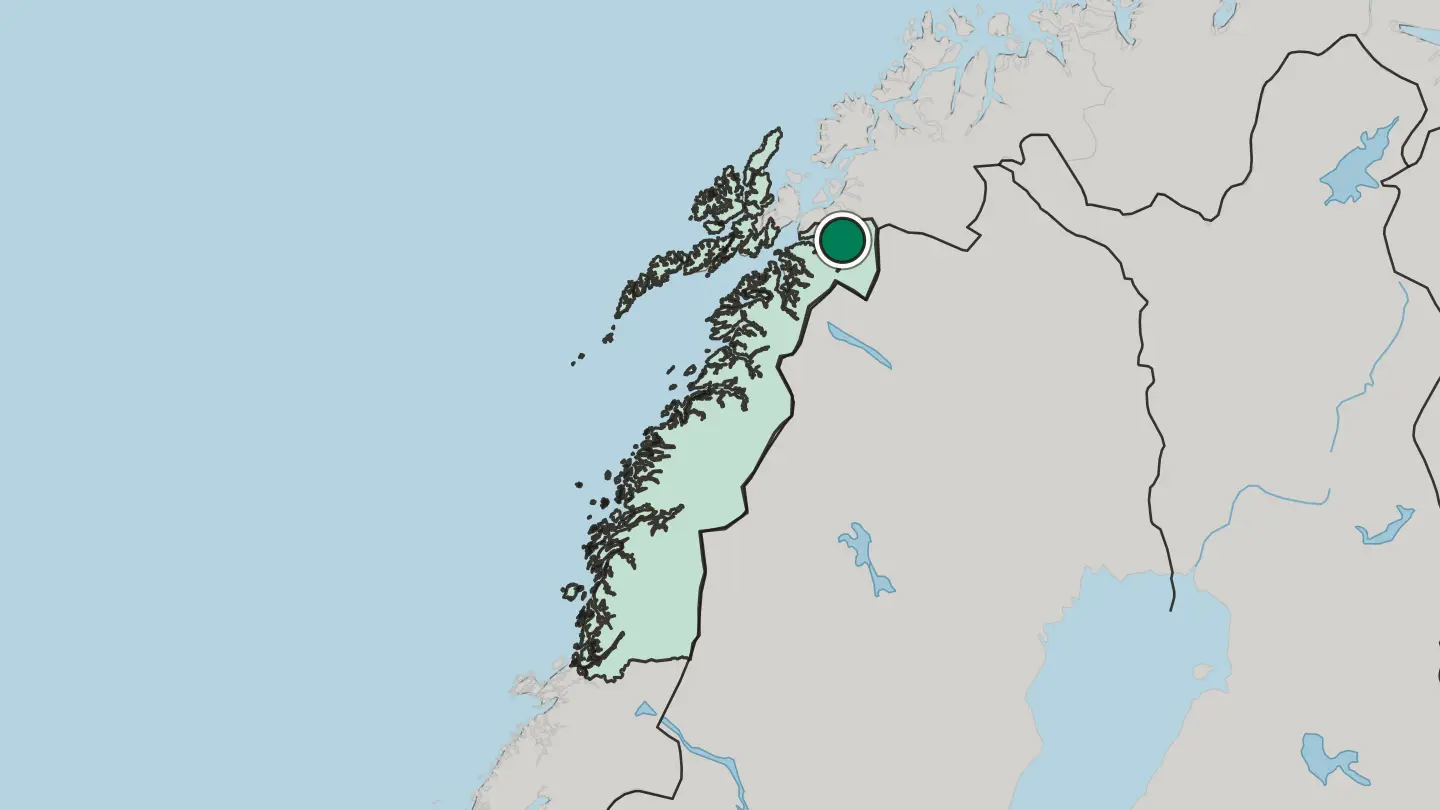
 Norway
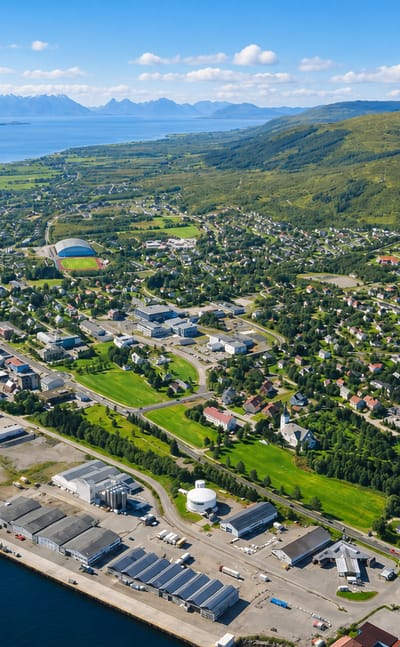
Sortland
Sortland is the main town of the Vesterålen region, set on the island of Langøya in northern Norway.Where to stay →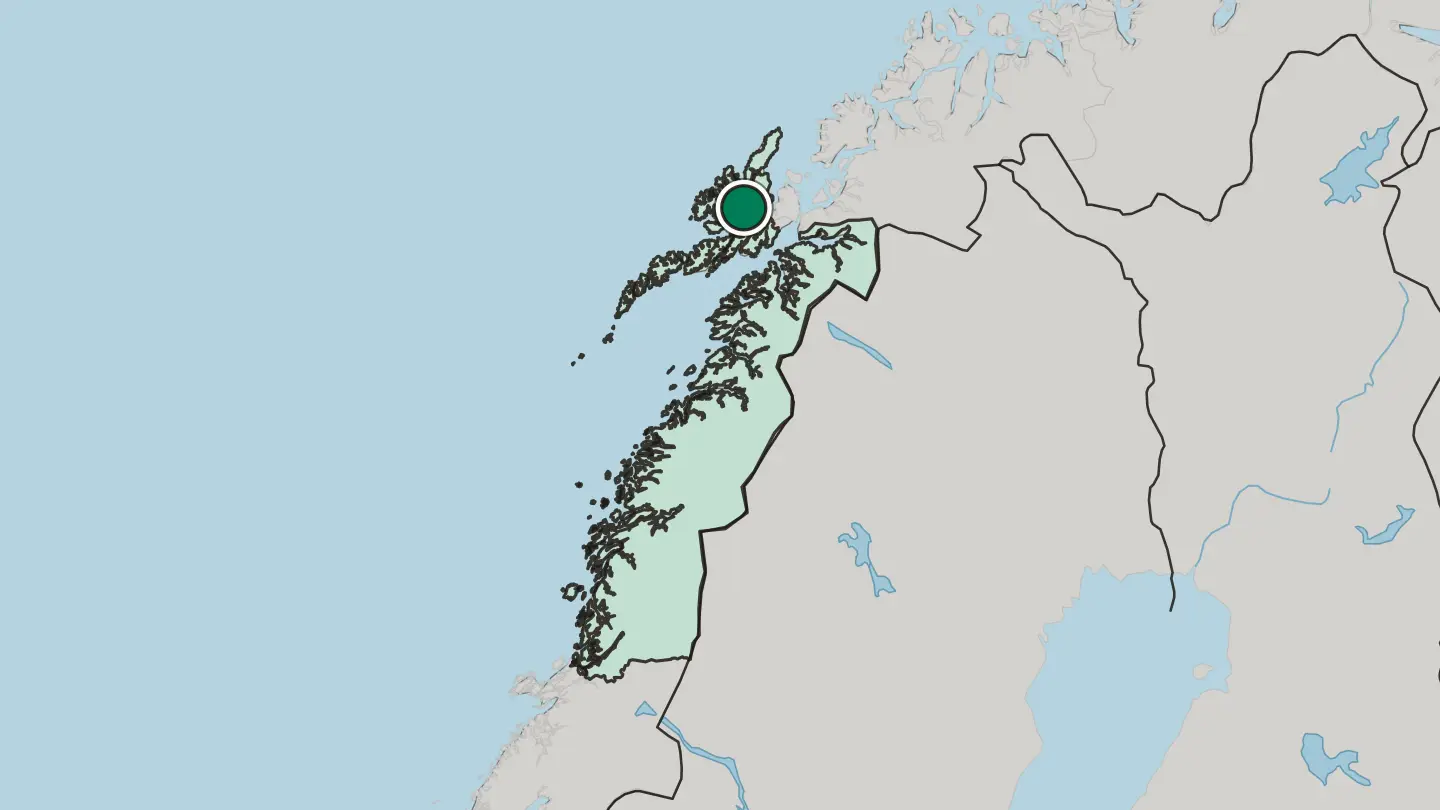
 Norway
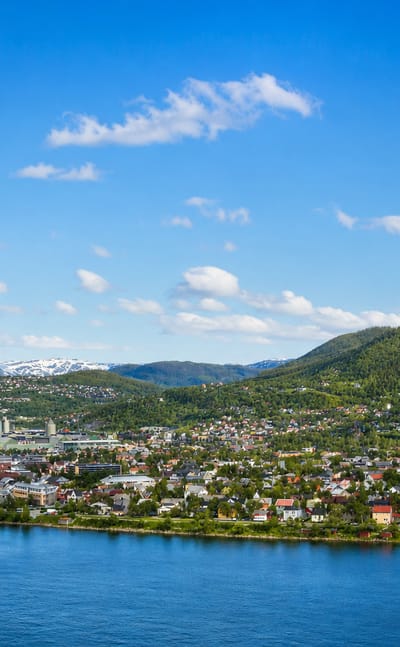
Mosjøen
Mosjøen is a town in the Helgeland region of northern Norway, in the south-western part of Nordland.Where to stay →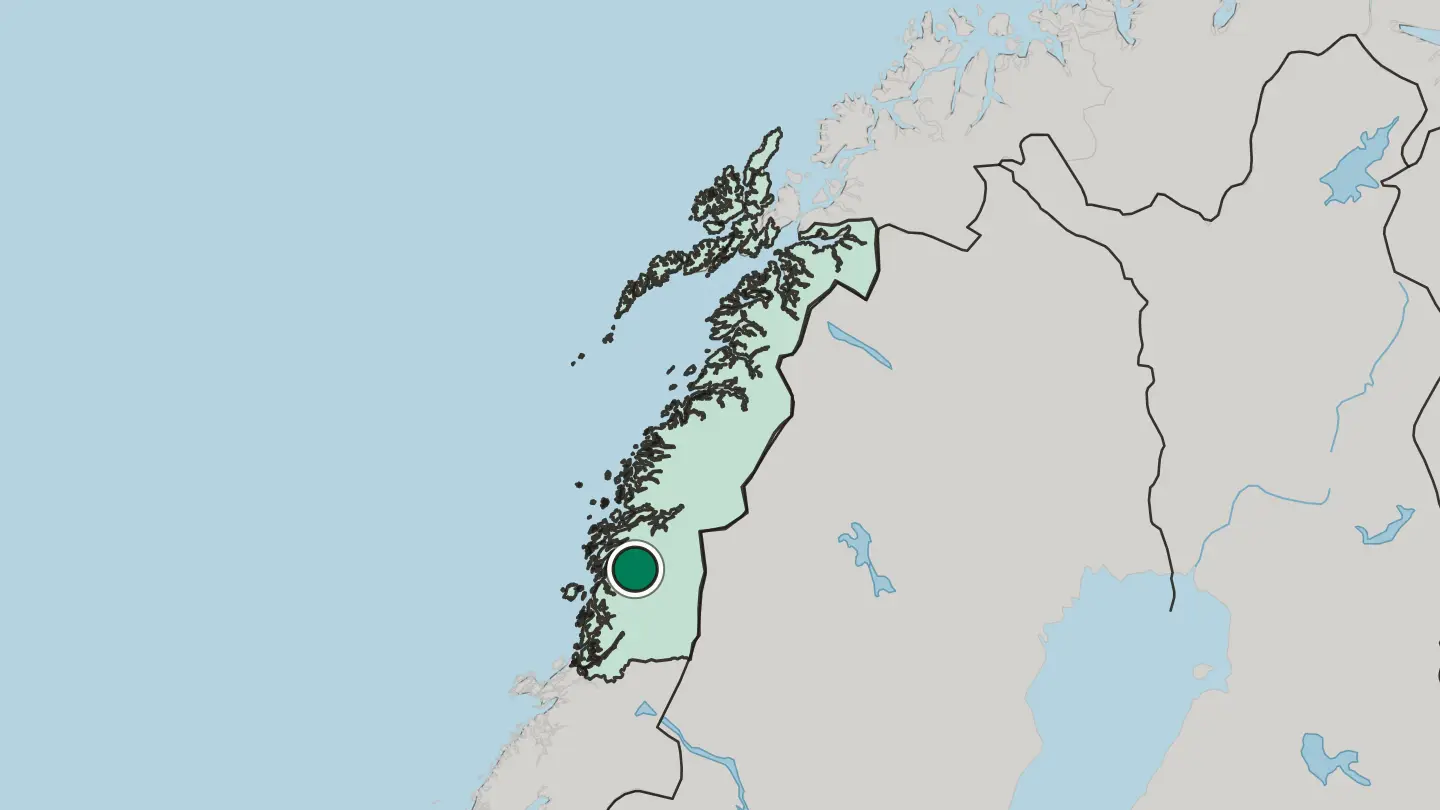
 Norway
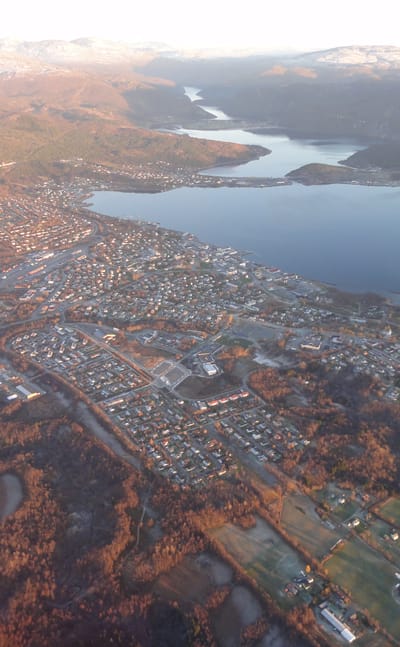
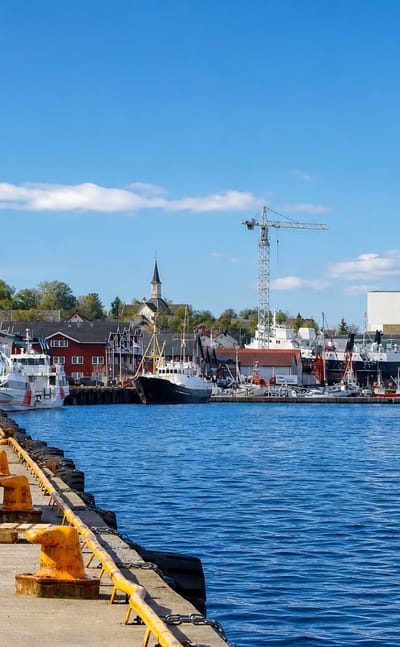
Fauske
Fauske is a municipality in the north-eastern part of Nordland, in northern Norway, anchored by Fauske kirke.Where to stay →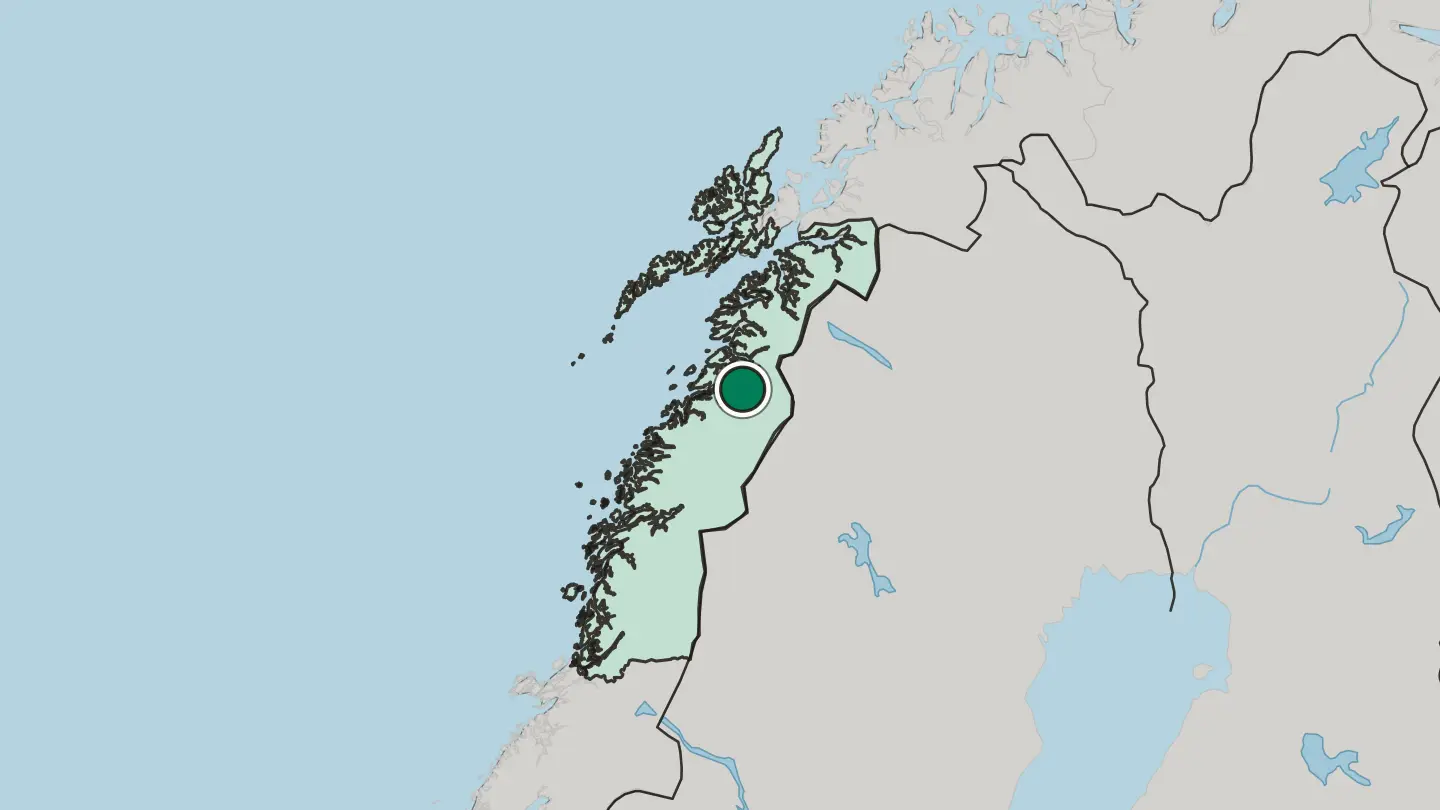
 Norway
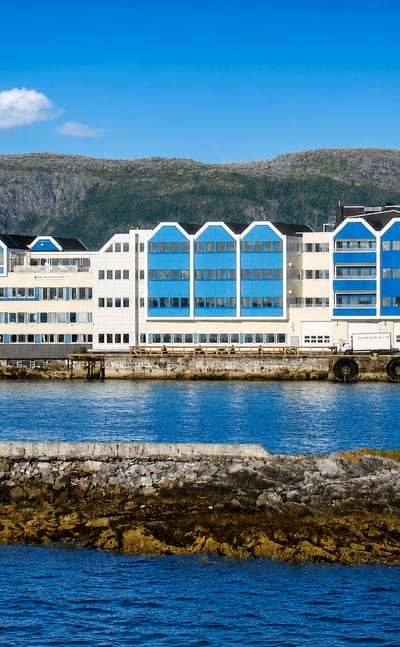
Sandnessjøen
Sandnessjøen is a coastal town in the south-western part of Nordland, northern Norway, set on the open sea below its sculpture-dotted shore.Where to stay →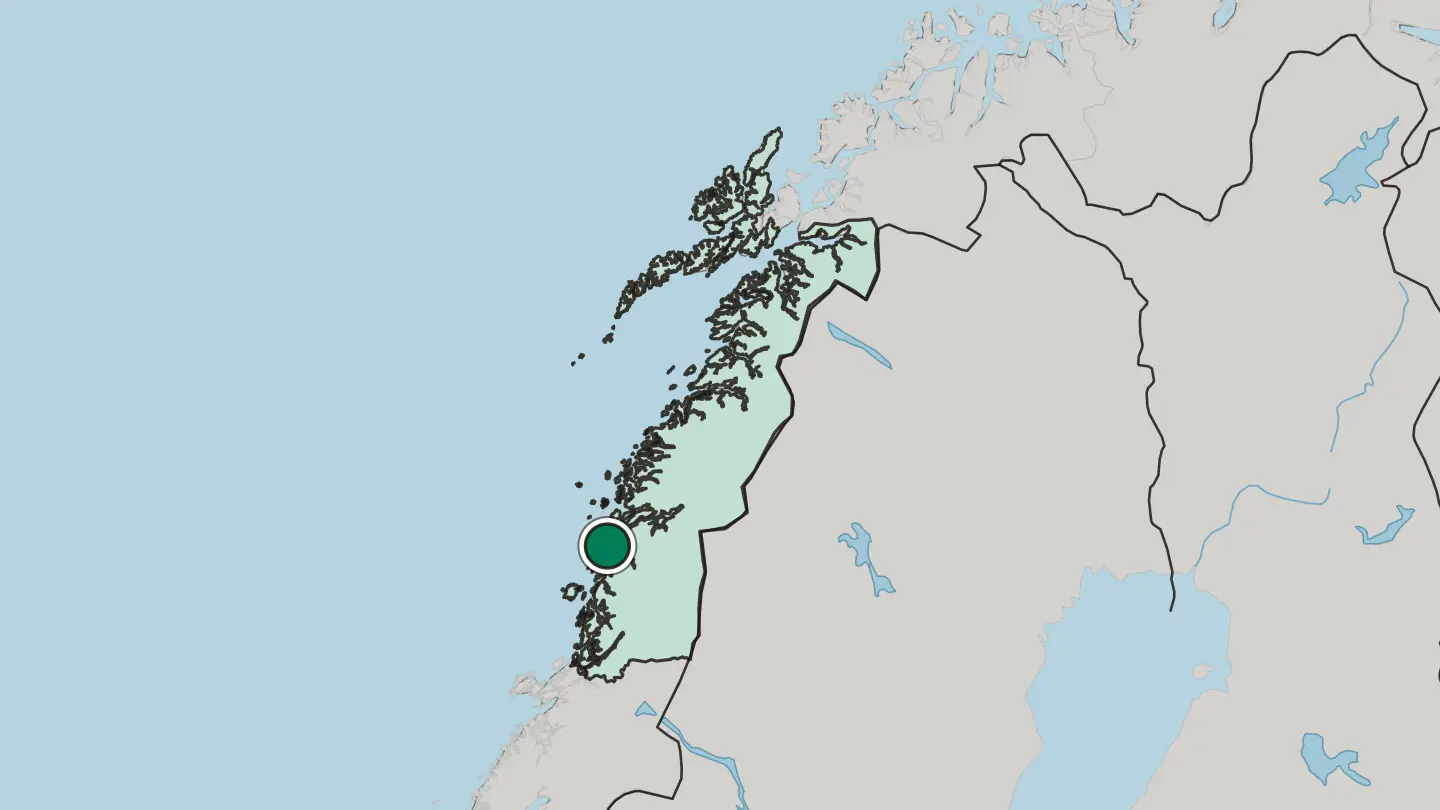
 Norway
Brønnøysund
Brønnøysund is a coastal town in the south-western part of Nordland, northern Norway, and the seat of Brønnøy.Where to stay →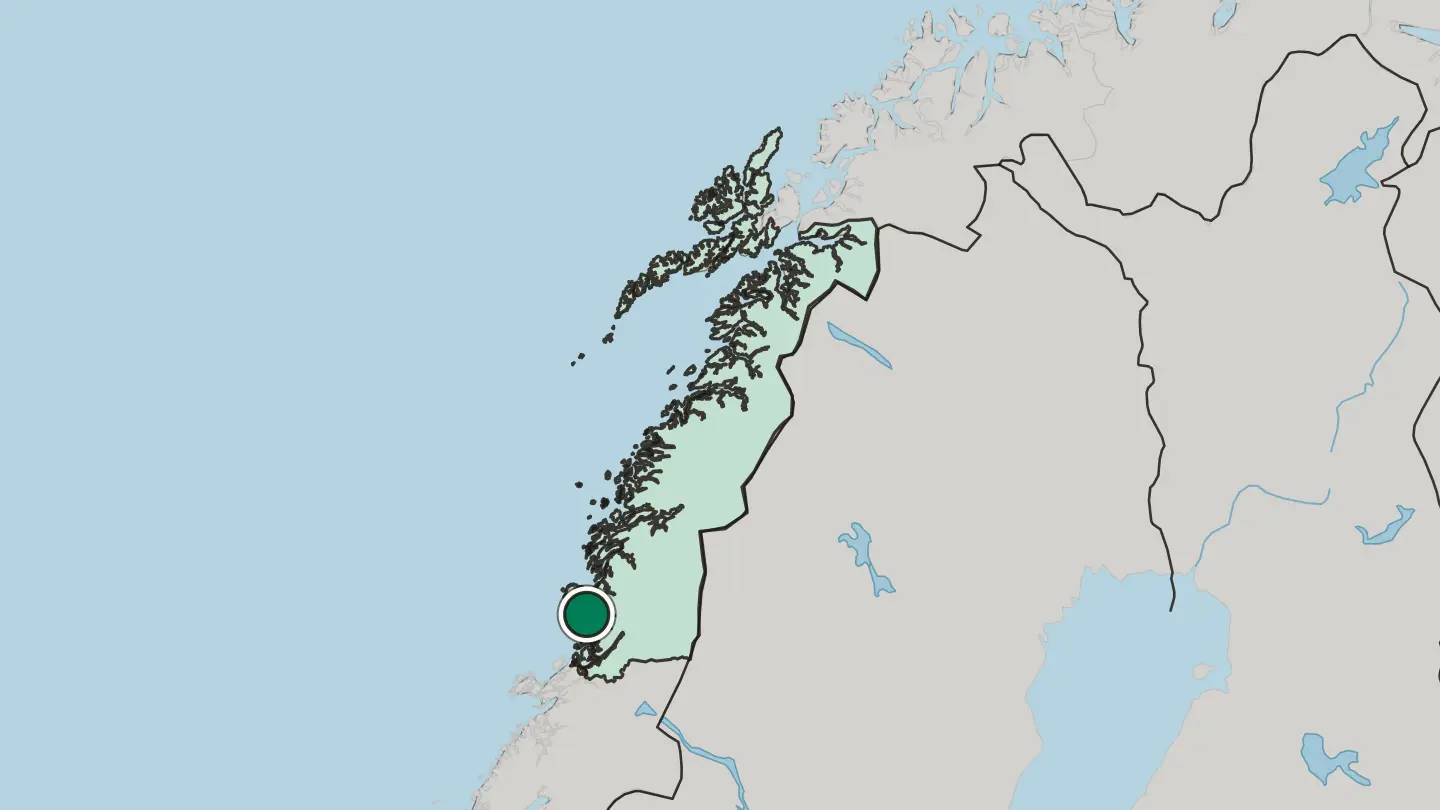
All towns & cities (42)
 Norway
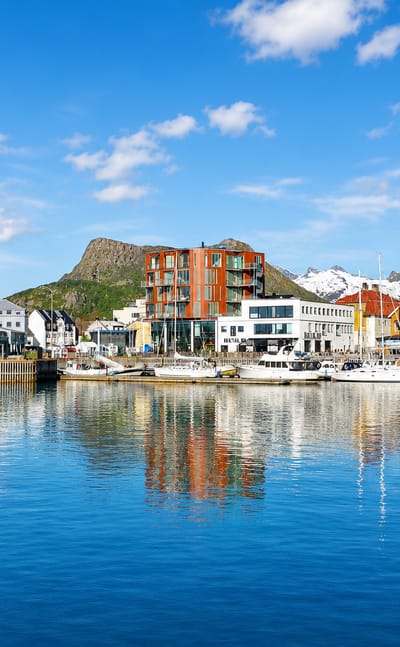
Svolvær
Svolvær is a coastal town in the northern part of Nordland, northern Norway, the seat of Vågan among sea and steep peaks.Where to stay →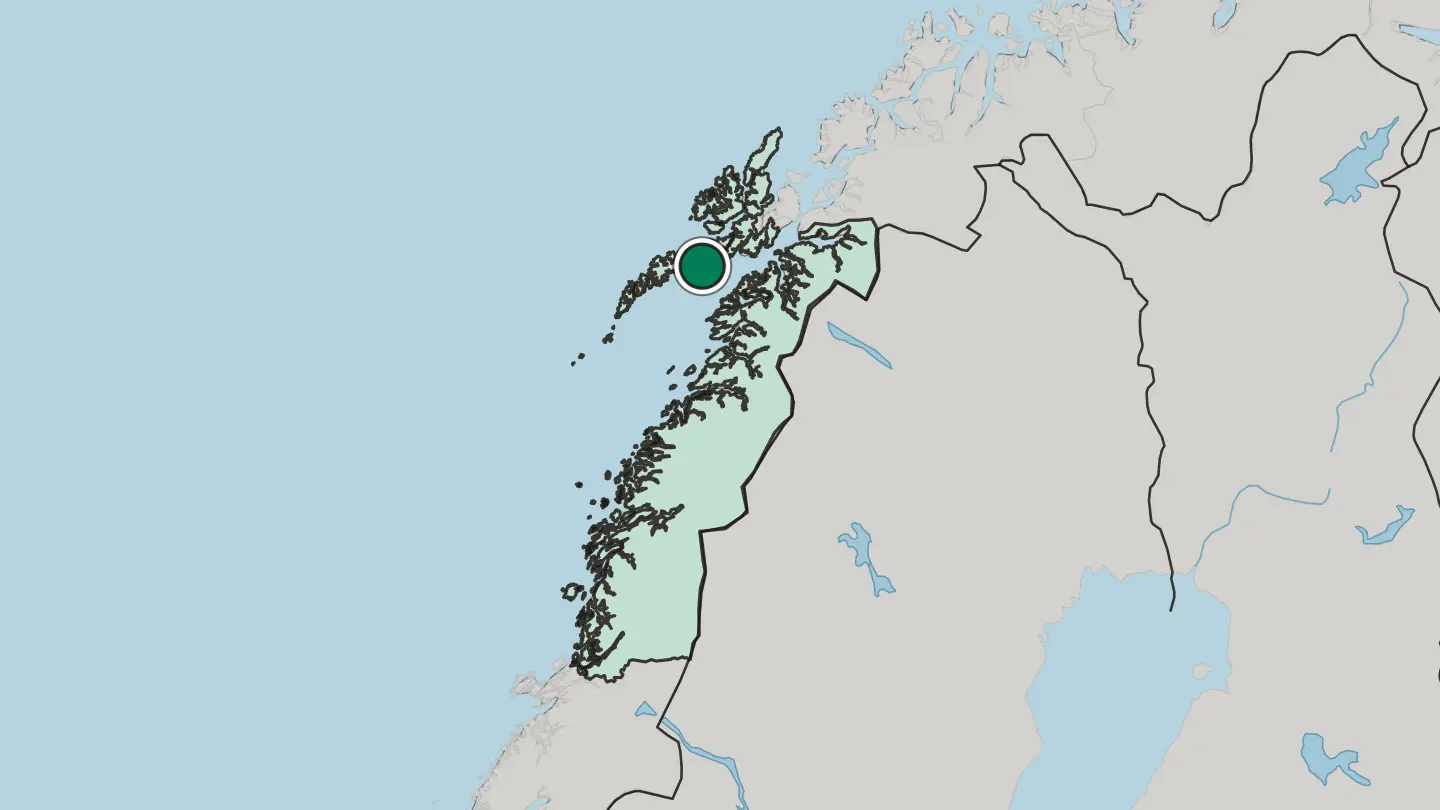
 Norway
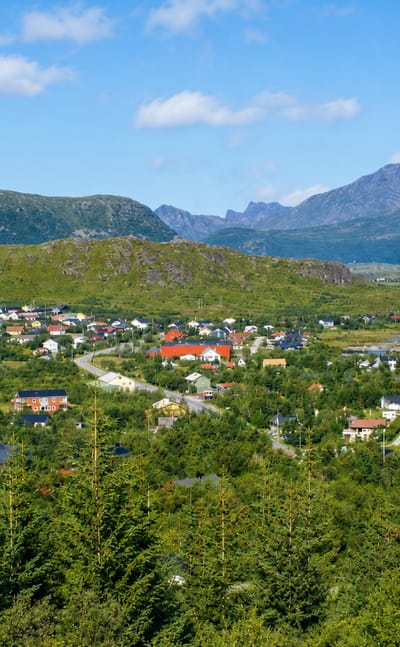
Leknes
Leknes is a town in the north-western part of Nordland, northern Norway, and the main centre of Vestvågøy.Where to stay →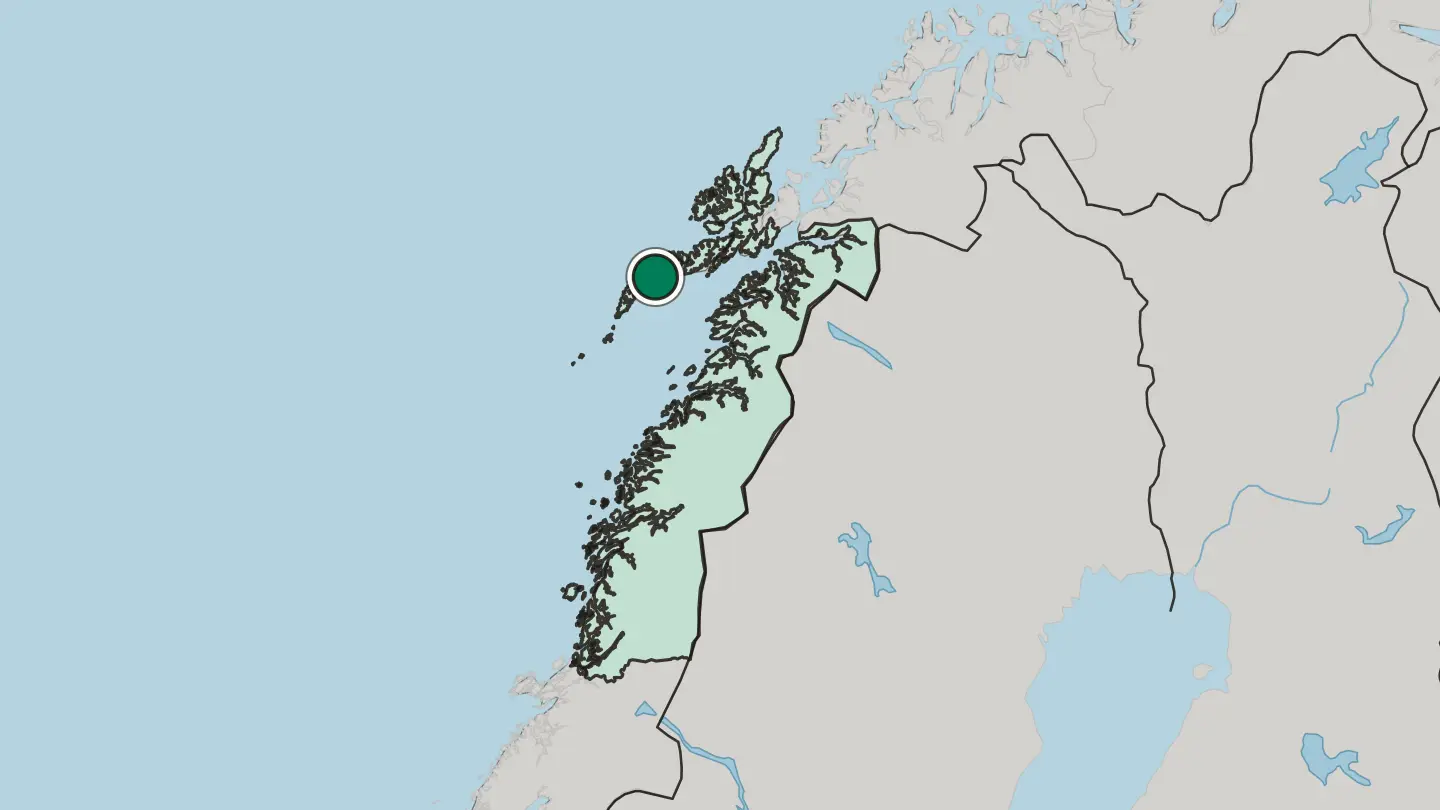
 Norway
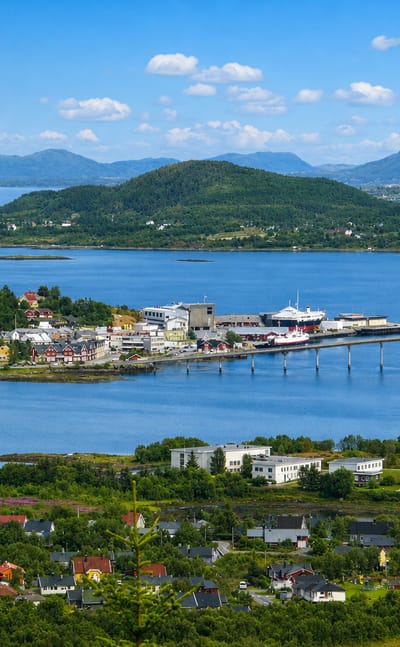
Stokmarknes
Stokmarknes is an island town on the Norwegian Sea coast in northern Norway, the seat of Hadsel in Vesterålen.Where to stay →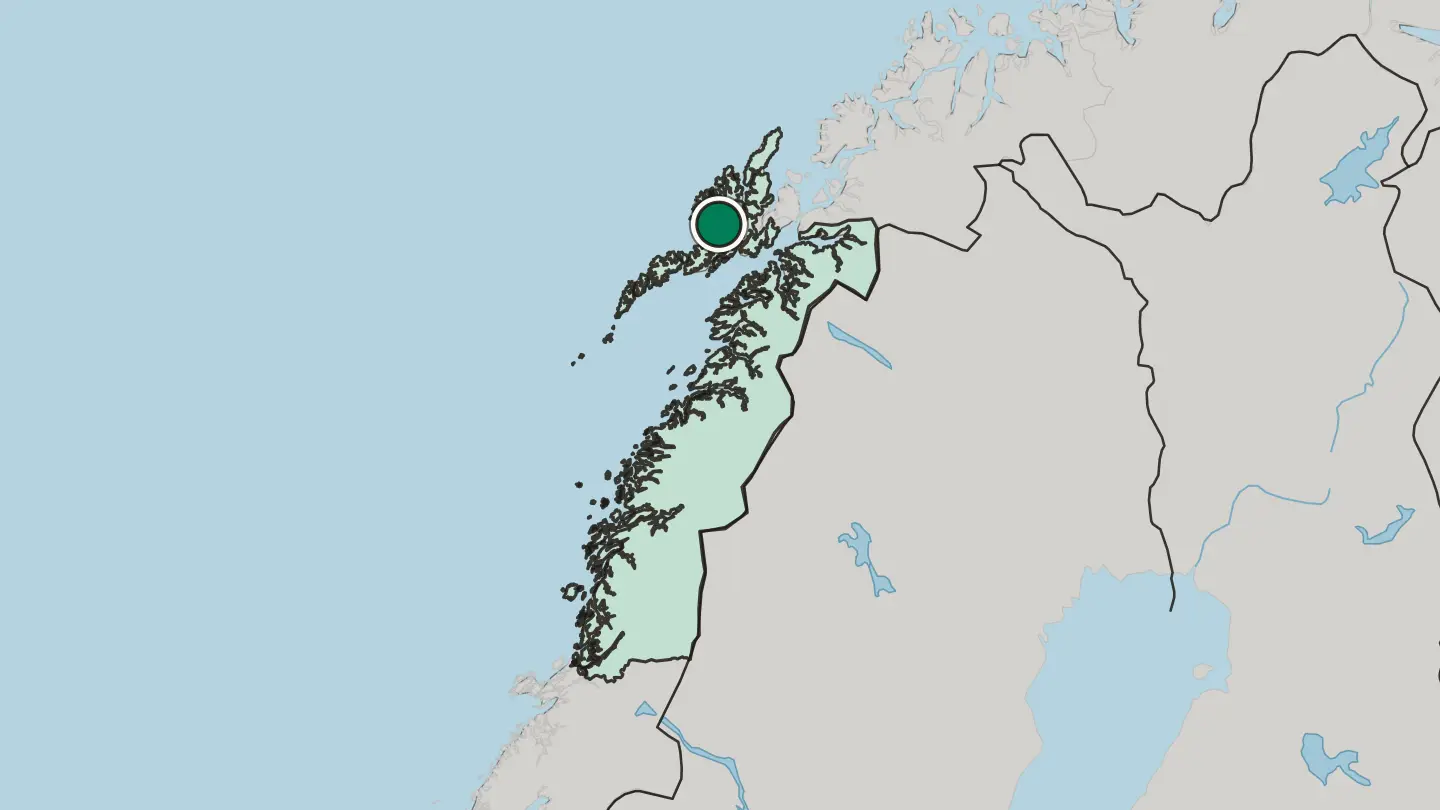
 Norway
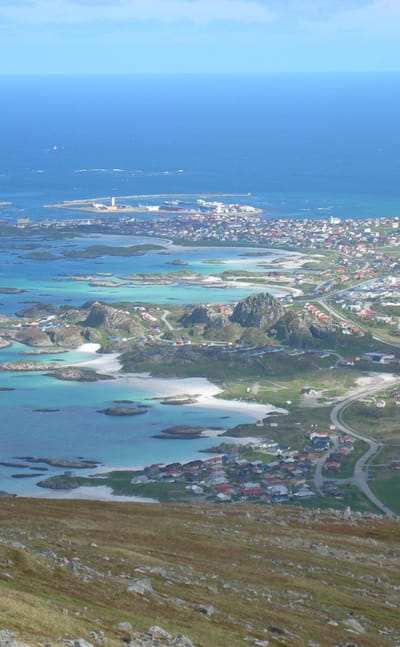
Andenes
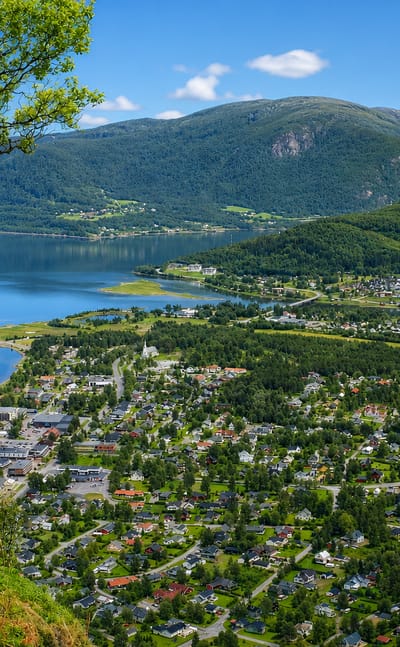
Andenes sits at the far north-eastern reach of Nordland, a fishing town facing the open sea in northern Norway.Where to stay →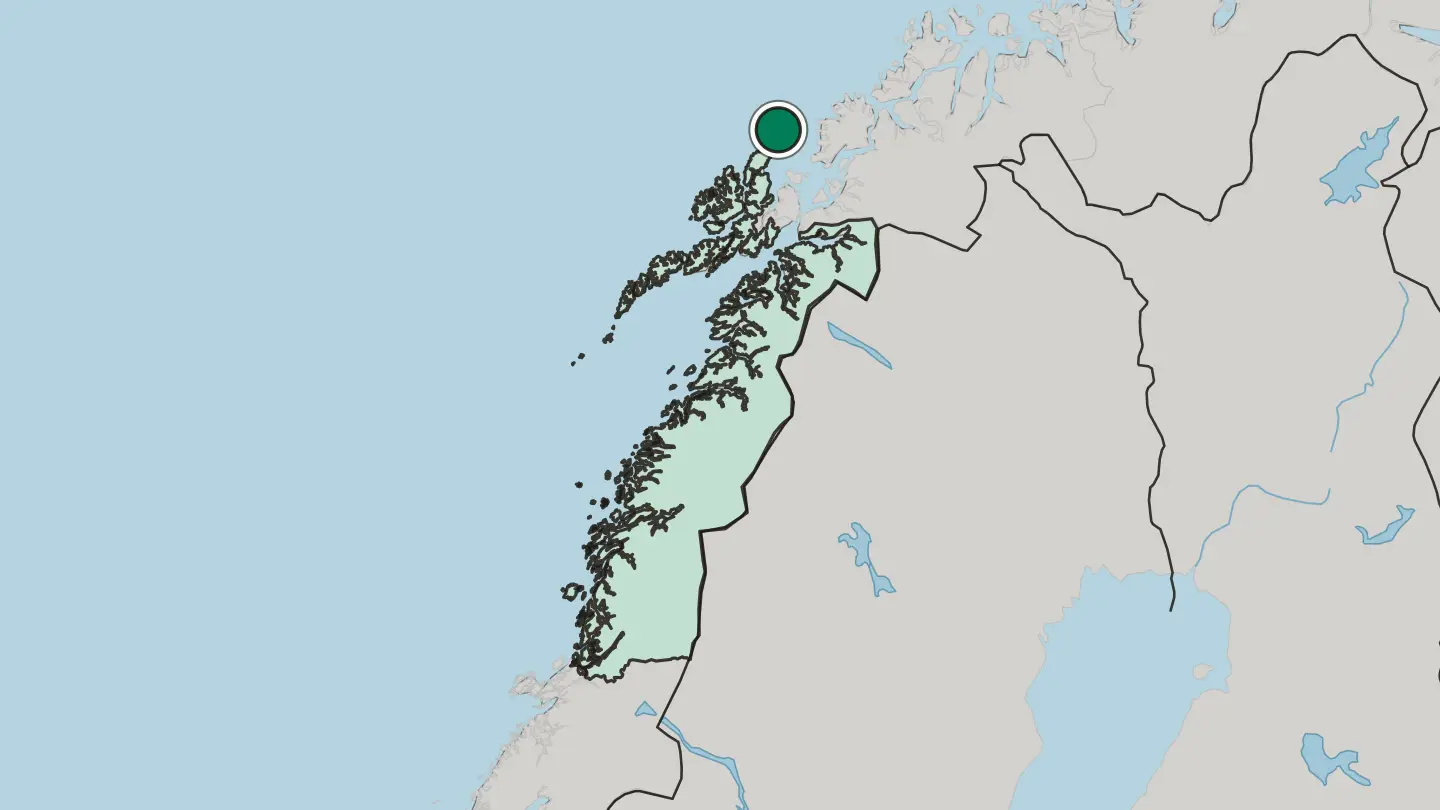
 Norway
Rognan
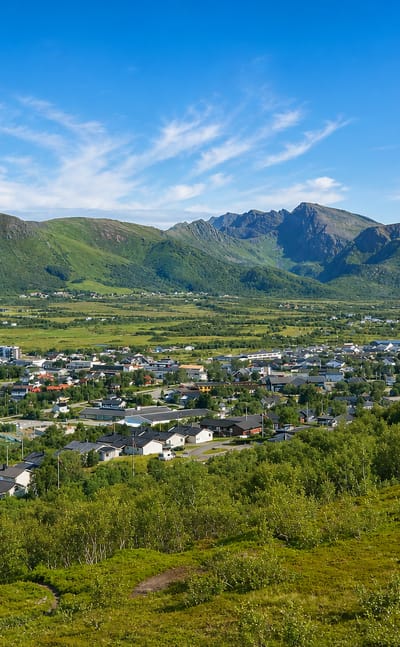
Rognan stands at the head of the fjord in Saltdal, an inland town in the north-eastern part of Nordland.Where to stay →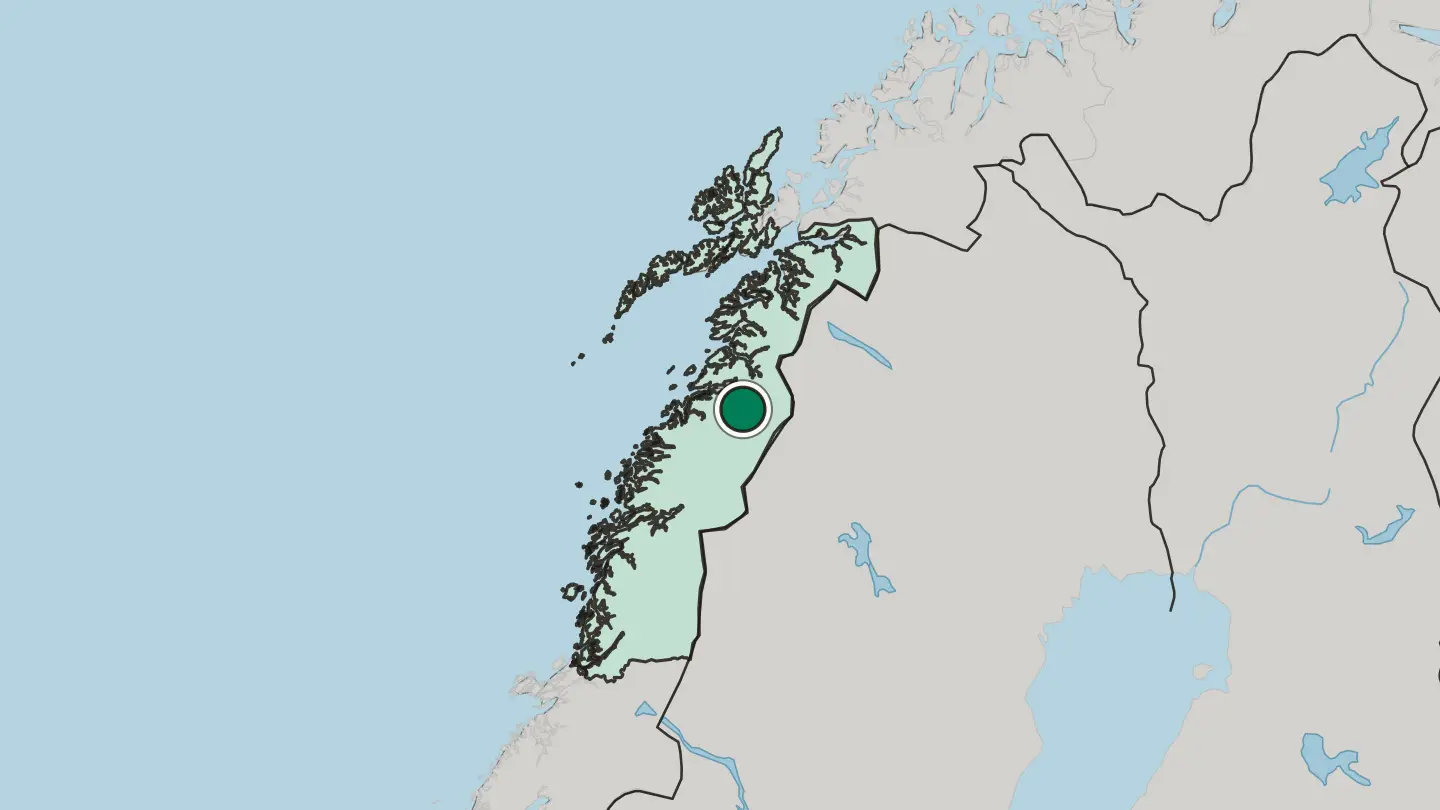
 Norway
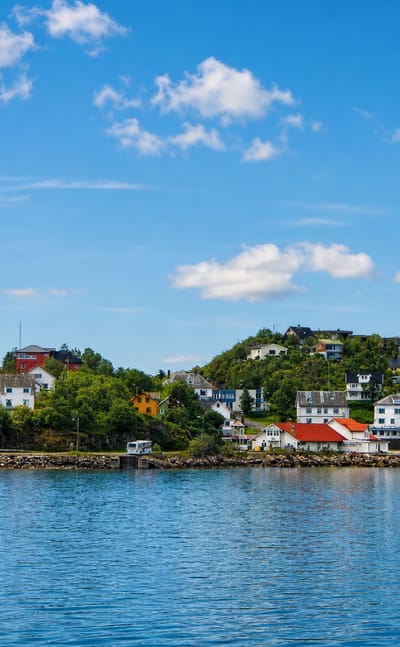
Myre
Myre is a fishing town in Øksnes, set on the coast in the northern part of Nordland.Where to stay →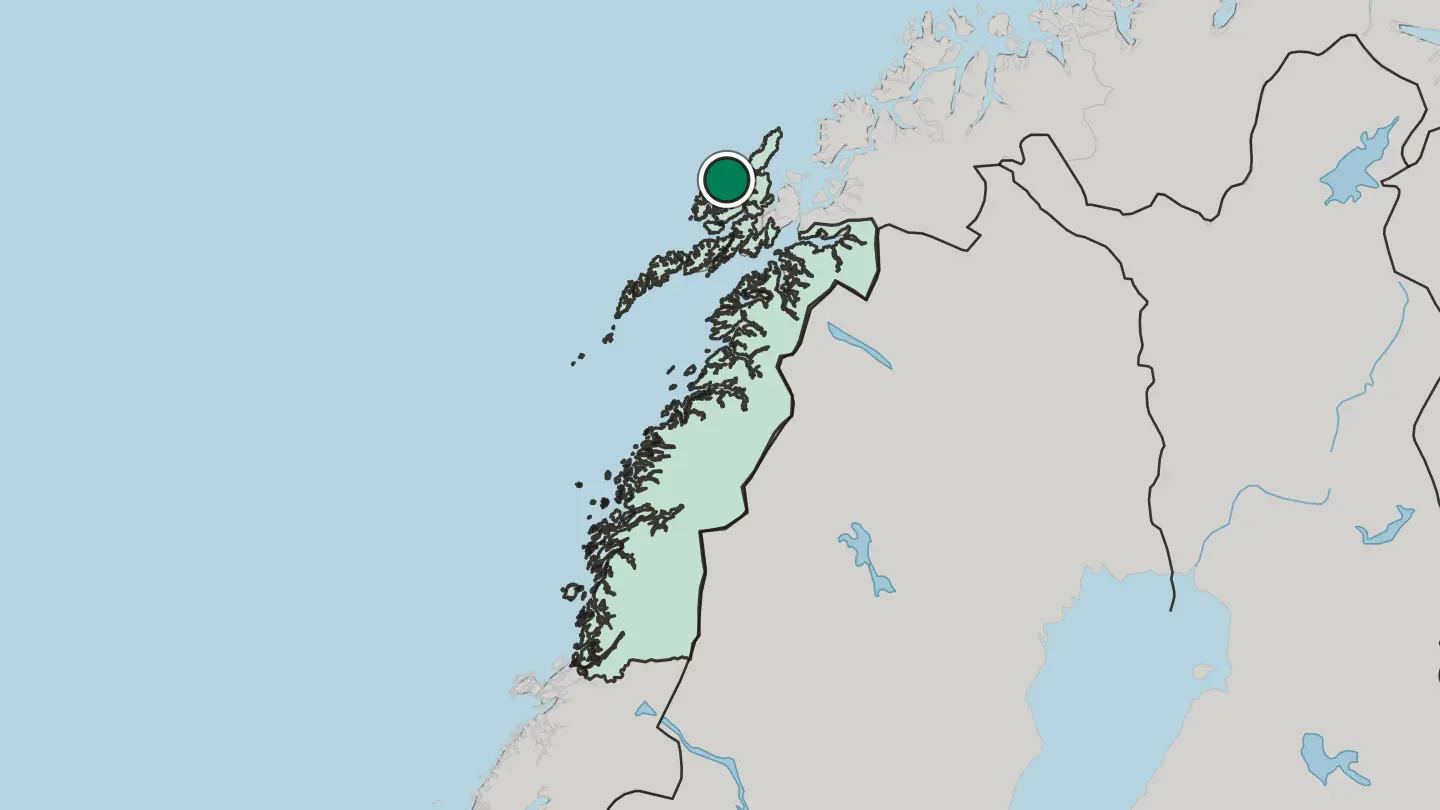
 Norway
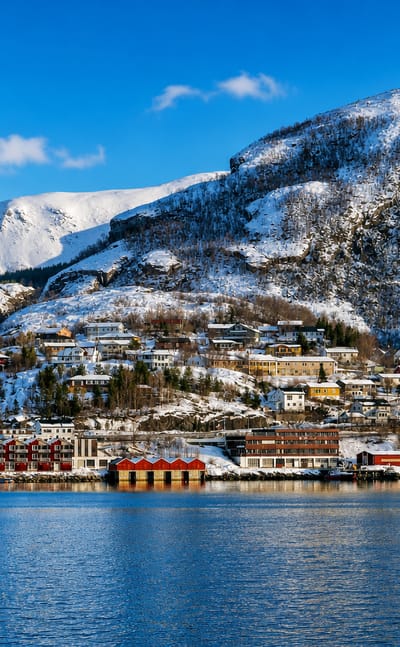
Lødingen
Lødingen is a coastal town and municipality in the north-eastern part of Nordland, in northern Norway.Where to stay →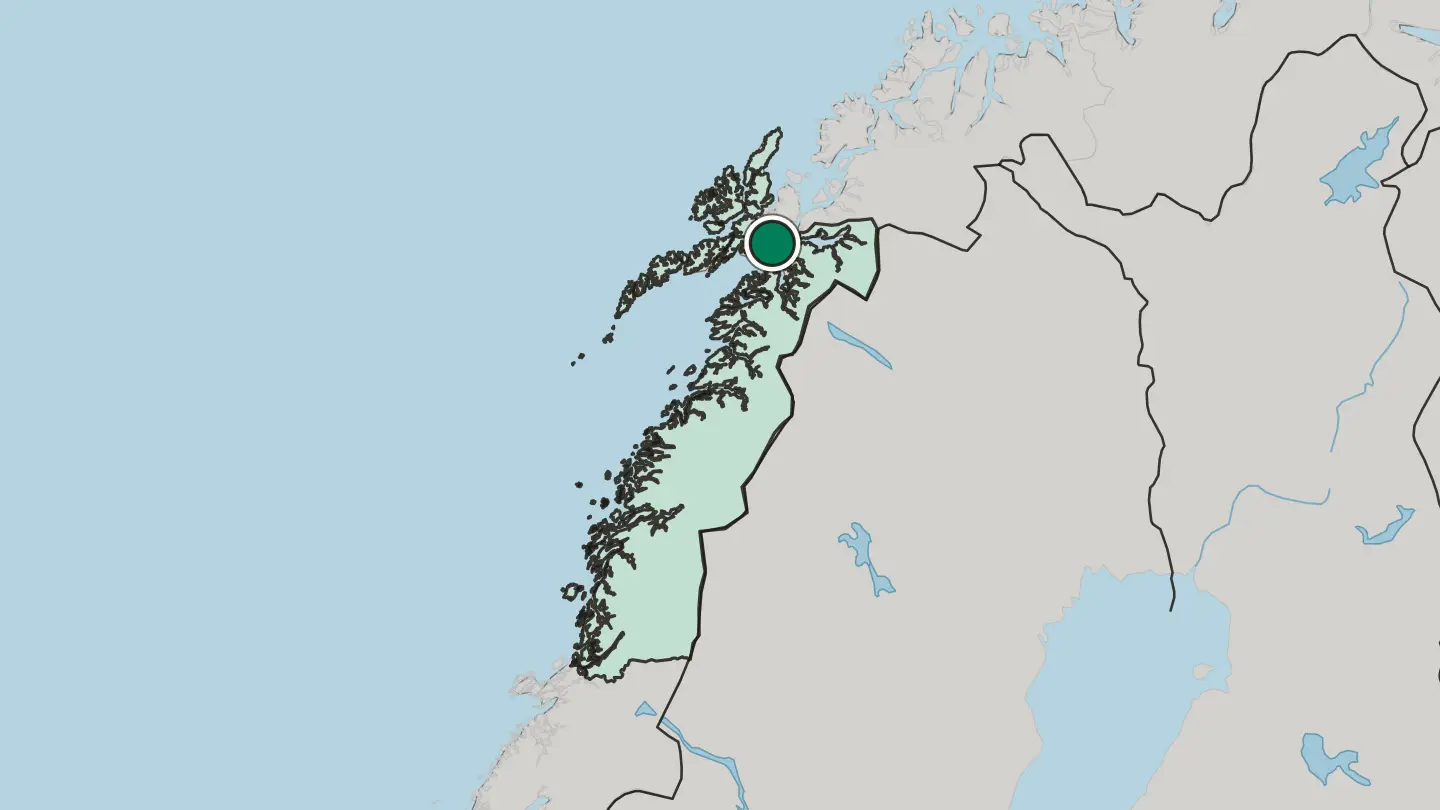
 Norway
Ørnes
Ørnes is a coastal town and the seat of Meløy, set on the shore in the western part of Nordland.Where to stay →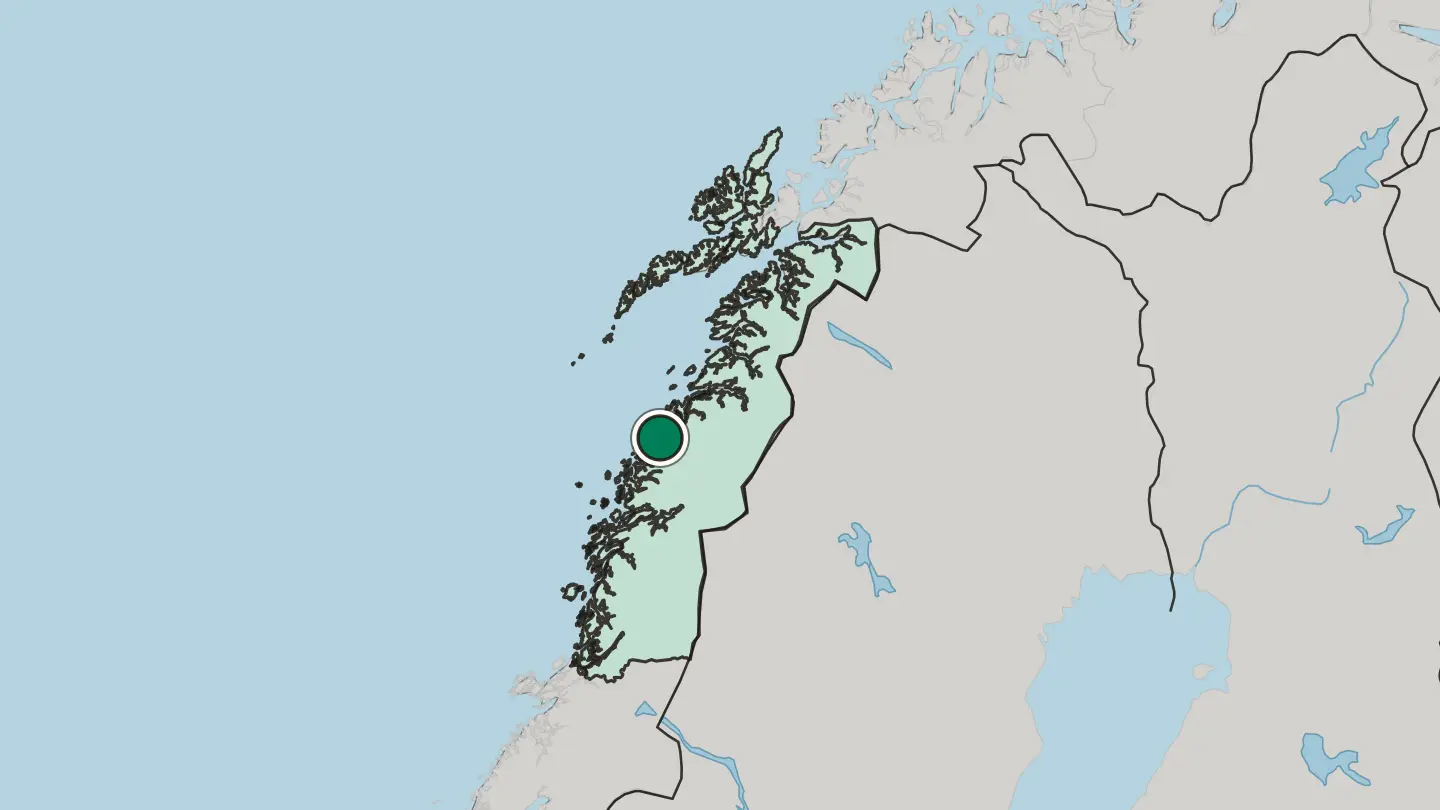
 Norway
Nesna
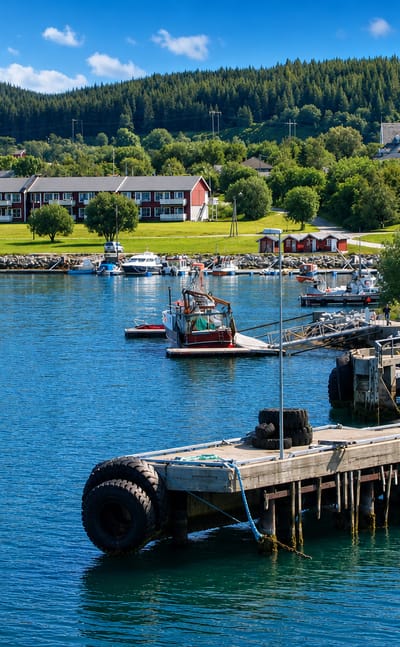
Nesna is a coastal town and municipality in the south-western part of Nordland, in northern Norway.Where to stay →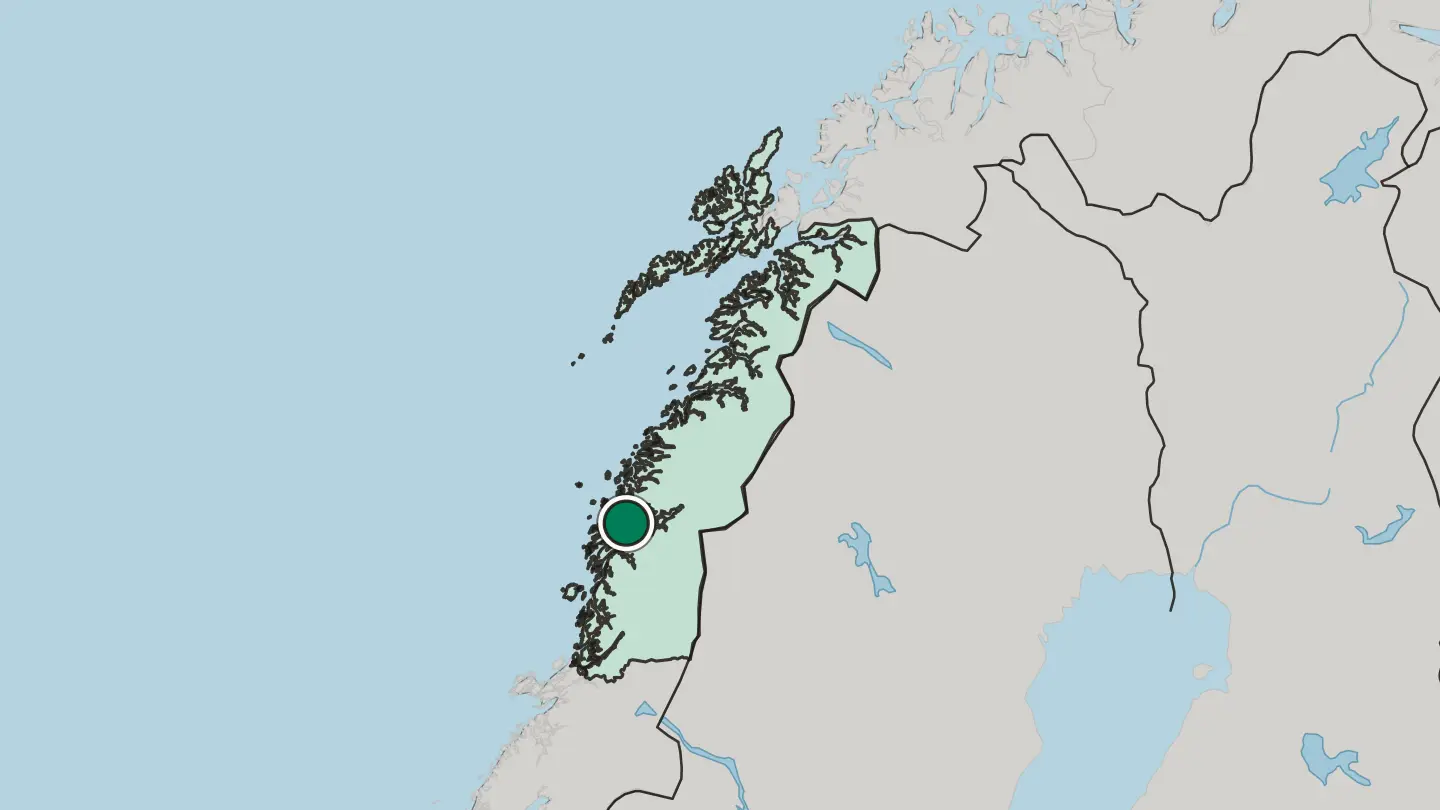 Norway
Straumen
Straumen is a small municipal centre in the north-eastern part of Nordland, in northern Norway.Where to stay →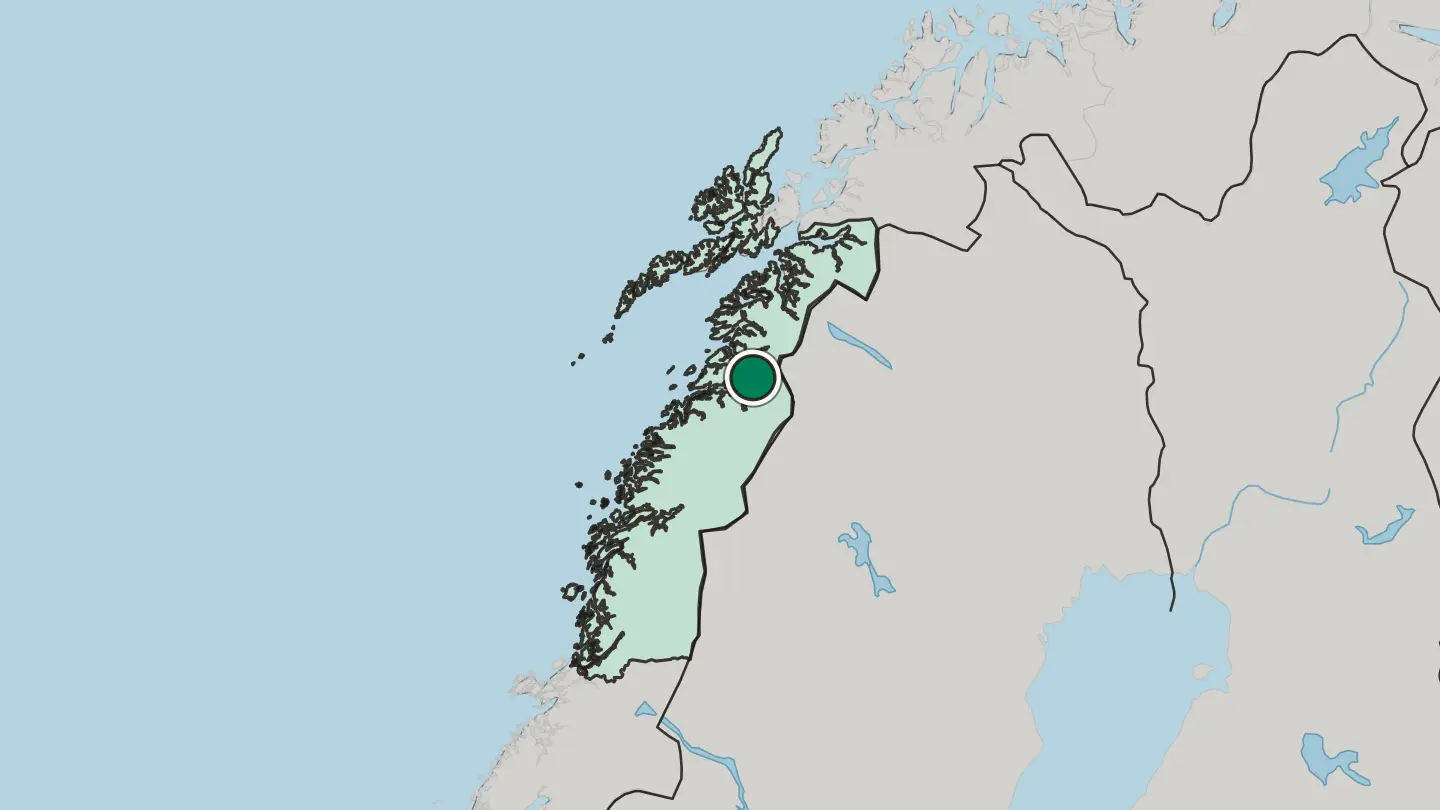
 Norway
Korgen
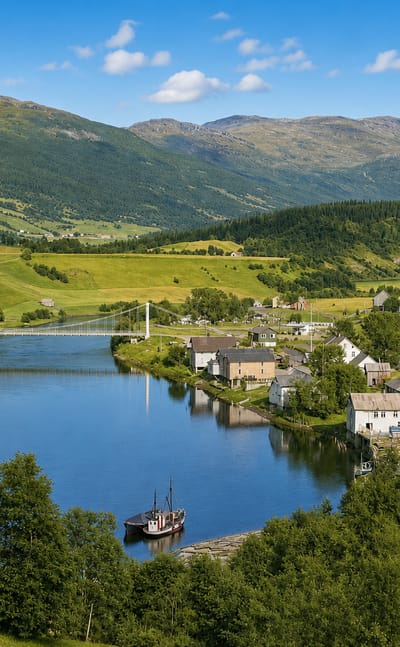
Korgen is the administrative centre of Hemnes Municipality, on the river Røssåga in south-western Nordland.Where to stay →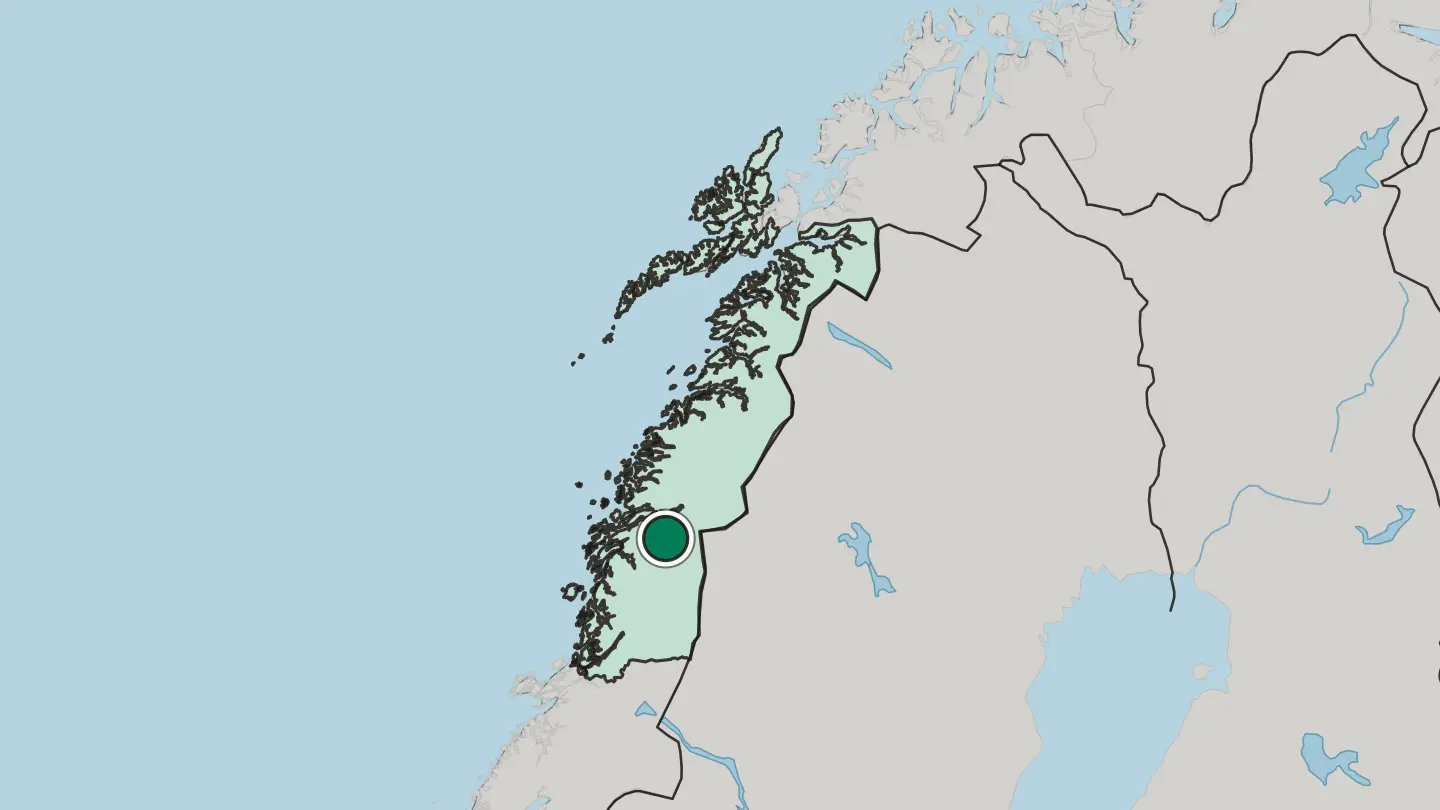
 Norway
Trofors
Trofors is a small village in Grane, in the south-western part of Nordland, northern Norway.Where to stay →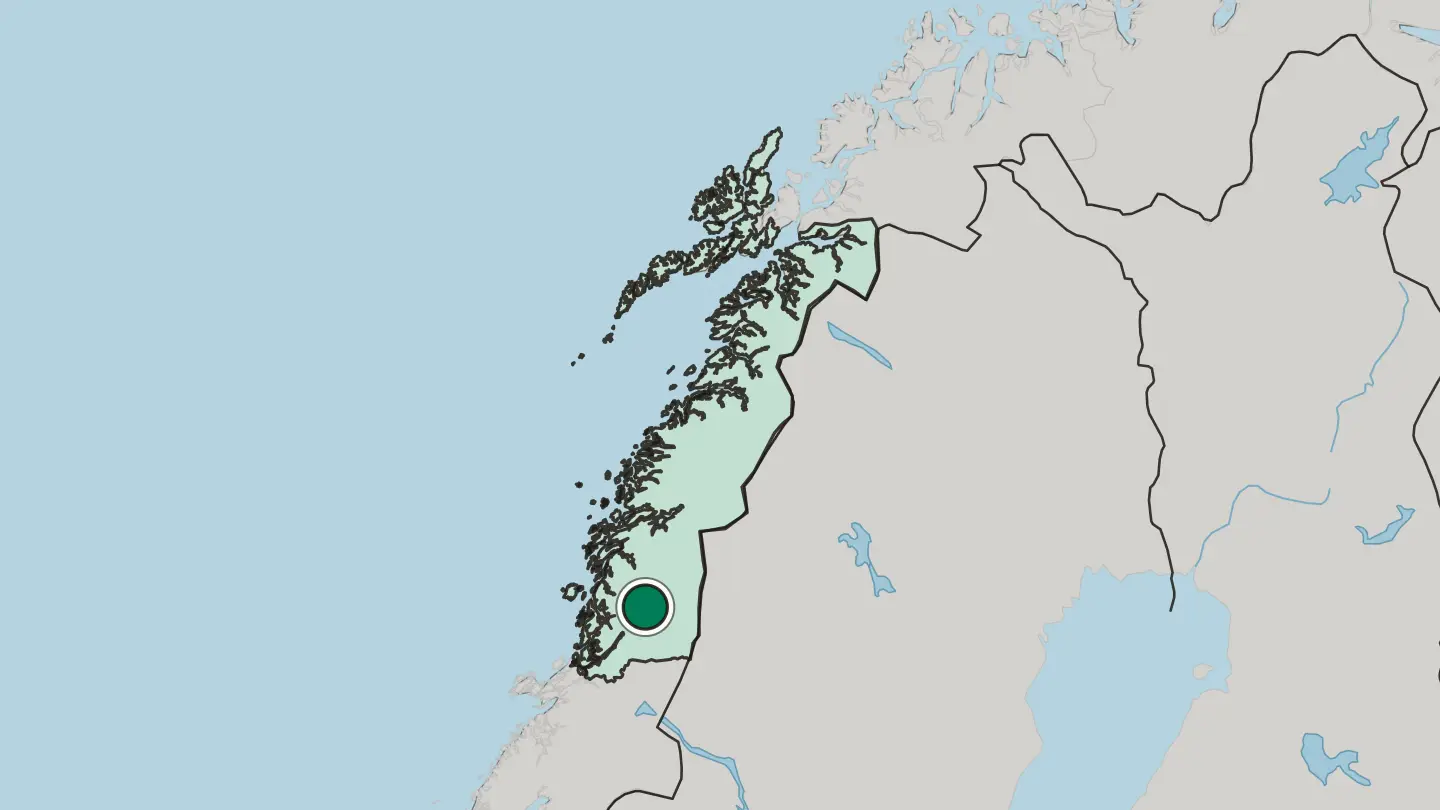 Norway
Leland
Leland is a small village in Leirfjord, in the south-western part of Nordland, northern Norway.Where to stay →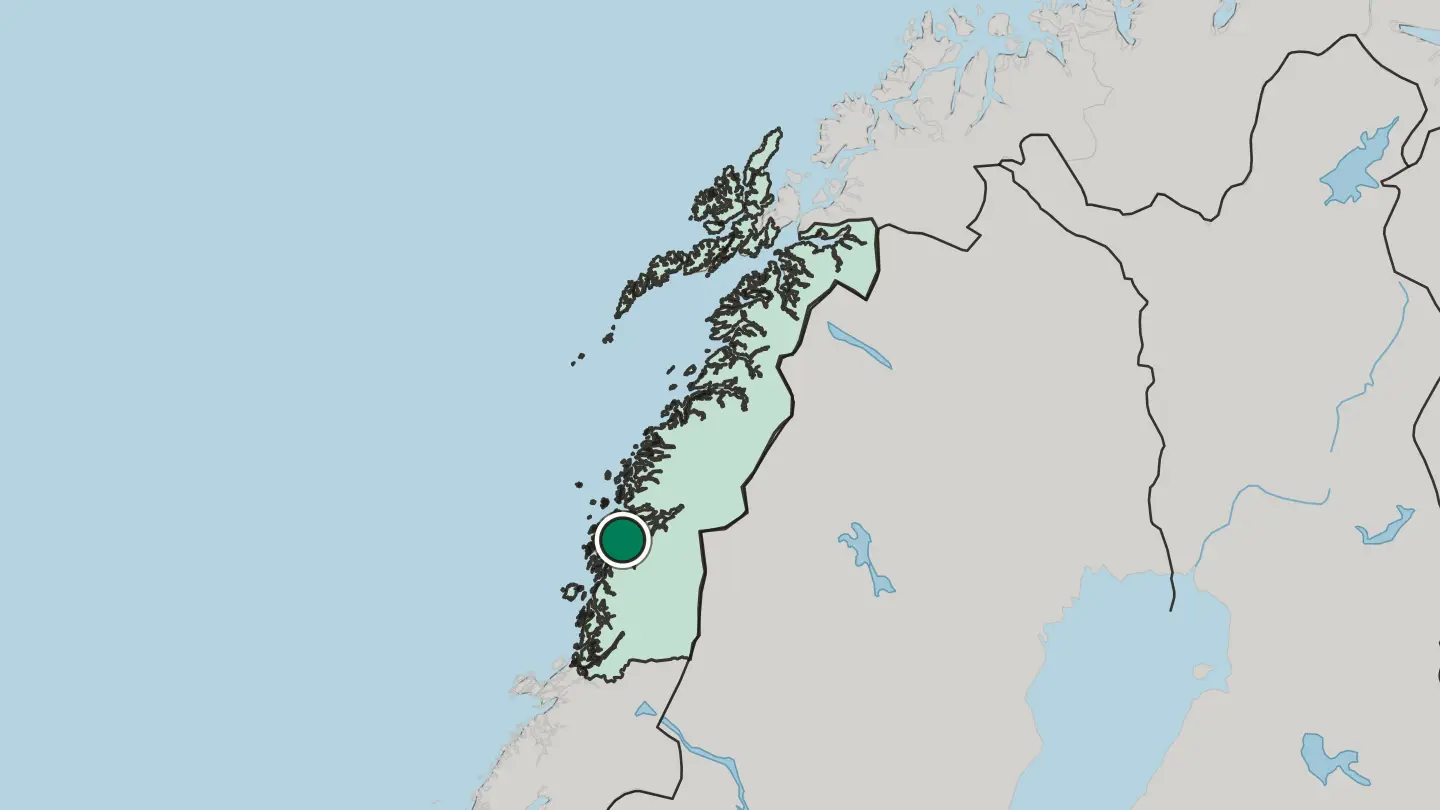
 Norway
Inndyr
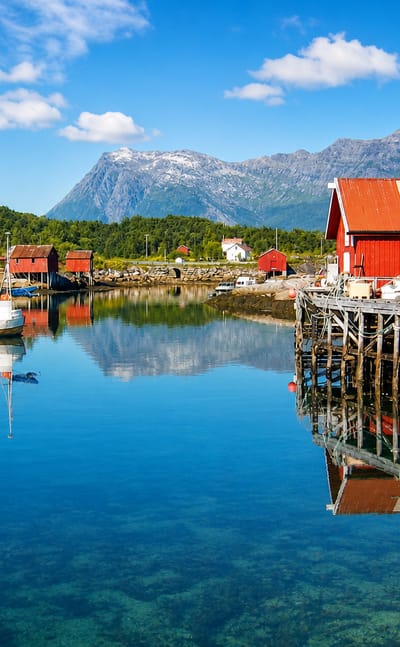
Inndyr is the centre of Gildeskål, in the north-western part of Nordland, northern Norway.Where to stay →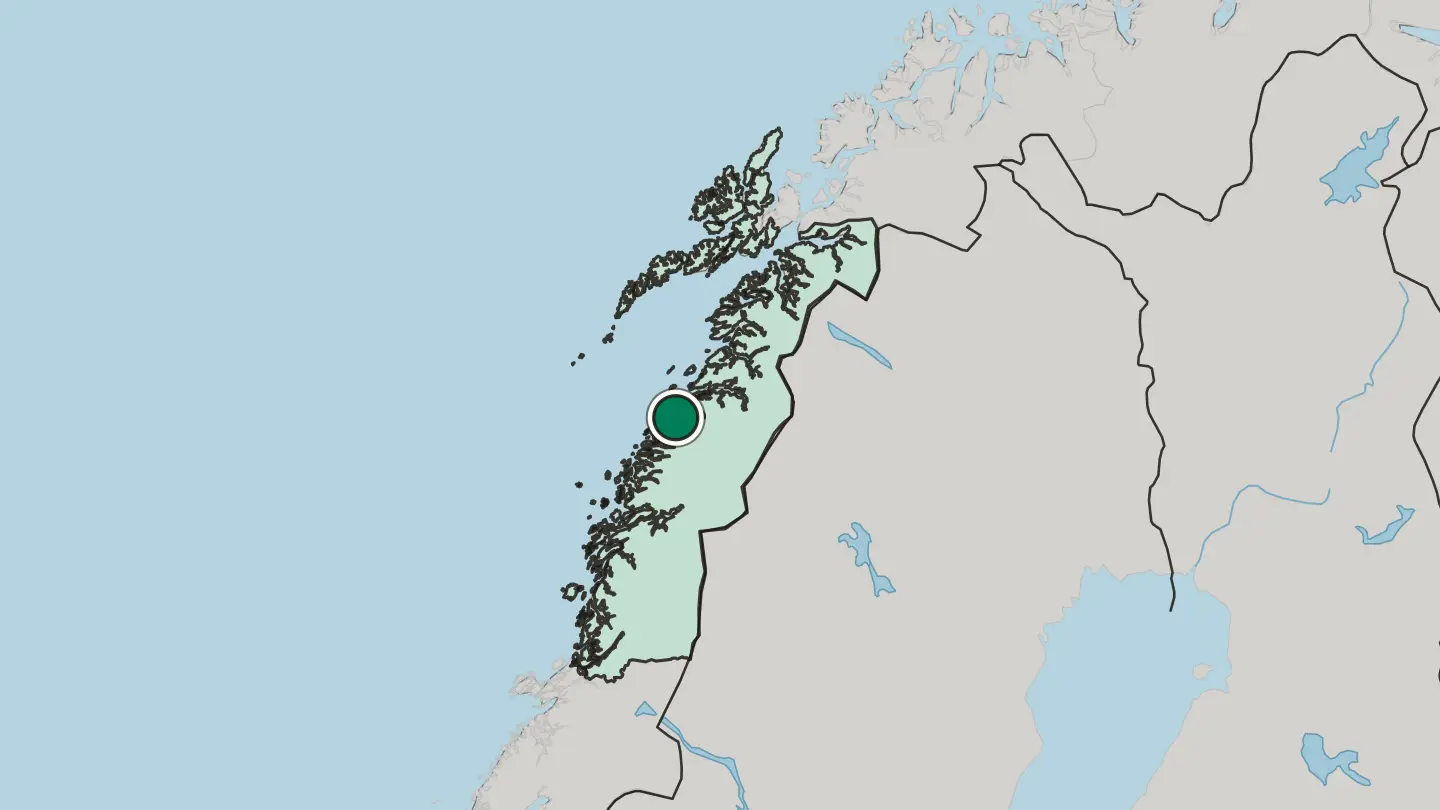
 Norway
Sørland
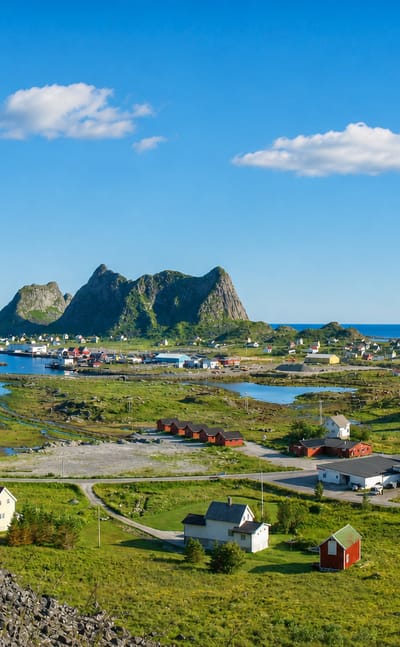
Sørland is the fishing-village seat of Værøy, on the island of Værøya in north-western Nordland.Where to stay →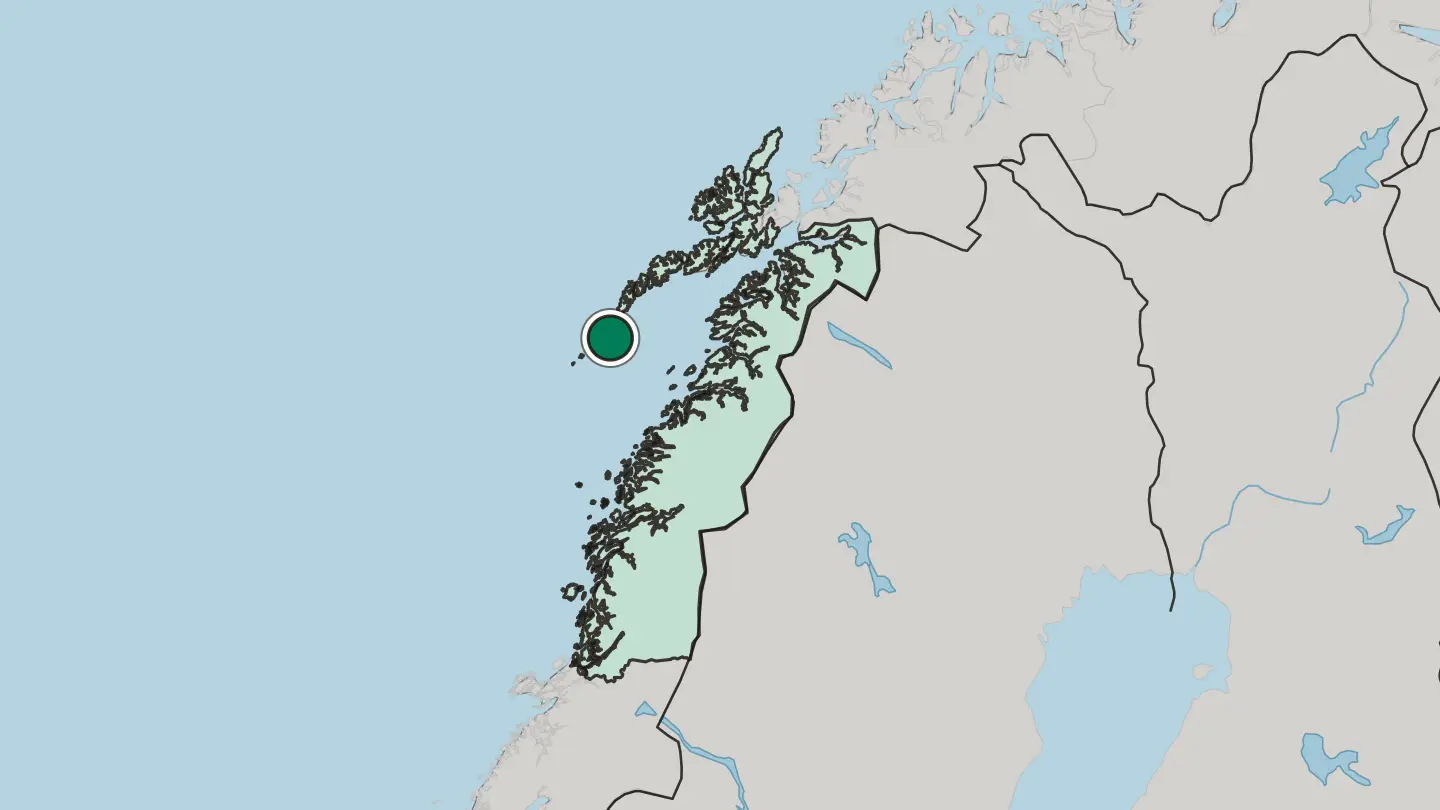
 Norway
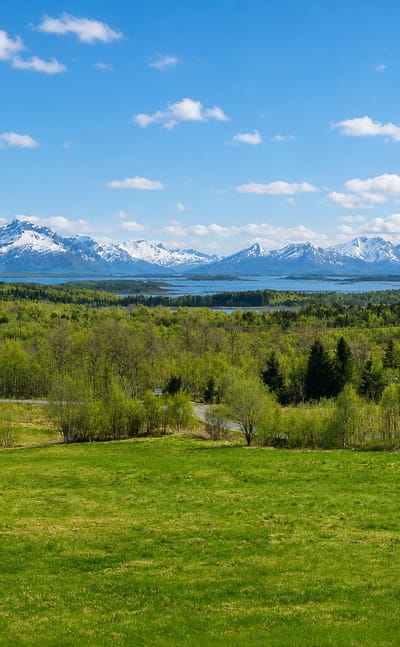
Oppeid
Oppeid is the administrative seat of Hamarøy, a fjord village on the Sagfjord in northern Norway.Where to stay →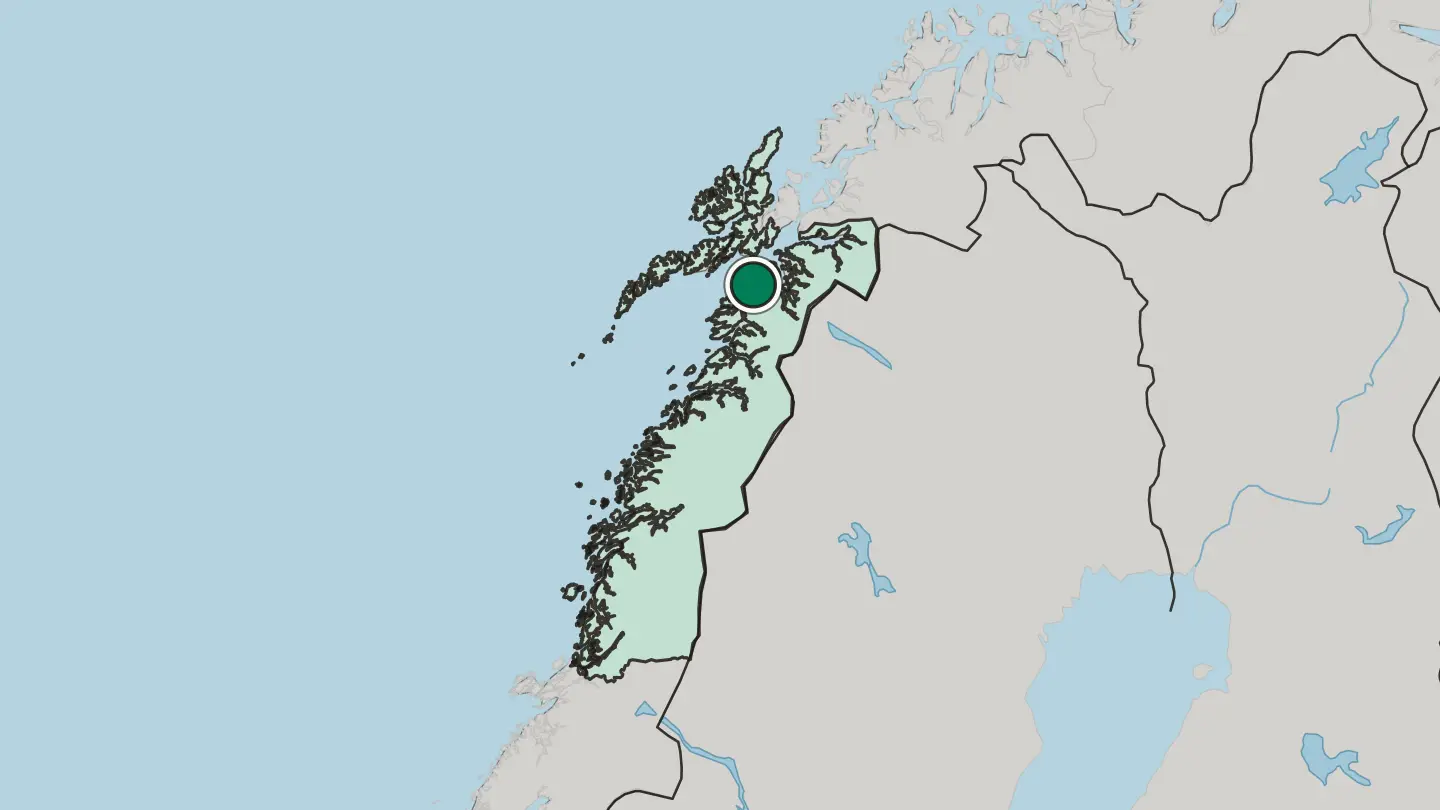
 Norway
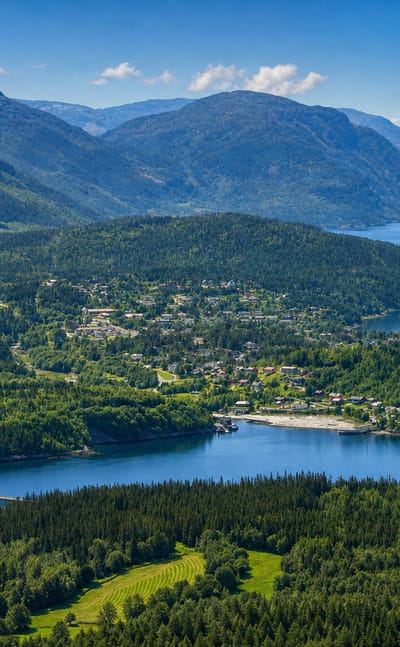
Terråk
Terråk is the administrative seat of Bindal, a small coastal village in the south-west of Nordland, northern Norway.Where to stay →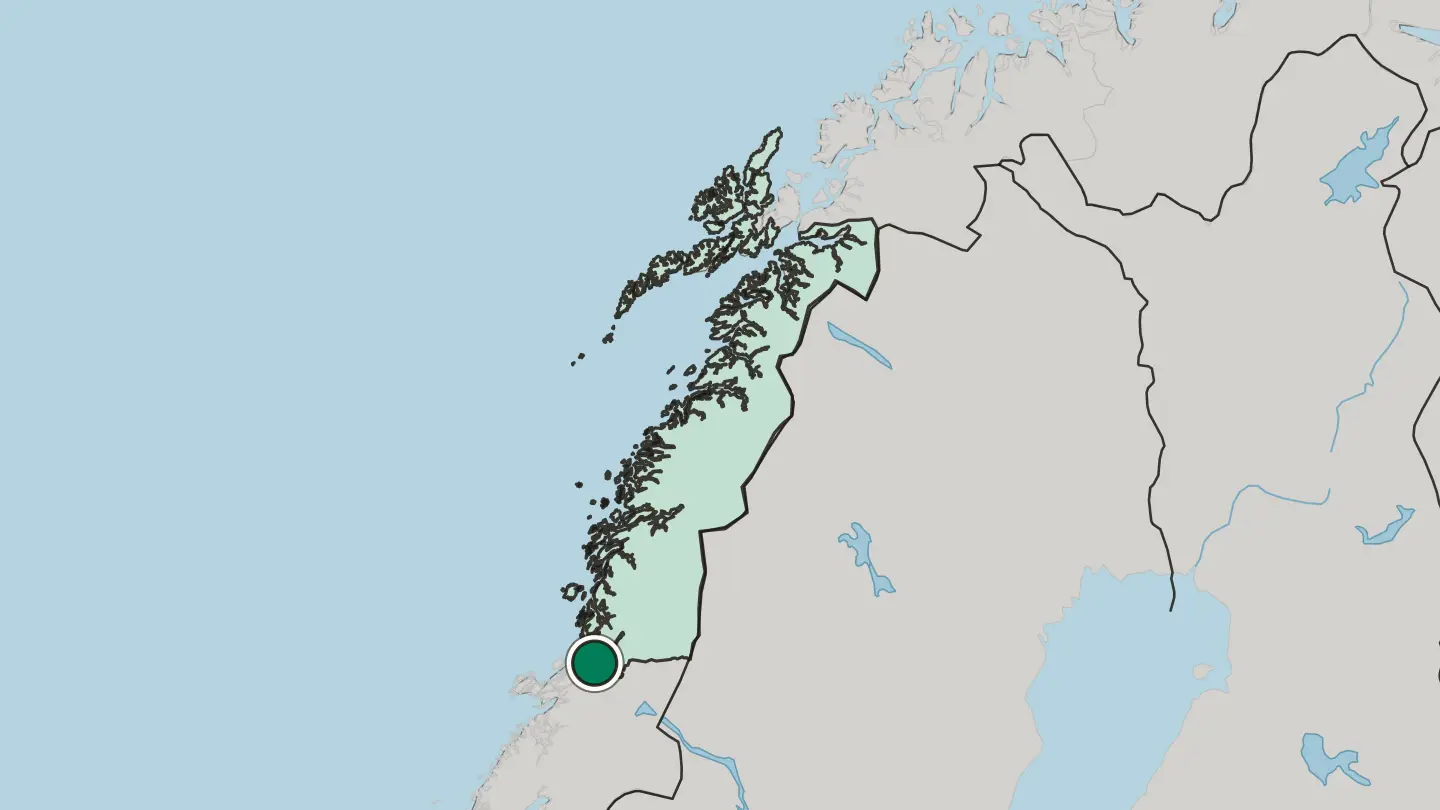
 Norway
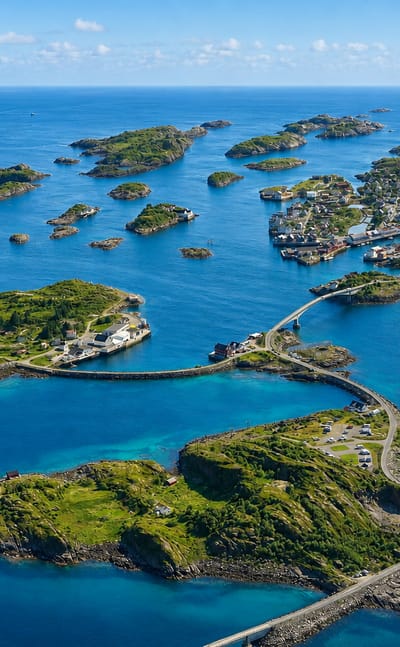
Henningsvær
Henningsvær is a fishing village spread across small islands in Lofoten, in the north of Nordland.Where to stay →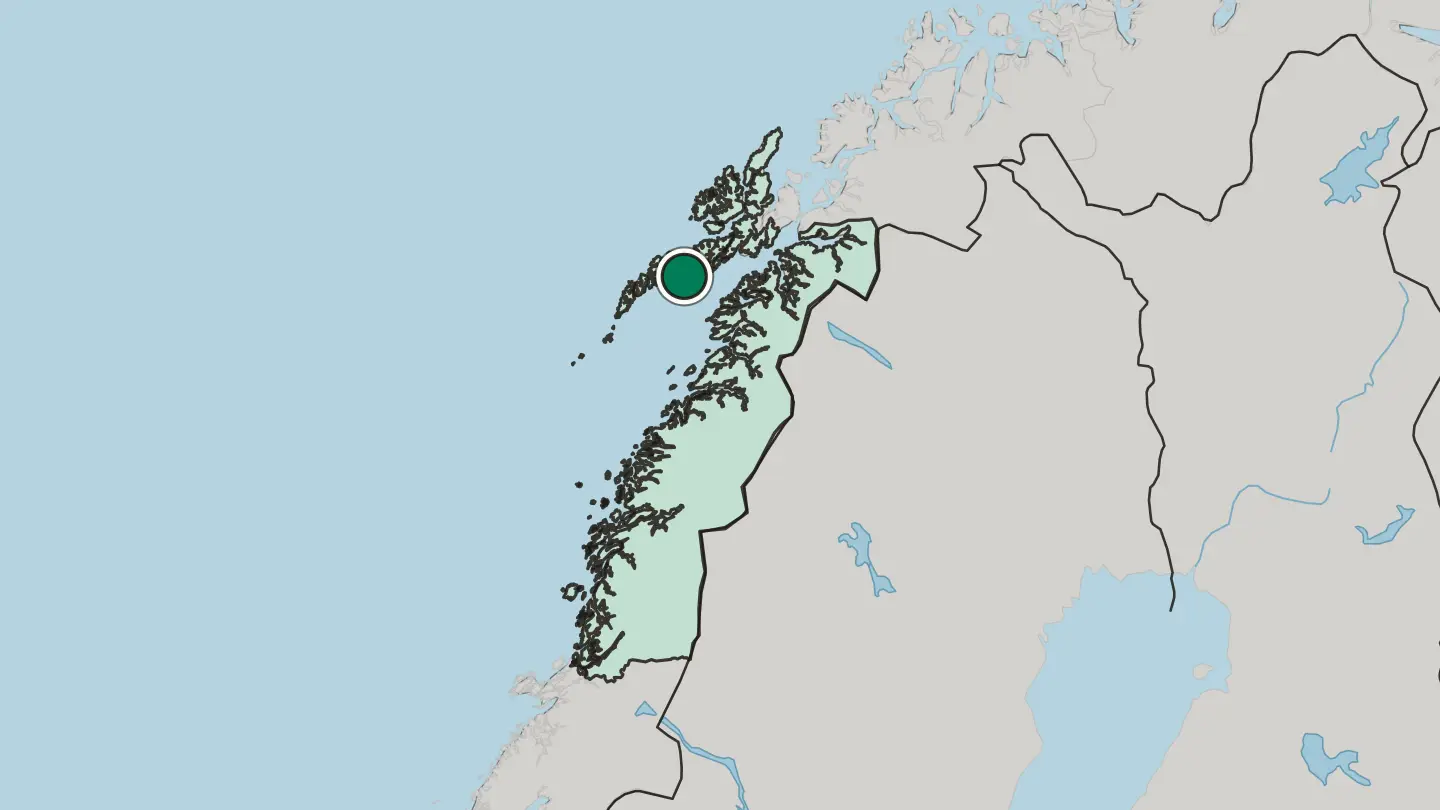
 Norway
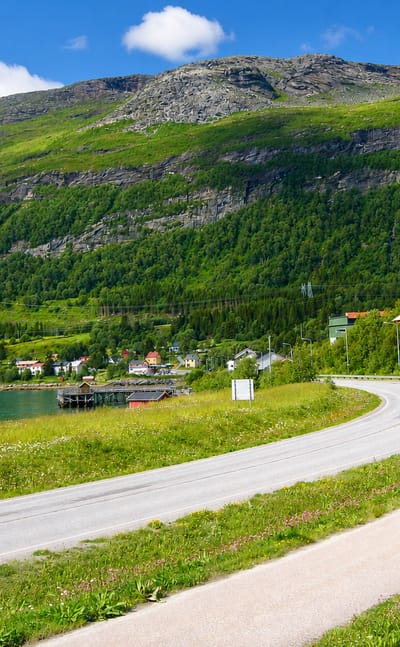
Bogen
Bogen is the centre of Evenes, a fjord village in the north-east of Nordland, in northern Norway.Where to stay →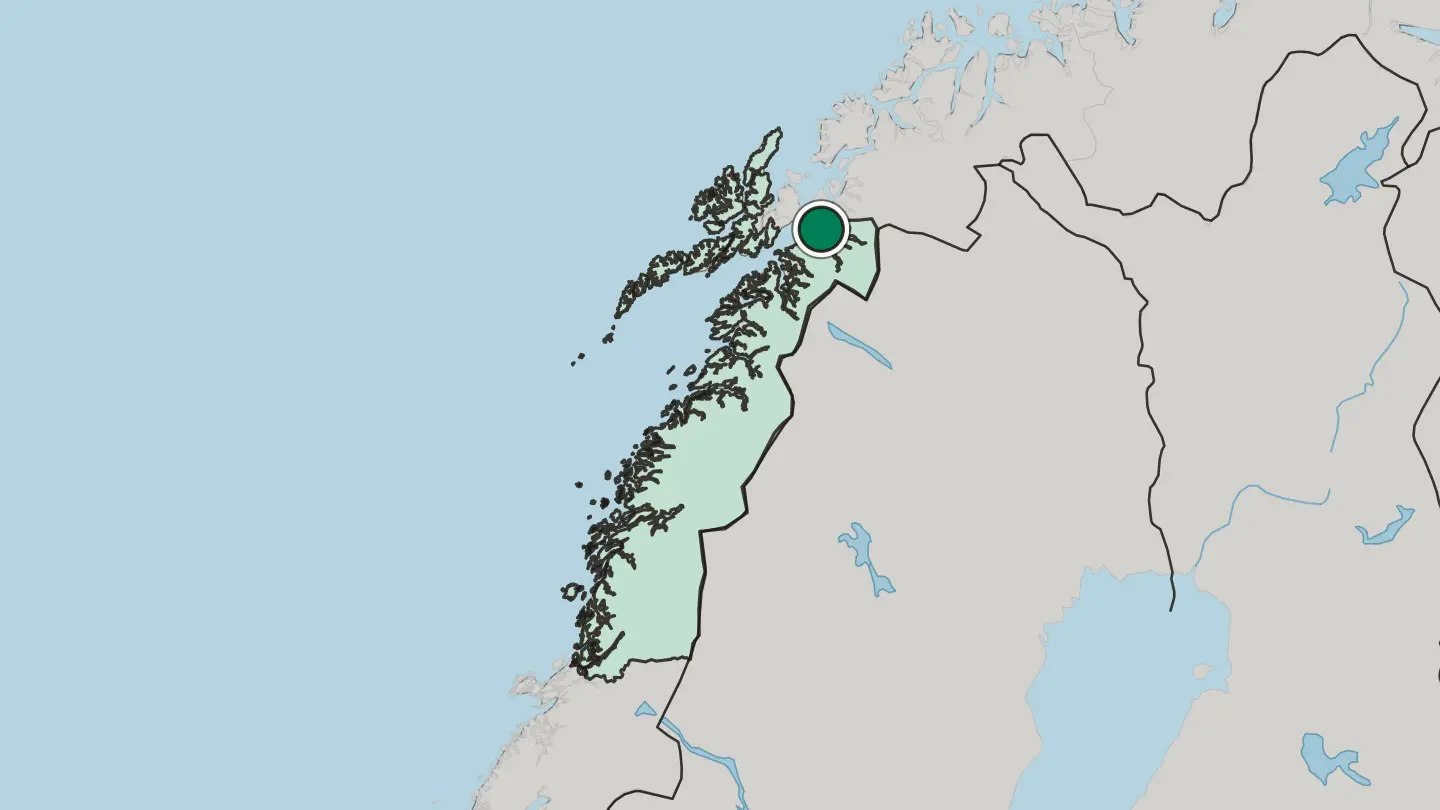 Norway
Vik
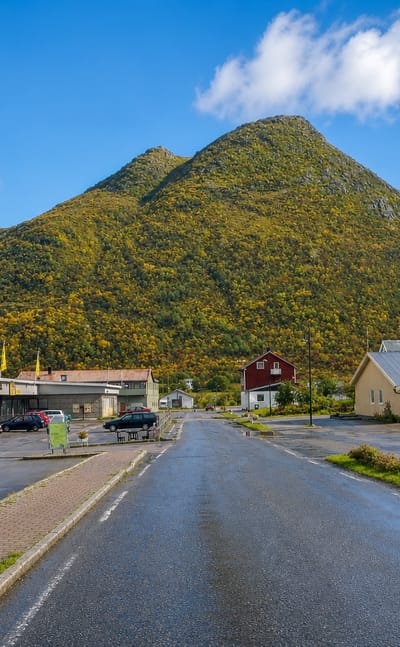
Vik is the centre of Sømna, a farming village by the sea in the south-west of Nordland, northern Norway.Where to stay →
 Norway
Straume
Straume is the centre of Bø, an island village in the north of Nordland, in northern Norway.Where to stay →
 Norway
Reine
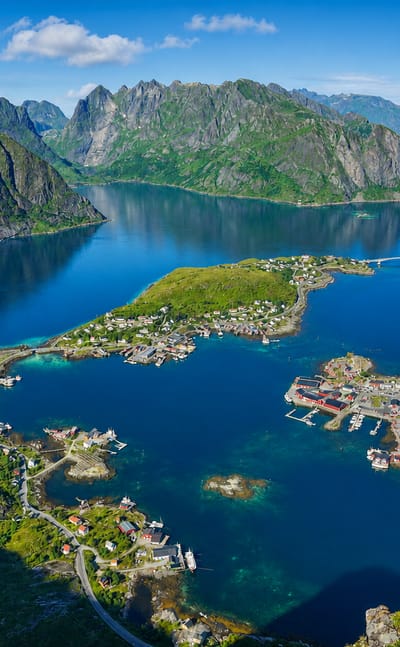
Reine is a Lofoten fishing village in the north-western part of Nordland, set on Moskenesøya beneath sharp granite peaks.Where to stay →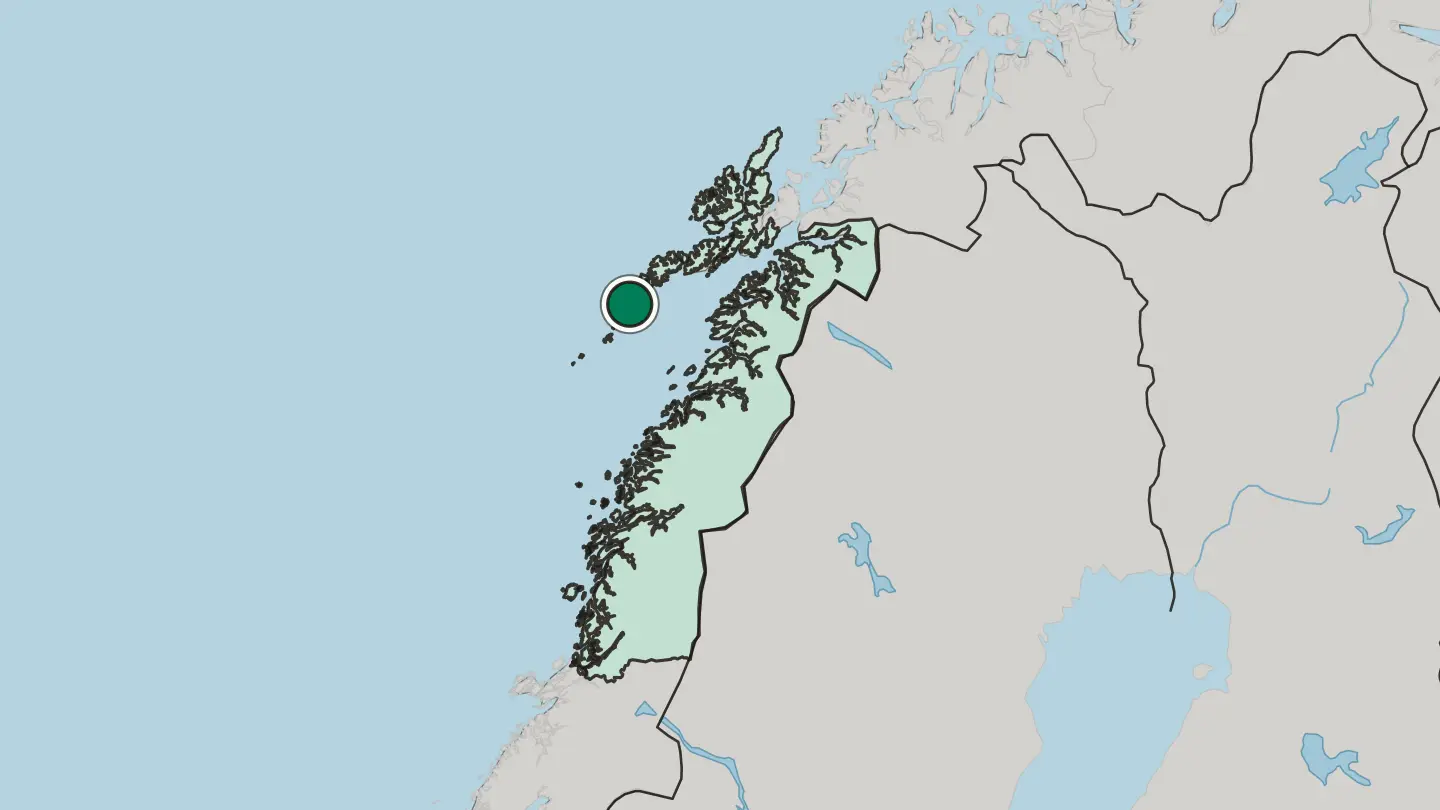 Norway
Gladstad
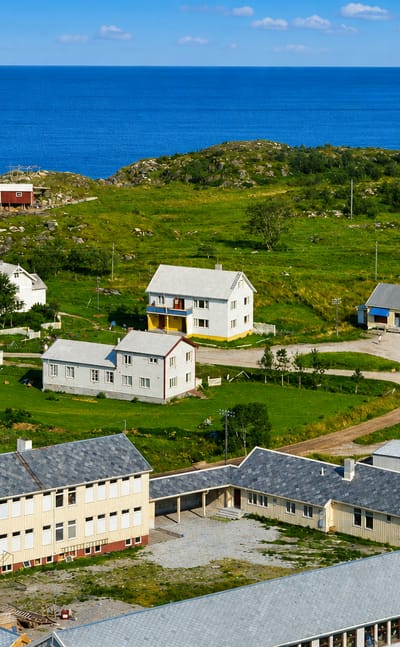
Gladstad is the village centre of Vega island in the south-western part of Nordland, a low seaboard of pasture and skerries.Where to stay →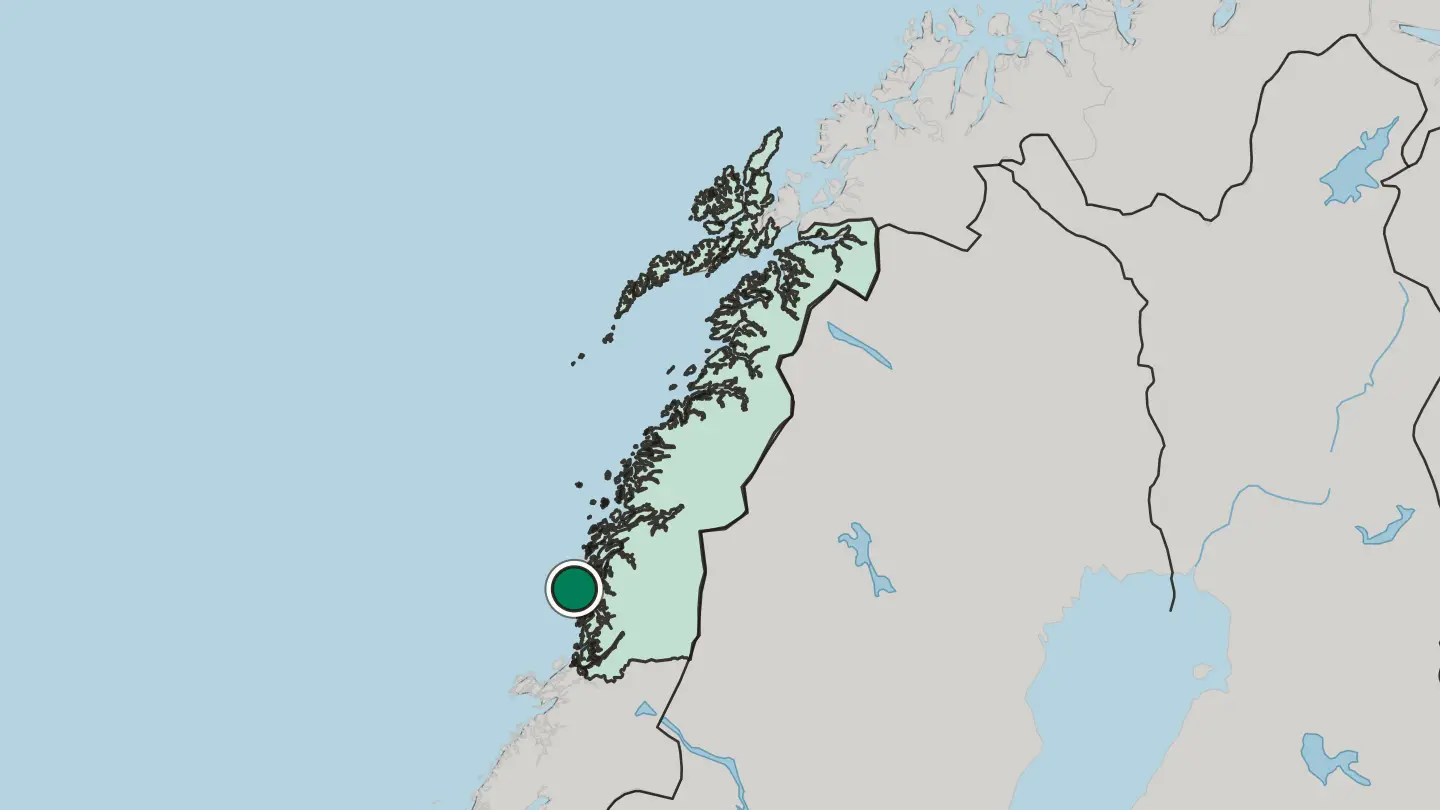
 Norway
Solfjellsjøen
Solfjellsjøen is the village centre of Dønna island in the south-western part of Nordland, a low shore of farms and churches.Where to stay →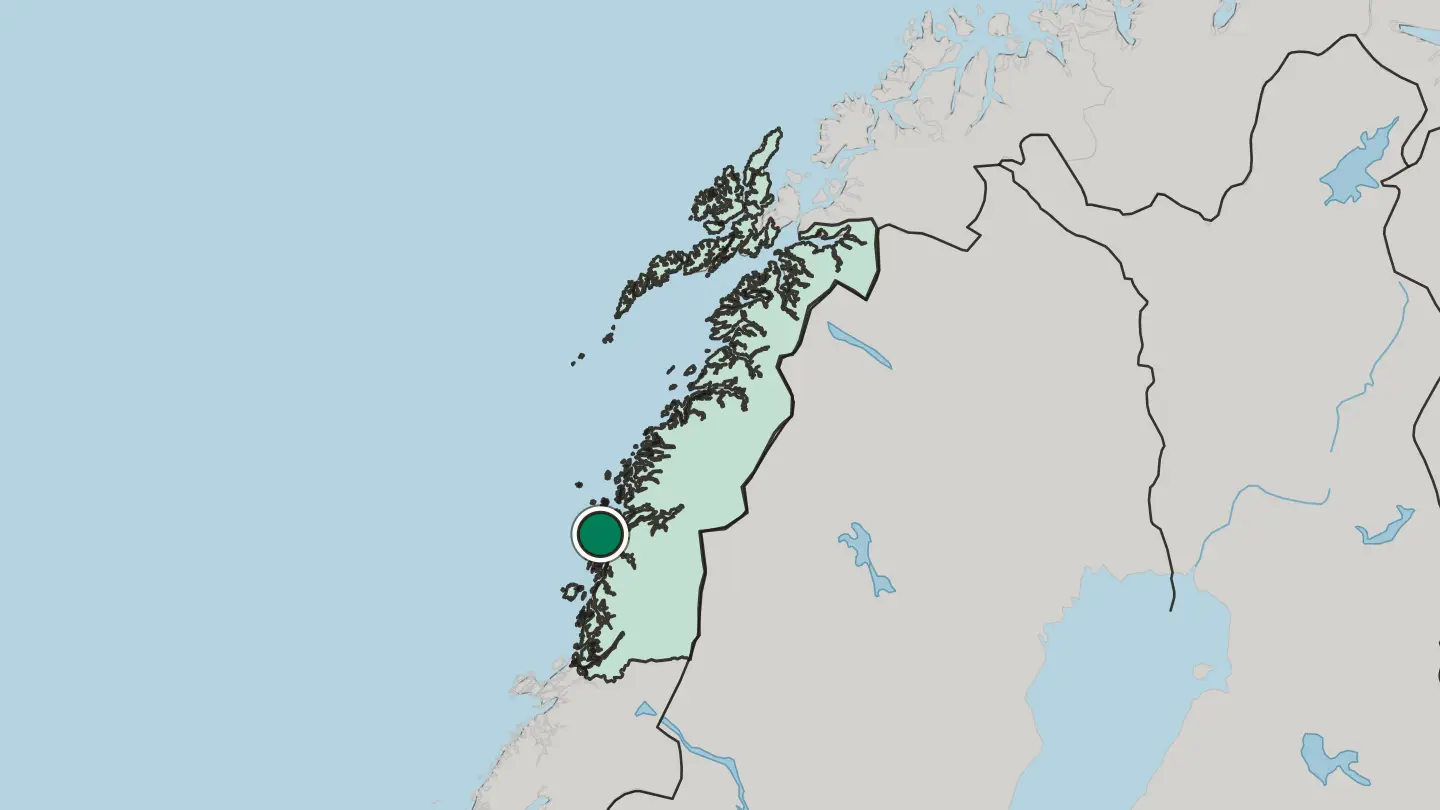
 Norway
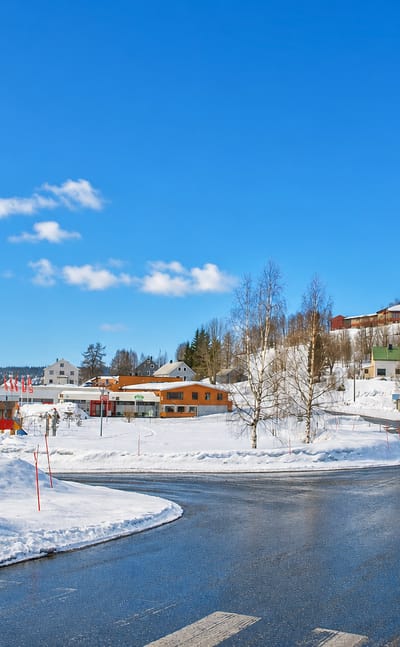
Hattfjelldal
Hattfjelldal is the centre of Hattfjelldal Municipality, an inland village in southern Nordland, northern Norway.Where to stay →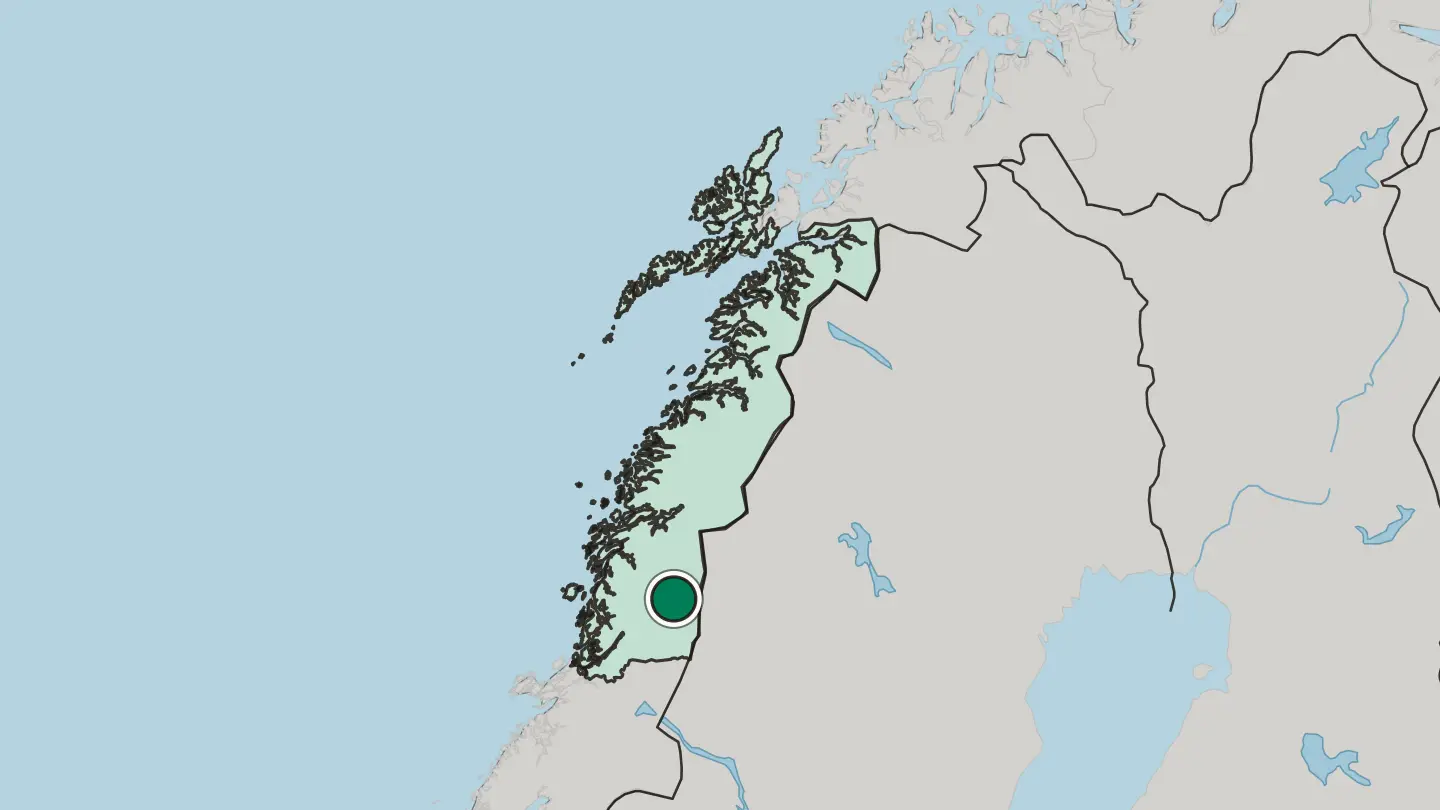
 Norway
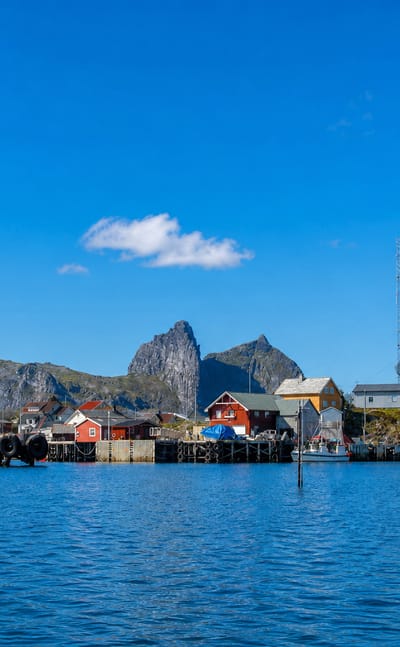
Husøya
Husøya is a small island and the centre of Træna Municipality, in the Trænfjorden off northern Norway.Where to stay →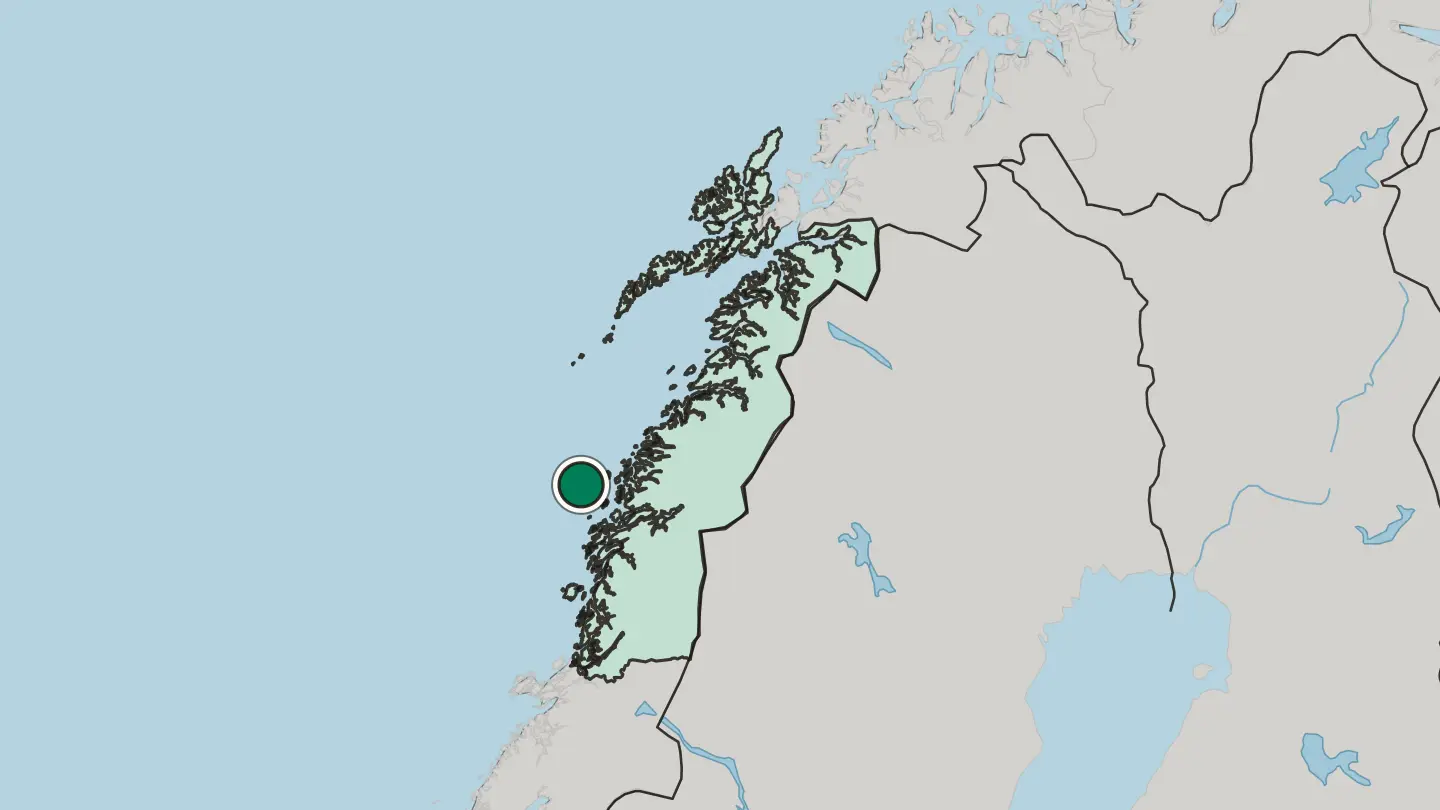
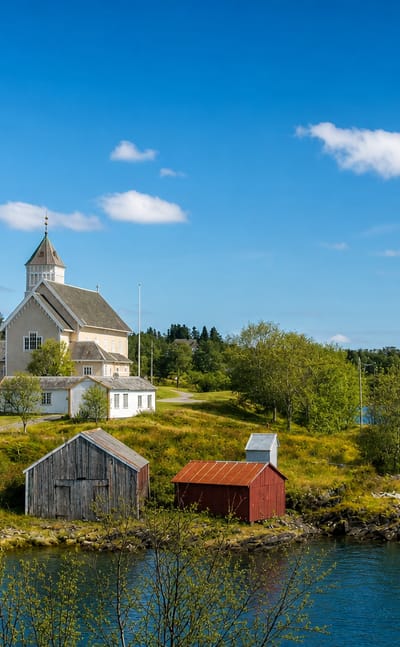 Norway
Leinesfjorden
Leinesfjorden is the administrative centre of Steigen, set along its own fjord in northern Norway.Where to stay →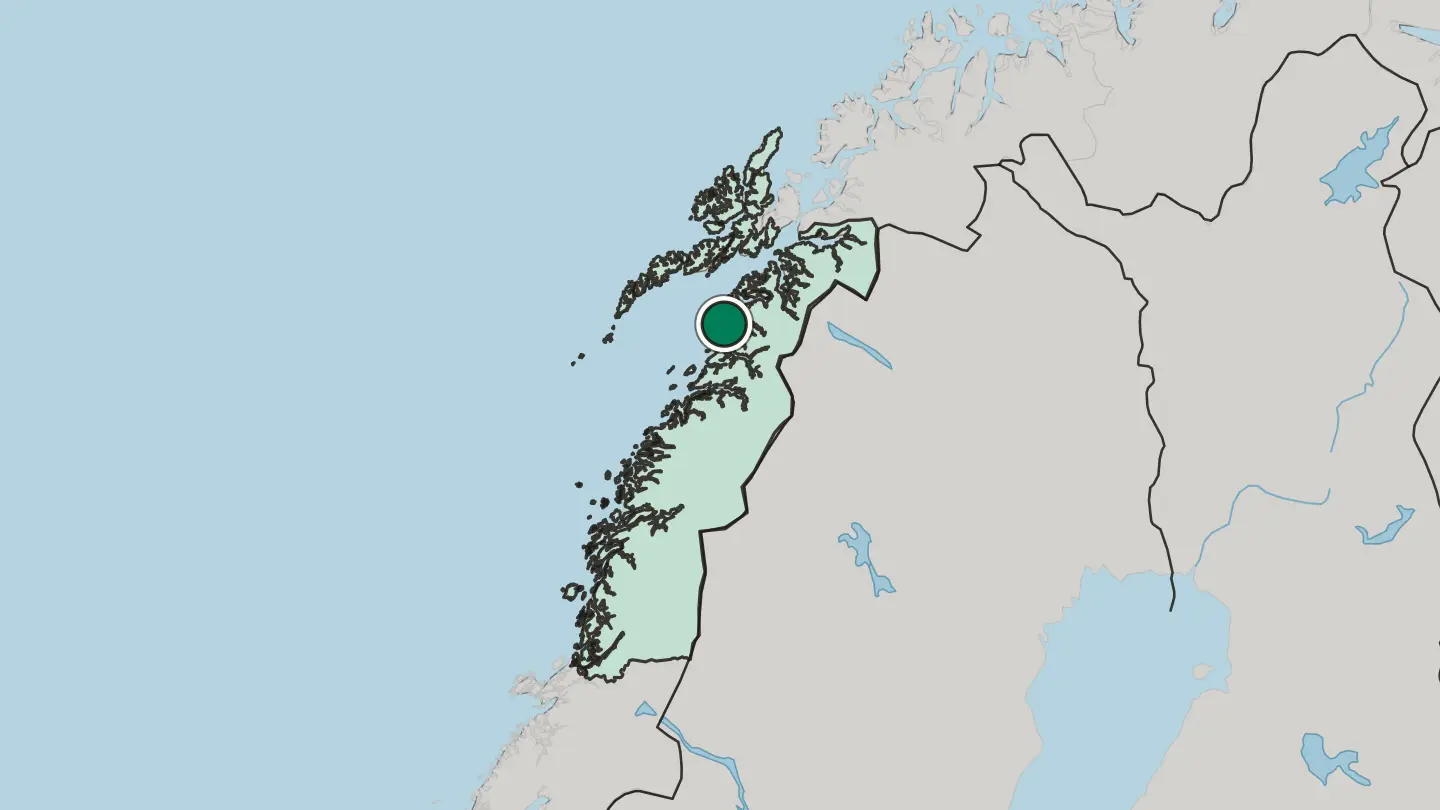
 Norway
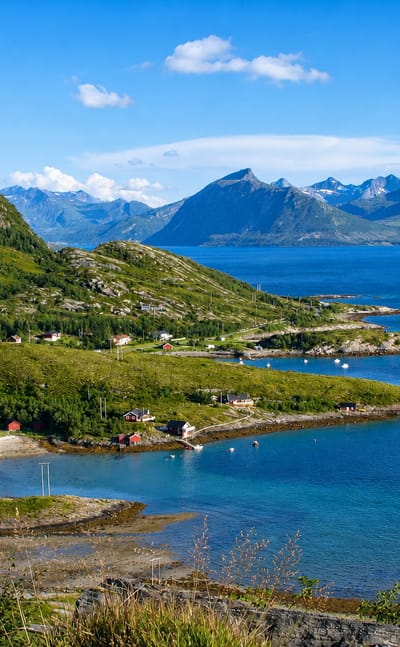
Lurøy
Lurøy is a coastal village in Lurøy Municipality, on the seaward edge of southern Nordland in northern Norway.Where to stay →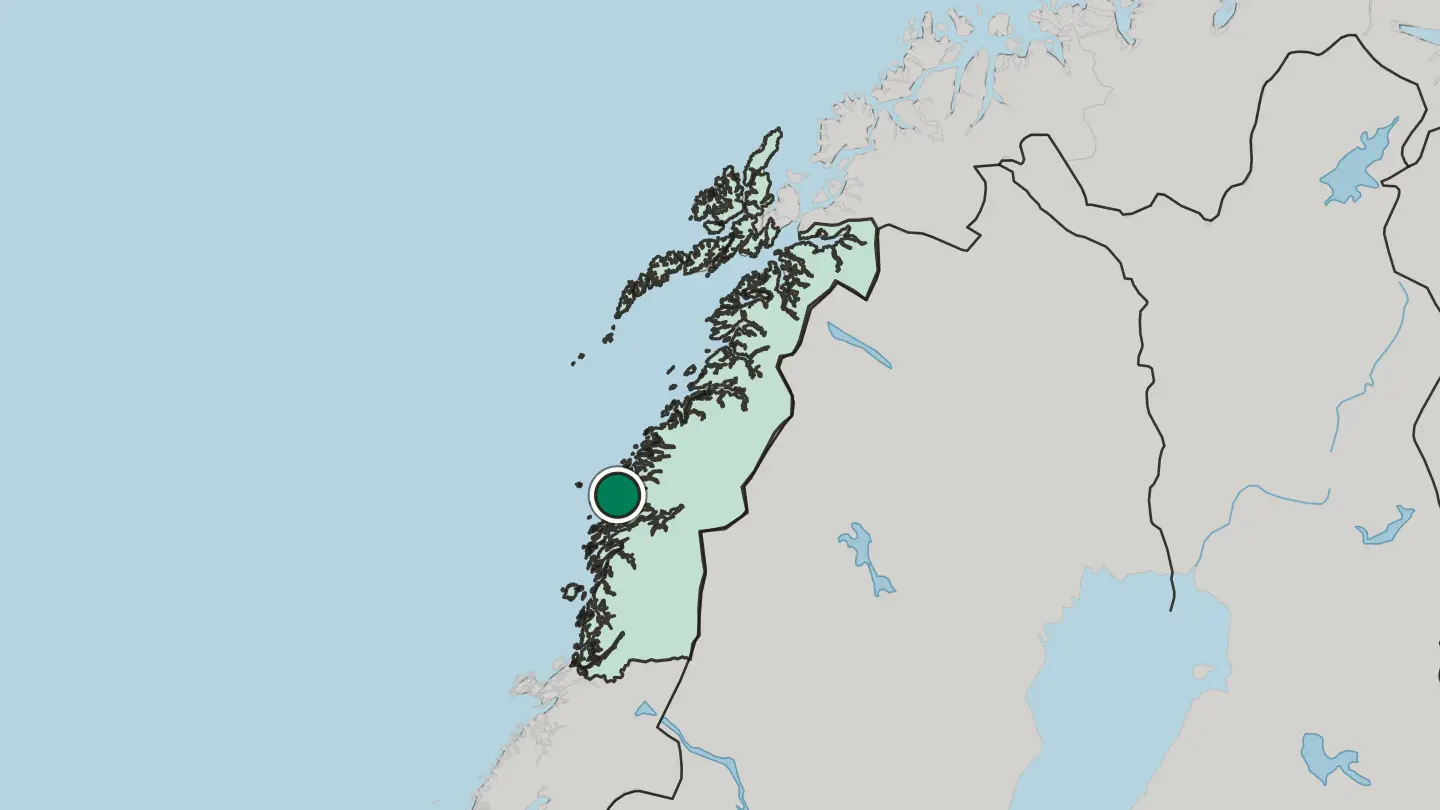
 Norway
Moldjord
Moldjord is the administrative centre of Beiarn Municipality, set along the Beiar River in northern Norway.Where to stay →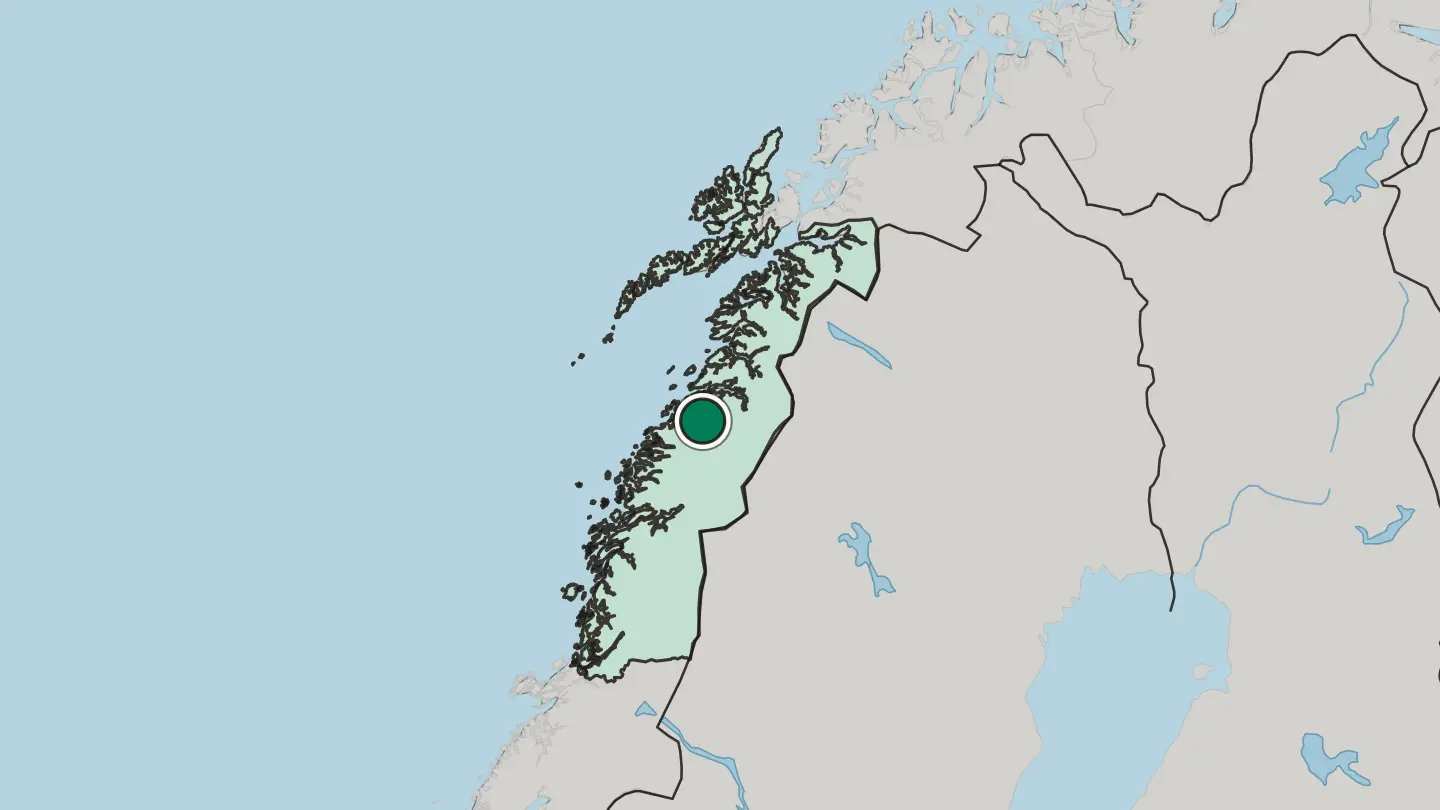
 Norway
Ramberg
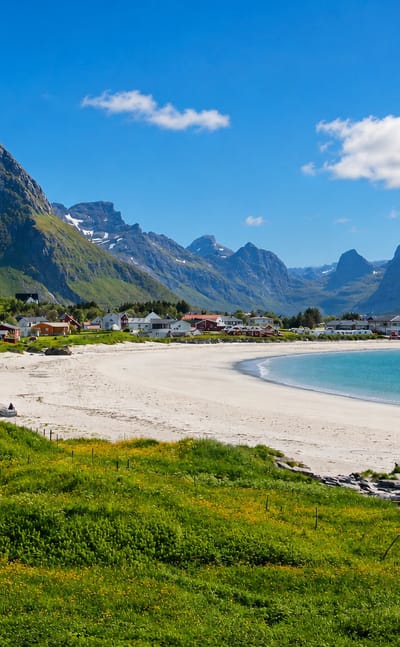
Ramberg is a Lofoten shore village in the north-western part of Nordland, the Flakstad centre set on a white-sand bay below steep peaks.Where to stay →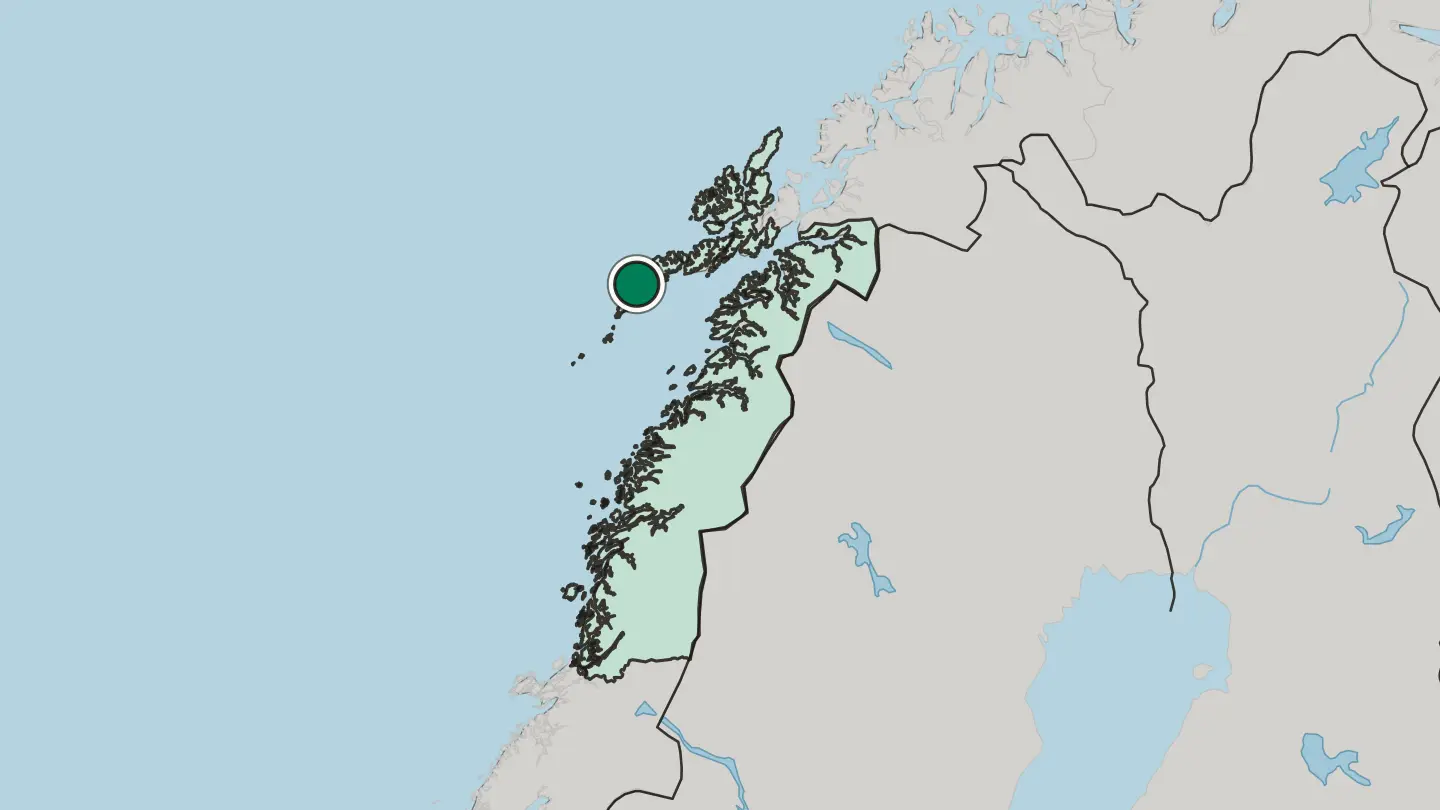
 Norway
Røst
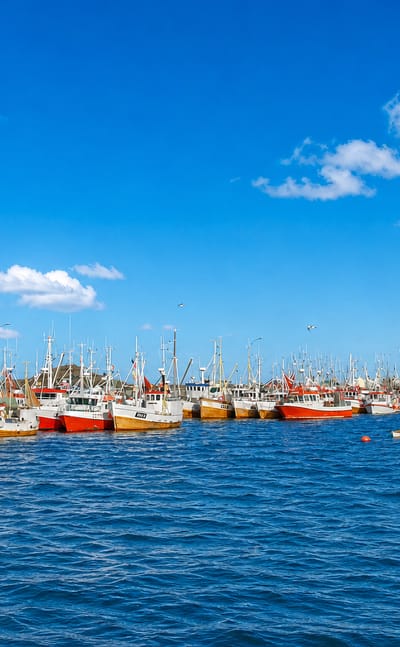
Røst is the outermost Lofoten island group in the north-western part of Nordland, a flat scatter of skerries far out at sea.Where to stay →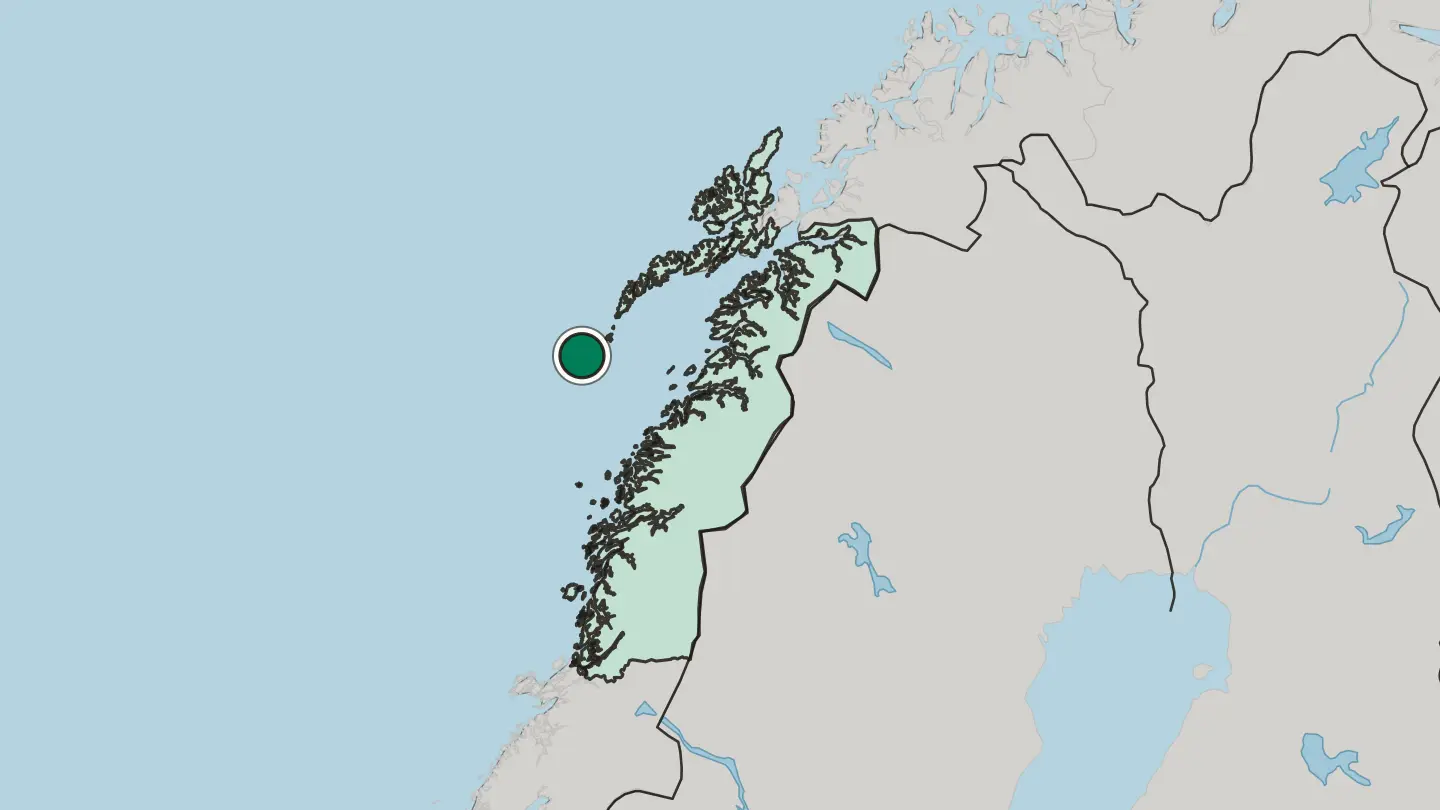 Norway
Silvalen
Silvalen is a coastal village in Herøy Municipality, on the islands of south-western Nordland in northern Norway.Where to stay →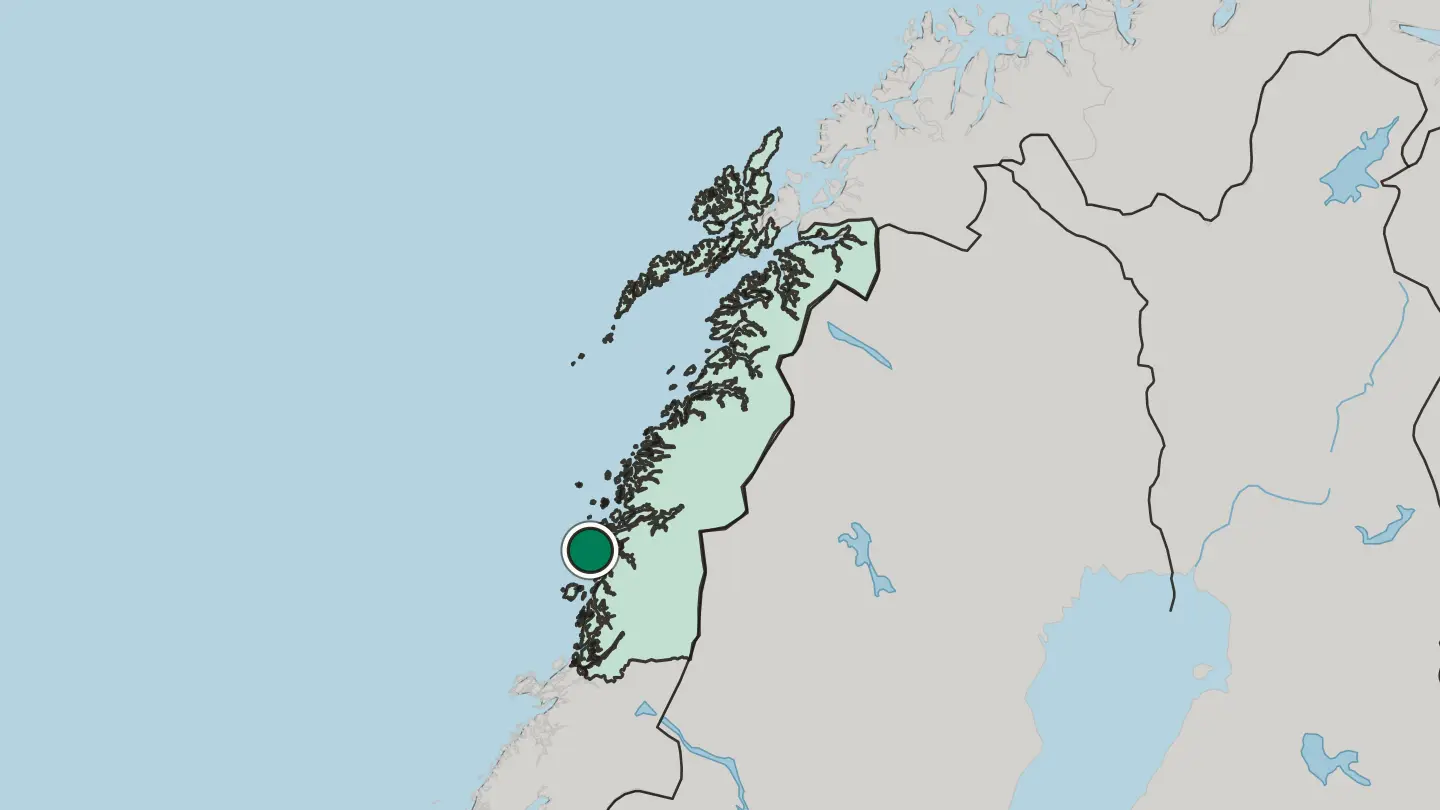
 Norway
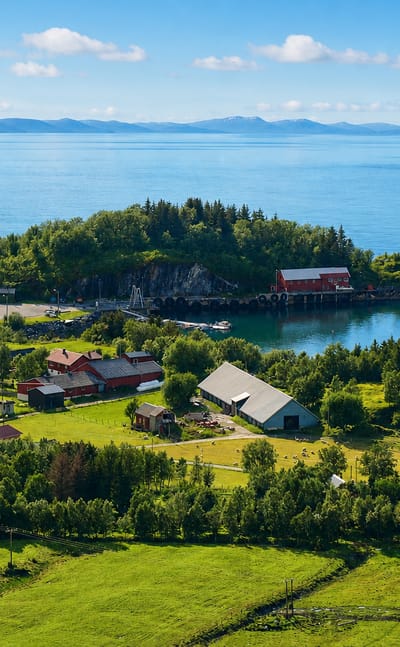
Vevelstad
Vevelstad is a small coastal municipality in Nordland, Norway, set along County Road 17 below the peaks of Lomsdal-Visten National Park.Where to stay →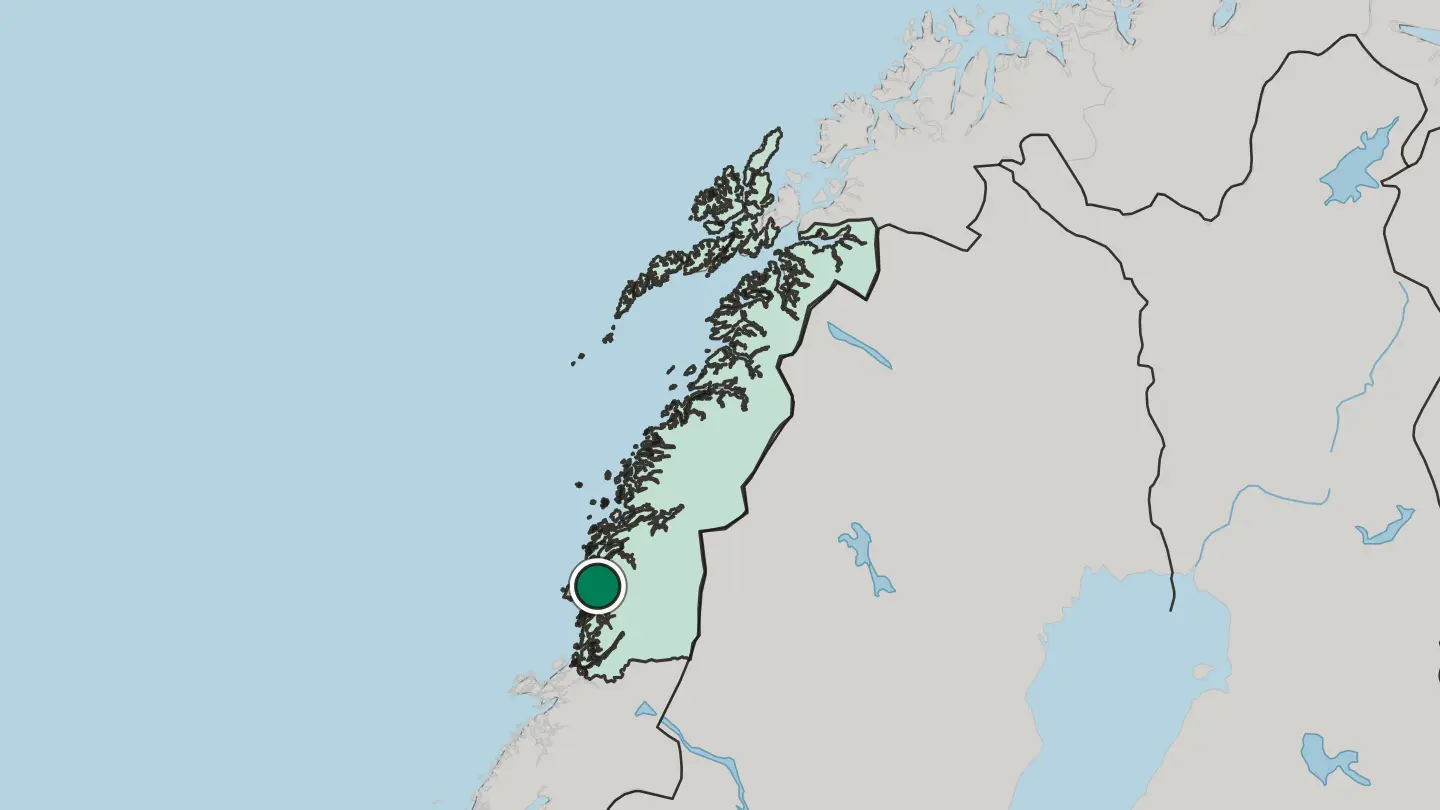 Norway
Vågaholmen
Vågaholmen is the centre of Rødøy Municipality, set on the Tjongsfjorden in western Nordland, northern Norway.Where to stay →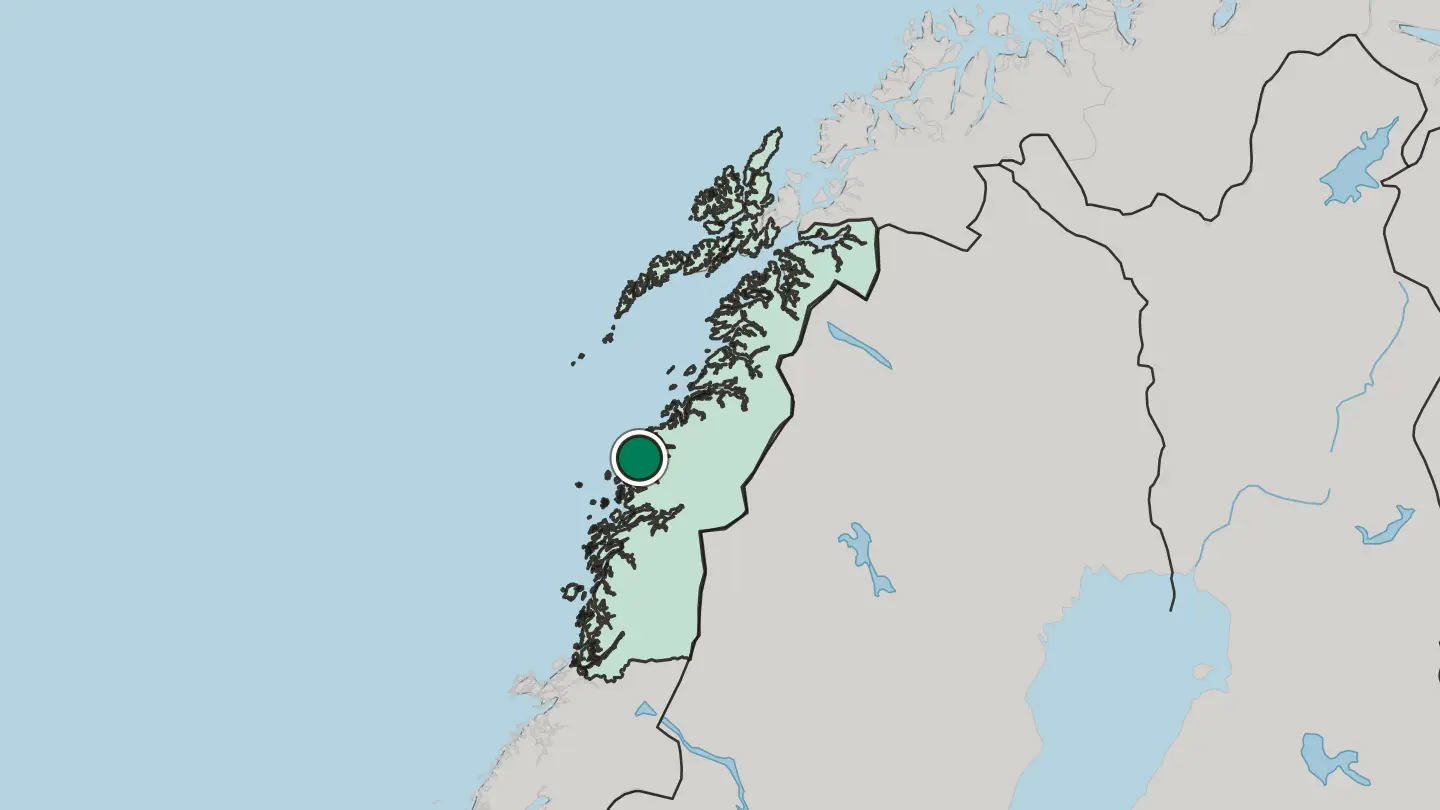
Hotel links are affiliate links: booking through them may earn us a commission, at no extra cost to you. It never affects how places are ranked. How this works
About Nordland
This is the long arm of the north.
What is Nordland known for?
Nordland reaches far up the Atlantic coast of northern Norway, one of the three northernmost counties, a narrow ribbon of mainland, fjord, and island between Trøndelag in the south and Troms in the north. Bodø serves as the seat and largest town. Narvik and Mo i Rana anchor the inland and northern reaches.
The UNESCO islands of Vega lie offshore in the south.
Where is Nordland?
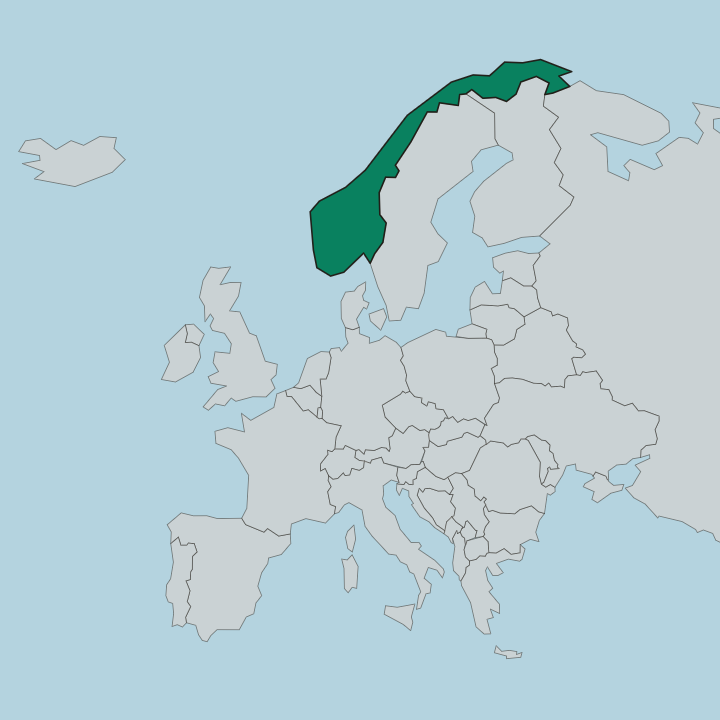
Nordland forms one of the three northernmost counties of Norway, a long, narrow stretch of the Atlantic seaboard in the Nord-Norge region. The shape is extraordinary. The county runs for hundreds of kilometres along the western ocean between Trøndelag in the south and Troms in the north, with Sweden's Norrbotten County pressing close to the east, so that in places only a thin band of mountainous mainland separates fjord from frontier.
Mainland, fjord, and island braid together. Offshore the land breaks into great archipelagos. The Lofoten and Vesterålen islands carry the towns of Svolvær, Leknes, Sortland, and Stokmarknes out into the sea, while Vega and its islands lie off the southern coast.
On the mainland Bodø sits by the ocean, Narvik holds a deep northern fjord, and Mo i Rana and Mosjøen anchor the inland south near the Swedish border. Andenes marks the far northern tip. Ocean, island, and mountain wall make the geography of Nordland.
What is Nordland like?
Fishing and the sea run deep here. The culture of Nordland grew along the Atlantic coast of northern Norway, a Nord-Norge world of fishing communities, island settlements, and the old cod trade that drew boats to the Lofoten waters for centuries, alongside the Sámi heritage of the inland north. Boat, net, and northern light shape the year.
The towns carry that maritime past. Bodø, the seat, and the Lofoten and Vesterålen ports of Svolvær, Leknes, and Sortland keep the fishing traditions of the islands strong, while Narvik holds an iron-shipping heritage on its northern fjord. Inland, Mo i Rana and Mosjøen carry industrial and farming memory near the Swedish border, and the Vega islands preserve a UNESCO-listed culture of eider-down farming off the southern coast.
Between island fishery and inland north, Nordland keeps a distinct Arctic-coast character.
What is the history of Nordland?
Fishing made Nordland. For centuries the cod fisheries of the Lofoten islands drew boats and trade up the Atlantic coast, building the fishing towns and the seasonal life of the north. Bodø grew as the regional seat by the sea.
Narvik rose later as an ice-free northern port shipping iron ore, while Mo i Rana and Mosjøen developed inland near the Swedish border. The remote island of Jan Mayen has been administered from Nordland since 1995. Sea, fish, and northern trade carried the county's long history.
What is the climate of Nordland?
The ocean keeps the coast surprisingly mild. For a county this far north, Nordland sees winters tempered by the Atlantic along the seaboard around Bodø and the Lofoten islands, though they stay dark, wet, and windy through the long polar nights. Summer brings the midnight sun.
Inland toward the Swedish border the towns of Mo i Rana and Mosjøen run colder and snowier than the coast, holding their snow far into spring, while Narvik on its northern fjord feels the harder northern cold. Weather rolls hard off the open sea.
How do you get to Nordland?
Bodø is the main gateway. The county's seat carries a busy airport and the northern terminus of the railway up from Trøndelag, and its harbour runs the coastal ferries and the crossing to the Lofoten islands. Narvik holds the ore railway from Sweden.
Mo i Rana and Mosjøen sit on the inland route north, while regional airports and ferries reach Svolvær, Leknes, Sandnessjøen, and Brønnøysund. The long county is stitched together by air, rail, road, and sea.
Common questions
What is the best area to stay in Nordland?
Bodø: first-timers wanting a northern transport base. Svolvær and Leknes: travellers heading to the Lofoten islands. Mo i Rana and Mosjøen: drivers on the inland north route.
Good for
More regions in Norway
Updated September 2026