Norway · Nordland
Where to Stay in Brønnøysund, Nordland
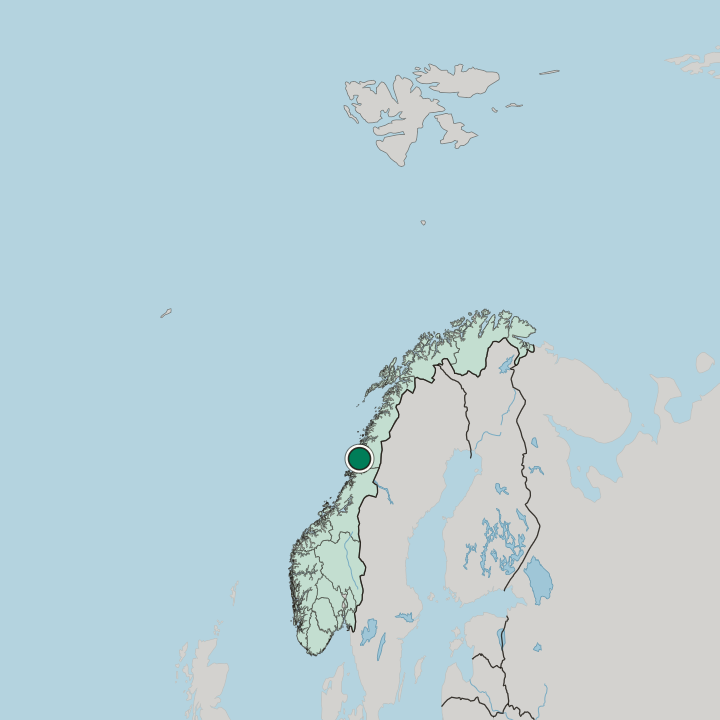
Brønnøysund is a coastal town in the south-western part of Nordland, northern Norway, and the seat of Brønnøy.
Hotel links are affiliate links: booking through them may earn us a commission, at no extra cost to you. It never affects how places are ranked. How this works


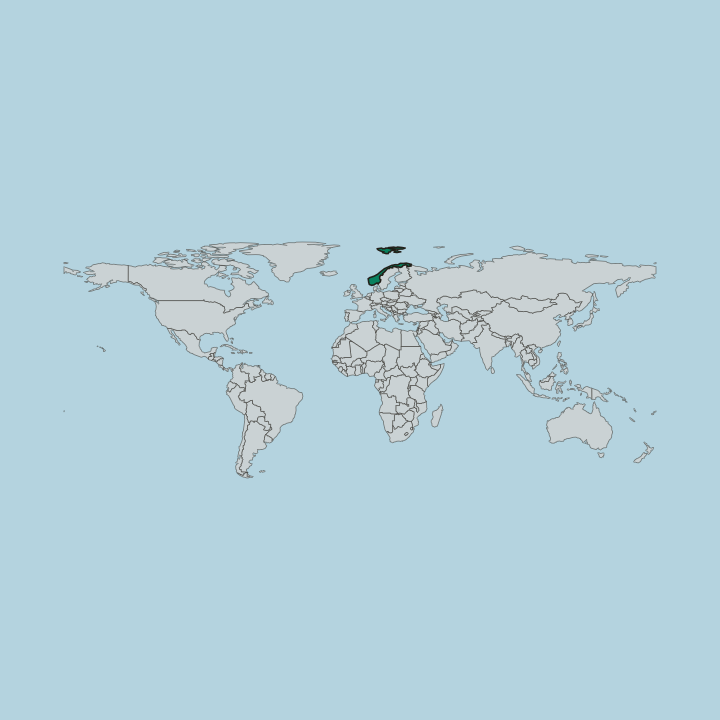
Where to stay in Brønnøysund
How the choice of base plays out on the ground.
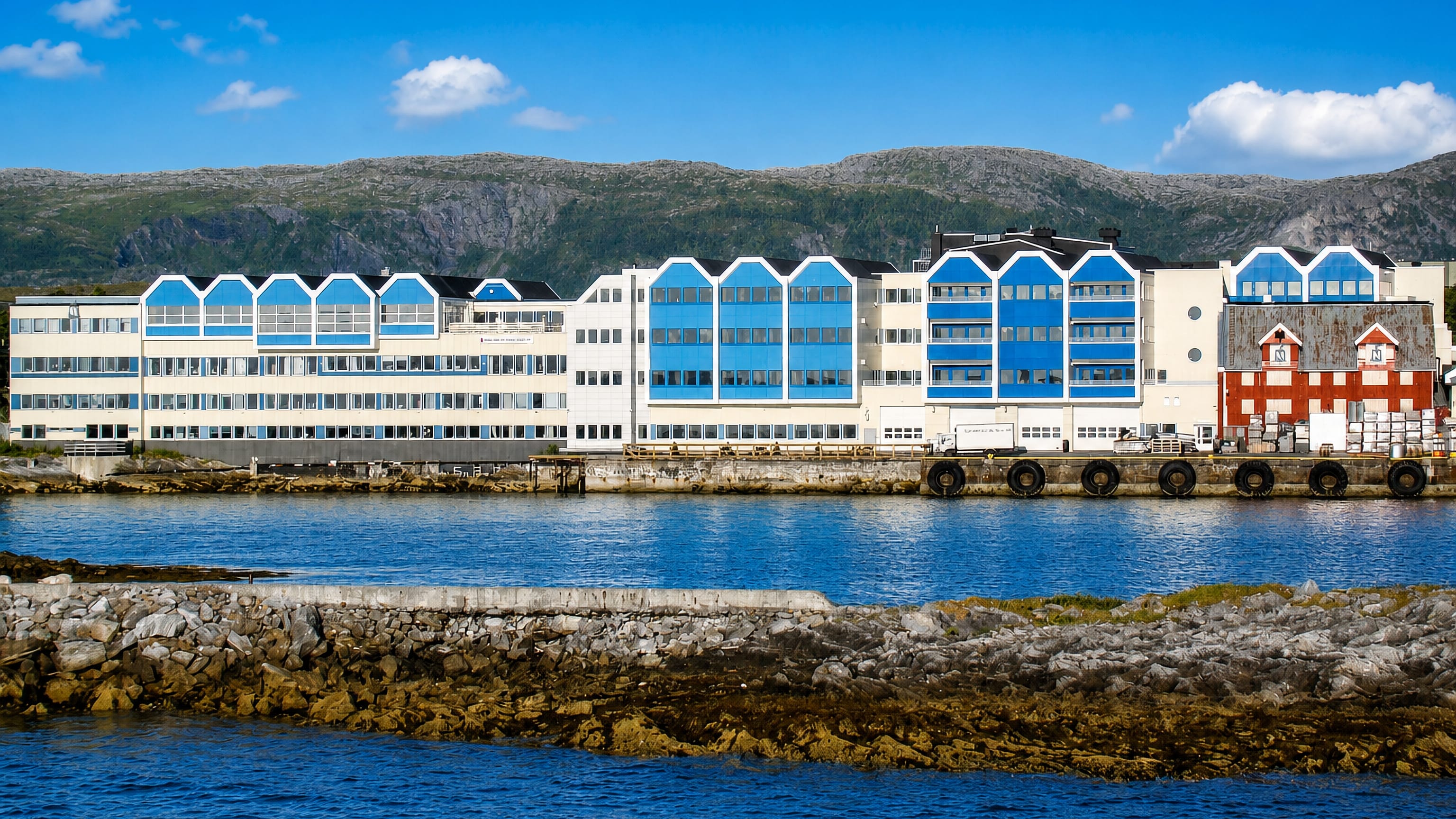
Almost everyone stays in the centre of Brønnøysund. The waterfront gathers the beds and services of the seat of Brønnøy, close to the harbour and a short walk from Brønnøy kirke, with the sea on one side and the town on the other. Base yourself here for the easiest access to the shops, the quay, and the coastal links of the south-western part of Nordland.
Walk to the church, the port, and Brønnøysund Kunstgress. The outlying parishes spread the alternatives wider. Communities served by Trælnes kapell and Skogmo kapell sit out along the coast and the inland edge of the municipality, quieter than the town and thinner on rooms.
Few rooms exist beyond Brønnøysund itself. Pick the centre first for the harbour and the heritage church. Choose an outlying base only if you want distance from the quay and a quieter corner of this stretch of northern Norway.
Either way you stay within Brønnøy.
Find hotels in Brønnøysund
Direct booking searches for these neighbourhoods.
Brønnøysund waterfront centre
The waterfront gathers the beds and services of the seat of Brønnøy, close to the harbour and a short walk from Brønnøy kirke and Brønnøysund Kunstgress.Find hotels in Brønnøysund waterfront centreQuiet outlying stays near Trælnes kapell and Skogmo kapellBrønnøy outlying parishes
The communities served by Trælnes kapell and Skogmo kapell sit along the coast and inland edge of Brønnøy, quieter than the town and thin on rooms. Few places to stay nearby — book ahead.Find hotels in Brønnøy outlying parishesHotel links are affiliate links: booking through them may earn us a commission, at no extra cost to you. It never affects how places are ranked. How this works
About Brønnøysund
This is the town centre of Brønnøy.
What is Brønnøysund known for?
Brønnøysund grew into the seat and harbour of the municipality, the place where the boats and the business of the south-western part of Nordland come together. Brønnøy kirke gives the area its old anchor, a listed heritage church, while the smaller Trælnes kapell and Skogmo kapell serve the outlying communities. The town keeps a sporting side too, with Brønnøysund Kunstgress among its grounds, a working coastal centre of northern Norway.
What are the main landmarks in Brønnøysund?
Brønnøy kirke leads the list. The listed heritage church anchors the centre and gives Brønnøysund its oldest fixed point. Two chapels serve the wider parish: Trælnes kapell on its own stretch of coast and Skogmo kapell on the inland side.
Sport has its place as well, with Brønnøysund Kunstgress among the town grounds. Together they sketch a small coastal centre of Nordland, a working town rather than a monument city in northern Norway.
What is the history of Brønnøysund?
Brønnøy kirke marks the deep root. The listed heritage church names an old parish on this coast, the religious centre of a community long before the modern town existed. For centuries the area lived by the sea, scattered along the inlets and islands of the south-western part of Nordland, with the chapels at Trælnes kapell and Skogmo kapell tending the outlying flocks.
Fishing and small trade carried the days. The town came together around the strait. Brønnøysund was established in 1923, and the harbour drew the trade and the people of Brønnøy into one centre.
From there the place grew its services, its quay, and later grounds like Brønnøysund Kunstgress. The pattern is familiar on this coast. An ancient church and a young harbour town of northern Norway, built where the sea narrows.
Where is Brønnøysund?
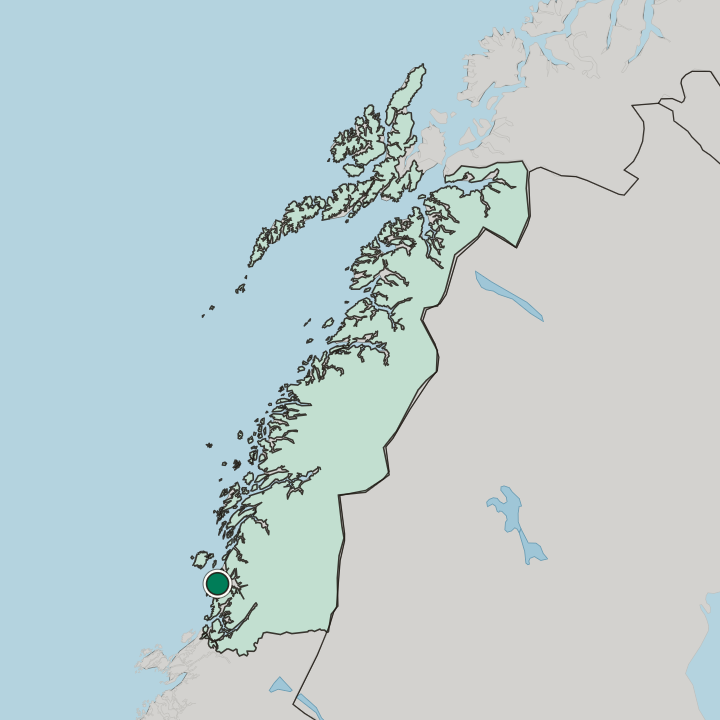
Brønnøysund stands at a coastal strait in the south-western part of Nordland. The town wraps the sheltered water of the sund, the sea threading between low shore and outlying islands, with Brønnøy kirke set back on its parish ground. The setting is maritime through and through.
Strait, harbour, and open coast frame the centre, a subpolar piece of northern Norway where the water reaches into the heart of the town.
What is the climate of Brønnøysund?
Brønnøysund carries a subpolar coastal climate, tempered by the open sea that surrounds it. The water keeps winters wetter and milder than the inland fells of Nordland, trading hard frost for wind and rain off the ocean, while summers stay cool under the long northern light. The weather rarely settles.
Squalls and clear breaks chase each other across the strait, and the sea around the town softens the cold of this corner of northern Norway.
How do you get to Brønnøysund?
Brønnøysund works as a coastal gateway for Brønnøy. The town sits on the sea routes that thread the south-western part of Nordland, with boats putting in at the harbour beside the centre. Come in by the water.
From the quay the shops, Brønnøy kirke, and the rest of the seat are an easy walk, and onward coastal links carry travellers up and down this shore of northern Norway.
Common questions
What is the best area to stay in Brønnøysund?
Brønnøysund waterfront centre: Harbour-side stays by Brønnøy kirke in the seat of Brønnøy. Brønnøy outlying parishes: Quiet outlying stays near Trælnes kapell and Skogmo kapell.
Good for
More cities in Nordland
Updated October 2026