Norway · Nordland
Where to Stay in Stokmarknes, Nordland
Stokmarknes is an island town on the Norwegian Sea coast in northern Norway, the seat of Hadsel in Vesterålen.
Hotel links are affiliate links: booking through them may earn us a commission, at no extra cost to you. It never affects how places are ranked. How this works


Where to stay in Stokmarknes
Where visitors usually base themselves, and why.
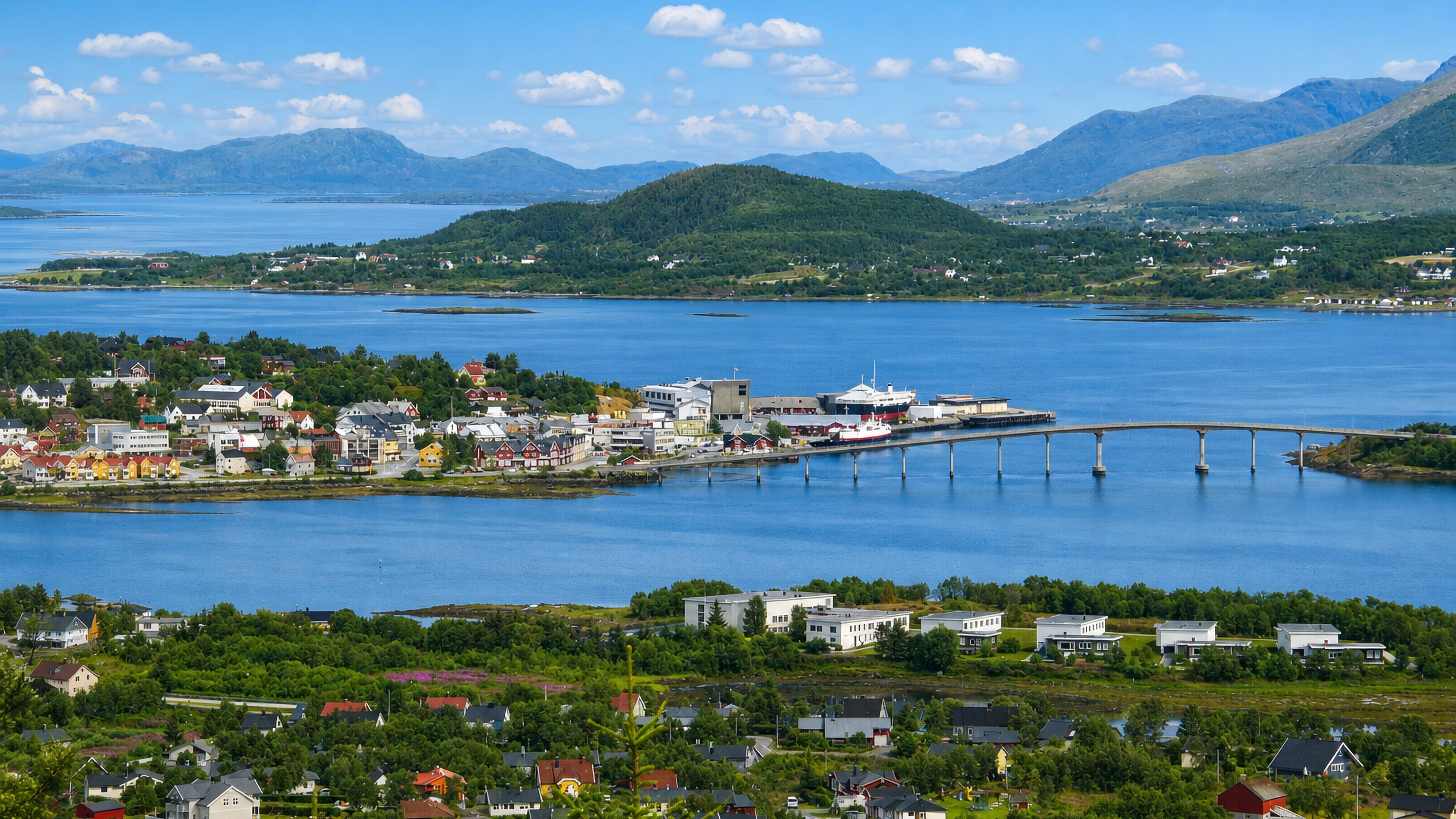
The town centre on Hadseløya is the natural base. It gathers the beds and services of the seat of Hadsel by the water, with the Hurtigrutemuseet on the quay and the bridge across to little Børøya close by. Stay here for the easiest reach to the coastal-ship museum, the harbour, and the links along the Norwegian Sea coast.
The centre puts the port and the museum within a short walk. Melbu and the parish villages open the wider choice. Down at Melbu the Norsk Fiskeindustrimuseum and Melbu kirke sit on their own stretch of shore, while Hadsel kirke and Grønning kirke anchor older communities across the municipality.
Beds are scarce beyond the centre. Pick Stokmarknes itself first for the quay and the Hurtigrutemuseet. Choose Melbu if you want the fishing museum and a quieter base in this corner of Vesterålen and northern Norway.
Both keep you within Hadsel.
Find hotels in Stokmarknes
Direct booking searches for these neighbourhoods.
Stokmarknes centre
The centre gathers beds by the water on Hadseløya, with the Hurtigrutemuseet on the quay and the bridge across to little Børøya close by.Find hotels in Stokmarknes centreQuieter shore stays by the Norsk Fiskeindustrimuseum and Melbu kirkeMelbu
Down at Melbu the Norsk Fiskeindustrimuseum and Melbu kirke sit on their own stretch of shore, away from the Stokmarknes quay within the same Hadsel municipality. Rooms are few around here — worth securing early.Find hotels in MelbuHotel links are affiliate links: booking through them may earn us a commission, at no extra cost to you. It never affects how places are ranked. How this works
About Stokmarknes
The coastal ships made its name.
What is Stokmarknes known for?
Stokmarknes holds the Hurtigrutemuseet, the museum of the coastal express line, the headline draw of this town on the Norwegian Sea coast. It is the seat of Hadsel, spread across the island of Hadseløya and neighbouring Børøya in Vesterålen. Heritage churches ring the municipality: Hadsel kirke, Grønning kirke, and Melbu kirke, with the Norsk Fiskeindustrimuseum down at Melbu recording the fishing trade of northern Norway.
What are the main landmarks in Stokmarknes?
The Hurtigrutemuseet leads everything. The museum of the coastal express line sits on the Stokmarknes quay and draws most visitors to the town. Two fishing-and-faith threads run alongside it: the Norsk Fiskeindustrimuseum at Melbu records the industry, while Hadsel kirke, Grønning kirke, and Melbu kirke mark the listed heritage churches of the parish.
Together they sketch a maritime town of Vesterålen, set on the Norwegian Sea coast of northern Norway.
What is the history of Stokmarknes?
The sea wrote the first chapters. The old parish of Hadsel gathered around Hadsel kirke, with Grønning kirke and Melbu kirke serving the wider island communities, while fishing carried the daily living along the Norwegian Sea coast. Down at Melbu the trade grew large enough to leave the Norsk Fiskeindustrimuseum as its record.
Catch, salt, and the coastal boats ran the years on Hadseløya. The coastal express changed the harbour's fortunes. Stokmarknes grew as a calling point on the line whose story the Hurtigrutemuseet now keeps, and the town added the quays and services of a regional centre across Hadseløya and Børøya.
Town status came in 2000. From a fishing harbour the place became the seat of Hadsel, a maritime town of Vesterålen and northern Norway whose past is read in the catch and the coastal ships as much as in the churches.
Where is Stokmarknes?
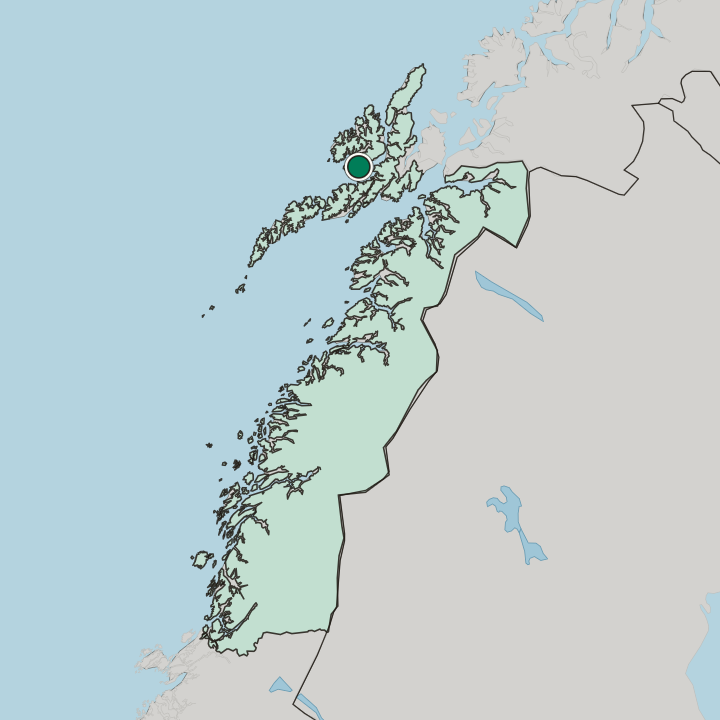
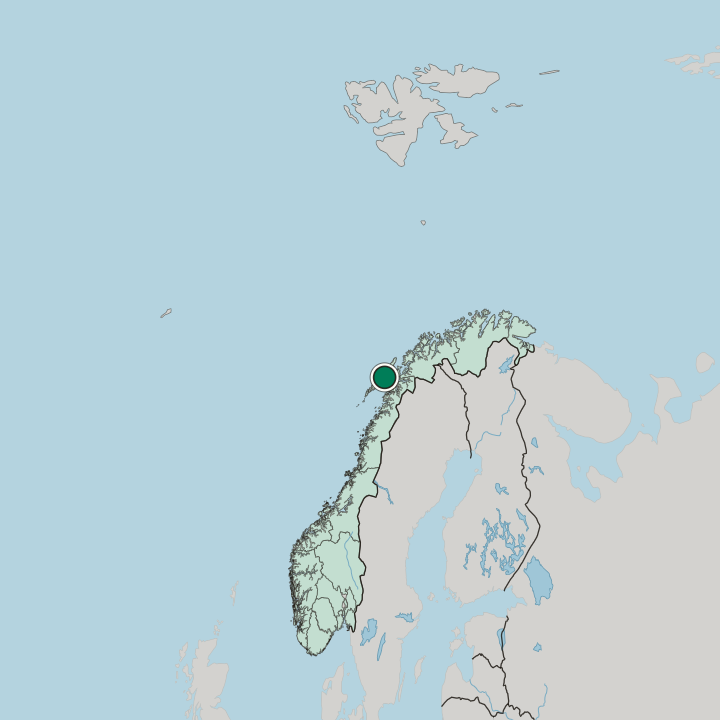
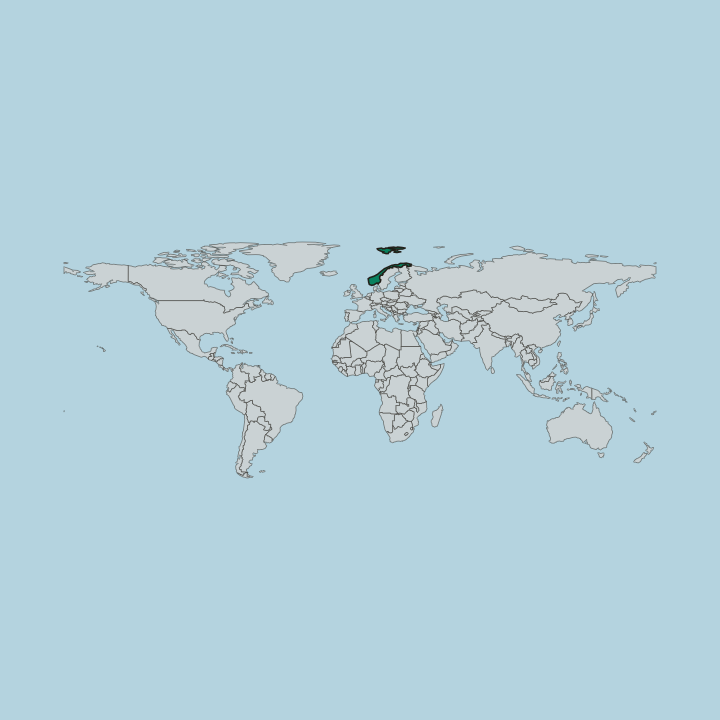
Stokmarknes sits on the northern shore of Hadseløya, reaching onto the small neighbouring island of Børøya in the Vesterålen archipelago. The town faces the Norwegian Sea coast in the northern part of Nordland, water threading between the islands and peaks rising around them. The setting is wholly maritime.
Island, strait, and open sea define it, a polar pocket of northern Norway where the coast wraps the town on almost every side.
What is the climate of Stokmarknes?
Stokmarknes lies in the polar band, yet the Norwegian Sea keeps it far milder than its far-north place would suggest. The open water trades hard inland frost for wind, rain, and changeable skies, with short dark winter days and long bright summer light across Hadseløya. Storms blow in off the sea.
The surrounding ocean holds the worst of the freeze away from the harbour, softening the cold of this corner of northern Norway.
How do you get to Stokmarknes?
Stokmarknes is a coastal calling point and the seat of Hadsel. The town sits on the sea routes of Vesterålen, the coastal ships putting in at the quay beside the Hurtigrutemuseet. Arrive by the water.
From the harbour on Hadseløya the museum, the shops, and the bridge to Børøya are an easy walk, and onward links carry travellers along the Norwegian Sea coast of northern Norway.
Common questions
What is the best area to stay in Stokmarknes?
Stokmarknes centre: Quay-side stays by the Hurtigrutemuseet on Hadseløya. Melbu: Quieter shore stays by the Norsk Fiskeindustrimuseum and Melbu kirke.
Good for
More cities in Nordland
Updated September 2026