Norway · Nordland
Where to Stay in Sortland, Nordland
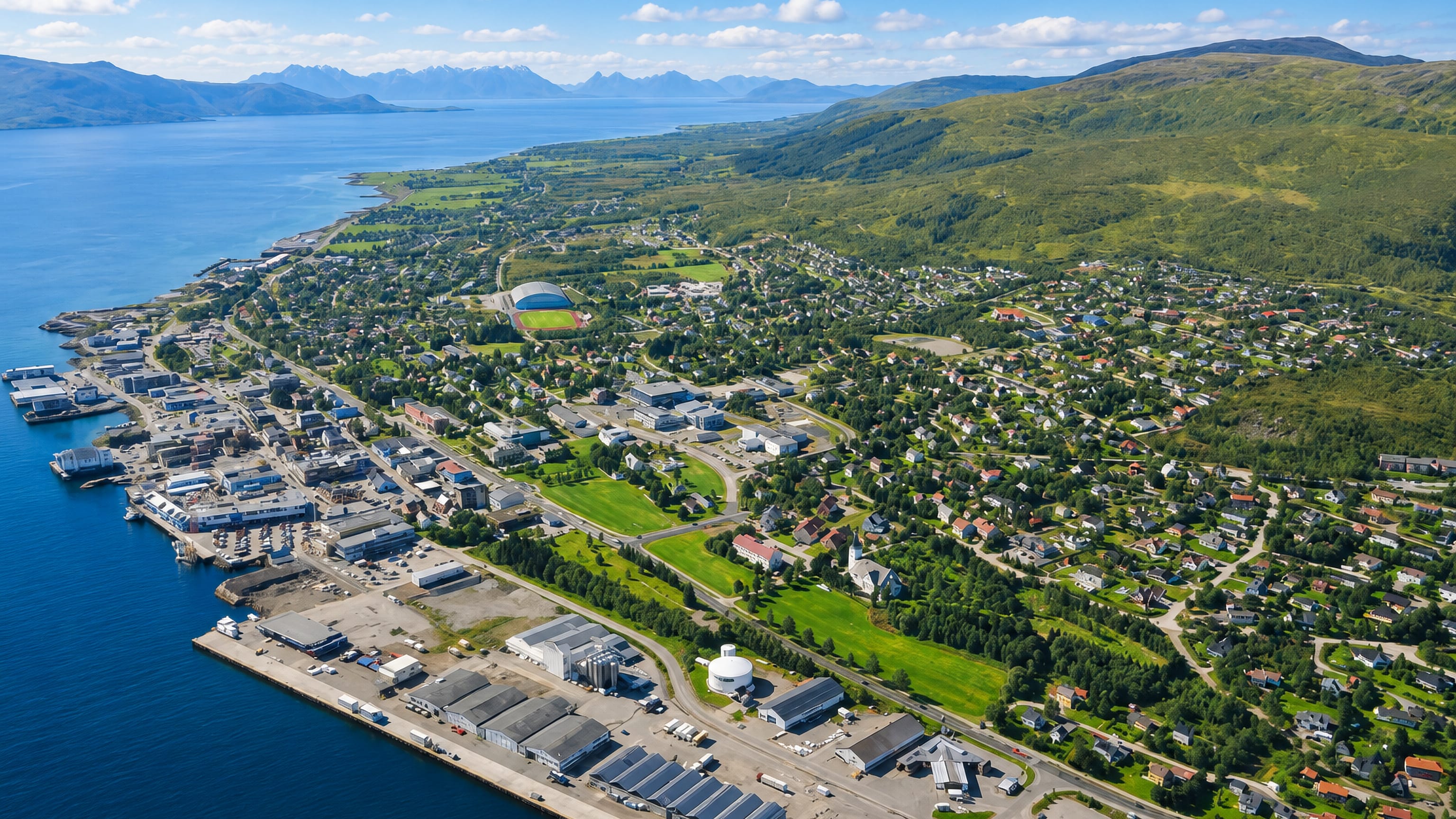
Sortland is the main town of the Vesterålen region, set on the island of Langøya in northern Norway.
Hotel links are affiliate links: booking through them may earn us a commission, at no extra cost to you. It never affects how places are ranked. How this works


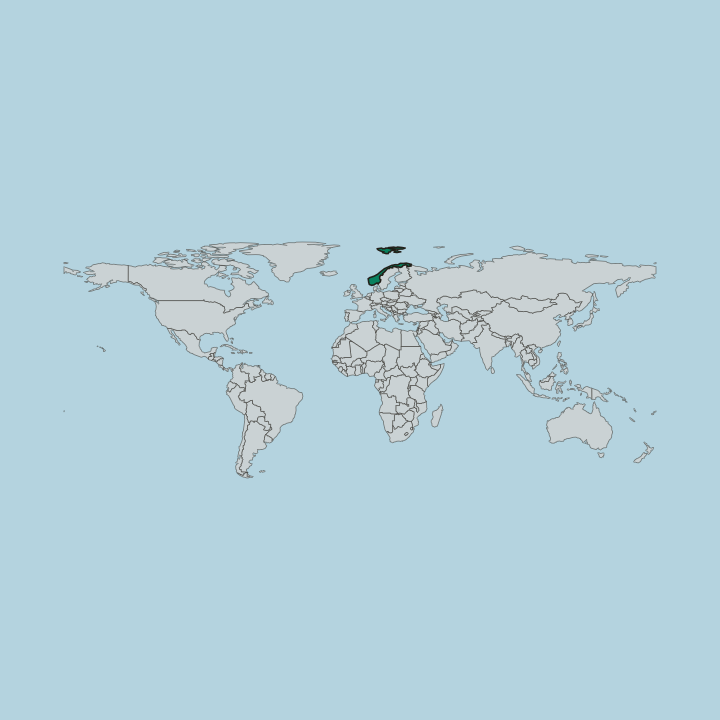
Where to stay in Sortland
How the choice of base plays out on the ground.
The centre sits by the strait. Sortland keeps its hotels in the compact downtown beside the sound, within sight of the bridge and the quay, the natural base for reaching the rest of the Vesterålen islands, and it suits a stay when you want the harbour, the shops, and the boats out to the region all within a short walk. Stay central and the water is at the door.
The parishes spread along the fjords. South toward Sigerfjord, the settlement around Sigerfjord Church lines a quieter inlet off the main strait, an easy drive from the town centre. East across the bridge, Indre Eidsfjord and its church sit at the head of a long arm on the far shore.
Up behind town, the Ånstadblåheia skitrekk ski lift climbs the slope above Langøya, with Sortland idrettspark below it. Pick the strait-side centre for the boats, the fjord arms for the quiet.
Find hotels in Sortland
Direct booking searches for these neighbourhoods.
Sortland strait-side centre
the compact downtown beside the Sortland sound, the harbour and quay onto Vesterålen on footFind hotels in Sortland strait-side centrea quiet inlet base south of the townSigerfjord
the calm settlement around Sigerfjord Church off the main strait. Lodging is scarce in this area; reserve in advance.Find hotels in Sigerfjordtravellers wanting the far-shore fjord headIndre Eidsfjord
the ground at the head of the long arm by Indre Eidsfjord Church east of Sortland. Few places to stay nearby — book ahead.Find hotels in Indre EidsfjordHotel links are affiliate links: booking through them may earn us a commission, at no extra cost to you. It never affects how places are ranked. How this works
Things to do in Sortland
Ranked by global recognition; descriptions from Wikidata (CC0).
Churches & Religious Sites
3- Sortland Church Heritage
- Sigerfjord Church Heritage
- Indre Eidsfjord Church Heritage
Stadiums & Sports
2- Sortland idrettspark
- Ånstadblåheia skitrekk
worth knowingacross 2 categories in Sortland
About Sortland
Sortland is the hub of Vesterålen.
What is Sortland known for?
The town stands on a strait on the island of Langøya in north-eastern Nordland, the gathering point for an island region of fishing villages and open water. A bridge links it across the sound. Sortland Church anchors the centre, while Sigerfjord Church and Indre Eidsfjord Church serve the outlying fjord arms nearby.
An island town on the northern straits.
What are the main landmarks in Sortland?
The churches mark the parishes. Sortland Church stands at the heart of the town on Langøya, while Sigerfjord Church and Indre Eidsfjord Church watch over the smaller settlements along the fjord arms of this corner of Vesterålen. Sport fills the heights and the flats.
The Ånstadblåheia skitrekk lift climbs the slope above the strait, and Sortland idrettspark gathers the town's games on the level ground below in north-eastern Nordland.
What is the history of Sortland?
Sortland grew up around its strait. The settlement took root where a narrow sound divides the island of Langøya from its neighbour in north-eastern Nordland, a sheltered crossing point that drew fishing and coastal trade together long before any town existed. The boats made the place.
Sortland Church rose at the centre of the parish, with Sigerfjord Church and Indre Eidsfjord Church serving the scattered farms along the surrounding fjord arms. Over time the strait town became the hub of its region. The crossing and the harbour pulled the trade of the island region toward Sortland, and once a bridge spanned the sound the town settled into its role as the gathering point for the whole of Vesterålen, the place where the islands meet.
The Ånstadblåheia skitrekk and Sortland idrettspark came later for the growing community. From a fishing parish on a Langøya strait, Sortland became the working centre of the Vesterålen islands.
Where is Sortland?
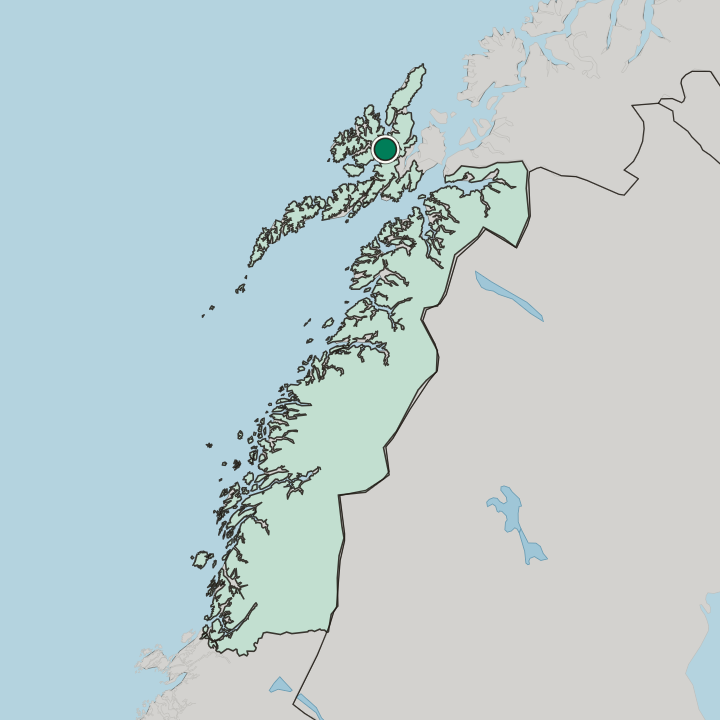
Sortland sits on a strait. The town lines a narrow sound on the eastern side of the island of Langøya in north-eastern Nordland, with a bridge carrying the road across the water to the neighbouring island. Mountains rise behind it.
The Vesterålen region scatters its islands and fjords around the town, and the arms of Sigerfjord and Indre Eidsfjord reach inland from the main strait between the surrounding peaks.
What is the climate of Sortland?
Sortland has a mild island climate. The open water of the Vesterålen straits around Langøya tempers the cold, giving the town cool, breezy summers and winters gentler than the inland reaches of Nordland keep. Wind comes off the sea.
The midnight sun lights the strait through the high-summer weeks before the long polar dark settles over the islands, and the surrounding mountains hold their snow for the Ånstadblåheia slope well into spring.
How do you get to Sortland?
The bridge ties Sortland to the islands. The road crosses the strait at the town, linking Langøya to its neighbour and feeding the route that threads the whole of Vesterålen, so most travellers reach the town by car along the island chain. Boats work the sound.
Coastal craft call at the harbour beside the centre, while a small airfield in the region carries flights into this part of Nordland. Roads and ferries from across Vesterålen converge on the strait town.
Common questions
What is the best area to stay in Sortland?
Sortland strait-side centre: a first stay near the bridge and the island boats. Sigerfjord: a quiet inlet base south of the town. Indre Eidsfjord: travellers wanting the far-shore fjord head.
Good for
More cities in Nordland
Updated October 2026