Philippines · Calabarzon
Where to Stay in Antipolo, Calabarzon
Antipolo is a highland city above a plateau, capital of Rizal and the largest city of Calabarzon, with Manila spread out below.
Hotel links are affiliate links: booking through them may earn us a commission, at no extra cost to you. It never affects how places are ranked. How this works


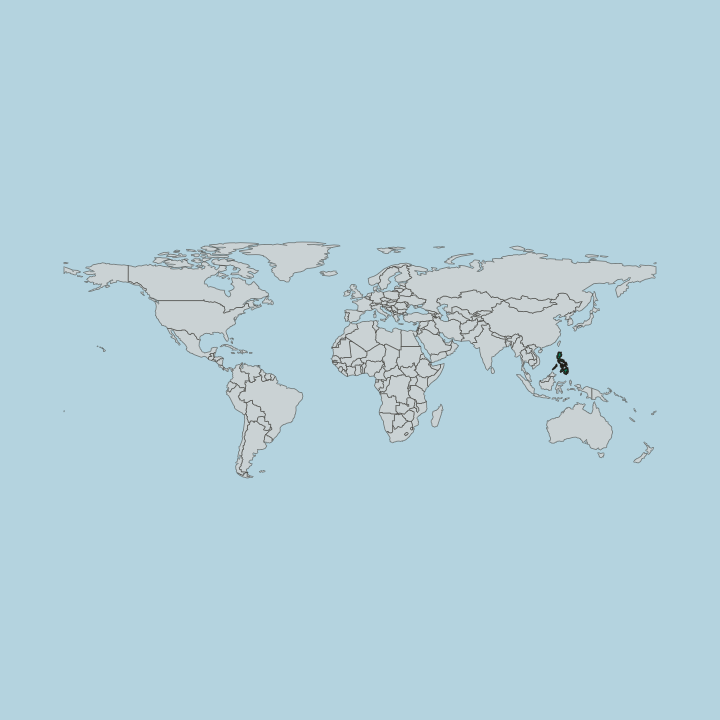
Where to stay in Antipolo
The practical side of choosing where to sleep.
The Pintô Art Museum sets the tone up here. Antipolo's own draw is the highland ground and what has been built on it, and a room near the Pintô Art Museum puts a visitor in the part of the city that people actually come up for. The view is the amenity.
A scenic outlook over the metropolis is what the plateau gives, and it is the one thing worth checking before an address up here is booked at all. The city covers a lot of ground. Three hundred and six square kilometres put a wide spread of highland between one end of the City of Antipolo and the other, so an address matters more here than in a compact town.
The Ynares Center pulls its own crowd. Events there fill rooms on their own schedule, so anyone arriving for one should book close rather than gamble on the climb up from Marikina or Pasig. Day trips run outward.
The Angono Petroglyphs and the Casa Santa Museum are the kind of stop a base in Antipolo makes easy, and the spread of the city means most of them need a vehicle. Stay high, drive down.
Find hotels in Antipolo
Direct booking searches for these neighbourhoods.
Around the Pintô Art Museum
The Pintô Art Museum is the draw Antipolo owns outright on the plateau, and a bed near it needs no descent into the metropolisFind hotels in Around the Pintô Art MuseumNights tied to whatever fills the Ynares CenterNear the Ynares Center
The Ynares Center runs on an event calendar of its own, and the rooms around it fill with it rather than with the seasonFind hotels in Near the Ynares CenterWaking to the outlook Antipolo has over ManilaThe plateau edge
Two hundred metres of height only turn into a view where the plateau breaks towards the metropolis below. Beds are limited here, so book early.Find hotels in The plateau edgeDrivers running out to the Angono Petroglyphs and the Casa Santa MuseumThe outer City of Antipolo
Three hundred and six square kilometres of highland spread the City of Antipolo far enough that a vehicle stops being optional. Beds are limited here, so book early.Find hotels in The outer City of AntipoloHotel links are affiliate links: booking through them may earn us a commission, at no extra cost to you. It never affects how places are ranked. How this works
About Antipolo
Height is the whole point.
What is Antipolo known for?
Antipolo sits on high ground about two hundred metres above sea level, which is what makes it a break from Manila rather than an extension of it, and the view back over the metropolis is the reason people climb up. Rizal governs from here. The City of Antipolo is the capital of the province and the largest city Calabarzon has, which puts provincial business and highland air in the same place.
What are the main landmarks in Antipolo?
Art first, up on the plateau. The Pintô Art Museum and the Casa Santa Museum head the collections on Antipolo's list, and the Angono Petroglyphs are the oldest thing anywhere near the city. The neighbours crowd in.
Marikina and Pasig add the Marikina Shoe Museum, the Pasig City Museum and the Santo Rosario de Pasig Church within easy reach, and the Ynares Center takes the events that no museum could hold.
What is the history of Antipolo?
Rock carvings came long before the town. The Angono Petroglyphs are the oldest entry on the record for this part of Rizal, and every other name on the list, church or museum or arena, arrived centuries after the carvings did. The town's own date is 1650.
Antipolo has carried that founding year since, and the churches on the local list, Santo Tomas de Villanueva Church among them, belong to the long stretch that followed it. War left its own marker. The Pasig World War II Memorial Monument records that period for the cities below the plateau, and it is the one entry on the list tied to a single stretch of years rather than to a building's use.
Then the province moved in. Antipolo became the capital of Rizal and a component city of Calabarzon, which turned a highland town into the administrative centre of a province in the Philippines. Building followed the road up.
The PhilSports Complex, the PhilSports Arena and the Marikina Sports Complex all belong to the modern layer around Antipolo, and the Ynares Center serves the same purpose for the province itself. Museums came last. The Pintô Art Museum, the Casa Santa Museum, the Marikina Shoe Museum and the Pasig City Museum together make the collections a visitor works through, and they sit at the top of a record the Angono Petroglyphs opened.
Where is Antipolo?
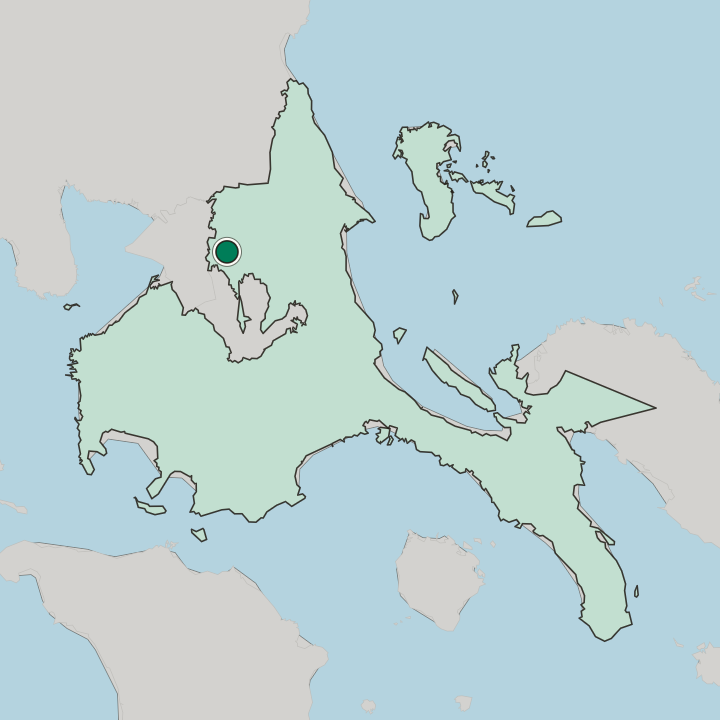
Three hundred and six square kilometres of highland. The City of Antipolo covers that spread on ground about two hundred metres above sea level, which is what separates it from the plain the metropolis occupies and gives the plateau its outlook. Rizal wraps around it.
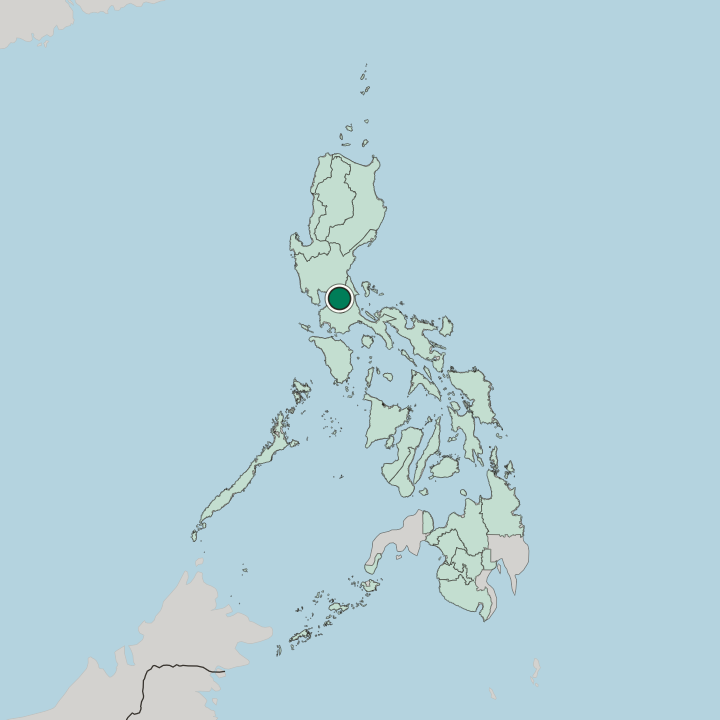
The province and the wider Calabarzon region carry the same tropical band, so height rather than season is what makes Antipolo feel different from the cities beneath it.
What is the climate of Antipolo?
Elevation sets the terms in Antipolo. Two hundred metres of height take the edge off what the tropical band delivers, and that difference is the whole reason Antipolo reads as a respite from the metropolis rather than as more of the same. Rain still rules the year.
Calabarzon divides its months by water rather than by temperature, so the plateau stays warm throughout and a visitor plans around cloud and downpour instead of around a cold spell.
How do you get to Antipolo?
The approach is a climb. Antipolo sits above the plain, so arriving from Marikina, Pasig or anywhere else in the metropolis means gaining the two hundred metres that separate the plateau from the cities below it. Rizal roads feed the capital.
Provincial traffic converges on the City of Antipolo because the province is run from here, and events at the Ynares Center put their own load on the same routes.
Common questions
What is the best area to stay in Antipolo?
Around the Pintô Art Museum: Highland days built around the Pintô Art Museum. Near the Ynares Center: Nights tied to whatever fills the Ynares Center. The plateau edge: Waking to the outlook Antipolo has over Manila. The outer City of Antipolo: Drivers running out to the Angono Petroglyphs and the Casa Santa Museum.
Good for
More cities in Calabarzon
Updated October 2026