Philippines · Calabarzon
Where to Stay in Batangas, Calabarzon
Capital of the province of the same name in Calabarzon, Batangas faces Mindoro across the Verde Island Passage in old Kumintáng country.
Hotel links are affiliate links: booking through them may earn us a commission, at no extra cost to you. It never affects how places are ranked. How this works


Where to stay in Batangas
Where visitors usually base themselves, and why.
The choice in Batangas divides between the capital and the water. Inside the city, the Roman Catholic churches that draw pilgrims and the everyday business of a provincial capital sit within one walkable core, which suits arrivals coming down from Metro Manila with the coast ahead of them. Beds cluster in that core.
Travellers set on the island side push south instead, to the shore that faces Mindoro across the Verde Island Passage. Heritage sites and shoreline resorts share that southern coast, and the pilgrimage stops inland keep their own steady traffic. Further out, the province stretches to two very different edges.
The South China Sea opens along the western side, quieter than the passage and further from the capital's streets, while the northern rim runs up against Cavite and Laguna, where road travellers out of Metro Manila cross into Kumintáng country first. Quezon closes the province off to the east, a border side rather than a coast. Each edge asks for a different kind of day.
Pilgrims tend to keep close to the churches, while island-bound visitors take the southern shore.
Find hotels in Batangas
Direct booking searches for these neighbourhoods.
The provincial capital
The capital of the Batangas province gathers the Roman Catholic churches and the daily business of the province in one core, an easy first night down from Metro Manila.Find hotels in The provincial capitalIsland days on the water that separates Batangas from MindoroThe Verde Island Passage shore
This southern shore looks across the Verde Island Passage toward Mindoro, and the resorts and heritage sites the province is known for belong to that coast.Find hotels in The Verde Island Passage shoreQuiet western coast nights away from the Batangas capitalThe South China Sea side
West of the province the South China Sea opens out, further from the passage traffic and from the streets of the provincial capital. Few places to stay nearby — book ahead.Find hotels in The South China Sea sideRoad arrivals crossing into Kumintáng country from the northThe Cavite and Laguna rim
Batangas meets Cavite and Laguna along its northern edge, the side travellers cross first on the way down from Metro Manila. Rooms are few around here — worth securing early.Find hotels in The Cavite and Laguna rimHotel links are affiliate links: booking through them may earn us a commission, at no extra cost to you. It never affects how places are ranked. How this works
About Batangas
Batangas carries the old name Kumintáng.
What is Batangas known for?
The province around the city is called the cradle of Tagalog culture, and the pull for visitors runs to its shoreline resorts, its heritage sites, and the pilgrimage stops that draw Roman Catholic devotion from across Luzon. Its churches gather pilgrims. Metro Manila lies close by, and that nearness keeps Batangas among the frequently visited parts of the island.
What are the main landmarks in Batangas?
Batangas keeps no single monument at its centre. What the province offers instead is a spread of Roman Catholic churches and heritage sites, the pilgrimage stops that carry visitors from Metro Manila through the old Kumintáng country toward the coast. The Verde Island Passage supplies the other half.
Island trips out of the Batangas shore point toward Mindoro, and the resorts along that water sit within reach of the same day's drive.
What is the history of Batangas?
Kumintáng came first. The poetic old name for this stretch of Luzon still belongs to the province, and the culture that grew here is called the cradle of the Tagalog world, which places Batangas near the root of a language now spoken across the islands. Roman Catholic worship left a long line of churches behind it, and those same buildings carry the province's pilgrim traffic.
Heritage followed the faith. Pilgrimage sites grew up around them, and they still gather visitors who arrive for the churches rather than the coast. Batangas dates its own founding to 1917.
The city has served since as the seat of a first class province, bordered by Cavite and Laguna to the north and by Quezon to the east, with the Verde Island Passage running along the south. Trade and travel ran with that water, south across the Verde Island Passage toward Mindoro and west into the South China Sea. Metro Manila's nearness did the rest.
What was once Kumintáng country turned into a heavily travelled corner of Luzon, its heritage sites and its shoreline drawing arrivals down from the capital region.
Where is Batangas?
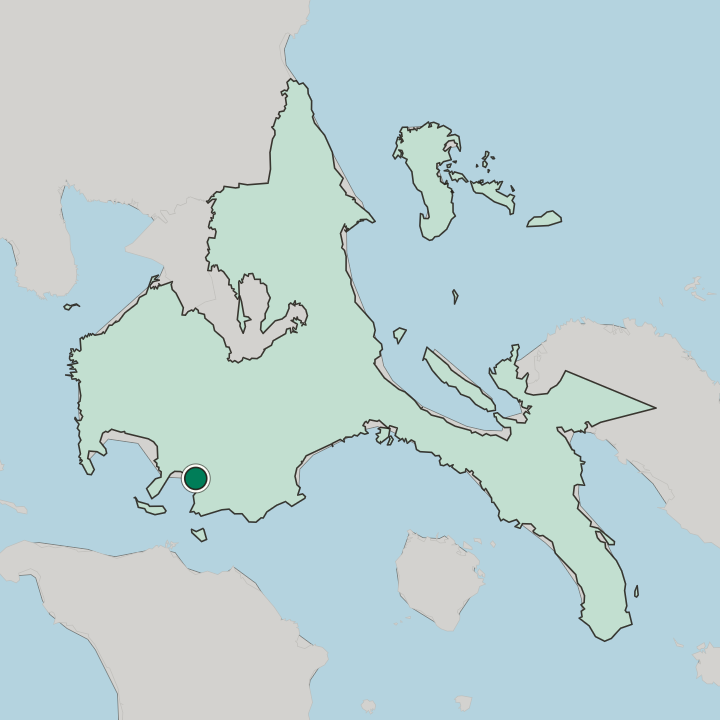
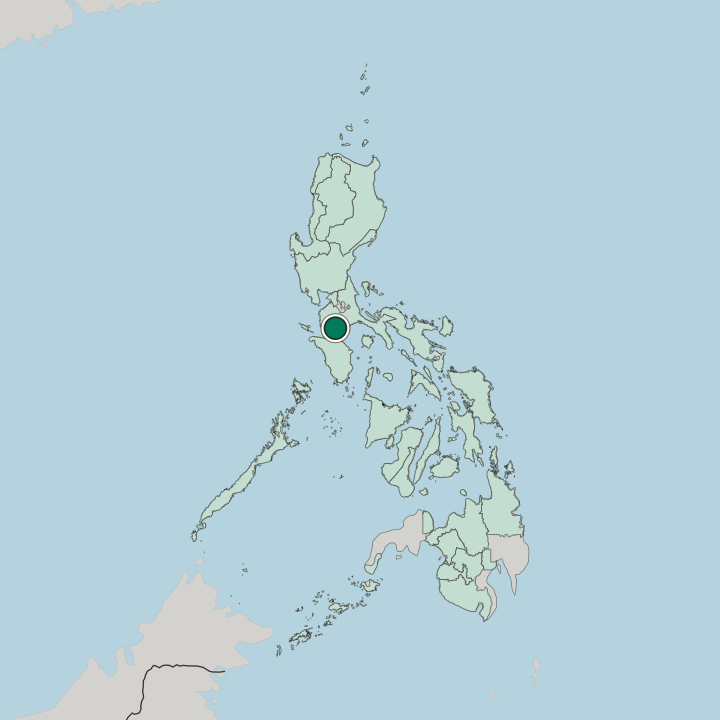
Batangas takes the seaward corner of Calabarzon, south of Metro Manila on Luzon. Water shapes it. The Verde Island Passage runs along the southern side with Mindoro beyond it, the South China Sea opens off the west, and the province's coast turns those two bodies of water into its long outer edge.
Inland, Cavite and Laguna close the province off to the north while Quezon holds the eastern border.
What is the climate of Batangas?
Two seas set the terms here. The Verde Island Passage to the south and the South China Sea to the west hold warm tropical water against the province all year, and Batangas stays hot and humid because of them. Nights stay warm too.
Rain comes with the wet months, and the coast draws whatever breeze the passage sends inland, which matters most in the built-up capital.
How do you get to Batangas?
Most arrivals come down from Metro Manila. The road south crosses Cavite or Laguna before it reaches Batangas, which puts the provincial capital within a single drive of the capital region for anyone heading toward the coast. Water carries the rest, south across the Verde Island Passage toward Mindoro and west along the South China Sea.
Common questions
What is the best area to stay in Batangas?
The provincial capital: Pilgrims basing themselves in the Batangas capital before the Verde Island Passage coast. The Verde Island Passage shore: Island days on the water that separates Batangas from Mindoro. The South China Sea side: Quiet western coast nights away from the Batangas capital. The Cavite and Laguna rim: Road arrivals crossing into Kumintáng country from the north.
Good for
More cities in Calabarzon
Updated September 2026