Philippines · Calabarzon
Where to Stay in Calamba, Calabarzon
Calamba is a city of Laguna in the Philippines on Laguna de Bay, birthplace of José Rizal and known for its giant claypot below Mount Makiling.
Hotel links are affiliate links: booking through them may earn us a commission, at no extra cost to you. It never affects how places are ranked. How this works


Where to stay in Calamba
How the choice of base plays out on the ground.
Where you stay in Calamba turns on the town or the mountain. The streets around the plaza keep the Rizal shrine, the old church, and the claypot within a walk, and staying downtown suits anyone here for the heritage. The great lake lies close by.
Palms shade the old streets. Out toward Makiling and the springs, the town gives way to the hot-spring resorts, the green foothills, and the forest of the volcano. A room up the slope trades the streets for the warm pools, the wooded hills, and the cool mountain air.
The springs steam among the trees. Stay downtown for the shrine, or up the hill for the springs. The lakeside town sits below Mount Makiling.
Find hotels in Calamba
Direct booking searches for these neighbourhoods.
The town centre
Beside the church plaza where the Rizal Shrine standsFind hotels in The town centreStays wanting the hot springsMakiling and the springs
Up toward the mountainFind hotels in Makiling and the springsHotel links are affiliate links: booking through them may earn us a commission, at no extra cost to you. It never affects how places are ranked. How this works
Things to do in Calamba
Ranked by global recognition; descriptions from Wikidata (CC0).
Museums & Galleries
1- Rizal Shrine Heritage
Churches & Religious Sites
1- Calamba Church Heritage
Castles & Historic Sites
2- Rizal Monument
- Calamba Claypot
Parks & Gardens
1- Enchanted Kingdom
worth knowingacross 4 categories in Calamba
About Calamba
Calamba is the birthplace city of José Rizal.
What is Calamba known for?
On the south shore of Laguna de Bay below Mount Makiling in the Philippines, it grew as a lakeside town on the old Spanish estates, and it keeps the shrine on the spot where the hero Rizal was born, the giant claypot that stands for its name, the hot springs welling from the mountain nearby, and the old church where Rizal was christened. The great lake lies to the north. Mount Makiling rises to the south.
What are the main landmarks in Calamba?
The Rizal Shrine is the pride of Calamba. The rebuilt house where José Rizal was born and raised, set with his family's things, stands in the heart of town, the emblem of the city, downtown. A giant claypot marks the square.
The huge Calamba claypot, stamped with the town's history, stands nearby, while the old church, the springs of Los Baños, and Mount Makiling mark the country around Calamba.
What is the history of Calamba?
Calamba grew on the Spanish estates. In the Spanish age friars held great sugar and rice estates around the lake, and a town grew among them by the water at the foot of the mountain. Here José Rizal was born.
In eighteen sixty-one the boy who would become the hero of the Philippines was born in the town, and he grew up among its fields and its lake before the wider world called him. The hero made the town famous. When Rizal wrote and died for his country, his birthplace became a place of pilgrimage, and a shrine was raised on the ground of his boyhood house.
The claypot gave the town its name. From the old clay stoves and water jars, the kalan and the banga, came the name Calamba, and the city set a giant claypot in its heart, while the hot springs of Makiling drew bathers from afar, so Calamba kept its shrine, its lake, and its springs. The shrine still stands by the church.
Calamba keeps its lakeside town below Mount Makiling.
Where is Calamba?
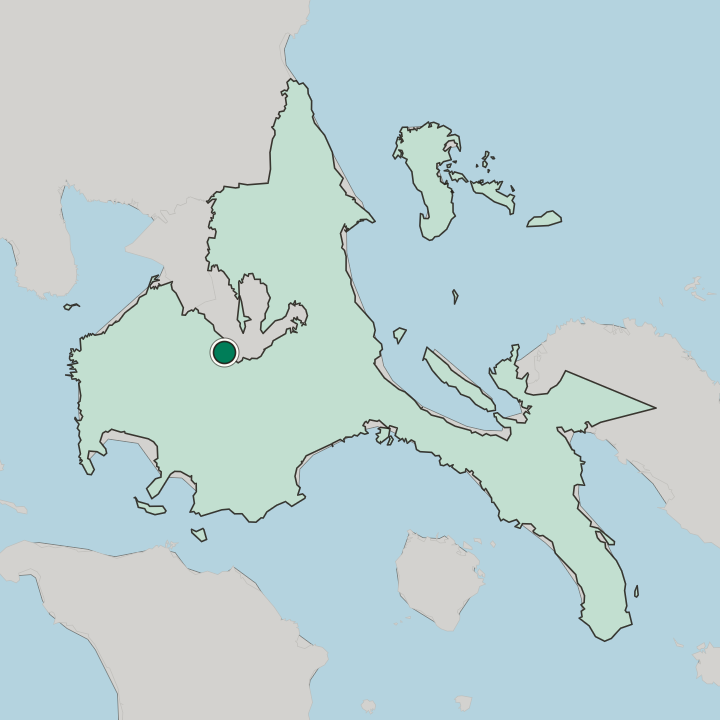
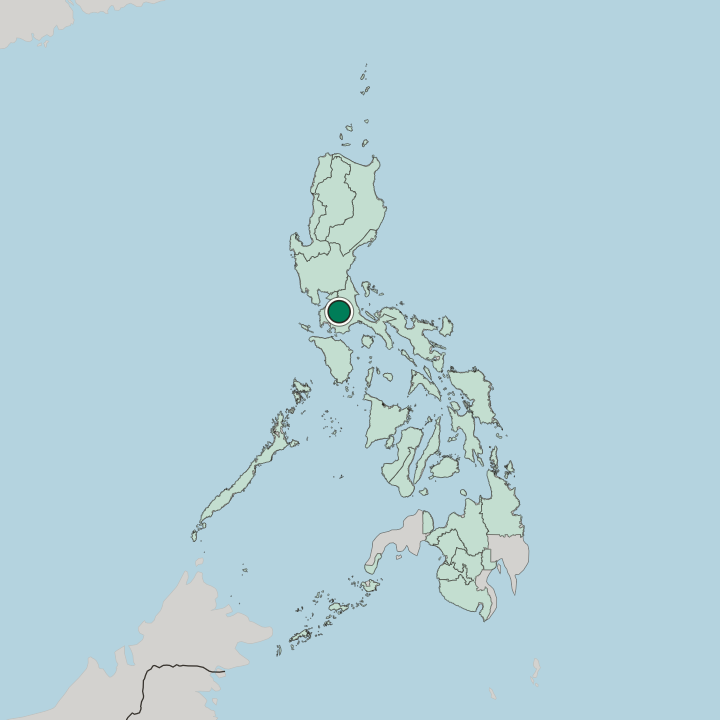
Calamba lies in the north of Laguna in the Philippines, on the southern shore of Laguna de Bay. The city sits on a plain between the great lake and the slopes of Mount Makiling, in a warm green land of coconut and rice, with the lake spreading north toward Manila and the forested volcano rising to the south. The lake stretches wide and flat.
Warm springs rise from the slopes.
What is the climate of Calamba?
Calamba has a warm, humid tropical climate. Hot damp weather holds all year on the lake, with a wet monsoon season and warm dry months from winter into spring. The rains sweep in off the lake.
Warm air hangs over the town.
How do you get to Calamba?
Calamba lies in Laguna south of Manila, on the highway and rail around Laguna de Bay. The expressway runs to it south from Manila in an hour, and roads climb to Los Baños and the mountain. Trains reach the lake town.
Manila lies north up the road.
Common questions
What is the best area to stay in Calamba?
The town centre: Visitors here for the Rizal heritage. Makiling and the springs: Stays wanting the hot springs.
Good for
More cities in Calabarzon
Updated October 2026