Philippines · Calabarzon
Where to Stay in Bacoor, Calabarzon
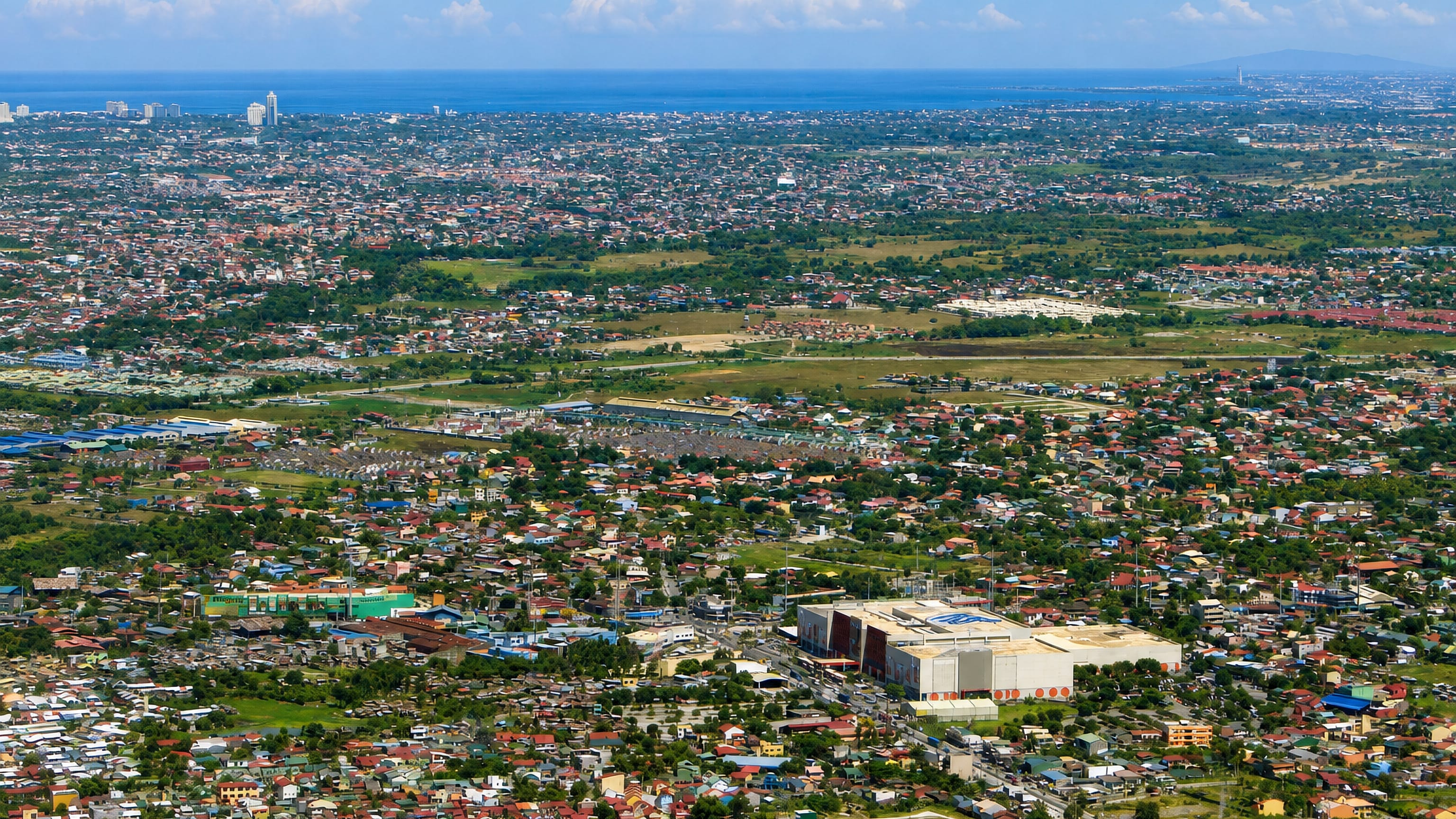
Bacoor is a suburban city of Cavite, sprawling south of Manila and the way into the province from the north.
Hotel links are affiliate links: booking through them may earn us a commission, at no extra cost to you. It never affects how places are ranked. How this works


Where to stay in Bacoor
How the choice of base plays out on the ground.
Bacoor is a base for the metropolis. A suburban city immediately south of Manila puts a traveller within reach of the capital's museums and arenas without staying inside the metropolis itself, and that trade-off is the main reason anyone books here. The sprawl is the catch.
Forty-six square kilometres of suburban Cavite run without a single obvious centre, so the address decides everything and a room on the wrong side of Bacoor can cost an hour before anything starts. Nothing here is walkable. The Cathedral of Saint Michael the Archangel and the Bacoor Church are the two fixed points inside the city, and an address near either at least puts a traveller in the older part of the sprawl.
Zapote Bridge is the reference point. Rooms near that crossing sit at the city's own edge, which matters for anyone whose days are spent at the SM Mall of Asia Arena or the Metropolitan Museum of Manila rather than in Cavite at all. Cavite pulls the other way.
The Aguinaldo Shrine, the Baldomero Aguinaldo Shrine and the Battle of Imus Monument all lie out in the province, so a stay aimed at those is better placed deeper into Bacoor than at its northern edge. Pick the side, then book.
Find hotels in Bacoor
Direct booking searches for these neighbourhoods.
The Zapote Bridge edge
Zapote Bridge marks the city's own edge, which is the shortest side of Bacoor for anything inside the metropolisFind hotels in The Zapote Bridge edgeSleeping in the part of Bacoor that predates the sprawlAround the Bacoor Church
The Bacoor Church stands for the settlement of 1671 that the suburb grew around, rather than the other way about. Few places to stay nearby — book ahead.Find hotels in Around the Bacoor ChurchStays anchored to the Cathedral of Saint Michael the ArchangelBy the Cathedral of Saint Michael the Archangel
The Cathedral of Saint Michael the Archangel is the second of Bacoor's own fixed points in a city with no single middle. Few places to stay nearby — book ahead.Find hotels in By the Cathedral of Saint Michael the ArchangelDrivers running out to the Aguinaldo Shrine and the Battle of Imus MonumentThe Cavite side
The province's own monuments lie beyond Bacoor, and a bed on that side saves crossing forty-six square kilometres of suburb twice. Few places to stay nearby — book ahead.Find hotels in The Cavite sideHotel links are affiliate links: booking through them may earn us a commission, at no extra cost to you. It never affects how places are ranked. How this works
Things to do in Bacoor
Ranked by global recognition; descriptions from Wikidata (CC0).
Museums & Galleries
2- Metropolitan Museum of Manila
- Dessert Museum
Churches & Religious Sites
2- Bacoor Church Heritage
- Cathedral of Saint Michael the Archangel
Stadiums & Sports
2- SM Mall of Asia Arena
- Enrique M. Razon Sports Center
Parks & Gardens
2- Manila Zoological and Botanical Garden
- Star City, Manila
worth knowingacross 4 categories in Bacoor
About Bacoor
Suburb, at the scale of a city.
What is Bacoor known for?
Bacoor spreads across forty-six square kilometres of Cavite immediately south of Manila, and it stands as the second largest city in the province after Dasmariñas as well as the point most traffic enters Cavite through. Zapote Bridge is on the list. The Bacoor Church is the older name on it, and the settlement behind it goes back to 1671, long before the suburb that grew around it under Manila.
What are the main landmarks in Bacoor?
Two names belong to the city. The Bacoor Church carries the city's own name, and the Cathedral of Saint Michael the Archangel is the other church of weight on a list that otherwise reaches well past the city limits. Manila supplies the rest.
The Ayala Museum, the Metropolitan Museum of Manila, the Museo del Galeón, the Cuneta Astrodome and the SM Mall of Asia Arena all sit within reach of a Bacoor address, which is exactly what a suburban city south of the capital is for.
What is the history of Bacoor?
Bacoor dates from 1671. The settlement is three centuries older than the suburb that now covers it, and the Bacoor Church is the piece of that older town still carrying its name on the map of Cavite. Cavite fought its own wars.
The Battle of Imus Monument and the two Aguinaldo shrines, one to Aguinaldo and one to Baldomero Aguinaldo, keep the province's record of conflict within a short run of Bacoor. Zapote Bridge belongs to that record too. A named crossing survives on the landmark list of a city that has otherwise been built over, and the Cuenca Ancestral House is the other survival of that kind.
Then Manila arrived. The capital's growth turned Bacoor into a suburban city, and the sprawl that followed made it the second largest place in Cavite after Dasmariñas without giving it a centre to match. Institutions came with the metropolis.
The Old Nayong Pilipino, the Philippine Army Museum and the Philippine Air Force Aerospace Museum all belong to the built-up ring that grew between Manila and Cavite, and a Bacoor address sits inside it. The old town held on. Bacoor Church and the founding year of 1671 are what separate this city from the subdivisions around it, and they are the reason the place reads as a town that was overtaken rather than one that was invented.
Where is Bacoor?
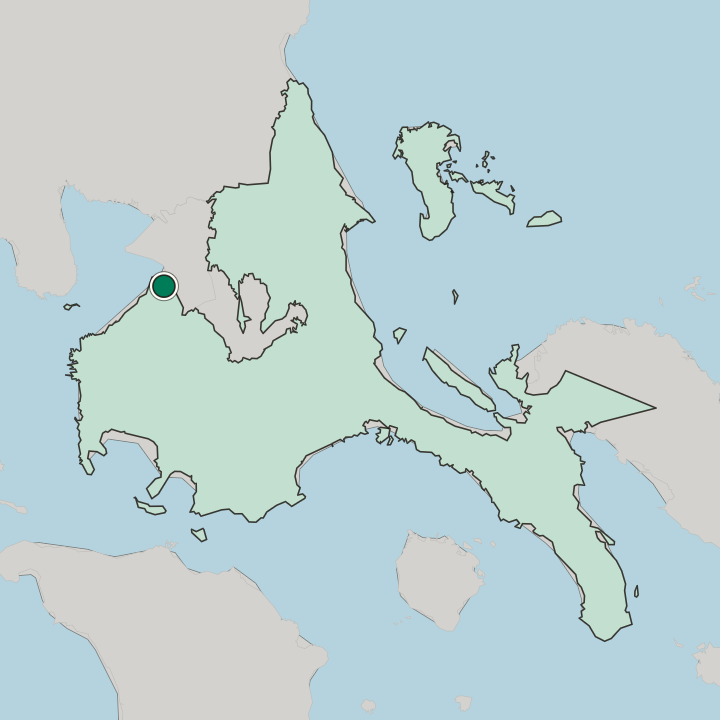
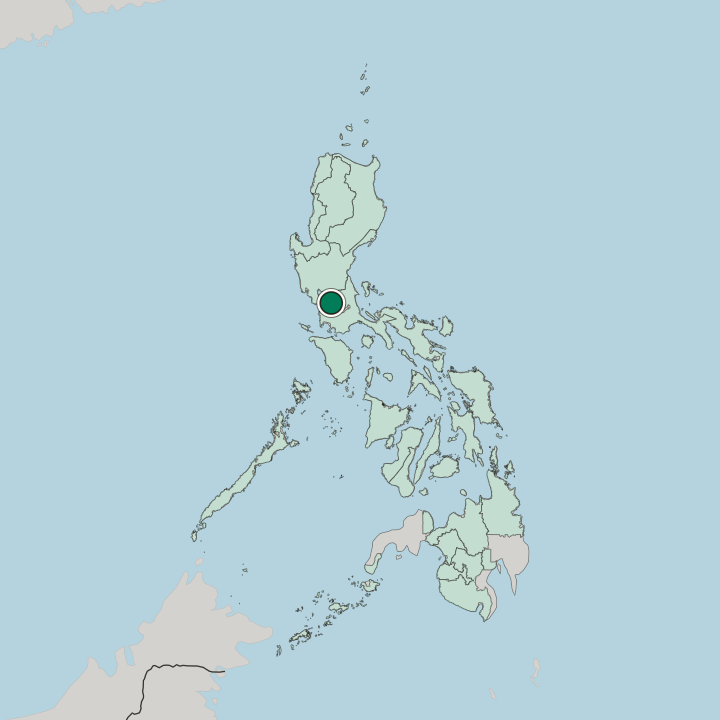
Forty-six square kilometres of suburb. The City of Bacoor fills that ground south of Manila, and the sprawl runs to the edges of Cavite's northern boundary rather than thinning into countryside the way a smaller town would. Dasmariñas is the larger one.
Only that city outranks Bacoor inside Cavite, and both sit in the same tropical band of Calabarzon where the year turns on rain rather than on any drop in temperature.
What is the climate of Bacoor?
Concrete holds the heat. A suburban city built out across forty-six square kilometres of Cavite gives the tropical air very little shade to work with, so the middle of the day sits heavier in Bacoor than out in the province. Rain arrives in bulk.
Calabarzon splits its year between wet months and dry ones, and the built ground of the City of Bacoor deals with the wet half rather than escaping it.
How do you get to Bacoor?
Everything from the capital comes through here. Bacoor is the way into Cavite from the north, so the roads out of Manila run straight through it and the traffic they carry is the defining feature of the approach. Zapote Bridge is the marker.
That crossing is the name on the list for the city's own edge, and once past it a driver is into forty-six square kilometres of suburb rather than into open province.
Common questions
What is the best area to stay in Bacoor?
The Zapote Bridge edge: Days at the SM Mall of Asia Arena rather than out in Cavite. Around the Bacoor Church: Sleeping in the part of Bacoor that predates the sprawl. By the Cathedral of Saint Michael the Archangel: Stays anchored to the Cathedral of Saint Michael the Archangel. The Cavite side: Drivers running out to the Aguinaldo Shrine and the Battle of Imus Monument.
Good for
More cities in Calabarzon
Updated October 2026