Philippines · Calabarzon
Where to Stay in Imus, Calabarzon
Imus, the de jure capital of Cavite, dates from 1795 and holds the Shrine of the National Flag and the Battle of Imus Monument.
Hotel links are affiliate links: booking through them may earn us a commission, at no extra cost to you. It never affects how places are ranked. How this works


Where to stay in Imus
How the choice of base plays out on the ground.
The Aguinaldo Shrine sets the anchor. A stay near it puts the Cathedral of Saint Michael the Archangel and the Imus Historical Museum inside an easy walk, and that cluster is the whole reason a visitor books in Imus rather than passing through. Fifty-three square kilometres is compact.
The city covers that much ground in all, which keeps the distance from any bed to the historic core manageable even in the traffic of northern Cavite. Capital business fills the rest of the beds. Imus carries the de jure capital seat of Cavite, so official travel and provincial errands are part of what fills rooms here, and that trade runs on weekdays.
Choice follows it. The Battle of Imus Monument and the Shrine of the National Flag are the sites that commemorative dates bring people to, and the small stock in the city fills first when they do, with the overflow moving out into the surrounding towns. Plan around both patterns.
Anyone here for Binakayan and its parish church will want a bed on that side, since the built-up ground between one end of the city and the other takes longer to cross than its size suggests.
Find hotels in Imus
Direct booking searches for these neighbourhoods.
Around the Aguinaldo Shrine
The historic cluster of Imus stands here, with the Cathedral of Saint Michael the Archangel a few streets off. Lodging is scarce in this area; reserve in advance.Find hotels in Around the Aguinaldo ShrineProvincial business at the de jure capital of CaviteThe capital-seat streets
Work tied to the provincial seat keeps this part of Imus busy from Monday to FridayFind hotels in The capital-seat streetsStays pointed at Binakayan and its parish churchToward Binakayan
The Binakayan end of the built-up ground, away from the monument traffic of central Imus. Few places to stay nearby — book ahead.Find hotels in Toward BinakayanHotel links are affiliate links: booking through them may earn us a commission, at no extra cost to you. It never affects how places are ranked. How this works
About Imus
The provincial capital on paper.
What is Imus known for?
Imus holds the de jure capital seat of Cavite, and its name attaches to the Battle of Imus Monument and the Imus Historical Museum, two of the markers the province keeps. Alapan is the other name here. The Battle of Alapan of 1898 was fought here during the Philippine Revolution, and the Shrine of the National Flag stands among the sites the city still keeps.
What are the main landmarks in Imus?
The Aguinaldo Shrine tops the list. Imus keeps it alongside the Baldomero Aguinaldo Shrine, and the Battle of Imus Monument marks the fighting the city's name is attached to in the record of the Philippine Revolution. One museum joins them.
The Imus Historical Museum and the Shrine of the National Flag complete the historical set, while the Cathedral of Saint Michael the Archangel and the parish church at Binakayan cover the religious side.
What is the history of Imus?
1795 is the founding date. Imus was a settlement of Cavite for a century before the events that made its name, and the City of Imus is how the province and the national record write it now. The capital title is legal, not practical.
Cavite names Imus its de jure capital, a status that sits in statute whatever the working arrangements of the province may be. The Battle of Alapan was fought here in 1898. That encounter belongs to the Philippine Revolution, and it is the single event that fixes Imus in the national story rather than in the provincial one.
Monuments followed. The Battle of Imus Monument, the Shrine of the National Flag and the Imus Historical Museum all record that period, and the Aguinaldo Shrine and Baldomero Aguinaldo Shrine carry the names of the era into the present streets of the city. Everything after that is growth.
Subdivisions closed over the open ground from the 1980s onward, so what remains of the older settlement now stands between blocks of housing rather than among fields. Fifty-three square kilometres hold it all. Calabarzon supplies the administrative frame, and Imus files under the Philippines as a component city of the province.
Where is Imus?
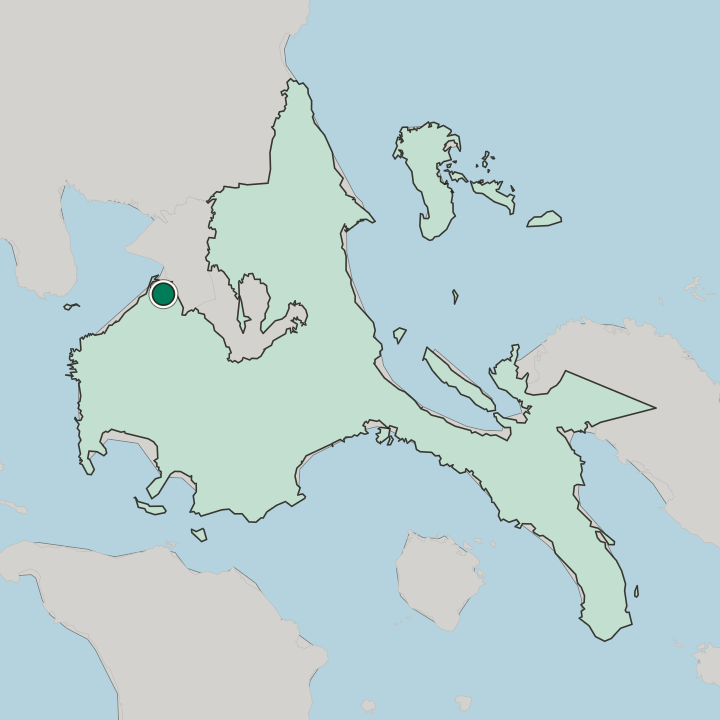
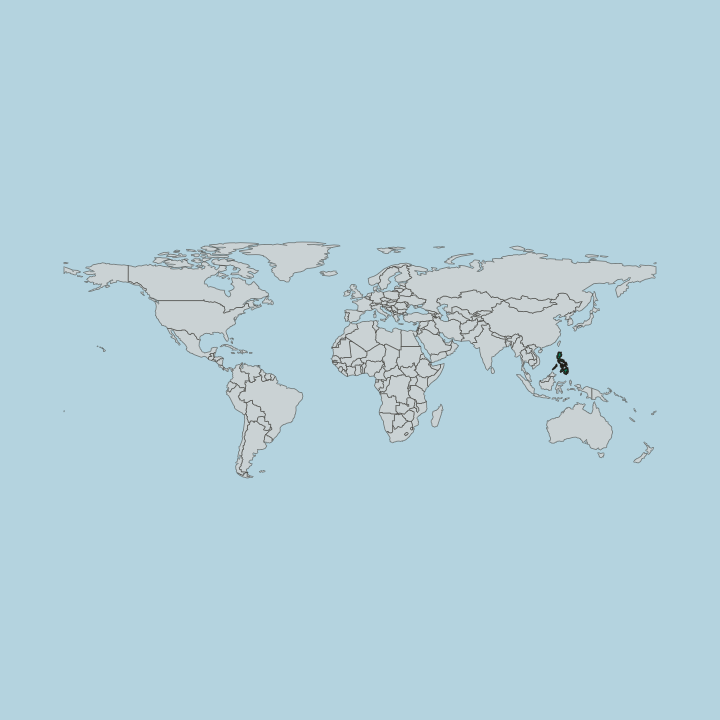
Fifty-three square kilometres of Cavite. Imus lies inside the continuous built-up ground of the province's northern towns, and its boundary encloses far more housing than open land. Space is the constraint.
Calabarzon runs through the tropical band without a cold season, which leaves the year here divided by rainfall and the city's ground in use through all of it.
What is the climate of Imus?
Wet months, then dry ones. The tropical year over Cavite splits along rainfall rather than temperature, and travel plans made in Imus turn on which half of that cycle they fall into. Warm weather never leaves Imus.
A walk between the Aguinaldo Shrine and the Battle of Imus Monument goes easier early, because the middle of the day carries the full weight of the tropics whatever the season.
How do you get to Imus?
The approach is by road. Imus sits in the built-up belt of northern Cavite, where provincial routes carry the traffic between one town and the next without a break in the housing along them. Inside, the distances are short.
The Imus Historical Museum, the Cathedral of Saint Michael the Archangel and the Aguinaldo Shrine stand close enough that a visitor can work through them on foot once parked.
Common questions
What is the best area to stay in Imus?
Around the Aguinaldo Shrine: Walking days between the Aguinaldo Shrine and the Imus Historical Museum. The capital-seat streets: Provincial business at the de jure capital of Cavite. Toward Binakayan: Stays pointed at Binakayan and its parish church.
Good for
More cities in Calabarzon
Updated October 2026