Philippines · Calabarzon
Where to Stay in Cainta, Calabarzon
Cainta is a Rizal town inside the Manila sprawl, the province's doorstep from the capital, near the Ynares Center and the Angono Petroglyphs.
Hotel links are affiliate links: booking through them may earn us a commission, at no extra cost to you. It never affects how places are ranked. How this works


Where to stay in Cainta
How the choice of base plays out on the ground.
Cainta gives travellers a metro address at a provincial remove. Rooms here sit inside the same built-up sprawl as the capital, which is the practical argument for the town: much of Manila is reachable from a base that is not officially in it. The line is invisible on the ground.
Visitors bound for the Smart Araneta Coliseum, the PhilSports Arena, or the museums of the capital lose little by sleeping on the Rizal side of it. Traffic is the one cost of the arrangement, since the same roads that connect Cainta to Manila carry the capital's own commuters through it twice a day. The other argument points the opposite way, into Rizal.
The Ynares Center draws the province's crowds to its events, the Angono Petroglyphs and the Pintô Art Museum sit out along the same road, and a stay in Cainta puts all of them within a morning's travel. Marikina lies close as well. The Marikina Sports Complex and the Marikina Shoe Museum belong to that neighbouring city rather than to this one, which is true of nearly everything worth the trip.
Cainta supplies the bed, and the province and the capital supply the day.
Find hotels in Cainta
Direct booking searches for these neighbourhoods.
The Manila boundary
The streets on the capital's side of Cainta run straight into Manila's, which puts rooms here within reach of the Smart Araneta Coliseum and the PhilSports Arena.Find hotels in The Manila boundaryEvent nights built around the Ynares CenterToward the Ynares Center
The Ynares Center pulls the crowds of Rizal to its events, and the beds on that side of Cainta are the nearest ones outside the arena's own town. Lodging is scarce in this area; reserve in advance.Find hotels in Toward the Ynares CenterDay trips to the Angono Petroglyphs and the Pintô Art MuseumThe Angono Petroglyphs road
The road out of Cainta into Rizal reaches the Angono Petroglyphs and the Pintô Art Museum, the two sights that justify a night in the province rather than the capital. Rooms are few around here — worth securing early.Find hotels in The Angono Petroglyphs roadStops at the Marikina Sports Complex and the Marikina Shoe MuseumThe Marikina side
The Marikina Sports Complex and the Marikina Shoe Museum sit in the neighbouring city, an easy hop from Cainta when the trip is about events rather than sights.Find hotels in The Marikina sideHotel links are affiliate links: booking through them may earn us a commission, at no extra cost to you. It never affects how places are ranked. How this works
Things to do in Cainta
Ranked by global recognition; descriptions from Wikidata (CC0).
Museums & Galleries
3- Museo ng Katipunan
- Marikina Shoe Museum
- Armed Forces of the Philippines Museum
Parks & Gardens
1- KidZania Manila
worth knowingacross 2 categories in Cainta
About Cainta
Cainta reads as one continuous city with Manila.
What is Cainta known for?
The town belongs to Rizal, yet the sprawl of the capital has run over its boundary until the streets, the traffic, and the shopping on either side of the line are hard to tell apart. Arrivals to Rizal pass through it. That position is what Cainta is known for, along with the Ynares Center and the other halls and museums that fill the belt between it and Manila.
What are the main landmarks in Cainta?
Cainta's own skyline is short on monuments. What surrounds it is not: the Smart Araneta Coliseum and the PhilSports Arena stand in the metro to one side, the Ynares Center gathers the events of Rizal on the other, and the Marikina Sports Complex sits close by in the neighbouring city. Collections cover what the streets do not.
The Pasig City Museum, the Marikina Shoe Museum, and the Pintô Art Museum all sit within the belt around Cainta, along with the Angono Petroglyphs further out in Rizal.
What is the history of Cainta?
Cainta dates from 1571. The town keeps that year as its founding date, and it spent the centuries afterward as a modest place in Rizal, close enough to the capital to feel its pull but far enough out to stay a town of its own. Distance did the protecting, and that distance is gone.
Manila's growth crossed the boundary and kept going, turning the ground between the capital and Rizal into a continuous run of streets that took Cainta in with it. The municipality kept its name and its province. Cainta remains part of Rizal rather than of the capital, and the difference now shows up in administration more than in anything a visitor would notice on the street.
Roads made the change permanent, since the same routes that carry the capital's traffic into the province run through the middle of the town. Memory moved to the monuments. The Museo ng Katipunan, the Pinaglabanan Shrine, and the Bantayog ng mga Bayani carry the record of the country's struggles in the metro around Cainta, while the Angono Petroglyphs hold the far older mark left in the rock of Rizal.
The town itself keeps its founding date and little else visible from that time.
Where is Cainta?
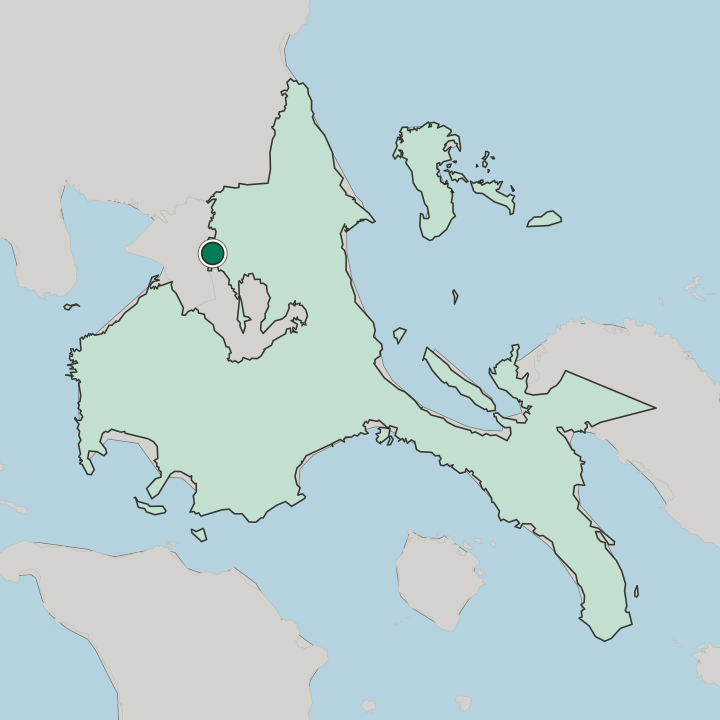
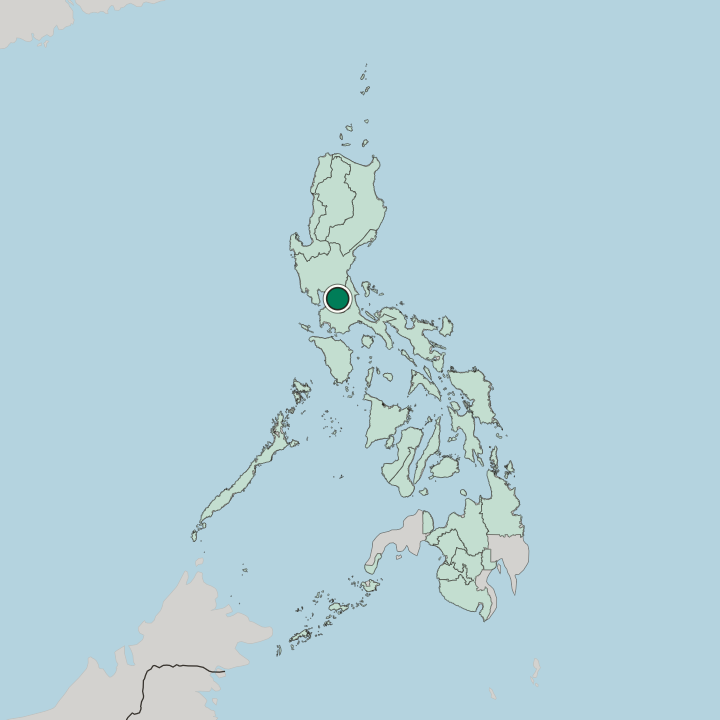
Cainta occupies a small block of Rizal. Its ground runs to about forty-three square kilometres, and the built-up streets cover most of that, since the town sits on the seam between the capital's sprawl and the province, and neither side leaves much open land. Marikina and Pasig lie next door.
Rizal opens out beyond it, and the road leaving Cainta reaches the Angono Petroglyphs and the rest of the province's own sights.
What is the climate of Cainta?
Cainta shares the capital's weather exactly. The town sits inside the same continuous built-up area as Manila, so the wet months and the dry ones arrive together on both sides of the boundary and the heat does not respect it either. Concrete holds the warmth.
Rain in the wet stretch runs off streets rather than fields, which is the one difference the sprawl has made to how a downpour feels in Rizal.
How do you get to Cainta?
Manila's roads are Cainta's only way in. Cainta sits on the routes that leave the capital for Rizal, which is why the town is treated as the province's front door and why its traffic belongs to Manila as much as to the province behind it. The Ynares Center, the PhilSports Arena, and the Smart Araneta Coliseum all sit on that corridor, so an event at any of them puts arrivals on the same crowded stretch.
Common questions
What is the best area to stay in Cainta?
The Manila boundary: Metro access from the Cainta side of the capital's line. Toward the Ynares Center: Event nights built around the Ynares Center. The Angono Petroglyphs road: Day trips to the Angono Petroglyphs and the Pintô Art Museum. The Marikina side: Stops at the Marikina Sports Complex and the Marikina Shoe Museum.
Good for
More cities in Calabarzon
Updated October 2026