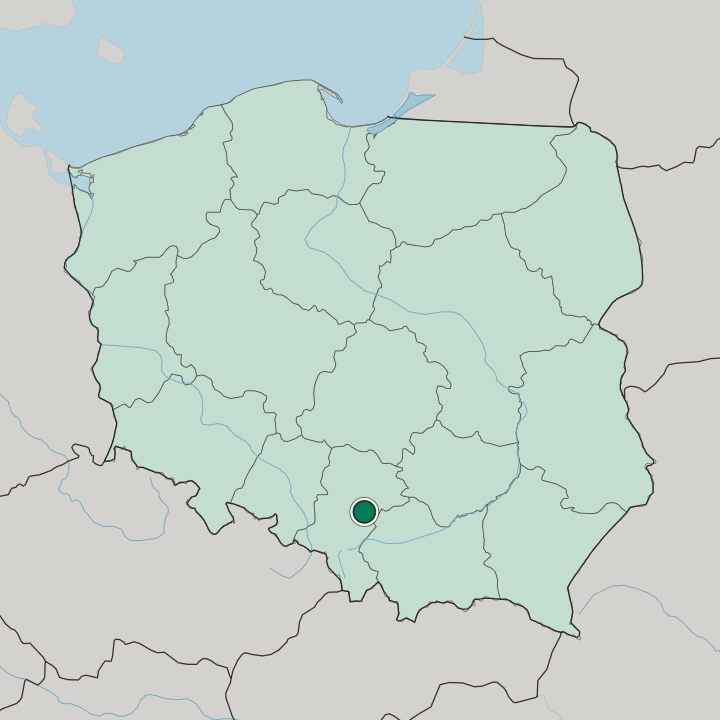
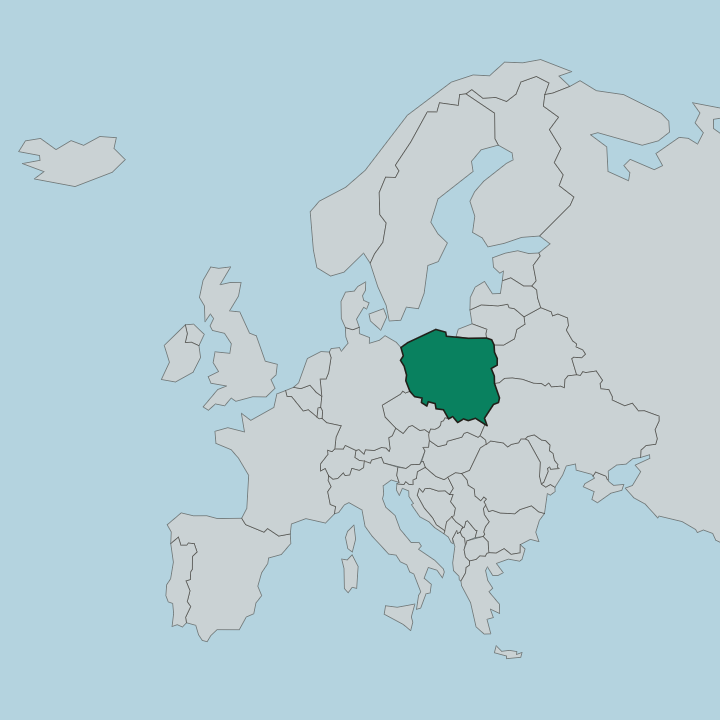
Poland · Silesian Voivodeship
Where to Stay in Dąbrowa Górnicza, Silesian Voivodeship
Dąbrowa Górnicza is a post-industrial city on the Czarna Przemsza and Biała Przemsza, in the eastern part of the Katowice urban area.
Hotel links are affiliate links: booking through them may earn us a commission, at no extra cost to you. It never affects how places are ranked. How this works


Where to stay in Dąbrowa Górnicza
Not every neighbourhood fits every trip — here's what each one is good for.

 Dąbrowa GórniczaPoland
Gołonóg
The Saint Anthony of Padua church gives Gołonóg its landmark, in a district of Dąbrowa Górnicza in the Silesian Voivodeship.Where to stay →Dąbrowa GórniczaPolandStrzemieszyce Wielkie
On national road 94 between Katowice and Olkusz, Strzemieszyce Wielkie forms a district of Dąbrowa Górnicza.Where to stay →Dąbrowa GórniczaPolandZąbkowice
Two parish churches and a railway station anchor Ząbkowice, a district of Dąbrowa Górnicza recorded from 1581.Where to stay →Hotel links are affiliate links: booking through them may earn us a commission, at no extra cost to you. It never affects how places are ranked. How this works
Find hotels in Dąbrowa Górnicza
Direct booking searches for these neighbourhoods.
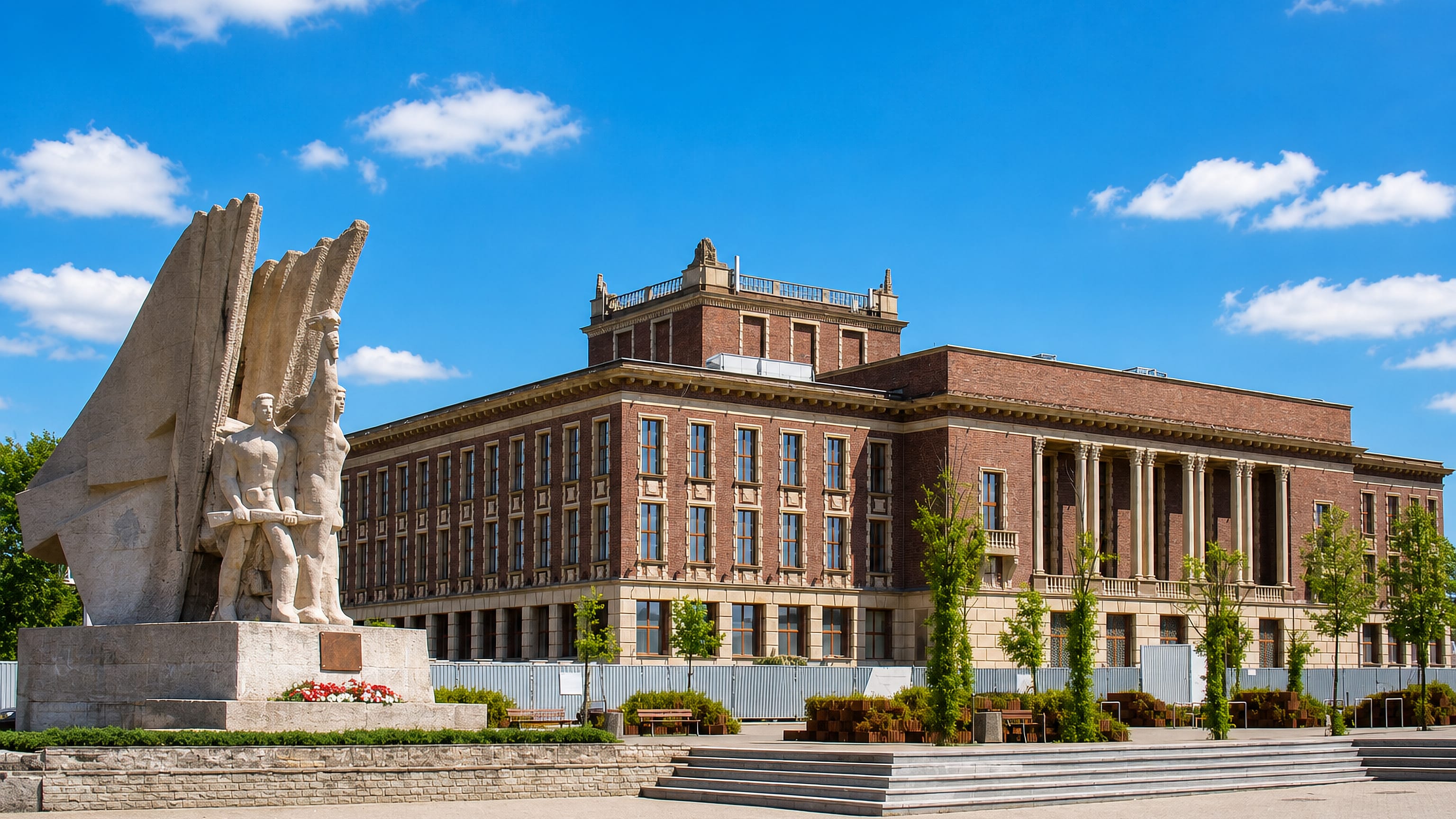
Around the Pałac Kultury Zagłębia
The Muzeum Miejskie Sztygarka and the Pomnik Bohaterom Czerwonych Sztandarów stand within the same few streetsFind hotels in Around the Pałac Kultury ZagłębiaRiver-edge rooms away from the Church of St Mary quarterThe Czarna Przemsza side
The Czarna Przemsza opens the ground out beyond the built-up centre. Rooms are few around here — worth securing early.Find hotels in The Czarna Przemsza sideBeds in Sosnowiec for anyone visiting Dąbrowa GórniczaThe Sosnowiec boundary
The Church of St Joachim marks the adjoining city across the lineFind hotels in The Sosnowiec boundaryHotel links are affiliate links: booking through them may earn us a commission, at no extra cost to you. It never affects how places are ranked. How this works
Things to do in Dąbrowa Górnicza
Ranked by global recognition; descriptions from Wikidata (CC0).
Museums & Galleries
1- Muzeum Miejskie "Sztygarka"
Churches & Religious Sites
3- Church of St. Mary in Dąbrowa Górnicza Heritage
- Saint Anthony of Padua church in Dąbrowa Górnicza Heritage
- Sacred Heart Basilica in Dąbrowa Górnicza Heritage
Castles & Historic Sites
1- Pomnik Bohaterom Czerwonych Sztandarów
worth knowingacross 3 categories in Dąbrowa Górnicza
About Dąbrowa Górnicza
What is Dąbrowa Górnicza known for?
The Pałac Kultury Zagłębia is the landmark most visitors name. Behind it, the Muzeum Miejskie Sztygarka holds the record of the works that made the place, and the Stanowisko archeologiczne Grodzisko marks an older layer of settlement on the same ground. Water shapes the rest.
The Czarna Przemsza and the Biała Przemsza both run through, and the ground they cross is post-industrial across most of its width. The Church of St Mary and Saint Anthony of Padua church mark the parishes.
What are the main landmarks in Dąbrowa Górnicza?
The Pałac Kultury Zagłębia dominates the civic centre. Inside the Muzeum Miejskie Sztygarka the industrial record of the city is kept, which is the closest thing here to a museum of the works themselves. Then come the churches.
The Church of St Mary, Saint Anthony of Padua church, and the Kościół Najświętszego Ciała i Krwi Chrystusa hold the main parishes, while the Pomnik Bohaterom Czerwonych Sztandarów stands among them as the one secular monument on the list. The Stanowisko archeologiczne Grodzisko marks the oldest ground.
What is the history of Dąbrowa Górnicza?
Settlement here is older than the city. The Stanowisko archeologiczne Grodzisko marks an early layer on ground that later carried something entirely different, and the modern place took shape only when industry arrived along the Czarna Przemsza. Town status came in 1916.
That date sits late among Polish cities, and it belongs to a settlement whose growth came from industry rather than from an early charter. Twentieth-century building gave the city its civic set. The Pałac Kultury Zagłębia stands from that period, and the Pomnik Bohaterom Czerwonych Sztandarów belongs to the same decades.
Industry then went. What remains is post-industrial ground, recorded inside the Muzeum Miejskie Sztygarka, while the Church of St Mary, Saint Anthony of Padua church, and the Kościół Najświętszego Ciała i Krwi Chrystusa hold the parish history across a city that spread outward along the Biała Przemsza as much as along its neighbour. The eastern part of the Katowice urban area filled in around it, so the city runs continuously into its neighbours rather than standing clear of them.
Sosnowiec adjoins on the same urban ground, and the Church of St Joachim stands on that side of the boundary.
Where is Dąbrowa Górnicza?
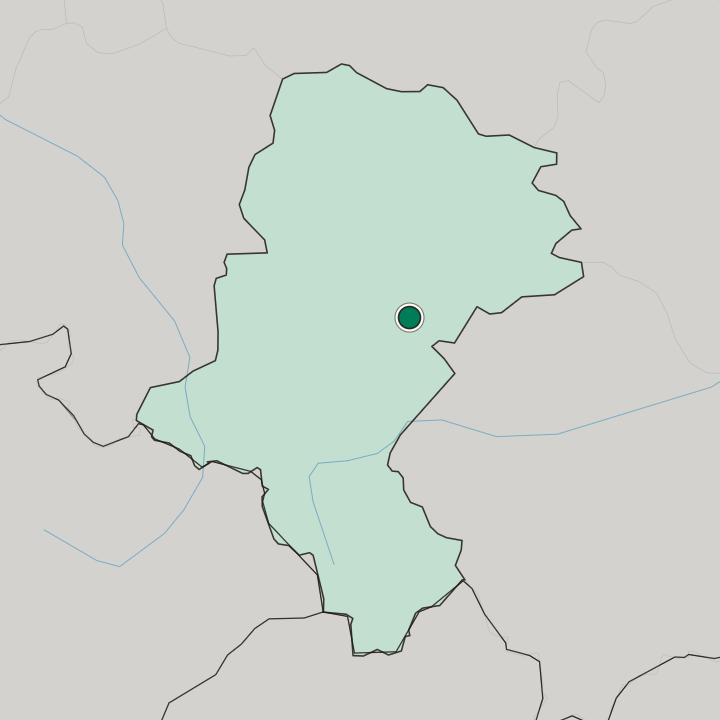
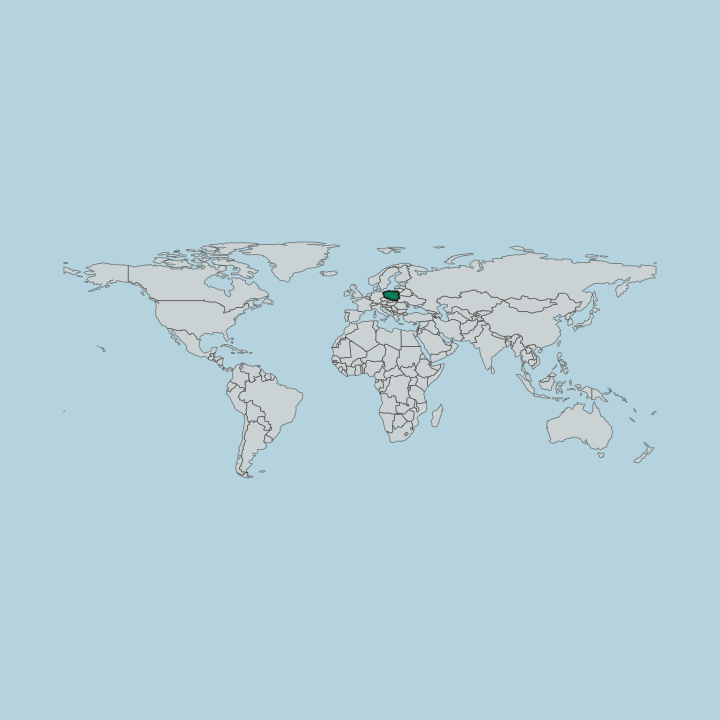
Dąbrowa Górnicza occupies the eastern part of the Katowice urban area. The Czarna Przemsza and the Biała Przemsza both cross it, and the ground stands about three hundred metres above sea level. The administrative area is unusually wide.
That means the built-up centre occupies only part of what the city boundary encloses, with open ground and outlying districts filling the remainder. Sosnowiec adjoins it directly.
What is the climate of Dąbrowa Górnicza?
Elevation sets the tone. Dąbrowa Górnicza stands about three hundred metres above sea level, with no coast anywhere near, so the temperate band here delivers a wide gap between the two ends of the year. The Czarna Przemsza and the Biała Przemsza carry the meltwater and the rain off that ground through the year.
The Pałac Kultury Zagłębia and the Muzeum Miejskie Sztygarka take the colder half of the calendar, while the river ground suits the warmer months.
How do you get to Dąbrowa Górnicza?
Access runs through the Katowice urban area. Dąbrowa Górnicza lies at that conurbation's outer edge, with Sosnowiec directly alongside, so arrivals cross a continuous built-up belt rather than open country before reaching the centre. The Pałac Kultury Zagłębia is the obvious landmark to steer by once inside the city.
Distances inside the boundary are long. The far districts sit well back from the Muzeum Miejskie Sztygarka and the Church of St Mary, so a car matters more here than in the tighter cities around.
Common questions
What is the best area to stay in Dąbrowa Górnicza?
Around the Pałac Kultury Zagłębia: Short stays walking between the civic buildings. The Czarna Przemsza side: River-edge rooms away from the Church of St Mary quarter. The Sosnowiec boundary: Beds in Sosnowiec for anyone visiting Dąbrowa Górnicza.
Good for
More cities in Silesian Voivodeship
Updated October 2026