Poland · Silesian Voivodeship
Where to Stay in Bielsko-Biala, Silesian Voivodeship
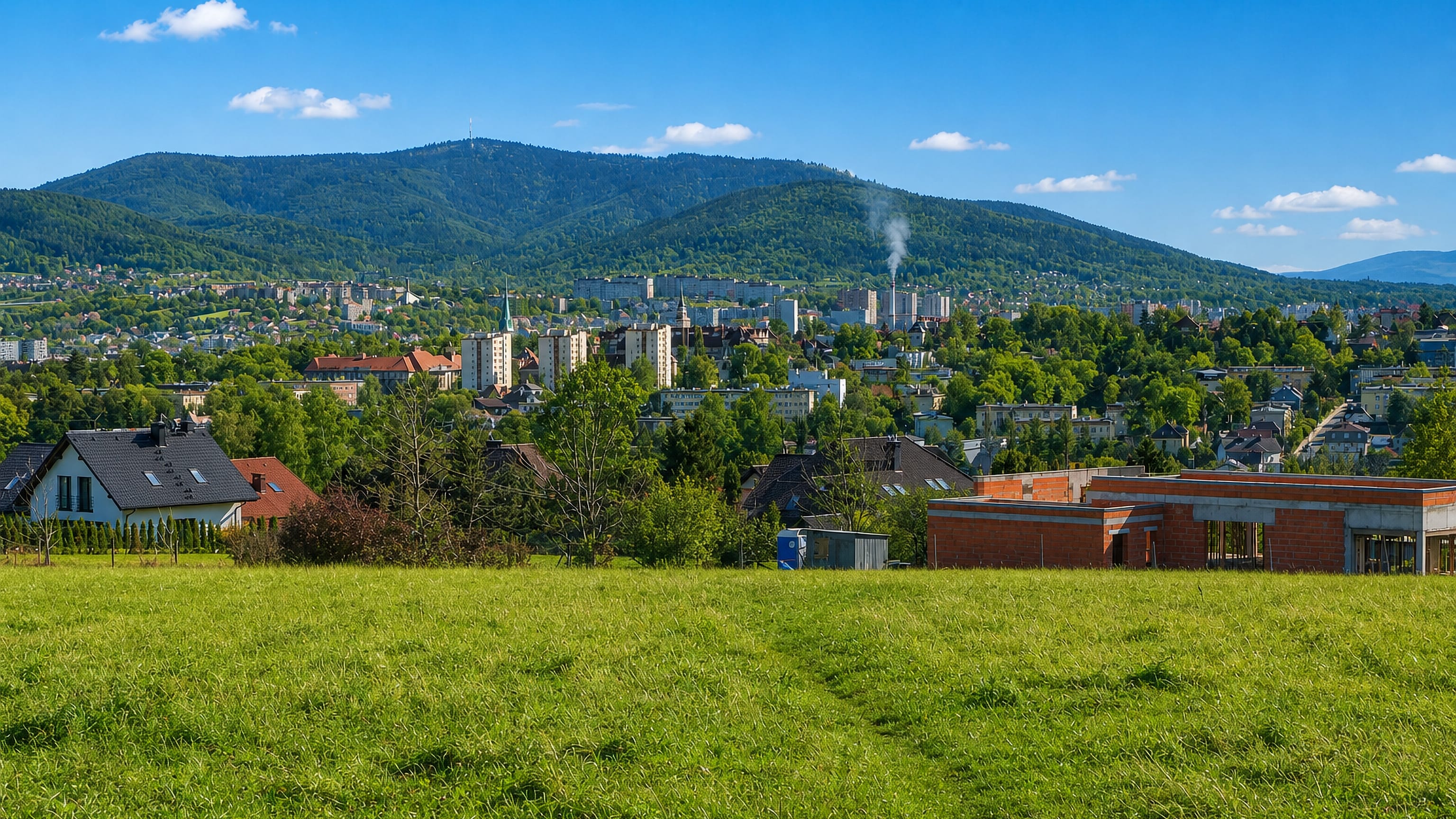
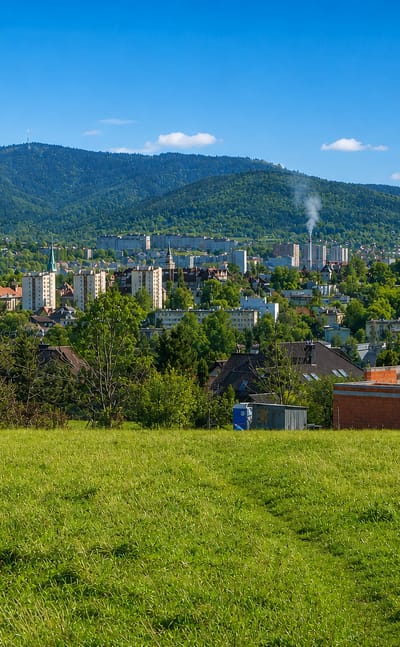
Bielsko-Biała rises at the foot of the Beskidy mountains in southern Poland, a twin town on the Biała with its castle and old weavers' streets.
Hotel links are affiliate links: booking through them may earn us a commission, at no extra cost to you. It never affects how places are ranked. How this works


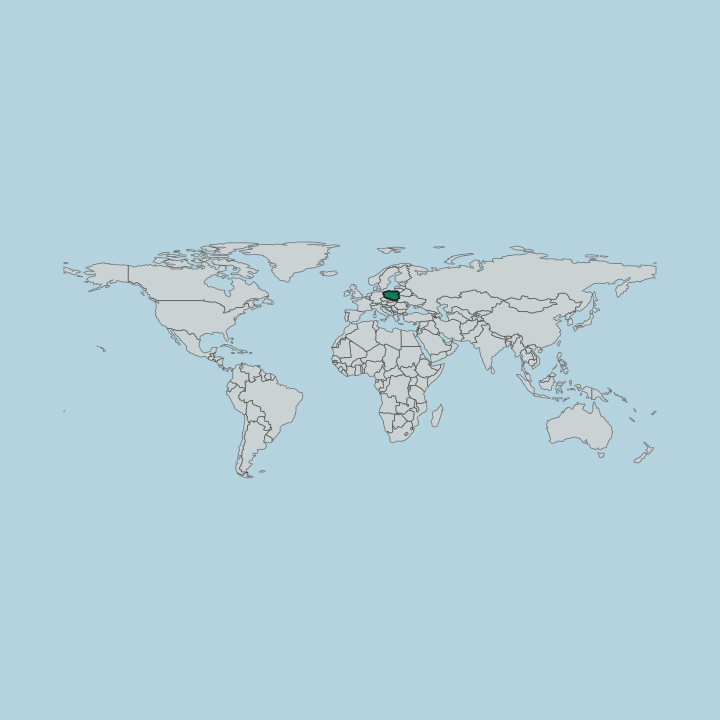
Where to stay in Bielsko-Biala
Each area has its own feel; here's who each one suits.
 Bielsko-BialaPoland
Górne Przedmieście
Górne Przedmieście holds much of Bielsko-Biała's heritage list, from Bielsko-Biała Castle to the Protestant grouping known as Bielski Syjon.Górne Przedmieście → Bielsko-BialaPoland
Słoneczne
Słoneczne is a housing estate in Bielsko-Biała whose register takes in the Castle Chapel and the separately listed houses along Celna Street.Słoneczne → Bielsko-BialaPoland
Stare Bielsko
Stare Bielsko is an osiedle of Bielsko-Biała in the Silesian Foothills, holding Saint Stanislaus church, the Weaver's House Museum and a listed street.Stare Bielsko → Bielsko-BialaPoland
Beskidzkie
Osiedle Beskidzkie is a residential quarter of Bielsko-Biała, within reach of the Muzeum Fiata 126p and the Museum of the 1990s in Bielsko-Biała.Beskidzkie → Bielsko-BialaPoland
Karpackie
Karpackie is a housing estate in Bielsko-Biała whose one named site is the Muzeum Fiata 126p, a museum built around the Fiat 126p.Karpackie →Bielsko-BialaPolandLeszczyny
Leszczyny is a dzielnica of the Lipnik district in Bielsko-Biała, with Centrum Sportu Rekord w Bielsku-Białej among its two named addresses.Leszczyny → Bielsko-BialaPoland
Lipnik
Lipnik covers the eastern part of Bielsko-Biała, a village founded in the 13th century and taken into the town of Biała in 1925.Lipnik →Bielsko-BialaPolandKamienica
Kamienica is an osiedle of Bielsko-Biała in southern Poland, a village in its own right until 1968 and the setting for the Muzeum Fiata 126p.Kamienica → Bielsko-BialaPoland
Komorowice Krakowskie
Komorowice Krakowskie is the northernmost part of Bielsko-Biała, held on both banks of the Biała River that once split Silesia from Lesser Poland.Komorowice Krakowskie → Bielsko-BialaPoland
Wapienica
Wapienica dates from 1568 and belongs to Bielsko-Biała, an osiedle of nearly twenty-six square kilometres with Saint Francis of Assisi church on it.Wapienica → Bielsko-BialaPoland
Straconka
Straconka is an osiedle of Bielsko-Biała in the Silesian Voivodeship, a settlement dating from 1550 and gathered around its Saint Mary church.Straconka →Hotel links are affiliate links: booking through them may earn us a commission, at no extra cost to you. It never affects how places are ranked. How this works
Things to do in Bielsko-Biala
Ranked by global recognition; descriptions from Wikidata (CC0).
Museums & Galleries
3- Bielsko-Biała Museum and Castle
- Weaver's House Museum
- Galeria Bielska BWA
Churches & Religious Sites
8- Cathedral of St. Nicholas Heritage
- Church of Providence in Bielsko-Biała Heritage
- St. Stanislaus church in Bielsko-Biała Heritage
- Church of Marcin Luter in Bielsko-Biala Heritage
- Protestant Church of Saviour in Bielsko-Biała Heritage
Show 3 more →
- Holy Trinity church in Bielsko-Biała Heritage
- Protestant Church of John the Baptist in Bielsko-Biała Heritage
- Church of John the Baptist in Bielsko-Biała Heritage
Castles & Historic Sites
3- Statue of Martin Luther in Bielsko-Biała Heritage
- Lipnik Palace in Bielsko-Biała Heritage
- Bielsko-Biała Castle Heritage
Stadiums & Sports
1- Centrum Sportu Rekord w Bielsku-Białej
Landmarks & Notable Places
4- Dom Żołnierza Heritage
- Officers House in Bielsko-Biała Heritage
- 36 Sobieskiego Street in Bielsko-Biała Heritage
- 63 Sobieskiego Street in Bielsko-Biała Heritage
worth knowingacross 5 categories in Bielsko-Biala
About Bielsko-Biala
What is Bielsko-Biala known for?
Bielsko-Biała is known as a textile town at the foot of the Beskidy mountains in Silesian Voivodeship, southern Poland. Two towns became one. Bielsko and Biała grew on opposite banks of the Biała and later merged, leaving the Bielsko-Biała Museum and Castle above the old streets and the Cathedral of St. Nicholas over the centre, while the Bolek and Lolek Monument and the Reksio Monument recall the animation studio that worked here.
The Beskidy mountains close the southern edge of the city.
What are the main landmarks in Bielsko-Biala?
Bielsko-Biała gathers its landmarks below the castle and along the Biała. The old town holds the sights. The Bielsko-Biała Museum and Castle stands above the streets, the Cathedral of St. Nicholas and the churches of Bielski Syjon rise over the centre, the Weaver's House Museum keeps the textile trade, and the Bolek and Lolek Monument and the Old Factory recall the animation studio and the mills.
What is the history of Bielsko-Biala?
Bielsko-Biała grew from two towns on the Biała at the foot of the Beskidy mountains in southern Poland, the older Bielsko taking its charter in 1312. Wool made the town. Weavers and clothiers built their trade on the slopes above the river, and the mills of Bielsko turned it into a textile centre whose cloth travelled far beyond the Beskidy mountains.
The Weaver's House Museum still holds the tools of that craft. Across the Biała, the separate town of Biała grew in step, and for centuries the river marked the line between the two. They were joined into one city.
Held in turn by the rulers of a shifting Central Europe, the twin towns kept their churches and their trade through each change, the castle on the Bielsko side standing above the streets. A strong Lutheran community raised the churches of Bielski Syjon. The two were finally united as Bielsko-Biała, its mills and its old town spreading up from the Biała toward the mountains, the Bielsko-Biała Museum and Castle still watching over the centre.
Where is Bielsko-Biala?
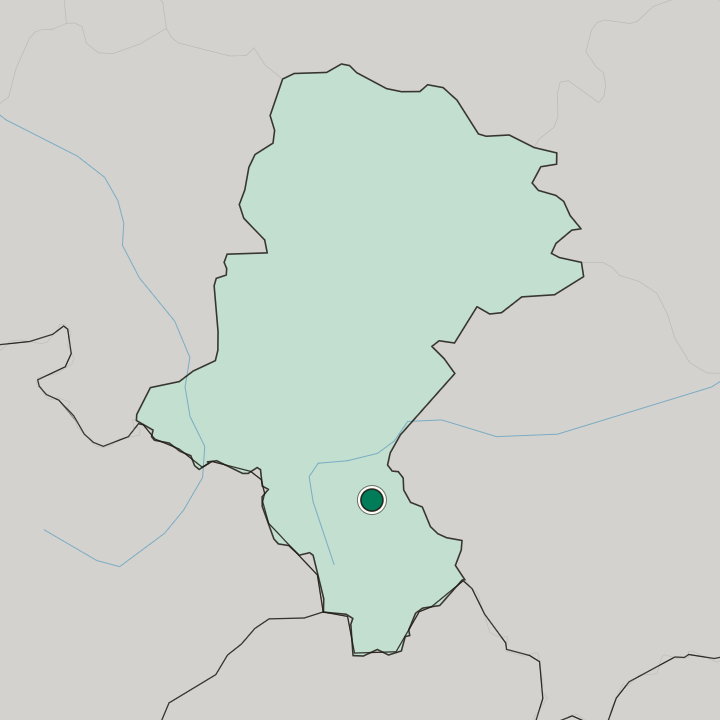
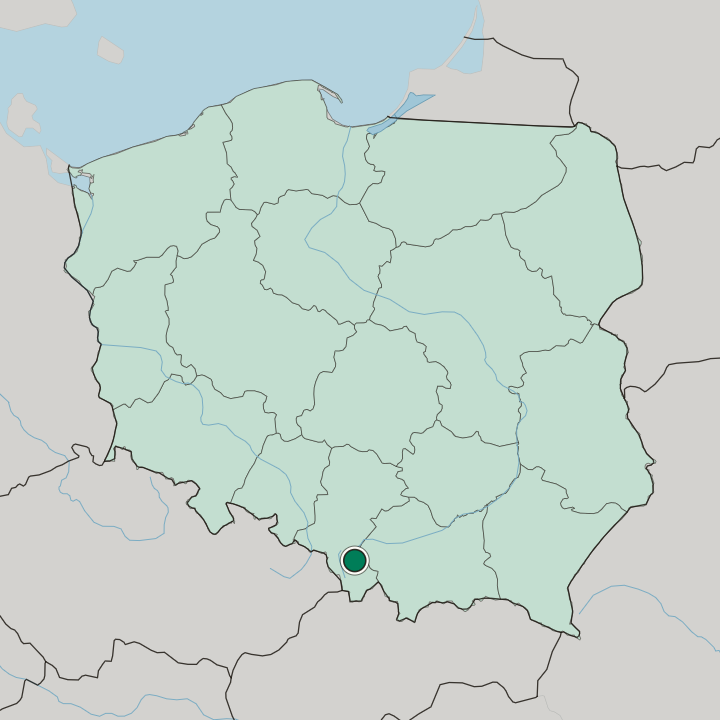
Bielsko-Biała lies on the Biała at the foot of the Beskidy mountains in Silesian Voivodeship, southern Poland. The range walls the south. Climbing from the river onto the lower slopes, Bielsko-Biała spreads from the old Bielsko hill on the western bank to the Biała side across the water, the streets rising toward the wooded ridges of the Beskidy mountains.
What is the climate of Bielsko-Biala?
Bielsko-Biała has a temperate climate shaped by the Beskidy mountains in southern Poland. The hills draw the rain. Cool snowy winters settle on the slopes above the Biała, and warm summers follow, though the nearness of the Beskidy mountains keeps the weather wetter and the air fresher over the city than on the open plain to the north.
How do you get to Bielsko-Biala?
Bielsko-Biała is reached by rail and by road from across southern Poland. The lines meet below the hills. Trains run into the city near the old town, and roads lead in through Silesian Voivodeship and up the valley of the Biała toward the streets below the Bielsko-Biała Museum and Castle, with the Beskidy mountains rising just beyond.
Good for
More cities in Silesian Voivodeship
Updated October 2026