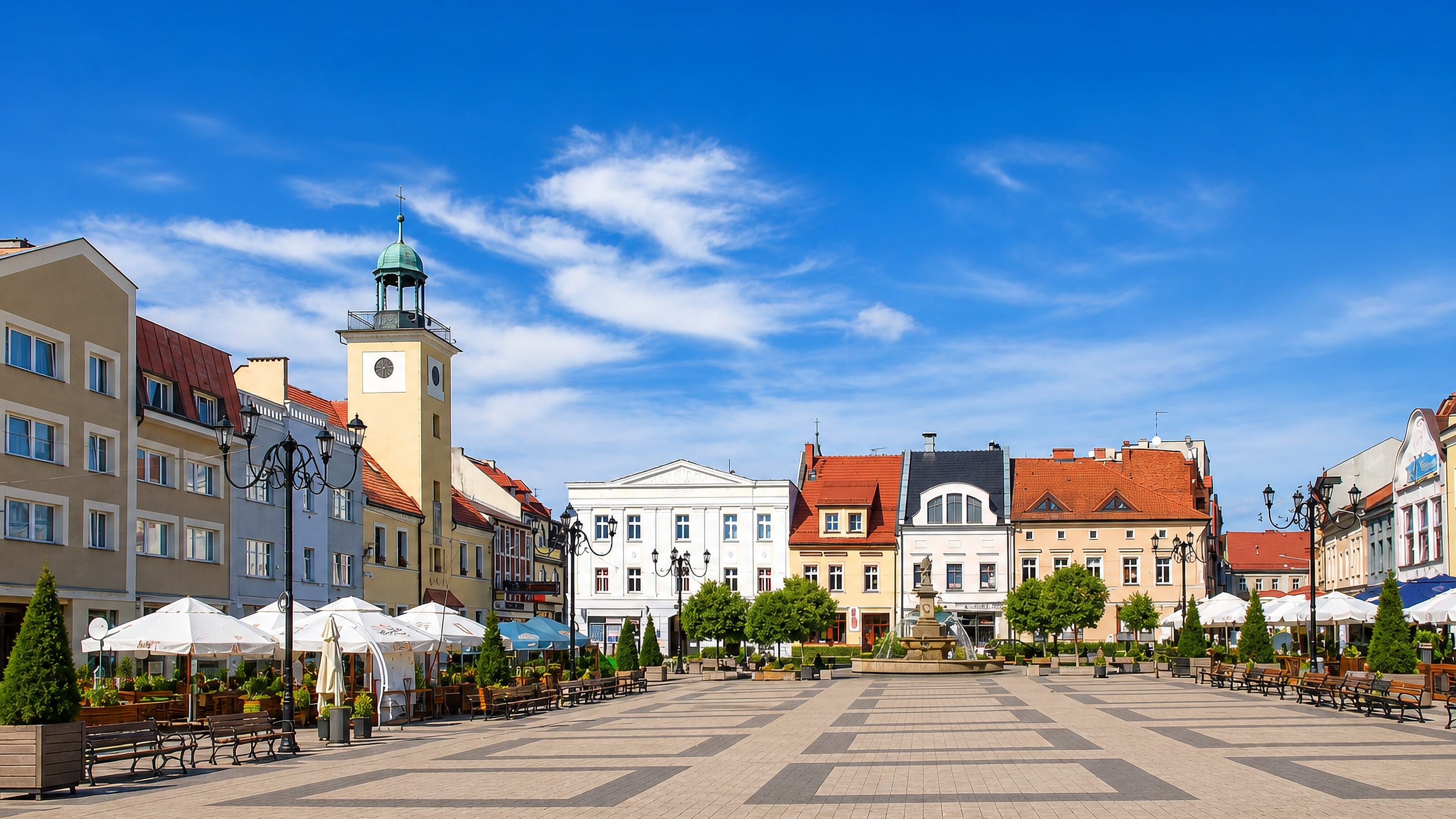
Poland · Silesian Voivodeship
Where to Stay in Rybnik, Silesian Voivodeship
Rybnik dates from 1327: the main city of Subregion Zachodni, with the Old Town Hall in Rybnik and the Heritage coal mine Ignacy on its register.
Hotel links are affiliate links: booking through them may earn us a commission, at no extra cost to you. It never affects how places are ranked. How this works


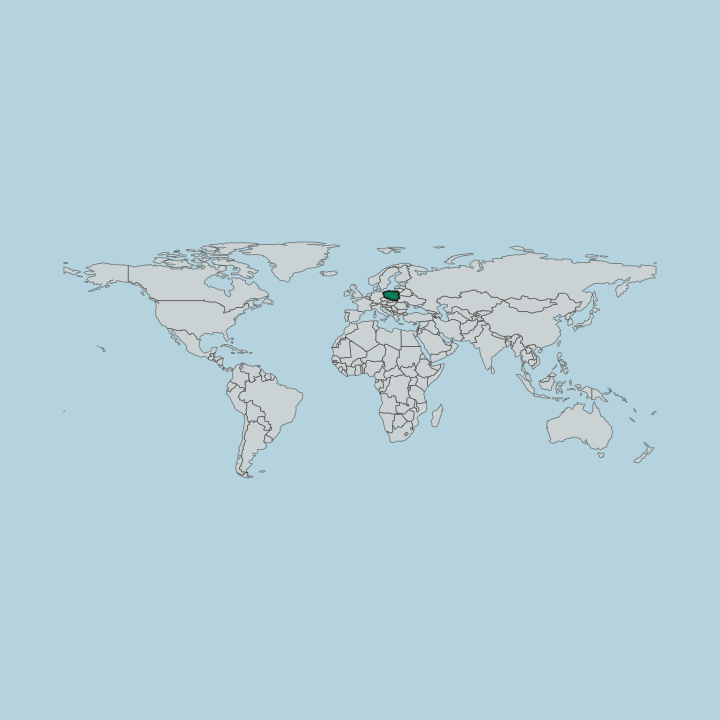
Where to stay in Rybnik
The right area depends on your trip — here's what each neighbourhood is best for.

 RybnikPoland
Zebrzydowice
The parish church of Our Lady of Mount Carmel and St Pius X marks Zebrzydowice, a district of Rybnik in the Silesian Voivodeship.Where to stay → RybnikPoland
Niedobczyce
Niedobczyce is a district of Rybnik in the Silesian Voivodeship, and it stood as an independent town between 1955 and 1975.Where to stay →Hotel links are affiliate links: booking through them may earn us a commission, at no extra cost to you. It never affects how places are ranked. How this works
Find hotels in Rybnik
Direct booking searches for these neighbourhoods.
Market Square
The old core the register marks at 15 Market Square in Rybnik, with the Old Town Hall in Rybnik on the same listFind hotels in Market SquareQuieter listed addresses a square away from the market crowd of RybnikZamkowa Street
The protected entry at 3 Zamkowa Street in Rybnik, with 6 Pocztowa Street in Rybnik carrying a listing on the same terms. Rooms are few around here — worth securing early.Find hotels in Zamkowa StreetVisits built around the Heritage coal mine Ignacy and the Former pumping station in RybnikThe Ignacy side
The industrial end of the Rybnik Coal Area, away from the parishes and civic offices of the old centre. Few places to stay nearby — book ahead.Find hotels in The Ignacy sideHotel links are affiliate links: booking through them may earn us a commission, at no extra cost to you. It never affects how places are ranked. How this works
Things to do in Rybnik
Ranked by global recognition; descriptions from Wikidata (CC0).
Museums & Galleries
1- Muzeum w Rybniku
Churches & Religious Sites
5- St. Anthony Basilica in Rybnik Heritage
- Our Lady of Sorrows church in Rybnik Heritage
- Academic church of the Assumption of Mary in Rybnik Heritage
- Lutheran Church in Rybnik Heritage
- Visitation Monastery in Rybnik Heritage
Castles & Historic Sites
2- Pomnik Jana Pawła II w Rybniku
- Pomnik Braci Szafranków w Rybniku
Landmarks & Notable Places
7- 3 Zamkowa Street in Rybnik Heritage
- 15 Market Square in Rybnik Heritage
- 36 Powstańców street in Rybnik Heritage
- 6 Pocztowa Street in Rybnik Heritage
- 5 Barbary Street in Rybnik Heritage
Show 2 more →
- 7 Barbary Street in Rybnik Heritage
- 9 Barbary Street in Rybnik Heritage
worth knowingacross 4 categories in Rybnik
About Rybnik
Coal named the district.
What is Rybnik known for?
The Heritage coal mine Ignacy is kept as heritage rather than as a working pit, and the Muzeum w Rybniku and the Old Town Hall in Rybnik carry what the city keeps of its own record. Churches are numerous. The Visitation Monastery in Rybnik, the Lutheran Church in Rybnik and the Academic church of the Assumption of Mary in Rybnik cover more than one confession inside a single municipal boundary.
What are the main landmarks in Rybnik?
The Old Town Hall in Rybnik heads it. Muzeum w Rybniku, the House of Crafts in Rybnik and the Former pumping station in Rybnik make up the museum and industrial side, and the Heritage coal mine Ignacy is the largest monument among them. Rybnik's churches come next.
The Visitation Monastery in Rybnik, the Our Lady of Sorrows church in Rybnik and the Kościół Trójcy Przenajświętszej w Rybniku share the register with the Lutheran Church in Rybnik and the Pomnik Jana Pawła II w Rybniku.
What is the history of Rybnik?
The charter year is 1327. Rybnik held a charter long before coal gave the surrounding district its working name, and the Old Town Hall in Rybnik is the building that carries the older municipal function. A listed address sits on the Market Square.
The entry at 15 Market Square in Rybnik joins 3 Zamkowa Street in Rybnik, 6 Pocztowa Street in Rybnik and 36 Powstańców street in Rybnik among the individual addresses the register protects. Ignacy is the industrial witness. The Heritage coal mine Ignacy preserves the works that gave Subregion Zachodni its older name, the Rybnik Coal Area, and the Former pumping station in Rybnik belongs to the same technical inheritance.
Health buildings followed industry. Six hospital pavilions carry separate entries on the register, and the House of Crafts in Rybnik stands among them with an entry of its own. Monuments name two subjects.
The Pomnik Braci Szafranków w Rybniku and the Pomnik Jana Pawła II w Rybniku are the figures the city has chosen to commemorate, and the Visitation Monastery in Rybnik holds the older religious foundation. Parishes fill the rest of the list. The Kościół Trójcy Przenajświętszej w Rybniku, the Our Lady of Sorrows church in Rybnik and the Lutheran Church in Rybnik divide the city between them, alongside the Academic church of the Assumption of Mary in Rybnik.
Where is Rybnik?
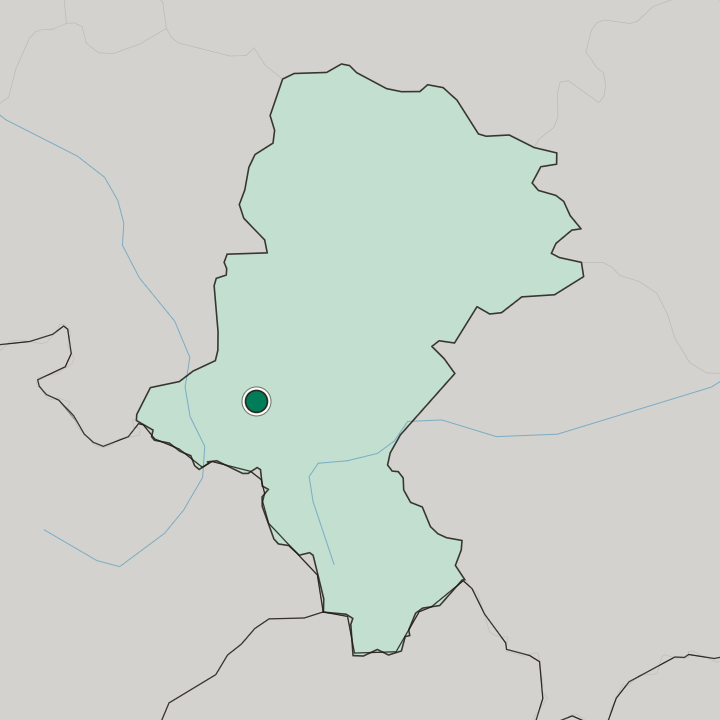
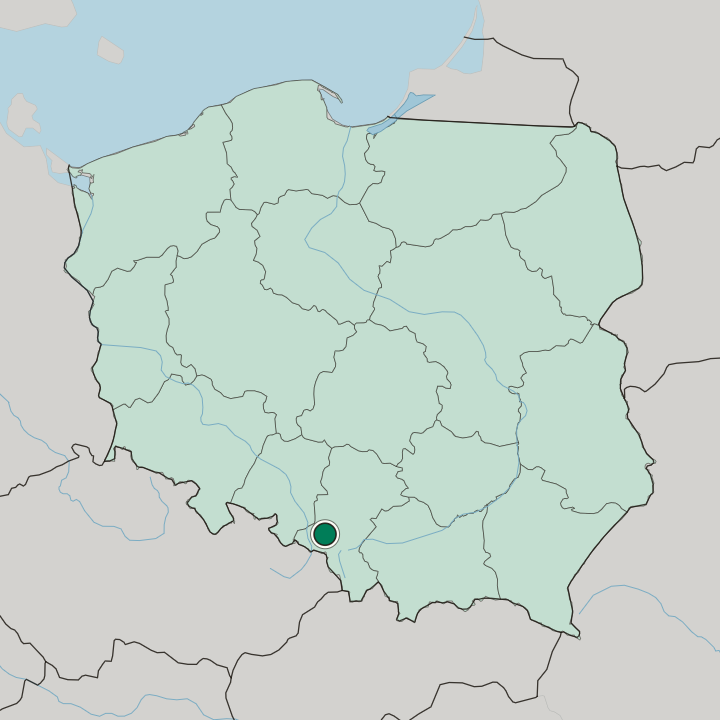
One hundred and forty-eight square kilometres. Rybnik stands roughly 38 km from Katowice and about 19 km from the Czech border, which puts it nearer to another country than to the capital of its own voivodeship. It anchors Subregion Zachodni.
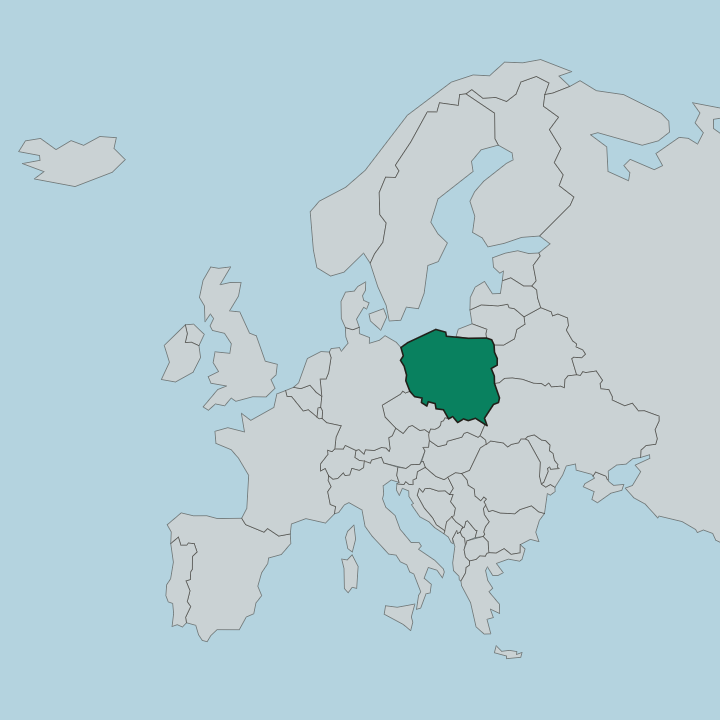
The Katowice-Ostrava metropolitan area is the larger frame, and Rybnik counts as one of its major cities rather than as a satellite of Katowice alone.
What is the climate of Rybnik?
Temperate, and land-locked with it. Rybnik keeps the same inland year as the rest of the Silesian Voivodeship, with no sea near enough to soften either end of it, so summer and winter arrive at full strength. Winter closes the outdoor season.
The Muzeum w Rybniku and the House of Crafts in Rybnik take the indoor months, while the Heritage coal mine Ignacy stands out in the weather whatever the season.
How do you get to Rybnik?
Roughly 38 km separate it from Katowice. Katowice is the region's capital and the obvious point of transfer, and Rybnik holds its own weight as the main city of Subregion Zachodni rather than as a stop on the way to somewhere larger. The Czech border is nearer still.
About 19 km separate Rybnik from it, which makes the Katowice-Ostrava metropolitan area a working description rather than an abstraction on a planner's map.
Common questions
What is the best area to stay in Rybnik?
Market Square: First nights taking in the Old Town Hall in Rybnik and the Muzeum w Rybniku. Zamkowa Street: Quieter listed addresses a square away from the market crowd of Rybnik. The Ignacy side: Visits built around the Heritage coal mine Ignacy and the Former pumping station in Rybnik.
Good for
More cities in Silesian Voivodeship
Updated October 2026