Poland · Silesian Voivodeship
Where to Stay in Zabrze, Silesian Voivodeship
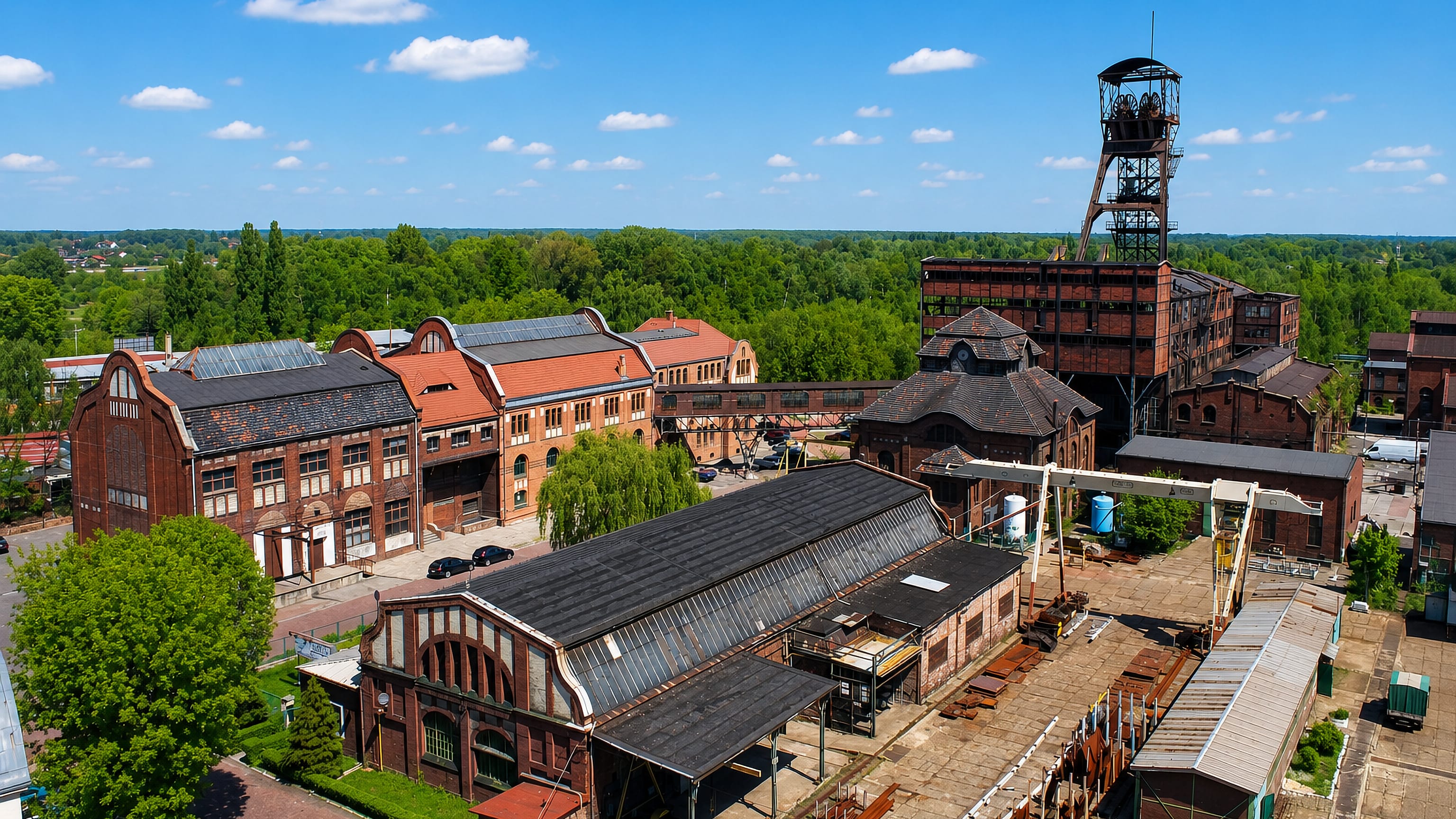
Zabrze dates from 1201, an industrial city of the Silesian Highlands where the Guido Mine and Coal Mining Museum goes underground.
Hotel links are affiliate links: booking through them may earn us a commission, at no extra cost to you. It never affects how places are ranked. How this works


Where to stay in Zabrze
One neighbourhood here has its own guide — here's what it is best for.

 ZabrzePoland
Rokitnica
Rokitnica is a district of Zabrze dating from 1211, its landmarks the Ballestrem Housing Estate and the Sacred Heart of Jesus Church.Where to stay →Hotel links are affiliate links: booking through them may earn us a commission, at no extra cost to you. It never affects how places are ranked. How this works
Find hotels in Zabrze
Direct booking searches for these neighbourhoods.
The Guido Mine side
The end of Zabrze where the Coal Mining Museum in Zabrze keeps its shafts open to visitors. Few places to stay nearby — book ahead.Find hotels in The Guido Mine sideNights at the listed Hotel Admiralspalast in Zabrze rather than beside a museumHotel Admiralspalast quarter
The one address in Zabrze that is both a place to sleep and an entry on the landmark listFind hotels in Hotel Admiralspalast quarterSecond days built on the Queen Luiza Mining Open-Air Museum and the Museum of Historic Vehicles in ZabrzeQueen Luiza end
The open-air side of the Zabrze mining heritage, away from the Water tower in Zabrze and the parish churches. Lodging is scarce in this area; reserve in advance.Find hotels in Queen Luiza endHotel links are affiliate links: booking through them may earn us a commission, at no extra cost to you. It never affects how places are ranked. How this works
Things to do in Zabrze
Ranked by global recognition; descriptions from Wikidata (CC0).
Museums & Galleries
2- Muzeum Techniki Wojskowej w Zabrzu
- Muzeum Miejskie w Zabrzu
Churches & Religious Sites
8- St. Anne's Church in Zabrze Heritage
- St. Hedwig's Church in Zabrze Heritage
- Sacred Heart of Jesus Church in Zabrze Heritage
- St. Andrew's Church in Zabrze Heritage
- St. John the Baptist's in Zabrze Heritage
Show 3 more →
- Peace Church in Zabrze Heritage
- St. Paul's Church in Zabrze Heritage
- Church of the Assumption in Zabrze Heritage
Nature & Outdoors
1- Park im. Poległych Bohaterów Heritage
Stadiums & Sports
1- budynek przy ul. Filipiny Płaskowickiej 4 w Zabrzu
Landmarks & Notable Places
3- Wieża wodna w zespole dawnej Huty Donnersmarck Heritage
- 4 Szafarczyka Street in Zabrze Heritage
- Steel House
worth knowingacross 5 categories in Zabrze
About Zabrze
The mines are the attraction.
What is Zabrze known for?
Guido Mine and Coal Mining Museum takes visitors below the surface, the Queen Luiza Mining Open-Air Museum does the same, and the Coal Mining Museum in Zabrze runs the two sites that make going underground the point of a visit here. Above ground it is industrial too. The Water tower in Zabrze and the Steel House stand among the listed structures, with the Peace Church in Zabrze and the Church of the Assumption in Zabrze for the parishes.
What are the main landmarks in Zabrze?
Underground first. Guido Mine and Coal Mining Museum, the Coal Mining Museum in Zabrze and the Queen Luiza Mining Open-Air Museum are the three entries that made the city a destination, and the Museum of Historic Vehicles in Zabrze and the Muzeum Techniki Wojskowej w Zabrzu follow them. The Steel House is the odd one.
The Water tower in Zabrze, the Hotel Admiralspalast in Zabrze and the Peace Church in Zabrze fill out the built list, with the Muzeum Miejskie w Zabrzu and the Church of the Assumption in Zabrze alongside.
What is the history of Zabrze?
The record starts in 1201. Zabrze carried that date for centuries as a settlement of the Silesian Highlands, and coal made the rest of it, which is why so little on the landmark list is medieval. Mining followed later.
Guido Mine and Coal Mining Museum and the Queen Luiza Mining Open-Air Museum are what the workings became once the extraction stopped. Steel left its own marks. The Steel House takes its name from the material, and the Wieża wodna w zespole dawnej Huty Donnersmarck records a works whose water tower outlasted it.
The Water tower in Zabrze is listed separately. Civic building fills the remainder of the register, from the Hotel Admiralspalast in Zabrze to the Polyclinic in Zabrze, and the Muzeum Miejskie w Zabrzu holds what the buildings left out. Parishes divide the city.
The Peace Church in Zabrze and the Church of the Assumption in Zabrze stand on the municipal list, and Gliwice next door keeps the Saint Hyacinth church in Gliwice and the Saint Mary of Help church in Gliwice. Two more museums came later. The Museum of Historic Vehicles in Zabrze and the Muzeum Techniki Wojskowej w Zabrzu collect machines rather than documents, which suits a city whose main exhibit is a mine.
Where is Zabrze?
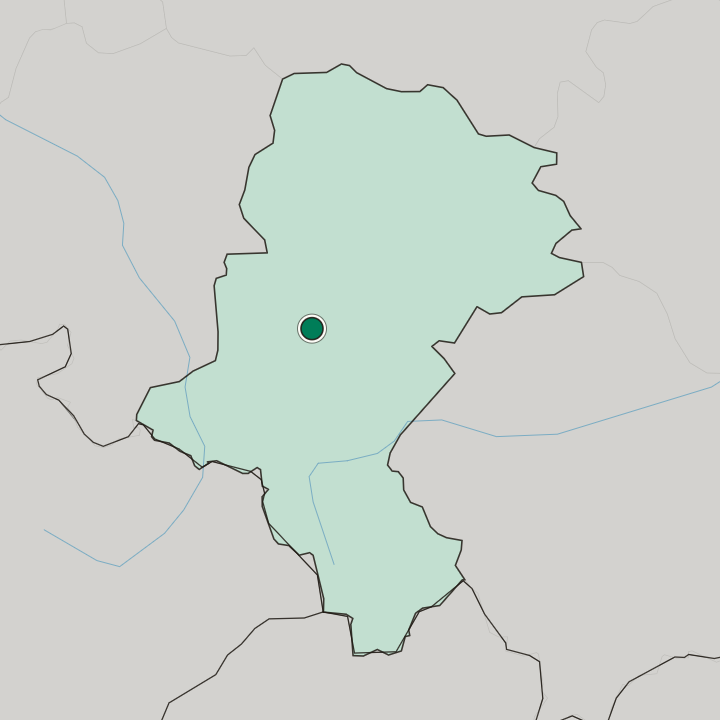
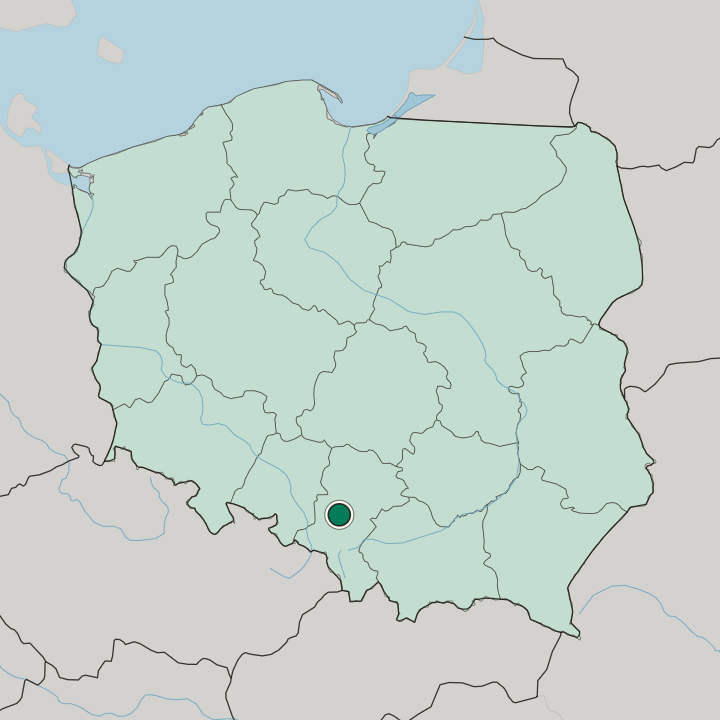
Eighty square kilometres and a little more. Zabrze lies in the Silesian Highlands on the Bytomka, a tributary of the Oder, and holds the western part of the Metropolis GZM with Gliwice on one side and Katowice at the centre of the whole. The Oder takes its water eventually.
Coal shaped the rest of the ground, and the Guido Mine and Coal Mining Museum is where that shaping can be seen from below rather than described.
What is the climate of Zabrze?
Underground the season stops mattering. Zabrze keeps a temperate year like the rest of the Silesian Highlands, with no coast to moderate it, so the swing from January to July is the full inland one. The Bytomka runs through both ends of it.
Guido Mine and Coal Mining Museum and the Queen Luiza Mining Open-Air Museum hold their own temperature below ground, which is the one part of Zabrze the weather does not reach.
How do you get to Zabrze?
Katowice is the hub of the metropolis. Zabrze holds the western part of the Metropolis GZM, so most arrivals cross the agglomeration from that centre, and Gliwice sits alongside as the other large neighbour. The Bytomka runs through the middle.
Guido Mine and Coal Mining Museum is the address most visitors are heading for, and the Coal Mining Museum in Zabrze runs the second site they add to it.
Common questions
What is the best area to stay in Zabrze?
The Guido Mine side: Visits timed around the underground route of Guido Mine and Coal Mining Museum. Hotel Admiralspalast quarter: Nights at the listed Hotel Admiralspalast in Zabrze rather than beside a museum. Queen Luiza end: Second days built on the Queen Luiza Mining Open-Air Museum and the Museum of Historic Vehicles in Zabrze.
Good for
More cities in Silesian Voivodeship
Updated October 2026