Russia · Moscow Oblast
Where to Stay in Chekhov, Moscow Oblast
Chekhov is the administrative centre of Chekhovsky District in Moscow Oblast, built around the estate grounds of Lopasnya-Zachatevskoe.
Find your area →


Where to stay in Chekhov
Where the beds are, and what that means for the visit.
Two sides of town take guests. Lopasnya-Zachatevskoe sits apart from the traffic, and rooms taken near the estate put the museum of Chekhov's letters, the Church of Anna's Conceiving and a stretch of old merchant houses within one walk. The Goncharov-Vasilchikov Estate lies on the same side, its main house, stables and park kept together.
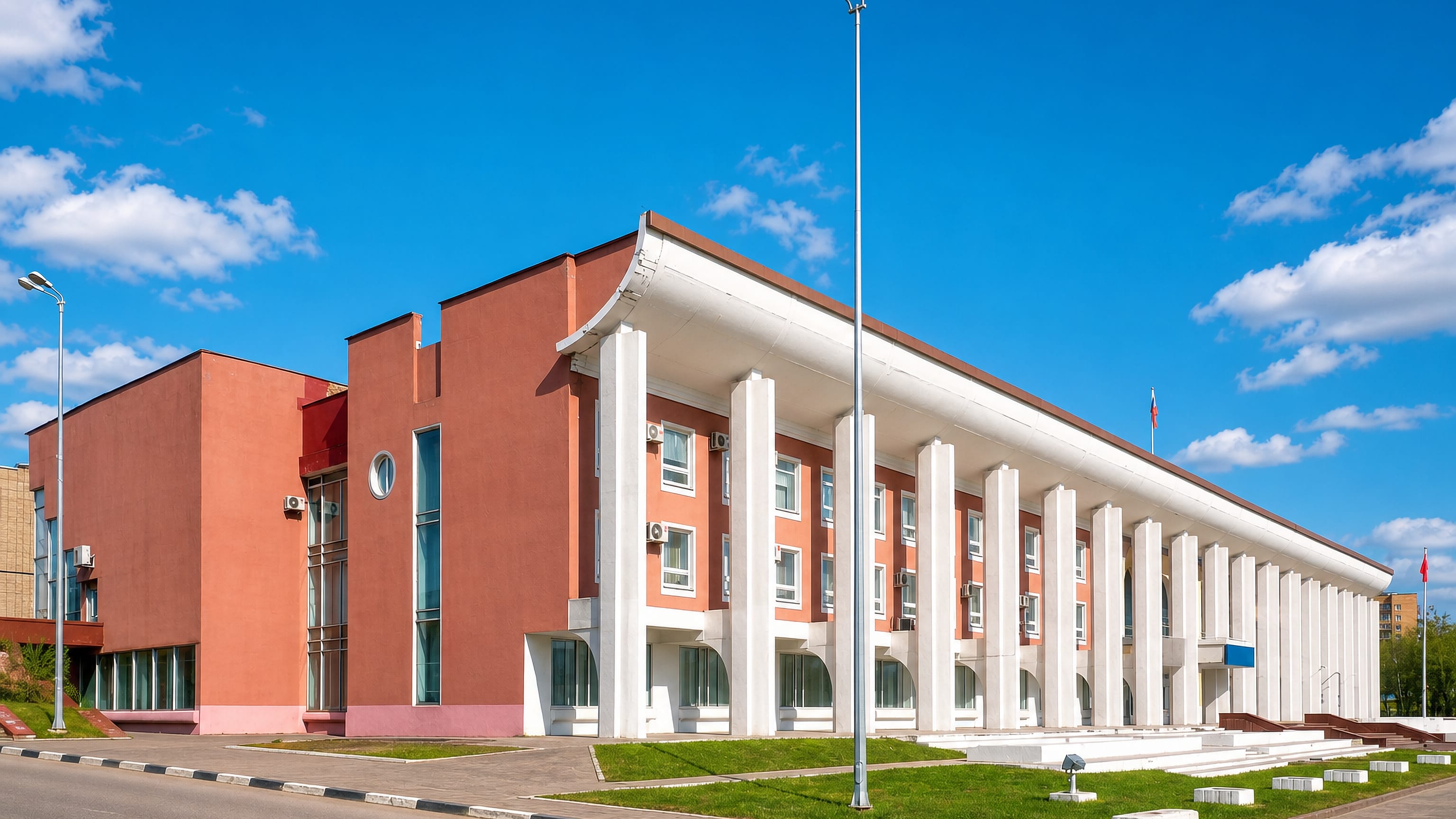
Quiet comes as standard there. The working centre is the other choice, gathered around the Monument T-34 and the streets where the district offices, the shops and the bus stands are, which is where anyone arriving late will find the practical rooms. The Olimpiysky sports palace pulls its own traffic when a match or a meet fills it, and beds nearby go first on those weekends.
Sadki estate is further out. A car matters for the outlying parts of Chekhovsky District, where Venyukovo and Chepelyovo keep listed houses of their own but almost nothing to sleep in. The Church of John the Baptist stands out that way.
Most people come for a day rather than a week, and a single night near the estate covers the museum, the churches and the park without moving the car.
Things to do in Chekhov
Ranked by global recognition; descriptions from Wikidata (CC0).
Museums & Galleries
1- Музей писем А. П. Чехова Heritage
Churches & Religious Sites
2- Church of Anna's Conceiving Heritage
- Church of John the Baptist, Chekhov Heritage
Castles & Historic Sites
3- Культурный слой усадьбы Гончаровых (Чехов) Heritage
- Селище (Чехов) Heritage
- Селище «Чехов-2» (Чехов) Heritage
Stadiums & Sports
1- Олимпийский (дворец спорта, Чехов)
Landmarks & Notable Places
8- Lopasnya-Zachatevskoe Heritage
- Chekhov Heritage
- Sadki estate Heritage
- Main house of Goncharov-Vasilchikov Estate Heritage
- Park in Goncharov-Vasilchikov Estate Heritage
Show 3 more →
- Волостное правление (Чехов) Heritage
- Главный дом (Чехов) Heritage
- Дом земского начальника А.К. Тарновского (Чехов) Heritage
worth knowingacross 5 categories in Chekhov
About Chekhov
What is Chekhov known for?
Lopasnya-Zachatevskoe stands at the old core of the town and holds the museum of Chekhov's letters, while the Goncharov-Vasilchikov Estate survives close by with its main house, stables and park. Chekhovsky District is run from here. Sport fills the rest of the local calendar at the Olimpiysky sports palace, and the Monument T-34 marks the war years for anyone crossing the square where it stands.
Two old churches remain, the Church of Anna's Conceiving and the Church of John the Baptist.
What are the main landmarks in Chekhov?
Lopasnya-Zachatevskoe comes first. The estate keeps the museum of Chekhov's letters, and the Goncharov-Vasilchikov Estate adds a main house, stables and a park that has kept its planting lines. Two churches hold the older skyline, the Church of Anna's Conceiving and the Church of John the Baptist, while Sadki estate stands apart from both.
The Monument T-34 stands over a square in the centre.
What is the history of Chekhov?
The ground was settled long before the name Chekhov. Two settlement sites lie inside the modern town, one of them recorded simply as Chekhov-2, and the cultural layer of the Goncharov estate has been listed as a monument in its own right. The place carries the older name Lopasnya as well.
Its centre was the estate of Lopasnya-Zachatevskoe, and the Goncharov-Vasilchikov Estate held its own ground nearby with a main house, stables and a laid-out park. Trade built the streets that followed. Merchant houses survive from that period, among them the house of Filipp Matveyev, the house of the merchant Markov, a second house built for the timber merchant Markov and the Yushkin estate.
A volost administration building, a coachman's house and the house of the zemstvo chief Tarnovsky stand from the same order of things, and the school at Venyukovo shows how far that settlement reached. Churches came earlier. The Church of Anna's Conceiving and the Church of John the Baptist are the two that carried the parish through the changes, and Sadki estate kept its own house apart from the town.
The Monument T-34 was raised for the war years, and the town serves as the administrative centre of Chekhovsky District within Moscow Oblast.
Where is Chekhov?
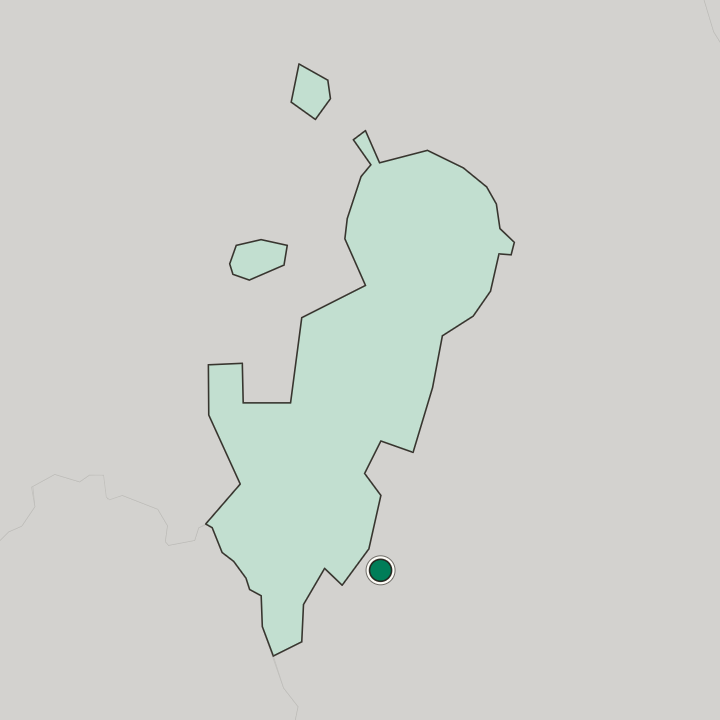
Chekhov covers about 23 square kilometres of Moscow Oblast, a small footprint for a district centre. The built-up part is compact. Around it, Chekhovsky District runs out through settlements such as Venyukovo and Chepelyovo, and the estate grounds of Lopasnya-Zachatevskoe and the Goncharov-Vasilchikov Estate keep patches of parkland and old planting inside the boundary.
Sadki estate lies on its own ground.
What is the climate of Chekhov?
Snow settles on the park of the Goncharov-Vasilchikov Estate for months at a stretch, and the open ground of Moscow Oblast gives the town nothing to blunt the cold that comes with it. The warm months are few. The estate grounds at Lopasnya-Zachatevskoe carry most of the warm-weather traffic, while the museum of Chekhov's letters and the Church of Anna's Conceiving take the wet days.
Rain is spread through the year.
How do you get to Chekhov?
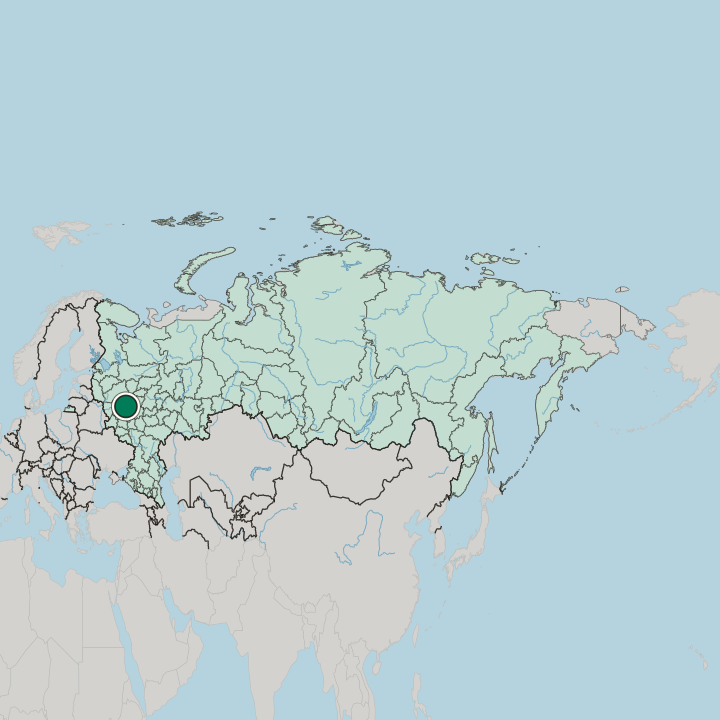
Chekhov sits inside Moscow Oblast. As the administrative centre of Chekhovsky District, the town is the point the district roads converge on, and the outlying settlements of Venyukovo and Chepelyovo are reached from here rather than the other way round. Distances inside the town are short.
The Lopasnya-Zachatevskoe grounds, the Monument T-34 square and the Olimpiysky sports palace stand within the built-up area, so a single visit covers them on foot once a car is parked.
Good for
More cities in Moscow Oblast
Updated October 2026