Russia · Moscow Oblast
Where to Stay in Orekhovo-Zuyevo, Moscow Oblast
Orekhovo-Zuyevo was formed in 1917 from three villages on the Klyazma River, a Morozov mill city in the forests east of Moscow.
Find your area →


Where to stay in Orekhovo-Zuyevo
The practical side of choosing where to sleep.
Bugrov street is the address that tells you most about Orekhovo-Zuyevo, since its northern end is protected as an ensemble and the workers' barracks that built the city stand along it. Its centre is tightly drawn. A room near the Cathedral of the Nativity puts the Sveshnikov house and the older street frontages within a short walk, which is as much as the city asks of a visitor on foot.
Weekday demand is industrial. Nikolskoye is the other option, built around the hospital town of the Nikolskaya manufactory, where the treatment building, the doctors' house and the park survive as one group. You would take it for the mill architecture rather than for restaurants, and accept a longer walk back into the middle of the city at the end of the evening.
Beds are few outside the centre. Anyone tracing the Morozov strike of 1885 will want to be central, since both monuments and the graves of Pyotr Anisimovich Moiseenko and Ignat Vasilyevich Bugrov lie in that part of the city. Dubrovka and Drovoseki sit further out with their churches.
The Klyazma River runs past the edge of it all.
Things to do in Orekhovo-Zuyevo
Ranked by global recognition; descriptions from Wikidata (CC0).
Churches & Religious Sites
5- Церковь Рождества Пресвятой Богородицы Heritage
- Богадельня морозовской мануфактуры с церковью Тимофея Апостола (Орехово-Зуево) Heritage
- Церковь Воздвижения Креста Господня в Дубровке (Орехово-Зуево) Heritage
- Церковь Ксении Петербургской при заводской больнице (Орехово-Зуево) Heritage
- Церковь великомученика Никиты (Дровосеки) Heritage
Castles & Historic Sites
2- Монумент в честь 100-летия Морозовской стачки (Орехово-Зуево) Heritage
- Памятник участникам Морозовской стачки 1885 г. и могилы Моисеенко Петра Анисимовича и Бугрова Игната Васильевича (Орехово-Зуево) Heritage
Landmarks & Notable Places
8- Cathedral of the Nativity Heritage
- 1-я казарма - место рабочих собраний (Орехово-Зуево) Heritage
- Ансамбль застройки северной части улицы Бугрова (Орехово-Зуево) Heritage
- Больничный городок Никольской мануфактуры Морозовых (Орехово-Зуево) Heritage
- Вентиляционная шахта (Орехово-Зуево) Heritage
Show 3 more →
- Дом Свешникова (Орехово-Зуево) Heritage
- Дом врачей (Орехово-Зуево) Heritage
- Дом фельдшеров (Орехово-Зуево) Heritage
worth knowingacross 3 categories in Orekhovo-Zuyevo
About Orekhovo-Zuyevo
The Morozov mills made this place.
What is Orekhovo-Zuyevo known for?
Savva Morozov's new weaving factory and the Nikolskaya manufactory drew the workforce that built Orekhovo-Zuyevo, and the barracks put up for them still stand along the streets. Labour history runs deeper here than in most of Moscow Oblast, since the Morozov strike of 1885 is marked by two monuments and by the graves of Pyotr Anisimovich Moiseenko and Ignat Vasilyevich Bugrov. The Cathedral of the Nativity holds the religious centre.
Forest surrounds the rest.
What are the main landmarks in Orekhovo-Zuyevo?
The Cathedral of the Nativity is the building that orders the centre. Industry supplies most of the rest: the new weaving factory of Savva Morozov, the workers' barracks and the hospital town of the Nikolskaya manufactory with its treatment building and its park. Two monuments and a pair of graves mark the Morozov strike of 1885.
Churches stand out at Dubrovka and Drovoseki. The Sveshnikov house and the listed frontages of Bugrov street complete the older town.
What is the history of Orekhovo-Zuyevo?
Orekhovo-Zuyevo was established in 1917, when three villages were merged into a single city on the Klyazma River. The name carries that origin, since Orekhovo comes from the Russian word for nut, often shortened to Orekh. Textiles came before the city did.
The Morozov family had already built the Nikolskaya manufactory at Nikolskoye and the new weaving factory of Savva Morozov, and the barracks raised for the workforce, including the one used for workers' meetings, still stand. Vikula Morozov and Sons ran a partnership alongside them at Nikolskoye. Labour trouble followed the mills.
The Morozov strike of 1885 is commemorated by a monument to its participants and by a second monument raised on its hundredth anniversary, with the graves of Pyotr Anisimovich Moiseenko and Ignat Vasilyevich Bugrov alongside. Welfare building came from the same owners, and the hospital town of the Nikolskaya manufactory kept its treatment building, doctors' house and park, while an almshouse with the church of Timothy the Apostle served the older workers. Savva Morozov's primary school belongs to that programme.
The Cathedral of the Nativity and the churches at Dubrovka and Drovoseki carry the parish side, and the Sveshnikov house and the northern end of Bugrov street survive from the pre-Soviet streetscape. Soviet building added its own, including the Narkompochtel building.
Where is Orekhovo-Zuyevo?
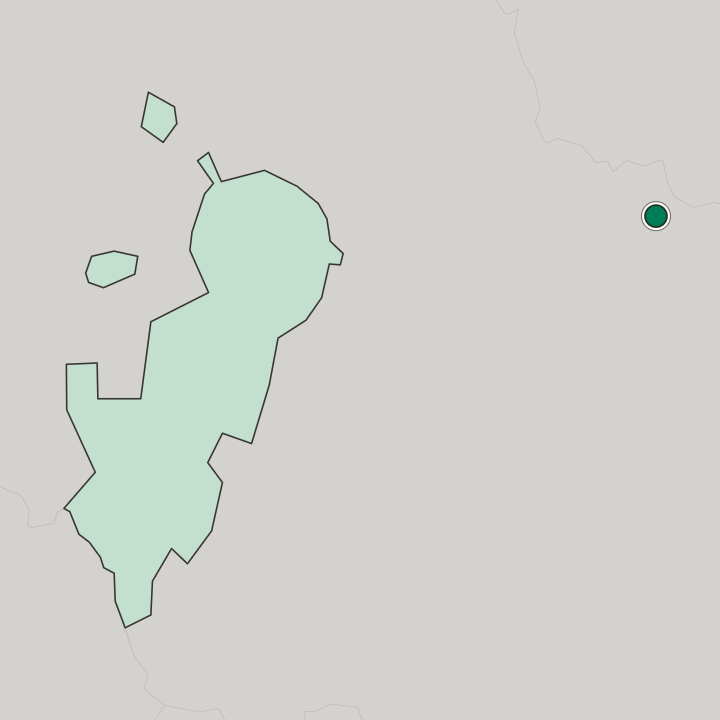
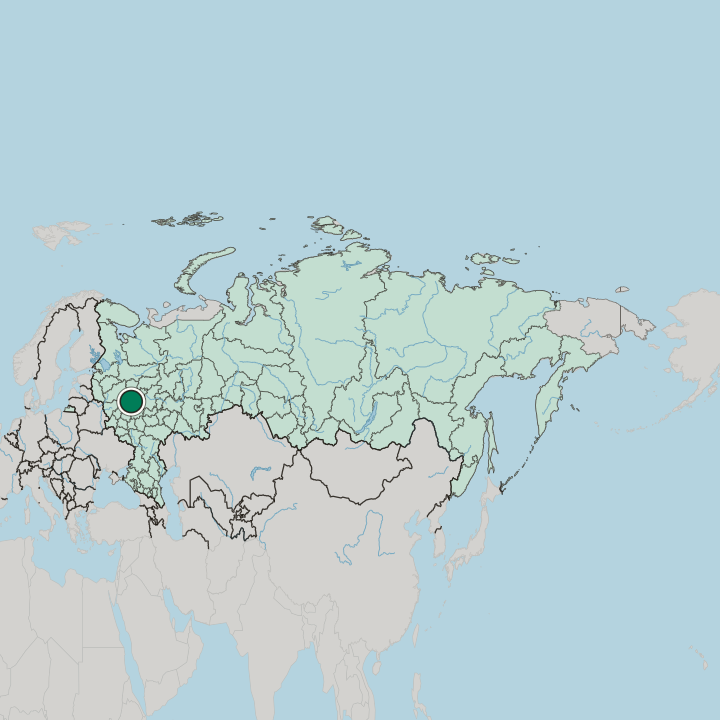
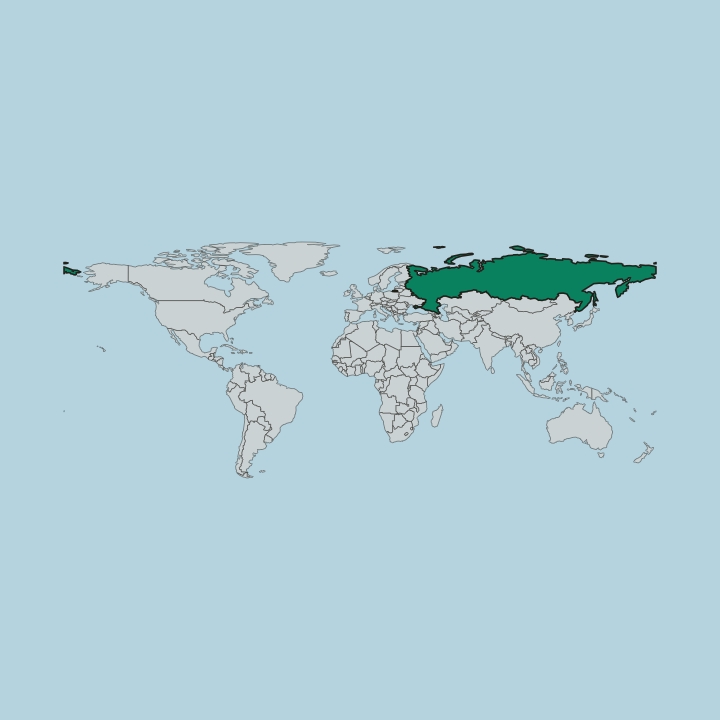
Orekhovo-Zuyevo sits on the Klyazma River in a forested part of Moscow Oblast, about 85 kilometres east of Moscow, and covers roughly 36 square kilometres. Woods press in on the edges. The city was assembled rather than grown, three villages merged into one plan, which is why the mill quarters at Nikolskoye and the streets around the Cathedral of the Nativity read as separate places.
Dubrovka and Drovoseki lie beyond.
What is the climate of Orekhovo-Zuyevo?
The forest around Orekhovo-Zuyevo turns the year more visibly than the streets do, holding snow long after the mill quarters have cleared theirs. Winter is the long half. Warm weeks are worth spending outside the built-up ground, on the wooded edge or along the Klyazma River, because the rest of the calendar keeps most days indoors.
Wet autumns are usual.
How do you get to Orekhovo-Zuyevo?
The road from Moscow covers about 85 kilometres, which makes Orekhovo-Zuyevo a long suburban run rather than a short hop. The Klyazma River is the constant. Inside the city, Bugrov street and the Cathedral of the Nativity are the two fixed points, and the mill quarter at Nikolskoye sits far enough off the centre to need its own leg of the journey.
Dubrovka and Drovoseki are further again.
Good for
More cities in Moscow Oblast
Updated September 2026