Russia · Moscow Oblast
Where to Stay in Podolsk, Moscow Oblast
Podolsk is the industrial second city of Moscow Oblast, built along the Pakhra, with the Dubrovitsy Estate and the Znamenskaya Church on its ground.
Find your area →


Where to stay in Podolsk
How the choice of base plays out on the ground.
Podolsk keeps its lodging in the centre. Revolution Prospect and Bolshaya Serpukhovskaya Street carry most of what a visitor needs, with the Holy Trinity Church and the Provincial government offices inside the same few blocks and the Pakhra a short walk off. Blocks run tall here.
Little about the high-rise frontage is handsome, though the walking is easy and the older buildings on Lenin Avenue and Matrosskaya break the line. Rabochaya Street 5B and the frontage at Bolshaya Serpukhovskaya Street 2/24 are listed among the survivors. Dubrovitsy is another case entirely.
Anyone booking for the Znamenskaya Church should look at the estate side, where the main house, the fountain and the park sit together and an evening walk beats a night among the towers. Beds out there are few. The Ivanovskoye Estate makes a third option, standing in a fenced park of its own with a main house, a pavilion and a two-storey theatre, while Erino keeps the Church of the Intercession in Erino and little else for company.
Podolsk Urban Okrug reaches well past the towers. Stay if you want the estates rather than the industry.
Things to do in Podolsk
Ranked by global recognition; descriptions from Wikidata (CC0).
Museums & Galleries
1- Ivanovskoe Palace Heritage
Churches & Religious Sites
4- Znamenskaya Church Heritage
- Holy Trinity Church Heritage
- Church of the Intercession in Erino Heritage
- Church of the Renewal of the Temple of the Resurrection (Podolsk) Heritage
Castles & Historic Sites
2- Памятник подольским курсантам (Подольск) Heritage
- Дубровицы (селище) Heritage
Landmarks & Notable Places
8- Dubrovitsy Estate Heritage
- Podolsk Heritage
- Revolution Prospect 16a Heritage
- Bolshaya Serpukhovskaya Street 2/24, Podolsk Heritage
- East wing of the Ivanovskoye Estate in Podolsk Heritage
Show 3 more →
- Fence of the Ivanovskoye Estate in Podolsk Heritage
- Lenin Avenue 91/23, Podolsk Heritage
- Main house of the Ivanovskoye Estate in Podolsk Heritage
worth knowingacross 4 categories in Podolsk
About Podolsk
Industry set the shape.
What is Podolsk known for?
Podolsk is the second largest city of Moscow Oblast, built up in high-rise blocks along the Pakhra, and the first impression from a car window undersells what stands behind them. The Dubrovitsy Estate is the reason most people come. Its main house, its fountain and the Znamenskaya Church make an hour on foot worth more than the drive in.
Provincial government offices and the Holy Trinity Church hold the older centre together.
What are the main landmarks in Podolsk?
Dubrovitsy carries the top billing. The Znamenskaya Church stands with the estate's main house, its fountain, its park and the singing field, and an older settlement site at Dubrovitsy belongs to the same ground. The Ivanovskoye Estate answers with a main house, two wings, a pavilion and a two-storey theatre.
Churches fill the rest of the list. The Holy Trinity Church, the Church of the Renewal of the Temple of the Resurrection and the Church of the Intercession in Erino are the ones named, with the listed frontage at Revolution Prospect 16a standing in the centre.
What is the history of Podolsk?
The name enters the record in 1627. Podolsk began on the Pakhra as a settlement of no great size, and the estates of Dubrovitsy and Ivanovskoye carried the wealth of the district long before the town itself did. Two houses tell that story.
The Dubrovitsy Estate keeps its main house, its fountain, its park and the singing field, while the Ivanovskoye Estate holds a main house, two wings, a pavilion and a two-storey theatre inside its own fenced park. Industry arrived next. Podolsk turned industrial, and the blocks that went up around the factories gave the city the high-rise frontage it still wears along Revolution Prospect and Lenin Avenue.
Administration followed. The Provincial government offices date from the town's rise to that role, and the Holy Trinity Church, the Church of the Renewal of the Temple of the Resurrection and the Znamenskaya Church carried the religious side of the same centuries. Fragments of the older town survive at Rabochaya Street 5B, at Bolshaya Serpukhovskaya Street 2/24, at Matrosskaya 5 and at Revolution Prospect 16a.
The Church of the Intercession in Erino stands outside the built-up city and belongs to that older countryside. Podolsk Urban Okrug takes its administration from here.
Where is Podolsk?
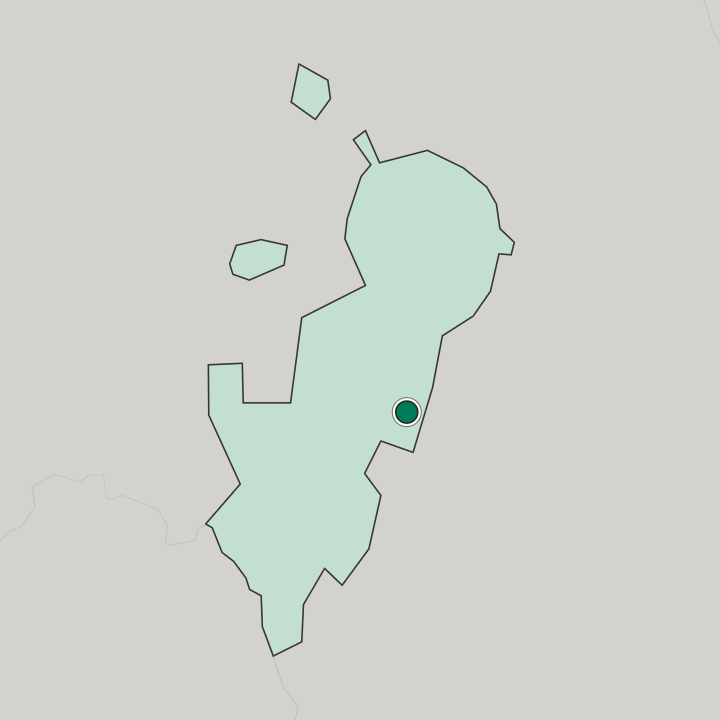
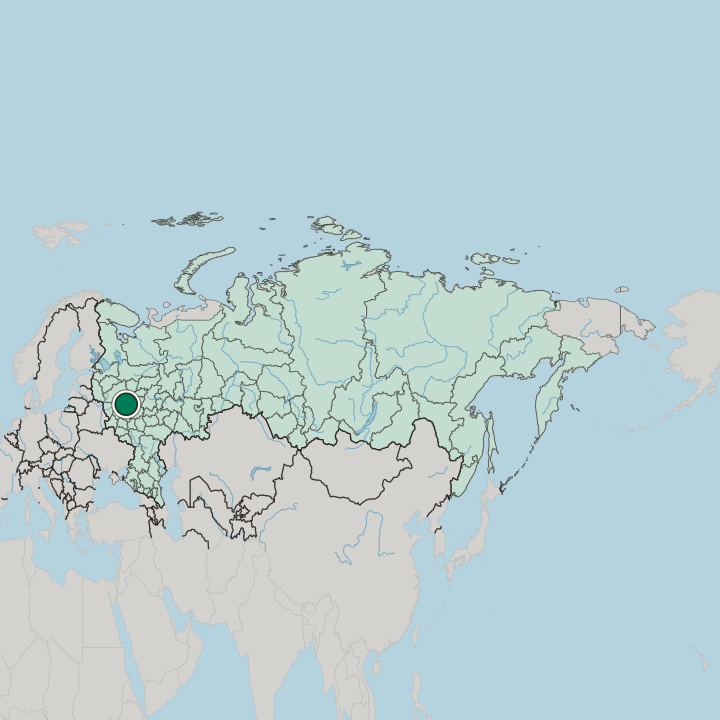
The Pakhra runs through it. Podolsk covers roughly 40 square kilometres of Moscow Oblast, built out along the river in blocks that give the city its height, and the estate grounds interrupt that pattern with the only large stretches of parkland. The park at Dubrovitsy and the park of the Ivanovskoye Estate are the two green grounds inside it.
Erino keeps its own church. Podolsk Urban Okrug takes in all of it.
What is the climate of Podolsk?
The Pakhra freezes each winter. Podolsk sits inland in the middle of Moscow Oblast, so the cold settles over the high-rise blocks for months and the parks at Dubrovitsy and Ivanovskoye are stripped back to bare wood. Green comes fast when it comes.
Long light in the middle of the year is what makes the estate walks work, and outside that stretch the Znamenskaya Church and the Holy Trinity Church carry the visiting on their own.
How do you get to Podolsk?
Road traffic brings in almost everyone. Revolution Prospect and Lenin Avenue are the lines that carry traffic through the middle of Podolsk, and Bolshaya Serpukhovskaya Street feeds the older centre where the Holy Trinity Church stands. The car is the wrong tool here.
Walking pays off far better than driving, and the grounds of the Dubrovitsy Estate and the Ivanovskoye Estate are best crossed on foot. Erino is the outlier, further out than the rest.
Good for
More cities in Moscow Oblast
Updated October 2026