Russia · Moscow Oblast
Where to Stay in Kolomna, Moscow Oblast
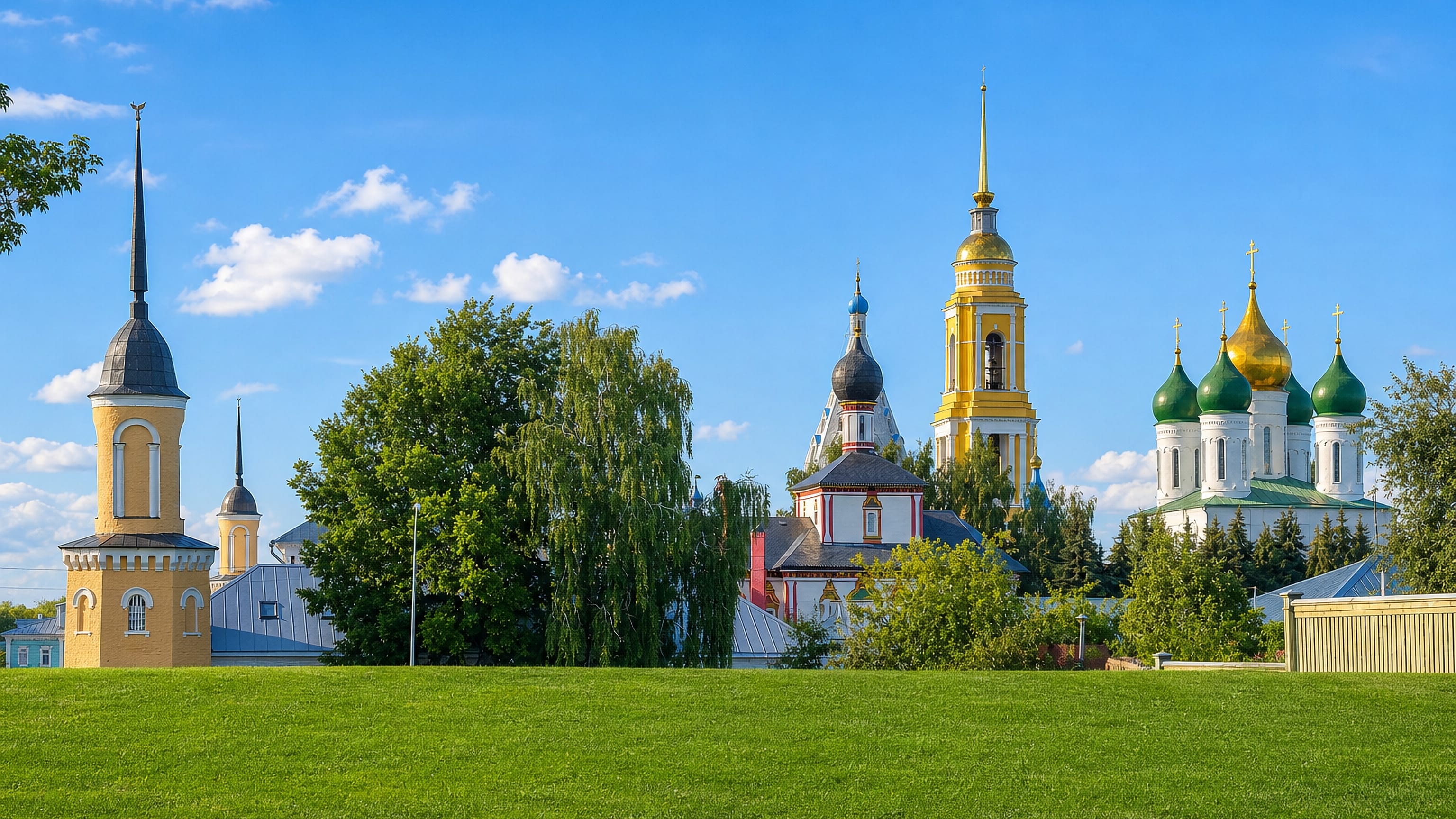
Kolomna is an old Russian city southeast of Moscow, where the Moskva River meets the Oka, ringed by a great brick kremlin.
Find your area →


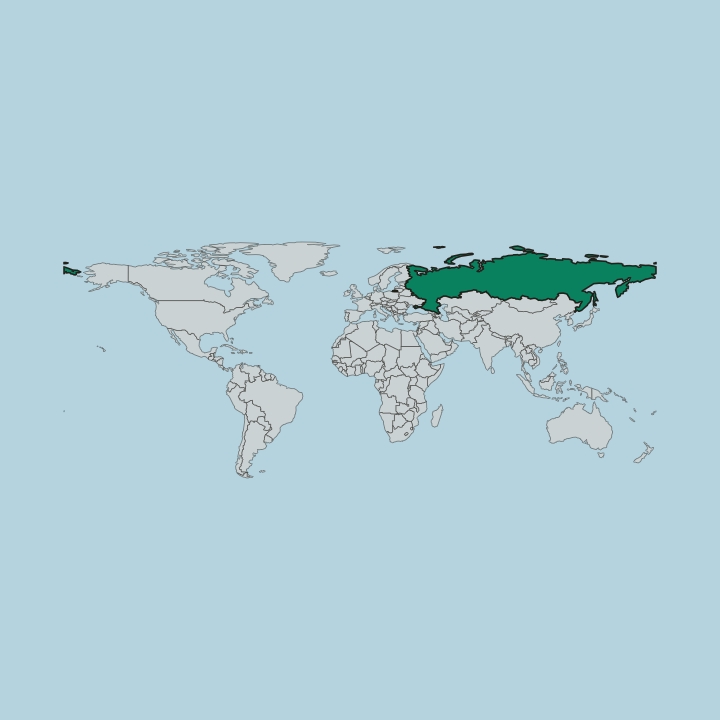
Where to stay in Kolomna
Where visitors usually base themselves, and why.
Where you stay in Kolomna turns on the kremlin. The old streets inside and below the brick walls keep the cathedrals, the monasteries, and the pastila shops within a walk, and staying in the old town suits anyone here for the fortress. The kremlin lanes hush at dusk.
Rooms sit in the old houses near the towers. Out toward the newer town and the station, the city spreads into plainer streets. A room away from the walls trades the old town for parking, space, and an easy way back to Moscow.
The rivers run wide past the edge. If you want the cathedrals and the sweets, stay by the kremlin; if you want space and the road, take a room outside. Either way, the old walls are close at hand.
Things to do in Kolomna
Ranked by global recognition; descriptions from Wikidata (CC0).
Museums & Galleries
3- Pastila Museum, Kolomna
- Museum of Organic Culture
- Russian Museum of Photography
Churches & Religious Sites
8- Cathedral of the Dormition of the Theotokos, Kolomna Heritage
- St Nicholas in the Possad Heritage
- Church of Saints Peter and Paul, Kolomna Heritage
- Church of the Holy Trinity,Novo-Golutvin Monastery, Kolomna Heritage
- Church of the Holy Trinity, Kolomna Heritage
Show 3 more →
- Intercession Church, Novo-Golutvin Monastery, Kolomna Heritage
- Church of the Nativity of Christ, Kolomna Heritage
- Boris and Gleb Church, Kolomna Heritage
Landmarks & Notable Places
8- Kolomna Kremlin Heritage
- Marinkina Tower Heritage
- Granovitaya Tower Heritage
- Pogorelaya Tower Heritage
- Spasskaya Tower (Kolomna Kremlin) Heritage
Show 3 more →
- Simeonovskaya Tower (Kolomna Kremlin) Heritage
- Lazareva Street 22, Kolomna Heritage
- Bell Tower, Staro-Golutvin Monastery, Kolomna Heritage
worth knowingacross 3 categories in Kolomna
About Kolomna
Kolomna is known for its kremlin and its pastila.
What is Kolomna known for?
The mighty brick walls and towers of the Kolomna Kremlin ring the old town, one of the largest fortresses in Russia, and inside stand ancient cathedrals and monasteries. The Pastila Museum revives the town's old apple sweet. Fortress and confection make its fame.
What are the main landmarks in Kolomna?
The Kolomna Kremlin is the town's glory. Its towering brick walls and the great Marinkina Tower ring the old town, the finest fortress sight for miles, and inside rise the ancient cathedrals of the citadel. Faith fills the walls.
The Cathedral of the Dormition crowns the kremlin square, while the Novo-Golutvin Monastery and the Pastila Museum draw visitors through the old streets.
What is the history of Kolomna?
Kolomna has guarded the rivers since the Middle Ages. First raised as a wooden fort on the road to Moscow, it grew into a key stronghold against the Tatar raiders who came up the Oka. Ivan the Terrible built it in brick.
The tsar raised the great Kolomna Kremlin of red brick and stone, with towers and cathedrals within, and gathered his armies here before marching against Kazan. The town prospered on trade and faith. Merchants filled its markets, monasteries rose within and beyond the walls, and the old confection of Kolomna pastila, made from the apples of the region, became famous across Russia.
Time wore the fortress down. Much of the kremlin was pulled apart for its stone in later centuries, but its greatest towers and the Cathedral of the Dormition still stand. New museums have brought the old crafts back to life.
Kolomna keeps its kremlin and its sweet apple pastila alive for a new age.
Where is Kolomna?
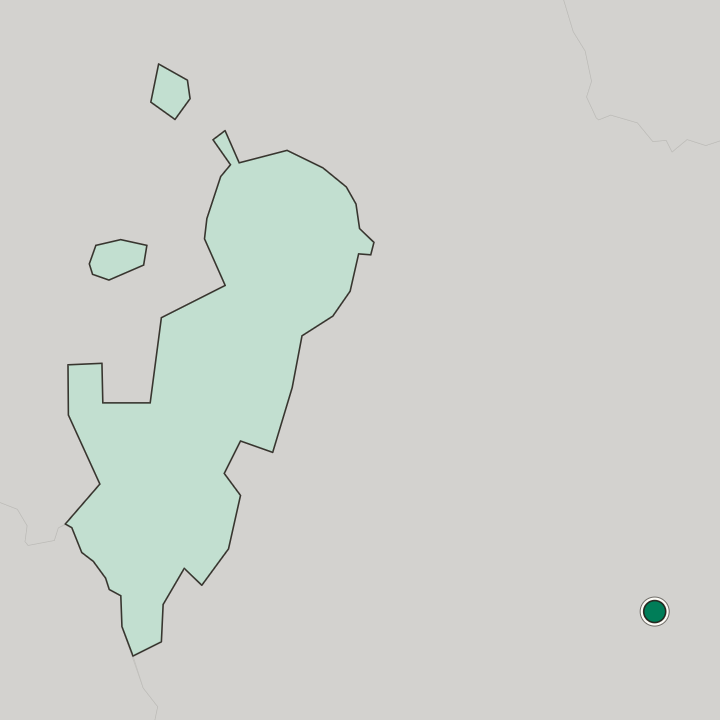
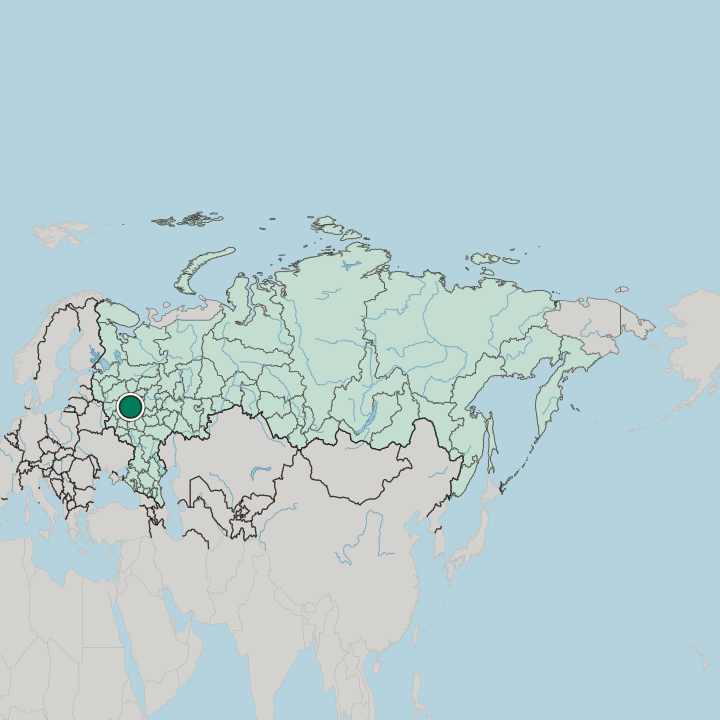
Kolomna stands where two rivers meet. The old town rises on the bank where the Moskva River flows into the Oka, on the flat plain southeast of Moscow, among woods and water meadows. Broad rivers wind past the walls.
The lowland carries the roads to the capital.
What is the climate of Kolomna?
Kolomna has a cold continental climate. Long, snowy winters grip the rivers and the plain, and the short summers turn warm and green, with rain spread through the year. Ice locks the rivers through the winter.
The seasons swing wide on the lowland.
How do you get to Kolomna?
Kolomna lies southeast of Moscow on the Oka. Trains run out from the capital in about two hours, and roads cross the river plain toward Ryazan and the south. Boats work the Moskva and the Oka.
Most arrive by rail from Moscow.
Good for
More cities in Moscow Oblast
Updated October 2026