Russia · Moscow Oblast
Where to Stay in Balashikha, Moscow Oblast
Balashikha is the largest city of Moscow Oblast, a mill town of 1830 spread along the Pekhorka River just beyond the Moscow Ring Road.
Find your area →


Where to stay in Balashikha
One neighbourhood here has its own guide — here's what it is best for.
 BalashikhaRussia
Zheleznodorozhnyy
Timber houses and a listed church stand either side of the tracks in Zheleznodorozhnyy, a district of Balashikha grown out of the Obiralovka stop.Where to stay →Things to do in Balashikha
Ranked by global recognition; descriptions from Wikidata (CC0).
Churches & Religious Sites
3- Transfiguration Church Heritage
- Church of the Transfiguration Heritage
- Church of Saint Alexander Nevsky
Castles & Historic Sites
5- Church of the Protection of the Theotokos Heritage
- Акатовская курганная группа Heritage
- Lenin monument Heritage
- Памятник В.И. Ленину (Балашиха) Heritage
- Памятник Карлу Марксу Heritage
Landmarks & Notable Places
8- Gorenki Estate Heritage
- Pekhra-Yakovlevskoye Heritage
- Cotton mill, Balashikha Heritage
- Чижово (усадьба) Heritage
- Заречная улица, 7, Богадельня для престарелых и воспитания малолетних сирот имени П.Г. Шелапутина Heritage
Show 3 more →
- улица Флёрова, 6/4, Дом, где жил командир 1-й отдельной батареи гвардейских минометов капитан И.А. Флёров Heritage
- Советская улица, 29А, дом управляющего фабрикой Heritage
- Восточная кордегардия у восточных ворот (Балашиха) Heritage
worth knowingacross 3 categories in Balashikha
About Balashikha
Scale, first of all.
What is Balashikha known for?
Balashikha counts as the largest city of Moscow Oblast, and the explanation lies one kilometre away at the Moscow Ring Road, which leaves the whole place inside the daily orbit of the capital rather than out in the province. Estates came before the flats. Gorenki Estate and Pekhra-Yakovlevskoye survive from the country landscape the city grew across, and the Cotton mill records what replaced it.
What are the main landmarks in Balashikha?
Gorenki Estate is the set piece. Its park, its outbuildings and the gate structures around the approaches, Восточная кордегардия у западных ворот (Балашиха) among them, make up the largest surviving fragment of the country landscape that came before the city. Churches supply the other axis.
The Church of the Protection of the Theotokos, the Church of Saint Alexander Nevsky and the Church of the Transfiguration each hold a different quarter, while Памятник дворнику (Балашиха) is the monument nobody expects to find.
What is the history of Balashikha?
Burial mounds come first. Акатовская курганная группа lies inside the modern boundary as evidence that this ground carried people long before anything here was called a city, and the estates that followed took the same river valley for their parks and their ponds. Gorenki Estate is the grandest of them. Pekhra-Yakovlevskoye and Чижово (усадьба) held neighbouring land, Северный флигель (Никольско-Архангельский) survives from another such holding, and the gate structures of the old approaches still stand where the drives once ran.
Then came the factory. The founding year is 1830, and the Cotton mill is the reason a settlement existed here at all, with housing put up for the workforce and for the men who managed them, so the industrial quarter reads as a planned unit rather than as an accumulation of streets. Growth after that never really stopped.
Moscow Oblast filled in around the works with the housing of one decade after another, and the Church of Saint Alexander Nevsky and the Church of the Transfiguration were left standing between the blocks. Памятник Карлу Марксу belongs to the Soviet layer. So does Братская могила советских воинов (Балашиха), which holds war dead of the district, and Восточный флигель (Балашиха) shows how completely the estate fabric was absorbed. The mill buildings remain on the Pekhorka River, and the city grown out of them is the largest in Moscow Oblast.
Where is Balashikha?
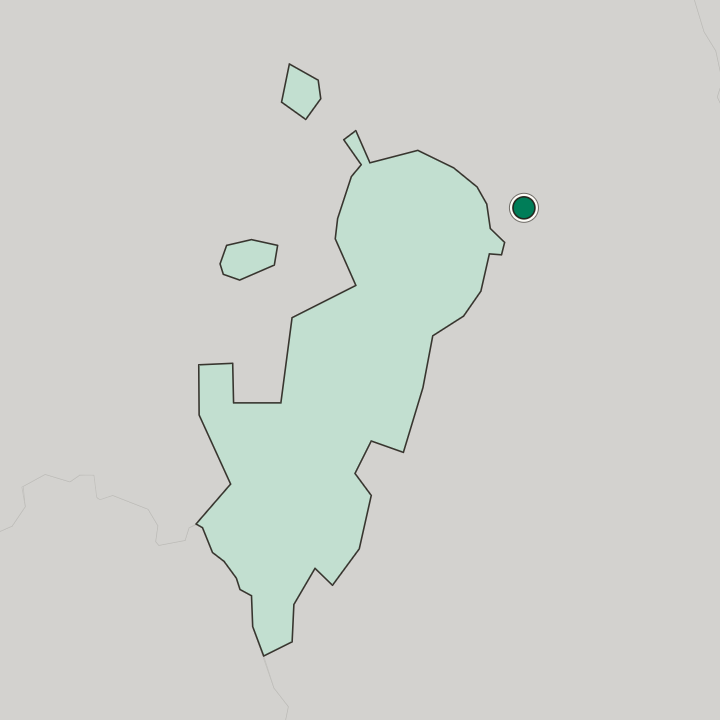
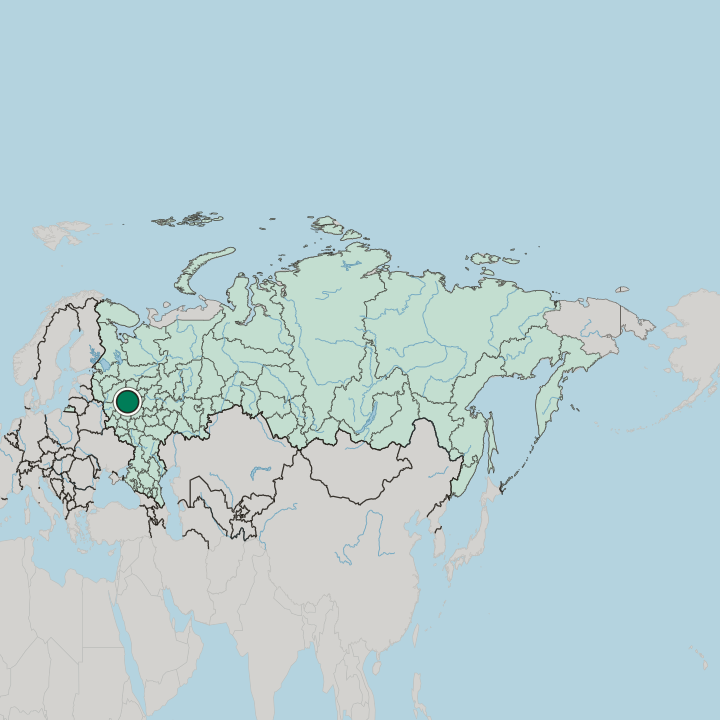
The Pekhorka River runs through it. Balashikha begins one kilometre east of the Moscow Ring Road, which makes the line between city and capital administrative rather than geographical, and the municipal area then spreads across close to a hundred square kilometres of former estate land, woodland and housing. Water and trees break it up.
Gorenki Estate keeps its park within the built-up ground, and Чижово (усадьба) marks another of the old holdings.
What is the climate of Balashikha?
Continental, and unmistakably so. Balashikha stands well inland on the Pekhorka River, so the cold season is long and thoroughly snow-covered while the warm one is short and often heavy with humidity, and the built mass of Moscow next door leaves little open ground to soften either end. Ice closes the river.
Spring is late but quick.
How do you get to Balashikha?
The Moscow Ring Road is the reference. Balashikha starts one kilometre east of it, which makes the city an extension of the capital's road network rather than a separate destination on any map, and the approaches load up accordingly at both ends of the working day. Little ground separates city from capital.
The ring puts the centre within a modest drive of Moscow outside the peak hours, and the Pekhorka River, not a gate or a boundary stone, is what marks the change of scene.
Good for
More cities in Moscow Oblast
Updated October 2026