Russia · Moscow Oblast
Where to Stay in Noginsk, Moscow Oblast
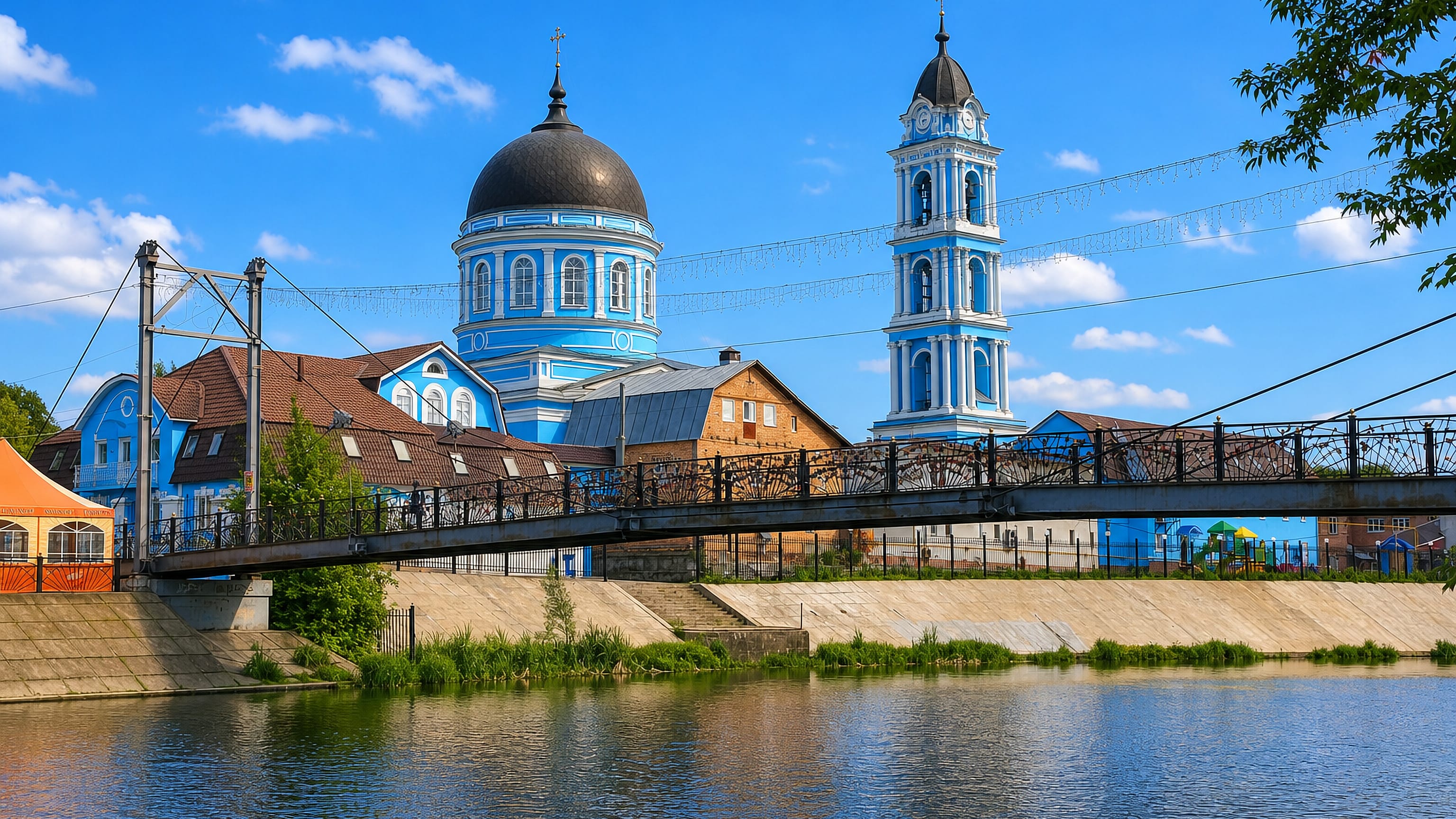
Noginsk was Bogorodsk until 1930, a Klyazma River textile city whose Glukhovo factory and first Lenin statue mark its two eras.
Find your area →


Where to stay in Noginsk
The practical side of choosing where to sleep.
The centre of Noginsk holds the Noginsk city hall and the Zotov House on Sovetskaya Street, and a room there puts the Church of the Epiphany and the Memorial of Victory inside a short walk. Beds are modest. Tretyego Internatsionala street adds listed frontages and the Fire and water tower, which is the easiest thing to steer by once the streets start repeating.
The Saint Zachary and Elisabeth Church stands within the same central grid. Weekday trade dominates. Glukhovo is the other choice, a brick quarter shaped by the Glukhovo factory and by the housing the mill owners put up around it.
You would take it for the industrial architecture and the quiet, and give up the short walk to the Bust of Viktor Pavlovich Nogin and the First Lenin statue in USSR. The Klyazma River separates the two sides. Rooms fill first in the middle of the week.
Anyone here for the Women's Gymnasium, the House of Morozov or the Church of the Theotokos of Tikhvin will find them spread across the centre rather than gathered on one street. Bogorodsky District is run from the city.
Things to do in Noginsk
Ranked by global recognition; descriptions from Wikidata (CC0).
Museums & Galleries
1- House of Morozov A. I. Heritage
Churches & Religious Sites
4- Church of the Epiphany Heritage
- Church of the Theotokos of Tikhvin Heritage
- Saint Zachary and Elisabeth Church in Noginsk Heritage
- Часовня Николая Чудотворца в Доможирово (Ногинск) Heritage
Castles & Historic Sites
2- First Lenin statue in USSR Heritage
- Bust of Viktor Pavlovich Nogin Heritage
Landmarks & Notable Places
8- Women’s Gymnasium (Noginsk) Heritage
- School no. 10 in Noginsk Heritage
- Glukhovo factory Heritage
- Noginsk city hall Heritage
- Sovetskaya Street 74, Zotov House Heritage
Show 3 more →
- Fire and water tower (Noginsk) Heritage
- House of Saint Zachary and Elisabeth Church in Noginsk Heritage
- Memorial of Victory Heritage
worth knowingacross 4 categories in Noginsk
About Noginsk
Cotton built the town.
What is Noginsk known for?
The Glukhovo factory, run under the Morozov name, made Bogorodsk one of the textile centres of the region long before it was renamed Noginsk in 1930. The First Lenin statue in USSR stands here, which is the fact the city is most often cited for. Churches survived the change, including the Church of the Epiphany and the Church of the Theotokos of Tikhvin.
The Klyazma River runs past all of it.
What are the main landmarks in Noginsk?
The First Lenin statue in USSR is what Noginsk is best known for holding, and it stands near the Noginsk city hall and the Memorial of Victory. The Bust of Viktor Pavlovich Nogin and the Women's Gymnasium are close by. Three churches carry the older town: the Church of the Epiphany, the Church of the Theotokos of Tikhvin and Saint Zachary and Elisabeth Church.
Industry left the Glukhovo factory and the Fire and water tower, while the House of Morozov and the Zotov House survive from the era of Bogorodsk. Brick is the common material.
What is the history of Noginsk?
Noginsk is on record from 1389 under the name Bogorodsk, which it kept until 1930. The Klyazma River gave the site its reason, and the settlement grew on the trade and the land along that water long before any mill was built. Textiles changed everything.
The Glukhovo factory, associated with the Morozov family, turned Bogorodsk into a manufacturing town, and the House of Morozov survives from the years when the mill owners built for themselves as well as for their workers. The Women's Gymnasium and the Zotov House on Sovetskaya Street belong to the same civic wave. Revolution renamed the place.
The city changed its name in 1930, and the First Lenin statue in USSR was raised here, which is the claim it is most often cited for. The Bust of Viktor Pavlovich Nogin stands in the centre. Churches came through the century in varying states, among them the Church of the Epiphany, the Church of the Theotokos of Tikhvin and the Saint Zachary and Elisabeth Church with its parish house.
The Memorial of Victory was added later. Tretyego Internatsionala street and Sovetskaya Street keep listed frontages from both the Bogorodsk years and the Soviet ones, and the Fire and water tower still rises over them. Bogorodsky District is administered from the city.
Where is Noginsk?
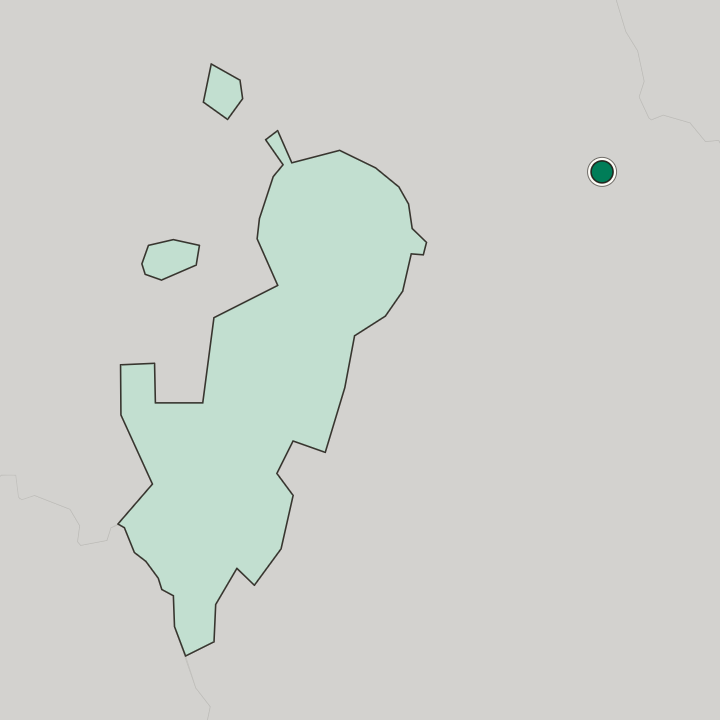
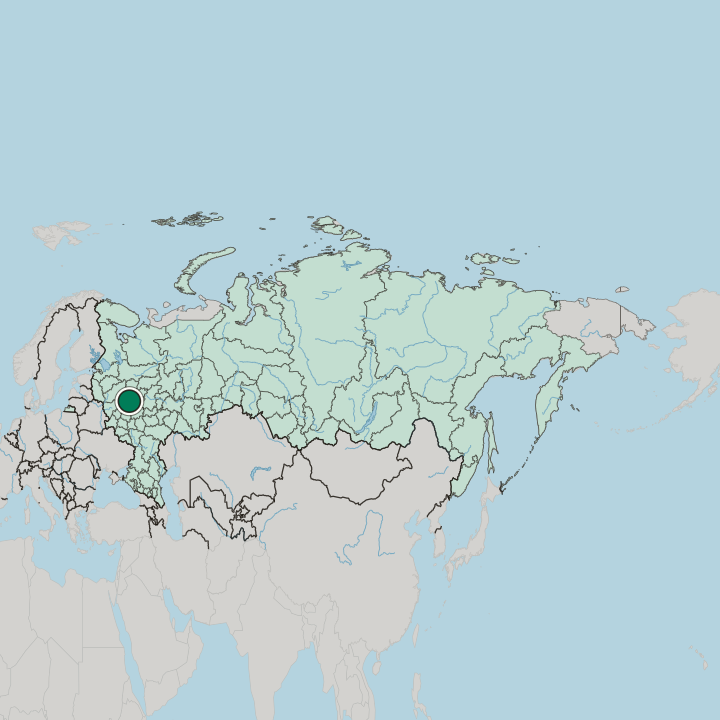
The Klyazma River runs through Noginsk, which spreads across roughly 52 square kilometres of Moscow Oblast about 34 kilometres east of the Moscow Ring Road. The city is wide rather than tall. Glukhovo sits apart from the administrative centre, its brick ranges built around the Glukhovo factory, while the older streets of Bogorodsk hold the churches and the civic buildings.
Bogorodsky District reaches out past the edge.
What is the climate of Noginsk?
Frost closes the Klyazma River for a long stretch of each year, and the brick quarters of Glukhovo were built for weather that stays cold well past the point where the light returns. Heat comes in a rush. The short warm season is when the walk between the Church of the Epiphany and the Memorial of Victory is worth taking slowly, and the rest of the year favours indoor hours.
Snow lasts.
How do you get to Noginsk?
The Moscow Ring Road is the reference point, with Noginsk lying about 34 kilometres east of it along the road out of the capital. Arrival is by road for most. Sovetskaya Street and Tretyego Internatsionala street carry the traffic through the centre, and the Noginsk city hall stands on the busier of the two.
Glukhovo is a separate run out.
Good for
More cities in Moscow Oblast
Updated October 2026